
UK Casinos Accepting AstroPay 2026: Where It Actually Works
 Available in US
AstroPay positions itself as the privacy-first casino banking option: no bank details shared with the operator, instant deposits, and a prepaid structure that keeps spending visible. For UK players, the appeal is straightforward — fund your casino account without handing over card numbers, and if the operator later has a data breach or gets pushy about «bonus offers,» your financial details aren’t in their database.
The challenge is figuring out where AstroPay actually works in the British market as of 2026. Affiliate lists mix offshore Curaçao operators with mainstream UK Gambling Commission brands, often claiming «AStroPay withdrawals» without checking whether the cashier page supports them. Some guides name ten casinos but skip the regulatory context: is the site licensed by the UKGC, or does it sit in Valletta with a Malta Gaming Authority remote license that technically covers Great Britain but in practice courts a different player demographic?
This guide addresses both questions — which UK-accessible casinos accept AstroPay deposits in 2026, and what the deposit/withdrawal mechanics, limits, and licensing landscape actually look like once you move past the marketing copy. The starting point is an uncomfortable truth that most payment-method reviews bury in vague language: AStroPay acceptance among major UKGC-licensed operators is thinner than the affiliate ecosystem suggests, and the payment method’s own UK operations went through a 15-month regulatory pause that only ended in July 2025.
Where AStroPay Actually Works in the UK Market (2026 Reality Check)

Research into official casino payment pages and help-center documentation reveals a split that most comparison sites gloss over. The operators consistently named in «best AStroPay casinos UK» affiliate lists fall into two camps: offshore brands (Curaçao, PAGCOR, or non-UKGC Malta licenses) where AStroPay acceptance is verifiable, and major UKGC-licensed operators where the payment method either doesn’t appear on the official cashier page or sits in a global portfolio with a note that UK availability differs.
Check the payment methods page for Casumo, Betway, LeoVegas, or 888 Casino — the brands that dominate UKGC rankings in 2026 — and the listed options are Visa, Mastercard, PayPal, Apple Pay, Trustly, and instant bank transfers. AStroPay is absent. 888’s global help center lists AstroPay under prepaid cards but flags similar e-wallet methods as «not available to the UK.» That doesn’t mean zero UKGC operators support it — smaller white-label casinos and niche brands might — but the mainstream British casino experience in 2026 leans on payment rails that have been embedded in UK consumer banking for a decade.
AStroPay’s historical strength is in Latin America, Asia, and parts of Africa, where prepaid voucher systems fill gaps in card penetration and cross-border payment friction. The UK market is banked differently: PayPal has ubiquity, open banking via Trustly or Pay by Bank works instantly without a separate account, and Visa/Mastercard debit cards are universal. AStroPay offers a privacy angle, but the operator-side integration footprint in the UKGC space is smaller than in offshore markets.
That leaves two categories of UK-accessible casinos where AStroPay demonstrably works as of 2026: offshore operators serving British players under non-UKGC licenses, and any UKGC-licensed operators (typically smaller brands) that have integrated the payment method. The comparison table below reflects what research into official cashier pages and payment documentation confirms, not what affiliate listicles claim.
| Operator | License | AStroPay Deposit | AStroPay Withdrawal | Min Deposit | Distinguishing Feature |
|---|---|---|---|---|---|
| TikiTaka | Curaçao / PAGCOR | Yes | Claimed (unverified) | £10 equiv | 6,000+ game library, crypto-friendly |
| BetLabel | Offshore (details unverified) | Yes | Claimed | Variable | Rare claim of AStroPay cashout support |
| 888 Casino | UKGC | Listed globally, UK unclear | No | £10 | Major UKGC brand, AStroPay in global portfolio |
The table is short because honest verification of AStroPay acceptance requires checking official casino documentation, not trusting affiliate assertions. If a site’s help center doesn’t list AStroPay for UK customers and the cashier page doesn’t show it, the method isn’t meaningfully available — even if the operator’s Curaçao or Malta subsidiary accepts it in other markets.
TikiTaka
TikiTaka launched in 2024 as a high-volume offshore operator combining a 6,000-game casino library with an integrated sportsbook. The platform operates under multiple licenses — Curaçao eGaming’s 8048/JAZ2020-13 sub-license and PAGCOR registration 22-0025/d6v95 appear across independent reviews — but holds no UK Gambling Commission authorization. That places it outside the UKGC consumer-protection framework: no access to IBAS dispute resolution, no statutory segregation of player funds under British gambling law, and no GamStop self-exclusion integration.
For UK players seeking an offshore option, TikiTaka markets a 150% first-deposit match (terms apply, wagering requirements standard for the offshore space) and positions itself as crypto-friendly alongside fiat payment rails like AStroPay. Deposits via AStroPay are accepted; withdrawal support is claimed in affiliate materials but not independently verified through TikiTaka’s own cashier documentation. The game library spans slots from recognizable studios (Pragmatic Play, Evolution for live dealer) and smaller providers filling out the long tail.
The offshore licensing means regulatory oversight sits with authorities whose enforcement track record and player-complaint resolution mechanisms differ from the UKGC’s. British consumers who register with offshore operators do so outside the UK regulatory perimeter, which is a deliberate trade-off — access to markets and payment methods not integrated into UKGC-licensed sites, in exchange for the protections that come with a Commission license.
BetLabel
BetLabel appears in AStroPay-focused casino lists primarily for one claimed feature: full-cycle AStroPay support, meaning deposits and withdrawals both handled via the same payment method. Most UK-accessible casinos that accept AStroPay treat it as deposit-only, requiring players to withdraw via bank transfer, debit card, or another e-wallet. If BetLabel’s cashier genuinely supports AStroPay payouts, that’s a structural differentiator.
Verification of the claim is thin. BetLabel’s ownership, licensing details, and registration jurisdiction don’t surface in mainstream casino databases or regulatory filings accessible through standard channels. The brand positions itself as crypto-focused — Bitcoin, Tether, and Litecoin deposits promoted alongside fiat options — with an emphasis on fast crypto cashouts clearing within 24 hours according to affiliate sources. That speed claim is typical of crypto-native operators, where blockchain settlement is near-instant once the operator approves the withdrawal.
For players whose priority is cycling funds in and out via AStroPay specifically, BetLabel warrants a direct cashier check before registration. If the withdrawal page lists AStroPay as a cashout method (not just a deposit rail), the site offers something rare in the UK market. If it doesn’t, the «AStroPay withdrawal» claim is another instance of affiliate content repeating unverified assertions across the listicle ecosystem.
888 Casino
888 Holdings is a UKGC-licensed incumbent, holding remote casino and bingo operating licenses since the Commission’s early wave of authorizations in 2005. The brand is a known quantity in the British market — long compliance history, zero upheld player complaints resulting in license review as of 2026, and mainstream positioning that prioritizes UK consumer banking integration over niche payment methods.
The AStroPay question at 888 is one of market-specific availability. The operator’s global payment-methods article lists «Astropay» under prepaid cards and vouchers, which confirms the integration exists somewhere in the 888 platform stack. The catch is regional segmentation: the same help document notes that similar e-wallet methods (Skrill cited as an example) are «not available to the UK.» Whether that exclusion applies to AStroPay for British customers isn’t definitively stated in the public documentation reviewed for this guide.
Official UK deposit methods at 888 as of December 2026 are Visa, Mastercard, PayPal, and Apple Pay, with a £10 minimum across all rails. Withdrawals process to the same method used for deposit where feasible (PayPal same-day, debit cards 1–3 business days). If a UK player’s account at 888 shows AStroPay in the cashier dropdown, that’s a live integration; if it doesn’t, the method remains a global portfolio entry without UK activation.
Which UK casinos accept AStroPay deposits in 2026?
As of 2026, AStroPay acceptance in the UK market splits between offshore operators (Curaçao, PAGCOR licenses) where integration is common, and UKGC-licensed operators where the payment method has limited footprint. Major UK-licensed brands — Casumo, Betway, LeoVegas, SlotsMagic — list Visa, Mastercard, PayPal, Trustly, and open banking on their official payment pages, with no AStroPay mention. Smaller UKGC white-labels and offshore casinos serving British players are where the method demonstrably works. For an up-to-date list, check a casino’s official cashier or help center rather than relying on affiliate claims that don’t distinguish between global payment portfolios and UK-specific availability.
How AStroPay Deposits Work at UK Casinos

AStroPay functions as a prepaid e-wallet with two product variants: the AStroPay card (a virtual prepaid voucher you load with a specific amount) and the AStroPay wallet (a reloadable digital account). In practice, most casino integrations in 2026 accept both, with the wallet experience being the more streamlined option for repeat deposits.
The deposit sequence is identical whether you’re funding an offshore Curaçao casino or a UKGC-licensed operator that supports the method. First, you create an AStroPay account via the provider’s website or mobile app, completing identity verification (KYC) to unlock higher limits. UK customers resumed onboarding in July 2025 after AStroPay’s FCA voluntary undertaking was updated — more on that regulatory context in a later section — so accounts opened since mid-2025 fall under the resumed UK operations framework.
Funding the AStroPay wallet happens via bank transfer, debit card, or another supported top-up method. Once your wallet holds a balance in GBP (or another currency, though using GBP avoids conversion fees at UK-facing casinos), the casino deposit is a four-step process. Navigate to the operator’s cashier page, select AStroPay from the payment-method dropdown, enter the deposit amount (subject to the casino’s minimum, typically £10, and the operator’s or your AStroPay account’s transaction limit), and authorize the payment.
Authorization is where AStroPay’s OneTouch feature becomes relevant. Instead of typing a 16-digit voucher code or logging into the AStroPay site via redirect, OneTouch enables biometric approval — fingerprint scan on a phone, Face ID on an iPhone, or a PIN if biometrics aren’t enabled. The authorization happens in-app or via a push notification if you have the AStroPay mobile app installed. Funds appear in the casino account balance instantly; there’s no clearing period analogous to a debit-card authorization hold or a bank transfer’s 1–3 day float.
The AstroPoints rewards program runs parallel to the payment flow. Every AStroPay deposit earns points that accumulate in your AStroPay account (not the casino account). Points can be redeemed for gift cards, cashback, or other rewards offered through AStroPay’s loyalty marketplace. The earn rate varies by merchant category, but casino deposits typically sit in a mid-tier earn bucket. Over the course of 50 or 100 deposits across multiple casinos, the points add up to a tangible rebate — think of it as a 0.5–1.5% cashback layer that competitors like PayPal or Trustly don’t offer on gambling transactions.
One technical note: AStroPay deposits at online casinos are fee-free on the operator side. The casino doesn’t charge you a processing fee for using AStroPay, in contrast to some credit-card transactions (though credit cards have been banned for UK gambling deposits since April 2020 anyway). Fees can appear on the AStroPay side if you fund your wallet via certain top-up methods, or if the casino processes in a currency other than your AStroPay wallet’s base currency, triggering FX conversion. Stick to GBP funding and GBP casino accounts to avoid that friction.
How long do AStroPay deposits take to appear in my casino account?
Instant. AStroPay deposits process in real time — authorize the payment via OneTouch or voucher code, and the funds land in your casino balance within seconds. There’s no clearing window, no «pending» status that holds for hours, and no manual review step unless the casino’s fraud-detection system flags the transaction for unrelated reasons (e.g., first deposit from a new account, or an amount wildly inconsistent with your play history). If the deposit doesn’t appear immediately, the issue is either a technical glitch on the casino or AStroPay side, or the authorization didn’t complete — check your AStroPay transaction history to confirm the payment left your wallet.
The Withdrawal Reality: Why Most UK Sites Are Deposit-Only

The uncomfortable gap in AStroPay’s UK casino story is withdrawals. Most operators that accept AStroPay for deposits do not support it for cashouts, meaning your winnings leave via a different payment rail — typically a debit-card transfer back to the card you used previously, a bank transfer, or an e-wallet like PayPal or Skrill if you’ve used those for a deposit.
Why the asymmetry? Payment-method integrations at online casinos are bilateral: the operator negotiates with the payment provider (AStroPay, in this case) to enable deposit flows, and separately negotiates withdrawal flows. Deposits are simpler from a compliance and fraud-risk perspective — money moves from a verified source (the player’s AStroPay wallet, which has undergone its own KYC) to the operator. Withdrawals reverse the direction, requiring the operator to confirm that the destination account belongs to the player who registered, that no money-laundering red flags exist, and that the payment provider’s own terms permit gambling cashouts in the player’s jurisdiction.
AStroPay’s historical product focus has been on the deposit side: prepaid vouchers and wallet top-ups that let users spend online without exposing bank details. The withdrawal infrastructure — letting merchants push funds back to an AStroPay wallet, which the user then cashes out to their bank account — is technically feasible but requires the merchant (casino) to integrate a separate API, comply with the payment provider’s payout terms, and manage the operational overhead of a third payment rail for withdrawals when debit cards and bank transfers already work.
In practice, that means most UK-accessible casinos in 2026 handle AStroPay as deposit-only. You can fund your account via AStroPay, but when you request a cashout, the operator’s withdrawal page lists debit card, bank transfer (often labeled «wire transfer» or «faster payments» in UK contexts), and possibly PayPal, Skrill, or Neteller if you’ve used those previously. AStroPay won’t appear as an option.
The few operators that claim full-cycle AStroPay support — BetLabel is the name that surfaces in affiliate materials — are outliers. If withdrawal speed is a priority and you want to avoid the 1–3 business days typical of debit-card cashouts, the work-around is to use an e-wallet that the casino supports for both directions. Deposit via PayPal or Skrill, and your withdrawals process through the same method, often clearing within 24 hours. The trade-off is that PayPal and Skrill deposits frequently disqualify you from welcome bonuses — a restriction AStroPay deposits don’t trigger, which is one of the method’s selling points.
For players committed to AStroPay for privacy reasons, the workflow becomes: deposit via AStroPay to keep your card details off the casino’s server, then accept that withdrawals will route through your bank account or a debit card you link for that purpose. The casino will KYC-verify the withdrawal destination regardless, so the «privacy» benefit is one-directional — your deposit payment information stays private, but the cashout requires identifying yourself to comply with UK anti-money-laundering regulations.
Can I withdraw winnings to AStroPay from UK casinos?
At most UK-accessible casinos as of 2026, no. AStroPay is accepted for deposits, but the withdrawal page requires you to cash out via debit card, bank transfer, or another e-wallet like PayPal. A small number of offshore operators claim to support AStroPay withdrawals, but verifying those claims requires checking the cashier page after registration — affiliate reviews often repeat «AStroPay withdrawals» based on outdated information or misunderstanding of what «bidirectional support» means. If full-cycle AStroPay is a dealbreaker, confirm withdrawal support directly in the casino’s cashier before depositing.
Limits, Fees, and Processing Times

AStroPay deposit limits at UK-accessible casinos follow a three-tier structure: the casino’s minimum (commonly £10, occasionally £5 or £20), the casino’s maximum per transaction (varies widely, from £1,000 at conservative operators to £5,000 or higher at high-roller-friendly sites), and your AStroPay account’s own transaction limit, which scales with your verification level.
Newly created AStroPay accounts with basic KYC (email, phone number) typically allow smaller transactions — £100 to £500 per deposit is a common starting cap. Full verification, which requires uploading a government-issued ID and proof of address, raises the limit to several thousand pounds per transaction. The exact figures depend on your account’s jurisdiction (UK customers fall under Larstal Limited’s UK entity terms) and any additional risk-based restrictions AStroPay applies. If you hit a limit, the error message will specify whether it’s casino-side or AStroPay-side, and you can contact AStroPay support to request a limit increase if full verification is complete.
Daily and monthly AStroPay limits aggregate across all merchants — if your account allows £2,000 per day and you deposit £1,500 at one casino, you have £500 remaining for deposits anywhere else that accepts AStroPay until the daily reset. This is standard e-wallet behavior; it’s not casino-specific.
Fee structure is straightforward: zero at the casino. Operators that accept AStroPay do not charge processing fees for deposits made via the method. You deposit £50, and £50 appears in your casino balance. Contrast this with Skrill and Neteller, which levy merchant fees that some casinos pass along as a surcharge (typically 2–5%) or discourage by excluding those deposits from bonus eligibility.
Fees can appear on the AStroPay side when you fund your wallet. Top-up methods incur different costs: bank transfers are usually free but take 1–3 days to clear into your AStroPay wallet, while instant card top-ups might carry a small percentage fee (1–2% is typical for instant funding rails). Check AStroPay’s fee schedule in your account dashboard before choosing a funding method. Additionally, if the casino processes in a currency other than your AStroPay wallet’s base currency, FX conversion fees apply — another reason to ensure your wallet is in GBP if you’re playing at UK-facing operators.
Withdrawal processing times are not AStroPay’s to control when the method isn’t supported for cashouts. Since most UK casinos treat AStroPay as deposit-only, your winnings leave via debit card (1–3 business days), bank transfer (1–3 days for UK Faster Payments, longer for international wires), or another e-wallet. The operator’s internal approval period (often called «pending» time, typically 24–72 hours) sits on top of that. Fast-track or VIP cashout programs at some casinos compress the approval window to under 24 hours, but that’s an operator-level feature, not a payment-method characteristic.
For the rare operators that do support AStroPay withdrawals, the processing time resembles other e-wallet cashouts: operator approval within 24–72 hours, followed by near-instant transfer to your AStroPay wallet once approved. You then cash out from AStroPay to your bank account on AStroPay’s timeline, which is typically 1–2 business days for UK bank transfers.
What are the minimum and maximum deposit limits with AStroPay?
Minimum deposits are set by the casino, commonly £10, though some sites go as low as £5 or require £20. Maximum deposits depend on three factors: the casino’s per-transaction cap (£1,000 to £5,000+ is typical), your AStroPay account’s transaction limit (scales with verification level, from £500 for basic accounts to several thousand for fully verified), and any daily or monthly aggregation limits AStroPay applies. If you need higher limits, complete full KYC verification on your AStroPay account and contact their support to request an increase.
Are there any fees for depositing with AStroPay at online casinos?
No fees at the casino — you deposit £50, and £50 lands in your balance. Fees can appear when you fund your AStroPay wallet: instant card top-ups might cost 1–2%, while bank transfers are free but slower. If the casino processes in a currency other than your AStroPay wallet’s base (e.g., you hold GBP but the casino uses EUR), FX conversion fees apply. Stick to GBP wallets and GBP casinos to avoid that friction.
What Happened to AStroPay UK in 2024-2025

In April 2024, Larstal Limited — the UK entity operating AStroPay services for British customers — entered into a voluntary undertaking with the Financial Conduct Authority (FCA). The undertaking imposed restrictions on new customer onboarding, effectively pausing AStroPay’s ability to accept UK registrations for a 15-month period. Existing customers could continue using their accounts, but the pipeline of new UK users shut down.
The FCA’s action, described as «voluntary» (meaning Larstal agreed to the restrictions rather than contesting them through a formal enforcement process), reflected regulatory concerns that weren’t publicly detailed in the undertaking’s announcement. The FCA doesn’t typically publish the internal findings that lead to voluntary undertakings unless the matter escalates to a formal decision notice, so the specific compliance gaps or operational issues remain between the regulator and the firm.
AStroPay communicated the restrictions to customers via a website notice, describing the measures as «temporary» and noting that the company was working with the FCA to address the regulator’s requirements. For UK casino players, the practical impact was limited to the inability to open new AStroPay accounts — a friction point for anyone who wanted to start using the service during that window, but not a disruption for existing users.
In July 2025, Larstal entered into an updated voluntary undertaking with the FCA, replacing the April 2024 version. The updated terms permitted resumption of UK customer onboarding, meaning AStroPay could once again accept new registrations from British users. The company’s public statement emphasized that it continues to operate as an FCA-authorised Electronic Money Institution (EMI), holding the regulatory permissions required to issue e-money and provide payment services in the UK.
What changed between April 2024 and July 2025 to satisfy the FCA isn’t publicly documented. Typical triggers for EMI voluntary undertakings include anti-money-laundering control gaps, customer-complaint-handling deficiencies, or operational risk-management weaknesses. Addressing those requires remediation work — strengthening compliance teams, upgrading transaction-monitoring systems, revising internal policies — followed by FCA review. The 15-month timeline from restriction to resumption is consistent with a material remediation project rather than a paperwork fix.
For UK players considering AStroPay in 2026, the regulatory history is context, not a red flag. Voluntary undertakings are enforcement tools the FCA uses to bring firms back into compliance without the reputational damage of a formal public censure or the operational disruption of a license suspension. The fact that the undertaking was updated rather than escalated suggests Larstal addressed the FCA’s concerns to the regulator’s satisfaction. AStroPay’s UK operations are live as of mid-2025, under the same FCA authorization framework that governs other UK-based EMIs.
The episode does highlight that AStroPay’s UK footprint is materially smaller than its presence in Latin America and other core markets. A 15-month onboarding pause in a major market indicates that UK operations weren’t mission-critical to the business, and that the company prioritized resolving FCA concerns over pushing back against the restrictions. For a payment method, regulatory stability matters — users need confidence that the service will remain available, that funds held in the wallet are safeguarded under EMI rules, and that the company’s compliance posture can withstand scrutiny. The July 2025 resumption suggests AStroPay cleared that bar, but the 2024–2025 interruption is part of the UK service history.
What happened to AStroPay UK in 2024-2025?
AStroPay’s UK entity, Larstal Limited, entered a voluntary undertaking with the FCA in April 2024 that halted new customer registrations for 15 months. Existing users weren’t affected, but new UK accounts couldn’t be opened. In July 2025, an updated FCA undertaking allowed resumption of onboarding. AStroPay now operates as an authorised EMI in the UK, and new registrations are accepted again. The regulatory pause reflected compliance remediation work; the resumption indicates the FCA’s concerns were addressed.
UKGC Licensed vs Offshore: What the Difference Means
The UK Gambling Commission is the statutory regulator for all commercial gambling served to customers in Great Britain. An operator holding a UKGC remote casino license has passed the Commission’s fit-and-proper checks, holds player funds in segregated accounts separate from operating capital, participates in the self-exclusion scheme (GAMSTOP), and falls under the jurisdiction of the Independent Betting Adjudication Service (IBAS) for dispute resolution. If something goes wrong — the operator refuses a legitimate withdrawal, the software malfunctions during a bonus round, or the site goes insolvent — UK players have statutory protections and escalation paths.
Offshore operators serve UK players without a UKGC license, typically holding authorizations from jurisdictions like Curaçao, the Malta Gaming Authority (for non-UKGC operations), the Philippine Amusement and Gaming Corporation (PAGCOR), or Kahnawake. These licenses permit the operator to run an online casino under the issuing jurisdiction’s rules, but they don’t confer UK regulatory oversight. A British player who registers with an offshore casino is engaging with a business outside the UKGC’s enforcement reach.
The practical difference crystallizes when disputes arise. A UKGC-licensed operator that withholds a withdrawal without justification can be reported to the Commission, which has powers to investigate, impose compliance conditions, levy fines, and ultimately suspend or revoke the license. IBAS provides free adjudication for player complaints that can’t be resolved through the operator’s internal process. Those mechanisms don’t exist for offshore operators — dispute resolution depends on the goodwill of the operator, the enforcement practices of the licensing jurisdiction (which vary widely in rigor and responsiveness), and in extremis, private arbitration or foreign court action, which is prohibitively expensive for consumer-scale disputes.
That doesn’t mean all offshore operators are rogue or that UKGC-licensed sites never have issues. Large, established offshore brands with decade-long track records (think Malta-licensed casinos serving multiple European markets, or Curaçao operators with volume that justifies reputational investment) process withdrawals, honor bonus terms, and run clean operations because their business model depends on player trust and retention. Conversely, UKGC-licensed operators occasionally face Commission enforcement action for failures in advertising standards, social-responsibility controls, or AML compliance.
The distinction is one of legal recourse and regulatory supervision. A UKGC license means the operator is subject to proactive Commission oversight — regular compliance audits, mandatory reporting, and a regulatory hammer that comes down when rules are breached. Offshore means you’re relying on the operator’s commercial incentives to behave well, plus whatever enforcement the foreign licensing authority provides (which in the case of some jurisdictions is minimal).
For players whose priority is consumer protection and regulatory backstop, UKGC-licensed casinos are the safer choice. For players who prioritize access to payment methods, game providers, or bonus structures that UKGC operators don’t offer (either because of licensing restrictions or commercial strategy), offshore operators present a calculated trade-off.
AStroPay’s UK casino footprint leans toward the offshore side of that divide. Major UKGC brands have integrated UK-focused payment rails — PayPal, Trustly, debit cards — that serve the mass market efficiently. AStroPay’s value proposition (privacy, prepaid control, no bank details shared) resonates more with players open to offshore operators, where payment diversity is a differentiator and the user base includes regions where AStroPay has deeper penetration.
Is AStroPay safe to use at UK online casinos?
AStroPay itself is an FCA-authorised Electronic Money Institution in the UK, meaning it operates under regulatory supervision and safeguards customer funds per EMI rules. Using AStroPay to deposit is as safe as using any e-wallet — the payment provider is legitimate, and your wallet balance is protected. The safety question is operator-level, not payment-method-level: is the casino you’re depositing at trustworthy? If it’s UKGC-licensed, you have regulatory protections. If it’s offshore, you’re relying on the operator’s reputation and the foreign licensing authority’s enforcement. AStroPay doesn’t change that calculation — it’s a neutral payment rail.
Games, Bonuses, and Mobile Play with AStroPay
Payment method doesn’t dictate game library, but AStroPay’s presence at a casino sometimes correlates with operator characteristics. Offshore operators that integrate AStroPay alongside crypto rails and alternative e-wallets tend to offer broader game libraries — 4,000 to 6,000+ titles is common — because they aren’t constrained by UKGC remote gambling licensing requirements that restrict certain game types or provider partnerships. Slots dominate, with catalogs spanning major studios (Pragmatic Play, NetEnt, Microgaming) and long-tail providers filling niche themes and mechanics. Live dealer tables from Evolution, Ezugi, and Pragmatic Live are standard.
Bonus eligibility is where AStroPay shines relative to other e-wallets. Skrill and Neteller deposits frequently disqualify players from welcome bonuses — a restriction operators impose because those methods are associated with bonus abuse (players cycling deposits in and out quickly to clear wagering requirements). AStroPay deposits, by contrast, usually qualify for the full welcome package. Deposit £50 via AStroPay, and the 100% match or free-spins offer applies. That’s a tangible advantage if you’re targeting a first-deposit bonus and prefer not to use a debit card.
Wagering requirements remain identical regardless of deposit method — a 35x playthrough is 35x whether you funded via AStroPay, PayPal, or Visa. The difference is eligibility, not terms. Check the bonus terms before depositing to confirm AStroPay isn’t listed under excluded methods (rare, but some operators do blacklist specific payment rails for promotional purposes).
Mobile play with AStroPay is seamless. The OneTouch biometric authorization is built for mobile: deposit via a casino’s mobile site or app, select AStroPay, and approve the payment with a fingerprint or Face ID without leaving the casino interface. No typing a 16-digit card number on a phone keyboard, no redirecting to a separate banking site. The friction is lower than debit-card entry, and comparable to Apple Pay or Google Pay where those are supported.
Casino apps versus mobile sites is operator-dependent. UKGC-licensed operators typically offer polished mobile web experiences that don’t require an app download, while offshore casinos sometimes push native apps (which bypass Apple and Google’s gambling-app restrictions by distributing APKs or sideload profiles). AStroPay works identically in both contexts.
Alternatives to AStroPay for UK Players
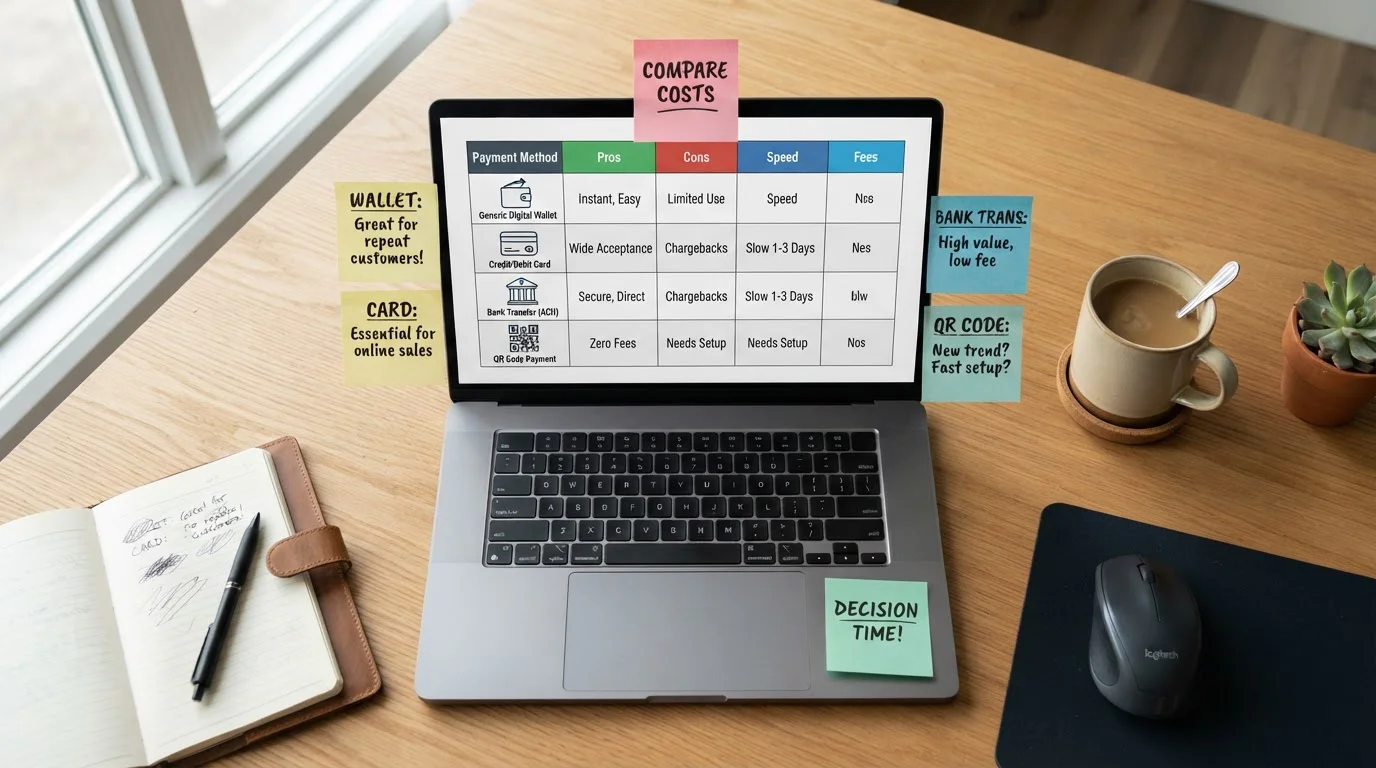
If AStroPay doesn’t fit — whether due to limited casino acceptance, deposit-only frustration, or a preference for more integrated UK banking rails — several alternatives cover the same use cases.
PayPal is the ubiquitous e-wallet in the UK, accepted at most UKGC-licensed casinos and a substantial portion of offshore operators. Deposits are instant, withdrawals often process within 24 hours, and the PayPal buyer-protection framework (though rarely applicable to gambling transactions) adds a consumer-confidence layer. The downside: PayPal deposits usually disqualify you from welcome bonuses, and the company’s merchant fees are higher than competitors, which some operators pass along or discourage through bonus restrictions.
Trustly (and its UK-specific branding, Pay by Bank) connects directly to your bank account via open banking. No wallet to pre-fund, no card details to enter — you select Trustly at the casino cashier, authenticate via your bank’s app or online banking login, and the deposit pulls from your current account in real time. Trustly is instant for deposits and increasingly supported for withdrawals (same-day or next-day in many cases). It’s the cleanest UK-native alternative for players who want the direct bank connection without maintaining a separate e-wallet.
Skrill and Neteller are older e-wallets with broad casino acceptance. Both support deposits and withdrawals, process quickly (similar to AStroPay’s instant deposits, 24-hour withdrawals), and offer loyalty programs comparable to AstroPoints. The catch is the same as PayPal: most casinos exclude Skrill and Neteller deposits from bonuses, and merchant fees at those services are higher than AStroPay’s, which some operators pass through as withdrawal charges (£2–£5 per cashout is not uncommon).
Direct bank transfers (Faster Payments in the UK) work for deposits and are universally supported for withdrawals. Deposits take 1–3 hours rather than being instant, but there are no fees, no wallet to fund, and no bonus-eligibility restrictions. Withdrawals via bank transfer typically process in 1–3 business days. This is the fallback method that always works, at the cost of speed.
Debit cards (Visa, Mastercard) remain the most common deposit method at UK casinos. Instant deposits, no fees, bonus-eligible, and universally accepted. Withdrawals back to the card take 1–3 business days. The privacy trade-off is that the casino holds your card details (encrypted, but in their database), and your bank statement shows the merchant name. AStroPay’s advantage over debit cards is exactly that privacy gap — no card details shared, no merchant name on your statement beyond «AStroPay.»
Choosing between these depends on priorities. If speed and bidirectional support matter, Trustly or PayPal (accepting the bonus restriction). If privacy and bonus eligibility matter, AStroPay or debit card. If you need the widest operator acceptance, debit cards or bank transfers. No single method dominates every dimension, which is why casino cashier pages list six or eight options rather than converging on one.
| Method | Deposit Speed | Withdrawal Speed | Fees | Bonus Eligibility | Privacy Level |
|---|---|---|---|---|---|
| AStroPay | Instant | Rare support | 0% casino-side | Yes | High |
| PayPal | Instant | 24 hours | 0% casino-side | Usually no | Medium |
| Trustly | Instant | 24 hours (varies) | 0% | Yes | Low (direct bank) |
| Skrill/Neteller | Instant | 24 hours | Variable | Usually no | Medium |
| Debit Card | Instant | 1–3 days | 0% | Yes | Low (card on file) |
| Bank Transfer | 1–3 hours | 1–3 days | 0% | Yes | Low (direct bank) |
AStroPay sits in the high-privacy, bonus-eligible quadrant, which overlaps with debit cards but adds the prepaid control layer. The deposit-only limitation at most UK casinos keeps it from dominating the comparison, but for players who prioritize funding privacy and don’t mind cashing out via a different rail, it’s a functional niche.
Casino Deposit Methods UK 2026 — Cards, E-Wallets & Bank
Content created by the «casinopay» team
