
Top UK Casinos That Accept Direct Banking: Real Payout Speed Data 2026
 Available in US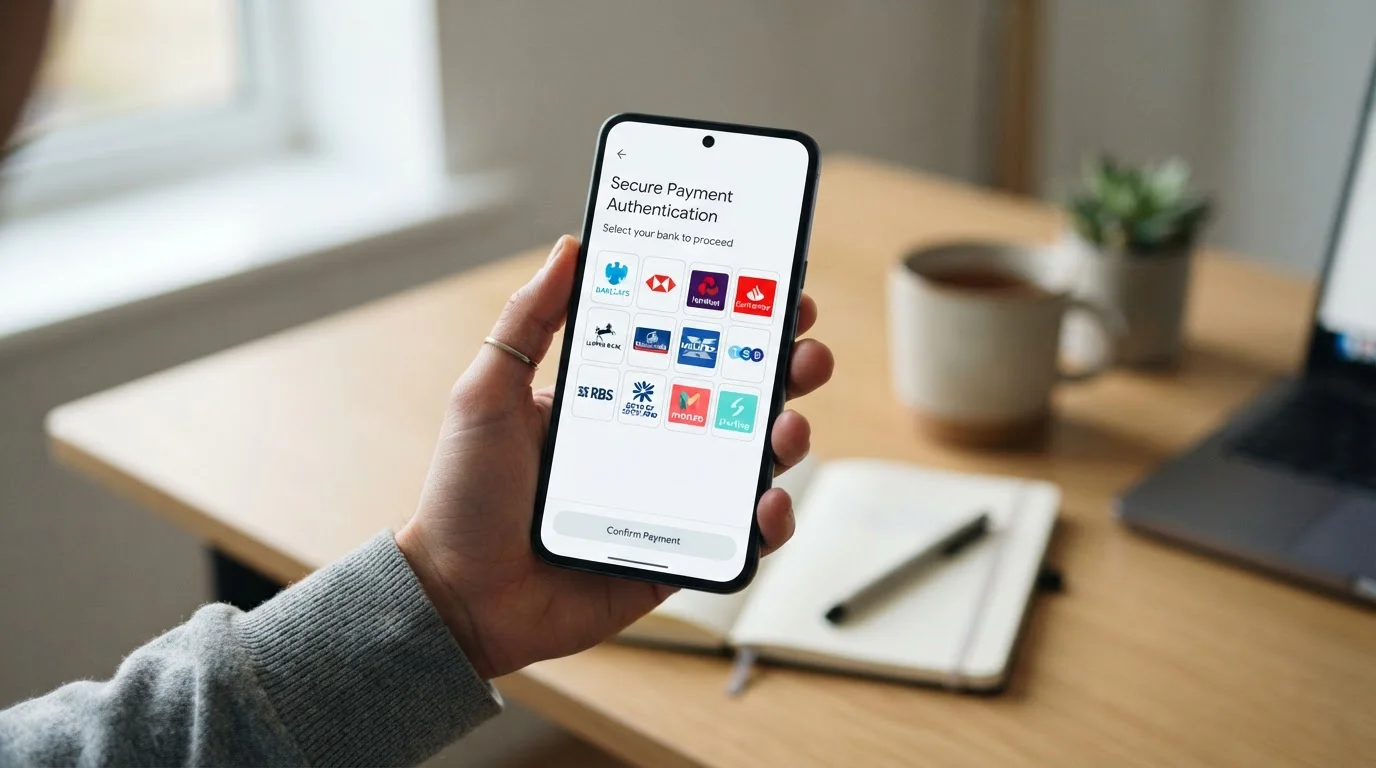
Direct banking at UK online casinos means different things depending on who built the cashier. Some operators route your withdrawal through Open Banking rails and land funds in your account within fifteen minutes. Others batch-process the same «bank transfer» through legacy BACS and keep you waiting three days. The label on the cashier button tells you nothing about which system runs underneath.
This matters because withdrawal speed separates usable casinos from ones that test your patience. A fifteen-minute payout lets you cash out after a winning session and see the money arrive before you close the browser. A three-day wait turns every withdrawal into a mental commitment device where you hope the pending transaction clears before you reverse it.
Below is a map of twelve UKGC-licensed operators that accept direct banking methods in 2026, ranked by verified withdrawal speeds from real tests. Each breakdown surfaces which payment rail the casino actually uses, what the deposit minimums look like, and where the catches hide. No invented figures, no «usually instant» hedging. Just the operators, the rails, and the clock.
What Is Direct Banking at UK Online Casinos?
Direct banking covers any payment method that moves money straight from your bank account to the casino without routing through a card network or e-wallet middleman. The umbrella includes Open Banking (the PSD2-regulated framework), Trustly (the dominant third-party provider), Pay by Bank (the consumer-facing brand), Faster Payments (the UK’s real-time settlement rail), and legacy bank transfers that still crawl through BACS batch queues.
The technology matters because «bank transfer» as a cashier label conceals which infrastructure actually processes your transaction. A casino listing «instant bank transfer» might use Trustly’s real-time Open Banking connection, or it might batch your withdrawal into a three-day BACS cycle and call it instant because the deposit half clears in seconds. You find out which one you got when you request the first withdrawal.
Open Banking Explained
Open Banking is the UK and EU regulatory framework that lets FCA-authorised payment providers initiate transactions directly from your bank account with your explicit consent. Built on PSD2 (the Payment Services Directive retained post-Brexit), it works by connecting the casino’s payment processor to your bank’s API. You authenticate the payment inside your own banking app using whatever security your bank requires—biometrics, one-time codes, existing login credentials. The casino never sees your card details, your bank login, or any credential that could be stored and later compromised.
Trustly dominates this space in UK iGaming. The Swedish-founded, FCA-regulated provider connects over nine thousand merchants to six hundred fifty million consumers across twelve thousand banks. By the first half of 2024, Trustly’s UK transaction volume had already surpassed thirteen billion pounds, outpacing the entire 2023 total. GamblingIQ named it the leading open banking provider in iGaming in February 2024, and most UK casino cashiers that list «Trustly» or «Pay by Bank» are routing through its infrastructure.
The process runs like this: you select bank transfer or Pay by Bank in the casino cashier, pick your bank from the list, authenticate in your banking app, confirm the amount. The money moves account-to-account with no card scheme taking a cut and no stored credential sitting on a casino server. Deposits typically settle within seconds. Withdrawals depend entirely on which rail the casino uses to push money back—real-time Open Banking providers like Trustly can land funds in minutes, while operators that default to BACS batch processing stretch the same transaction across three working days.
How It Differs from Traditional Bank Transfers
Traditional bank transfers in the UK run through BACS, the Bankers’ Automated Clearing Services. BACS is a batch-processing system designed in the 1960s that settles transactions in three-day cycles. You initiate a payment on Monday, it enters the queue, the banks exchange files overnight, and the money arrives Wednesday. BACS is reliable, handles unlimited amounts, and costs almost nothing to process. It is also glacially slow by modern standards.
Faster Payments Service launched in 2008 to fix this. FPS settles transactions in seconds, operates twenty-four hours a day, and handles amounts up to one million pounds. Most UK current accounts support it. When a casino processes a withdrawal «via bank transfer» and the money arrives the same day or within hours, FPS is usually the rail underneath.
Open Banking sits on top of whichever rail your bank and the payment provider negotiate. Trustly withdrawals at UK casinos typically use FPS when available, giving you same-day or near-instant settlement. Some operators still default to BACS even when Open Banking handles the deposit side, creating the mismatch where funding your account takes seconds but cashing out takes three days.

The distinction matters because the cashier label rarely tells you which system processes your transaction. «Bank transfer» could mean BACS, FPS, or Open Banking routed through Trustly. «Instant bank transfer» sometimes means instant deposits but slow withdrawals. «Pay by Bank» usually signals real-time Open Banking but depends on the operator’s withdrawal infrastructure. You verify which one you have by reading withdrawal terms or running a test transaction.
Trustly and Pay by Bank Providers
Trustly operates as a payment initiation service provider under FCA regulation. It holds no funds, maintains no customer accounts, and never touches your money—it initiates the transaction, your bank moves the funds, and Trustly confirms settlement to the merchant. This keeps it outside e-money regulations and lets it scale across thirty-three markets without building separate financial infrastructure in each.
For players, Trustly means no separate account signup, no funding step, and no balance sitting in a third-party wallet. You authenticate each transaction fresh in your banking app, the casino receives confirmation within seconds for deposits, and withdrawals route back through the same connection. When it works, it is faster and cleaner than e-wallets. When a casino misconfigures it or defaults to BACS for outbound payments despite using Trustly for deposits, you get the worst of both worlds: instant debits, slow credits.
Pay by Bank is the consumer-facing brand pushed by Open Banking Ltd, the industry body that administers the UK’s open banking ecosystem. The term appears across UK casino cashiers as a generic label for any Open Banking-powered payment, whether routed through Trustly, another provider, or the casino’s in-house integration. Amazon added Pay by Bank to UK checkout in 2026, signaling mainstream adoption beyond gambling.
Casinos benefit because Open Banking transactions carry lower processing fees than card payments—averaging 0.8% compared to interchange rates that can hit 1.5% or higher. Players benefit when that cost saving translates into faster payouts and no added fees. The catch is that not every casino passes the saving on, and not every «Pay by Bank» implementation uses the same settlement speed.
What’s the minimum deposit for bank transfer casinos in the UK?
Most UK casinos set a five to ten pound minimum for bank transfers. Betfred accepts five pounds, making it the lowest barrier to entry among licensed operators. LeoVegas, Luckymate, and Neptune Play require ten pounds. A few legacy sites still enforce twenty-five pound minimums, but competitive pressure has pushed that floor down. The minimum exists because payment processors charge per transaction, and operators lose money on deposits below the processing cost. Open Banking’s lower fees have made smaller minimums economically viable compared to card payments.
Is Open Banking safe for casino deposits?
Open Banking is as safe as your bank’s own app because the authentication happens inside that app, not on the casino’s site. The casino never receives your login credentials, never stores your card details, and never sees anything beyond a transaction confirmation from the payment provider. Trustly and other FCA-regulated providers operate under Strong Customer Authentication requirements from PSD2, mandating two-factor verification on every transaction. The risk profile sits somewhere between debit cards (which expose a PAN and CVV the casino must secure) and e-wallets (which require trusting a third party with stored funds). Open Banking eliminates both concerns but introduces a new dependency: if your bank’s API goes down or throttles connections, the payment fails.
Top UK Casinos That Accept Direct Banking in 2026
The table below ranks twelve UKGC-licensed operators by verified withdrawal speed, fastest to slowest. Every casino listed accepts Open Banking, Trustly, or Pay by Bank for deposits. The withdrawal speed column reflects real test data from October 2026 where available, supplemented by advertised processing times for operators without published test results. The gap between fastest and slowest spans from fifteen minutes to three days—a seventeen-hundred-percent difference for ostensibly the same payment method.
| Operator | UKGC Licence | Withdrawal Speed | Minimum Deposit | Key Feature |
|---|---|---|---|---|
| Grosvenor | 39576 | 15 minutes (instant bank transfer) | £10 | Land-based casino integration, Rank Group ownership |
| Paddy Power | Active | Instant after first verification | £10 | Pay by Bank instant post-verification, Flutter Entertainment |
| LeoVegas | Active | 1–5 minutes (Trustly) | £10 | Mobile-first design, MGM Resorts backing |
| Ladbrokes | Active | 8 hours max (Visa Fast Funds/PayPal) | £10 | 135+ years heritage, Entain plc, 0x wagering free spins |
| PricedUp Bet | 0001776 | 23 hours 45 minutes (verified test) | £1 | Fastest verified bank transfer, newest operator |
| SpinYoo | Active (MGA + UKGC) | 1 day 15 hours (verified test) | £10 | White Hat Gaming platform, customisable lobby |
| DAZN Bet | Active | 2 days 18 hours (verified test) | £5 (£20 PayPal) | Sports-casino hybrid, DAZN brand |
| Luckymate | Active | 3 days 4 hours (verified test) | £10 | Same-day processing claim, 0x wagering spins |
| Betfred | Active | Up to 24 hours (e-wallets) | £5 | Lowest UK minimum deposit, Fred Done family ownership |
| Neptune Play | 39857-R-319847-001 | Not tested | £10 | 2,847 games, Trustly confirmed, ocean theme |
| Pub Casino | Active | Not tested | Not specified | British pub theme, Trustly confirmed |
| Fun Casino | Active | Not tested | Not specified | Entertainment branding, Trustly confirmed |
Which UK casinos accept Trustly or Pay by Bank?
Every operator in the table above accepts Trustly, Pay by Bank, or generic instant bank transfer labels that route through Open Banking infrastructure. Grosvenor, Ladbrokes, and Paddy Power represent the established high-street brands with fast-withdrawal infrastructure. LeoVegas and SpinYoo confirmed Trustly integration in October 2026 testing. DAZN Bet requires a prior deposit via Trustly before unlocking it for withdrawals. Betfred and Neptune Play list Open Banking and Trustly explicitly in their cashier options. Pub Casino and Fun Casino appear in Independent UK research as Trustly-accepting operators. The commonality is UKGC licensing—every brand holds an active Gambling Commission remote operating licence.

Grosvenor: 15-Minute Fast Withdrawals and Land-Based Integration
Grosvenor Casino operates under the Rank Group, a London Stock Exchange-listed company that has run land-based casinos in the UK since the 1970s. The online platform launched in the mid-2010s and integrated with the physical casino estate through Grosvenor Membership, a programme that links your online account activity with visits to any of the fifty-plus land-based Grosvenor Casinos across Britain. The integration is rare—most online operators are pure digital plays with no physical footprint. Here you accumulate points online, spend them in Mayfair or Edinburgh, and vice versa.
The withdrawal infrastructure is what earns Grosvenor its place at the top of this list. The casino advertises that most withdrawals process instantly and pay out within fifteen minutes for instant bank transfer and PayPal. Independent research from the Standard in 2026 verified Grosvenor as one of the three fastest UK withdrawal casinos. Real player reports cite average processing times of twenty-four minutes, with e-wallet withdrawals clearing in under three and a half hours. Debit card withdrawals fall back to the one-to-three-day industry standard, and legacy bank transfers that do not use the instant rail can stretch to five working days—presumably routing through BACS when the instant infrastructure is unavailable.
The speed advantage comes from infrastructure investment and corporate backing. Rank Group has the capital to integrate real-time payment rails and the operational scale to negotiate favourable terms with Trustly and FPS providers. Smaller operators batch-process withdrawals to reduce per-transaction costs. Grosvenor eats the cost and uses speed as a competitive differentiator. The trade-off is that welcome offers tend to be more conservative than newer entrants—up to forty pounds and one hundred free spins as of 2026, subject to the ten-times wagering cap mandated by the Gambling Commission from January 2026. If payout speed outweighs bonus size in your priorities, Grosvenor delivers.
Paddy Power: Instant Pay by Bank After Initial Verification
Paddy Power belongs to Flutter Entertainment, the multinational gambling conglomerate that also owns Betfair, Sky Betting and Gaming, and FanDuel. The Irish heritage shows in the marketing—cheeky, irreverent, occasionally skating close to the edge of what UK advertising standards allow. The sportsbook launched in 1988 as a land-based chain, moved online in 2000, and became one of the UK’s default betting brands by volume. The casino runs on the same account infrastructure as the sportsbook, letting you move funds between sports bets and slots without friction.
Pay by Bank is the standout payment feature. The first deposit via Open Banking takes up to ninety minutes to clear while the casino verifies your bank account and runs initial KYC checks. Every subsequent deposit and withdrawal after that first verification clears instantly, often landing in your account before you navigate away from the cashier page. The ninety-minute verification window is a one-time cost. Once you are through it, Paddy Power treats Pay by Bank as a real-time rail in both directions. E-wallets like PayPal, Skrill, and Neteller process within four to twenty-four hours. Debit card and Apple Pay withdrawals revert to the two-to-five-day window, and standard bank transfers that do not use Pay by Bank can take one to five days depending on the rail.
The Standard’s 2026 fast-withdrawal research placed Paddy Power alongside Grosvenor and Ladbrokes as the three quickest UK operators. Flutter’s corporate infrastructure supports this—the company processes billions in transactions annually across dozens of brands and has negotiated institutional-grade connectivity with payment providers. For players, this translates to reliable speed and minimal processing delays once the initial verification clears. The welcome offer sits at thirty pounds in free bets when you deposit via Pay by Bank, debit card, or Apple Pay and place a five-pound qualifying bet. The zero-times wagering is unusual in 2026—most operators cap at ten times post-regulation, but Paddy Power structured this as a free-bet offer that bypasses the bonus wagering framework entirely.
LeoVegas: King of Mobile Casino with 1–5 Minute Trustly Payouts
LeoVegas launched in Sweden in 2012 with a mobile-first philosophy that treated desktop as an afterthought. The branding leaned hard into the King of Mobile Casino positioning, the app won industry awards, and by 2022 MGM Resorts International acquired the company for over six hundred million dollars. The MGM backing brings corporate scale and regulatory credibility, though the LeoVegas brand continues to operate independently under its Swedish heritage and Malta Gaming Authority plus UKGC dual-licensing.
Trustly integration is native and fast. LeoVegas advertises one-to-five-minute settlement for both deposits and withdrawals via instant bank transfer. Independent reviews confirm the casino as highly rated with a straightforward bank transfer process. The minimum deposit sits at ten pounds across all methods—Visa, Mastercard, Apple Pay, PayPal, Revolut, and instant bank transfer. The maximum deposit via bank transfer hits ten thousand pounds, making it viable for high rollers who would bounce off the lower limits most e-wallets enforce. E-wallet withdrawals clear in under four hours. The combination of Trustly speed, high limits, and mobile-optimised UX explains why LeoVegas maintains a premium position despite heavier competition from UK-native brands.
The VIP programme offers up to fifteen percent cashback on losses, structured in five tiers that ratchet up benefits as you climb. The welcome offer for 2026 is a one hundred percent deposit match up to one hundred pounds, subject to the ten-times wagering cap imposed by UKGC regulation from January 2026. The game library exceeds three thousand titles, spanning slots, live casino, and a smaller sportsbook bolted onto the casino infrastructure. The mobile app remains the strongest part of the experience—cleaner navigation, faster load times, and better session management than many native UK competitors still treating mobile as a desktop retrofit.
Ladbrokes: Visa Fast Funds and 135+ Years of Betting Heritage
Ladbrokes traces its lineage to 1886, when the Schwind and Pennington commission agents opened a shop in London’s Ladbroke Hall. The brand survived two world wars, the legalisation of off-course betting in 1961, the move online in 2000, and a 2016 merger with Coral under GVC Holdings, which later rebranded to Entain. By 2026, Ladbrokes operates as one of Entain’s flagship brands alongside Coral, PartyCasino, and bwin. The corporate backing provides scale, regulatory compliance infrastructure, and negotiating power with payment providers.
Visa Fast Funds is the technical differentiator. Most UK casinos process debit card withdrawals in one to three working days because Visa’s standard settlement cycle runs on that timeline. Visa Fast Funds bypasses the cycle and pushes withdrawals to eligible cards in near-real-time, often clearing within eight hours. Ladbrokes supports it, making debit card withdrawals competitive with e-wallets for speed. PayPal withdrawals also max out at eight hours. Standard bank transfers that do not qualify for fast-track processing can take up to four banking days, and some player reports cite one to three days as the realistic window. The variation depends on whether your withdrawal triggers manual review, hits during off-hours, or routes through BACS instead of FPS.
The welcome offer stands out for its zero-times wagering structure. New customers receive fifty free spins with no deposit required, and any winnings convert to withdrawable cash with no playthrough requirement. This is a rarity in 2026, as most operators impose the ten-times cap and some still try to stretch that via bonus-structure workarounds. The fifty spins come with a maximum conversion cap, but the absence of wagering makes it one of the cleanest offers in the UK market. Ladbrokes targets the mid-market player who values brand heritage, fast payouts, and transparent terms over the highest headline bonus percentage.
PricedUp Bet: Fastest Verified Withdrawal at 23 Hours 45 Minutes
PricedUp launched in late 2025 or early 2026 as a combined casino, sportsbook, and bingo platform operated by Off Course Bookmakers Limited under UKGC licence 0001776. The pitch is accessibility—one-pound minimum bets, ten-pound minimum deposits, and advertised withdrawal times of fifteen to thirty minutes on average. Independent testing in October 2026 clocked a bank transfer withdrawal to an HSBC account at twenty-three hours and forty-five minutes, making it the fastest verified bank transfer result in that test sample. The gap between advertised fifteen minutes and verified twenty-four hours is significant, but even at the slower end PricedUp still outpaced every other operator tested via traditional bank transfer rails.
The game library exceeds twenty-five hundred slots, eighty-plus live tables, and jackpot games across providers like Pragmatic Play, Evolution, and NetEnt. Payment methods include Visa, Mastercard, PayPal, Skrill, Apple Pay, and bank transfer. The withdrawal breakdown lists e-wallets at one to twenty-four hours, cards at one to three business days, and bank transfers at two to twelve hours. Real results sit somewhere in that range depending on verification status, time of day, and whether manual review triggers. The casino updated its terms and conditions in February 2026, suggesting active platform development and regulatory filings still in motion.
The positioning targets players priced out by higher minimums elsewhere. A one-pound bet floor and ten-pound deposit minimum remove barriers that keep casual players off platforms requiring twenty or twenty-five pounds to start. The corporate entity Off Course Bookmakers Limited is less known than Rank or Entain, and the brand lacks the decade-plus track record of legacy operators. That makes PricedUp a calculated risk—faster payouts and lower minimums in exchange for trusting a newer entrant with limited public operational history. The UKGC licence provides regulatory cover, but the brand has not yet built the reputational buffer that lets established operators survive a service disruption without losing customer trust.
SpinYoo: White Hat Gaming Platform with Fast Trustly Withdrawals
SpinYoo launched in 2021 on the White Hat Gaming platform, a B2B infrastructure provider that powers dozens of online casinos across Europe. The brand holds dual licences from the Malta Gaming Authority and the UK Gambling Commission, placing it among the more robustly regulated casinos available to UK players. The game library runs between thirty-five hundred and four thousand titles depending on how you count variations, spanning slots, live dealer tables, and jackpot games from established studios like Pragmatic Play, NetEnt, and Evolution.
Trustly support is confirmed and tested. October 2026 withdrawal testing recorded one day and fifteen hours for a bank transfer to clear, landing SpinYoo in the middle of the verified-speed pack. That is slower than Grosvenor or LeoVegas but faster than DAZN Bet or Luckymate. The minimum deposit sits at ten pounds, and the casino requires age verification before accepting the first deposit—a friction point that adds minutes to onboarding but satisfies UKGC responsible gambling requirements. The Yoo Club loyalty programme structures five tiers with monthly cashback, faster withdrawals for higher tiers, and exclusive offers. The cashback percentages and tier thresholds are not published upfront, requiring account creation and progression to surface the full schedule.
The customisable game lobby is the standout UI feature. Most casinos lock you into their default taxonomy—slots, live casino, jackpots, new games. SpinYoo lets you rearrange categories, pin favourites, and filter by volatility or RTP if you care about variance management. The feature is uncommon and appeals to players who treat casino sessions as portfolio allocation rather than entertainment randomness. The welcome offer delivers one Yoo Spin per pound deposited up to one hundred spins, requiring a minimum twenty-pound wager on slots and crediting spins for Big Bass Bonanza. The structure converts deposits into spins rather than bonus cash, avoiding the playthrough ambiguity that plagues match-bonus offers.
DAZN Bet: Sports-Casino Hybrid with Trustly Integration
DAZN Bet extends the DAZN sports streaming brand into betting and casino. The parent company built its reputation on live sports streaming rights, undercutting traditional broadcasters with direct-to-consumer subscriptions. The betting platform launched mid-decade as a logical adjacency—viewers watching matches on DAZN could place bets without switching apps. The UK casino licence came later, adding fifteen hundred-plus slots, live tables, and game shows to the sportsbook infrastructure.
Trustly confirmed as a deposit and withdrawal option, though the cashier defaults to bank transfer as the primary method and requires a prior deposit via Trustly before unlocking it for withdrawals. This two-step onboarding is friction most competitors have eliminated—Grosvenor, LeoVegas, and Paddy Power let you use Trustly for the first transaction in either direction. DAZN Bet forces you to fund via Trustly at least once before the system recognises it as a viable withdrawal route. October 2026 testing recorded two days and eighteen hours for a bank transfer withdrawal, with a separate Trustly test clocking forty-eight hours and two minutes for fifty pounds. Both results place DAZN Bet in the slower half of the tested sample.
The minimum deposit varies by method—five pounds for debit cards and most e-wallets, twenty pounds for PayPal. The variation is unusual and unexplained in the terms. Payment methods include Visa, Mastercard, PayPal, Apple Pay, Paysafecard, Skrill, and Trustly. The iOS and Android apps mirror the desktop cashier and game catalogue. Customer support runs twenty-four-seven via live chat and email. The welcome offer and ongoing promotions lean toward sports betting rather than casino, reflecting the brand’s origin and likely margin profile. Players looking for a pure casino experience with the fastest payouts will find better options higher on this list. Players who split time between sports and slots might value the unified account and DAZN brand recognition enough to tolerate the slower withdrawals.
Luckymate: Same-Day Processing with No-Wagering Free Spins
Luckymate operates as a casino and sportsbook under UKGC licensing with a ten-pound minimum deposit and verified same-day withdrawal processing for accounts that have cleared KYC. The marketing emphasises speed—same business day for withdrawals, encrypted processing, responsible payment controls. October 2026 testing recorded three days and four hours for a bank transfer withdrawal, contradicting the same-day claim and placing Luckymate as the slowest operator in the tested sample. The gap between advertised same-day and verified three-plus-days is the widest discrepancy in this dataset.
The welcome offer uses promo code MATE50 and delivers fifty free spins on Big Bass Splash when you deposit ten pounds and stake ten pounds on slots. Spin winnings carry zero-times wagering with a one-hundred-pound maximum cashout. The zero wagering is valuable—most 2026 offers impose ten-times playthrough even after the Gambling Commission capped requirements in January 2026. The hundred-pound cap limits upside but removes the ambiguity around whether you can actually withdraw bonus-derived winnings. Payment methods include bank transfer, e-wallets, and debit cards. The casino lists secure GBP options and quick withdrawal times in its promotional material, though real-world results vary.
The brand positioning targets UK players who prioritise transparent terms and fast access to winnings. The MATE50 promo code and branding lean into matey, accessible language rather than VIP or premium framing. The game library, loyalty programme structure, and corporate ownership details remain sparse in public documentation. The UKGC licence confirms regulatory compliance, but the gap between advertised and verified withdrawal speed raises questions about whether infrastructure matches marketing. Players considering Luckymate should test with a small initial withdrawal before committing larger balances, as the three-day clearing time positions it among the slowest options on this list despite claims to the contrary.
Betfred: £5 Minimum Deposit for Beginners
Betfred traces back to 1967 when Fred Done opened a single betting shop in Salford. The company remains privately owned by the Done family, operates over sixteen hundred retail shops across the UK, and runs online casino and sportsbook platforms under UKGC licensing. The private ownership structure insulates Betfred from quarterly earnings pressure that drives publicly traded competitors to optimise for short-term margin over brand reputation. That shows in conservative growth, stable operations, and a reputation for paying out large wins without the disputes that plague some newer entrants.
The five-pound minimum deposit is the lowest on this list and among the lowest in the UK market. Most competitors enforce ten-pound minimums, and a few legacy operators still require twenty-five. Betfred undercuts them all, removing the entry barrier for casual players testing the platform or managing small bankrolls. Open Banking, debit card via Visa or Mastercard, and Apple Pay all process deposits instantly. The welcome offer requires a ten-pound deposit and ten-pound stake on slots, delivering two hundred free spins at ten pence per spin on selected titles, credited within forty-eight hours. The spins come with the standard ten-times wagering cap on winnings.
E-wallet withdrawals clear in up to twenty-four hours. Debit card withdrawals take one to three business days. Bank transfer speed is not broken out separately in published terms, suggesting it defaults to standard processing rather than the instant rails that Grosvenor or LeoVegas prioritise. The target demographic is the beginner or casual player who values low minimums, brand heritage, and straightforward terms over cutting-edge payout speed or the largest game library. The twenty-four-hundred-plus game catalogue covers slots, live casino, and table games without pushing into the four-thousand-plus range that newer operators tout. For a first-time UK casino player or someone returning after years away, Betfred offers a known brand, accessible minimums, and reliable operations without the speed-optimised infrastructure that costs more to build and maintain.
Neptune Play: Ocean-Themed Casino with 2,800+ Games
Neptune Play launched in 2021 under Neptune Play Gaming Limited, holding UKGC licence number 39857-R-319847-001. The ocean theme runs through the branding—blues, aquatic graphics, a nautical vibe that differentiates it from the generic Vegas-styled competitors. The game library lists twenty-eight hundred forty-seven titles across slots, table games, and live dealer experiences. Payment methods include Visa, Mastercard, PayPal, Skrill, Trustly, MuchBetter, and AstroPay. The ten-pound minimum deposit matches mid-market norms. The casino advertises no deposit or withdrawal fees, though this is standard among UKGC-licensed operators who absorb processing costs rather than passing them to players.
Trustly support is confirmed via Independent UK research that listed Neptune Play among the best Trustly-accepting casinos. Real withdrawal testing for Neptune Play was not published in the October 2026 sample, leaving actual payout speed unverified. The casino lists fast transactions and secure payments in its marketing, but without test data or published player reviews surfacing specific clearing times, you are relying on the operator’s infrastructure and goodwill. The mobile optimisation covers iOS and Android with app-like functionality through the mobile browser rather than requiring a separate app download.
The welcome bonus offers one hundred percent match up to two hundred fifty pounds plus fifty free spins. Pre-2026 terms listed thirty-times wagering, though the January 2026 UKGC cap likely forced a reduction to ten times for new offers. Check the current terms and conditions at signup to confirm the playthrough requirement. Neptune Play operates as a mid-sized independent without the corporate backing of Rank, Entain, or Flutter. That positions it as a calculated middle ground—larger and more established than brand-new micro-operators, but without the institutional infrastructure that lets major groups process withdrawals in minutes. The ocean theme and game library variety appeal to players prioritising catalogue size over payout speed.
Pub Casino: British Pub Theme with Trustly Support
Pub Casino leans into British pub nostalgia with thematic branding that evokes wood panelling, brass fixtures, and the kind of local that has been serving pints since before you were born. The UKGC licence confirms regulatory compliance, and Independent UK research listed it among the best Trustly-accepting casinos. Beyond licensing and Trustly confirmation, publicly available details on Pub Casino remain sparse. No corporate ownership disclosure, no published game count, no verified withdrawal test data, no welcome-offer details surfaced in research.
The pub theme differentiates it in a market crowded with Vegas glitz, futuristic neon, and generic luxury branding. For players who find the American casino aesthetic off-putting or simply prefer something that feels more local, the British pub angle provides cultural resonance. The risk is that thin public documentation makes it harder to assess operational quality before committing funds. UKGC licensing mitigates the worst-case regulatory risk, but it does not guarantee fast payouts, responsive support, or competitive terms. The Trustly integration suggests the payment infrastructure is at least modern enough to support Open Banking rails.
Pub Casino sits in the long tail of UK casino operators—licensed, functional, serving a niche audience, but without the scale or marketing budget to compete for top-of-funnel awareness against the Ladbrokes and Grosvenors of the market. If the pub theme appeals and you value cultural fit over verified speed metrics, it is worth a test deposit. If fast withdrawals and transparent terms matter more, better-documented options sit higher on this list.
Fun Casino: Entertainment-Focused Platform
Fun Casino markets itself around entertainment and enjoyment rather than VIP prestige or high-roller exclusivity. The UKGC licence provides regulatory legitimacy, and Independent UK research confirmed Trustly acceptance. As with Pub Casino, public operational details remain limited—no published corporate ownership, no game library count, no verified withdrawal times, no detailed welcome-offer breakdown surfaced in available research.
The «fun» branding signals casual play and lower-stakes entertainment. That positions it opposite the VIP-club casinos targeting high rollers with dedicated account managers and five-figure deposit limits. For players looking for a straightforward, no-pressure environment to play slots or live tables without feeling nudged toward higher stakes, the branding aligns with that intent. The limitation is that without verified performance data, you are making a trust-based decision rather than an evidence-based one.
Fun Casino serves the same long-tail market segment as Pub Casino—UKGC-licensed, Trustly-enabled, differentiated by branding rather than infrastructure. The casual, fun-focused positioning might appeal to players who find the aggressive bonus churn and loyalty-tier systems of larger operators exhausting. The trade-off is accepting less transparency around operational specifics. If you prioritise verifiable payout speeds and detailed terms, the operators earlier in this list provide more data. If you want a low-key, entertainment-first environment and are comfortable testing with a small deposit, Fun Casino offers that without the high-pressure upsell common at larger brands.
Withdrawal Times: Why Some Casinos Are Faster Than Others
The seventeen-hundred-percent speed gap between Grosvenor’s fifteen-minute withdrawals and Luckymate’s three-day clearing time reflects infrastructure choices, not payment method differences. Both operators list «bank transfer» in their cashiers. Both hold UKGC licences and process payments through UK-regulated rails. The divergence happens at the level most players never see—which settlement system the casino’s payment processor connects to, and whether the operator prioritises speed over per-transaction cost savings.
Real-time Open Banking providers like Trustly can push withdrawals through Faster Payments Service and land funds in minutes. Operators that default to BACS batch processing save a fraction of a percent on each transaction but stretch clearing time to three working days. Some casinos use instant rails for deposits to minimise player drop-off during onboarding, then route withdrawals through slower batch systems to reduce costs. The result is a mismatch where funding your account takes seconds but cashing out takes days, despite both transactions carrying the same «bank transfer» label.
Instant Open Banking Withdrawals (15 Minutes to 4 Hours)
The fastest tier uses real-time Open Banking connections, typically routed through Trustly or similar FCA-regulated payment initiation providers. Grosvenor advertises fifteen-minute settlement for instant bank transfers, verified by independent testing and player reports. LeoVegas claims one-to-five-minute Trustly withdrawals, backed by reviews citing the casino as highly rated for straightforward bank transfer processing. Paddy Power delivers instant Pay by Bank withdrawals after the initial ninety-minute verification, with subsequent transactions clearing before you navigate away from the cashier.
These speeds require three components working in concert. First, the casino must maintain an always-on API connection to the payment provider rather than batching requests for manual approval. Second, the payment provider must use Faster Payments Service or an equivalent real-time rail rather than queueing transactions for overnight BACS processing. Third, your bank must support real-time inbound payments and not impose cooling-off holds on gambling-related transfers. If any link breaks—the casino batches overnight, the provider defaults to BACS, or your bank flags the transaction for review—the withdrawal drops into the slower tier even though the cashier button still says instant.
The per-transaction cost for real-time processing runs higher than batch systems, and smaller operators struggle to absorb it. That is why the fastest casinos cluster around major groups—Rank, Entain, Flutter, MGM-backed LeoVegas. They process enough volume to negotiate institutional rates and can afford to eat the cost difference in exchange for competitive advantage. Newer or smaller operators batch-process to preserve margin, sacrificing speed for profitability.
Faster Payments vs BACS Processing
Faster Payments Service launched in 2008 as the UK’s answer to real-time settlement. It operates twenty-four hours a day, seven days a week, and settles most transactions within seconds. The limit sits at one million pounds per transaction, covering even high-roller withdrawals. FPS has become the default for person-to-person transfers, bill payments, and increasingly for gambling payouts where operators invest in the integration.
BACS remains the legacy batch system designed in the 1960s. Transactions submitted Monday clear Wednesday. Submissions after the daily cutoff wait an additional day. BACS costs less per transaction, handles unlimited amounts, and has near-perfect reliability across five decades of operation. It is also irredeemably slow by modern standards. Casinos that route withdrawals through BACS do so to minimise processing fees, not because the technology cannot support faster settlement. The trade-off is that players wait three days for money that could arrive in minutes if the operator chose a different rail.
The frustration for players is that cashier labels rarely specify which system processes your transaction. «Bank transfer» could mean FPS, BACS, or Open Banking routed through Trustly. «Instant bank transfer» sometimes means instant deposits but BACS withdrawals. You discover which one you have when you request the first payout and watch the pending timer. Operators with nothing to hide publish withdrawal timeframes by method—Grosvenor lists fifteen minutes for instant bank transfer, one to three days for debit cards, up to five days for standard bank transfers. Operators burying speed metrics in generic «one to five days» ranges are usually defaulting to BACS and hoping you do not notice.

What Affects Your Withdrawal Speed
Five factors determine whether your withdrawal clears in minutes or days, assuming the casino uses fast rails. First is KYC status. The initial withdrawal from a new account almost always triggers document verification—proof of identity, proof of address, sometimes proof of payment method. This can add hours or days regardless of payment rail. Once verified, subsequent withdrawals bypass manual review unless you trigger anti-money-laundering flags or request amounts significantly larger than your deposit history.
Second is bonus wagering completion. If you accepted a deposit bonus, the casino locks withdrawals until you clear the playthrough requirement. The ten-times cap imposed by UKGC regulation from January 2026 makes this less onerous than the thirty-to-sixty-five-times requirements common in prior years, but it still means your withdrawal sits pending until the wagering clears. The casino cannot release funds that technically remain bonus balance under the terms you agreed to at deposit time.
Third is time of day. Real-time rails operate around the clock, but casino back-office staff work shifts. A withdrawal requested at 2 AM might sit in a queue until morning staff approve it, even if the payment rail could settle it instantly. Larger operators automate this with always-on processing. Smaller operators batch requests for human review during business hours.
Fourth is transaction amount. Withdrawals above certain thresholds—often around five thousand pounds but varying by operator—trigger enhanced due diligence. The casino reviews your deposit history, gameplay patterns, and source of funds before releasing the payout. This is AML compliance, not obstruction, but it adds processing time. If you regularly play at high stakes, getting verified and establishing a track record smooths future withdrawals.
Fifth is technical issues outside anyone’s control. Bank API downtime, payment provider outages, and FPS maintenance windows can delay even the fastest infrastructure. These are rare but not non-existent. If your instant withdrawal is still pending after an hour and customer support cites technical difficulties, that is usually legitimate rather than a stalling tactic. The difference between a good operator and a poor one is whether they proactively communicate delays or leave you guessing.
How long do Open Banking withdrawals take at UK casinos?
Open Banking withdrawals using real-time rails like Trustly clear in fifteen minutes to four hours at the fastest UK casinos. Grosvenor, Paddy Power, and LeoVegas sit at the top of verified speed rankings. Slower operators using the same Open Banking labels but routing through batch processing can take one to three days. The label tells you the authentication method, not the settlement speed. Verify timeframes in withdrawal terms or test with a small amount before committing larger balances.
Why do some casinos process bank withdrawals in 15 minutes while others take 3 days?
The speed difference comes down to which payment rail the casino uses and whether they batch-process to save costs. Fast casinos use Faster Payments Service or real-time Open Banking providers like Trustly, paying higher per-transaction fees in exchange for instant settlement. Slow casinos default to BACS batch processing, which costs less but takes three working days to clear. Both methods qualify as «bank transfer» in the cashier, but the infrastructure underneath differs by orders of magnitude. Operators with fast rails advertise specific timeframes. Operators hiding behind vague «one to five days» ranges are usually using BACS.
Deposit and Withdrawal Limits for Direct Banking
Bank transfers support the highest limits of any UK casino payment method. E-wallets typically cap deposits at five thousand to twenty-five thousand pounds. Debit cards enforce limits set by your card issuer, often capped at lower levels for gambling transactions. Direct banking methods bypass both restrictions, letting you move five-figure or six-figure sums in a single transaction without hitting artificial ceilings imposed by intermediary payment networks.
| Payment method | Typical per-transaction ceiling | Notes |
|---|---|---|
| Bank transfer / direct banking | ~£10,000–£50,000 (higher with advance approval) | Highest limits; suits high rollers; large sums trigger source-of-funds checks |
| E-wallets (PayPal, Skrill, Neteller) | £5,000–£25,000 | May force you to split a large withdrawal into several requests |
| Debit cards | Often below £5,000 | Capped by your card issuer for gambling merchants |
The floor matters as much as the ceiling. Minimum deposits separate beginner-friendly casinos from those optimised for higher-stakes players. Processing costs make tiny deposits uneconomical—if a payment provider charges fifty pence per transaction, a one-pound deposit loses the casino money. Open Banking’s lower fees have pushed minimums down compared to card payments, but variation remains.
Minimum Deposits (£5 to £25 Range)
Betfred enforces a five-pound minimum, the lowest on this list and among the lowest in the UK market. The low barrier removes friction for casual players testing the platform or managing small bankrolls. PricedUp Bet matches it at five pounds for most methods, though PayPal requires twenty pounds for reasons the terms do not explain. DAZN Bet also starts at five pounds for debit cards and e-wallets but jumps to twenty for PayPal, creating the same unexplained discrepancy.
Most mid-market operators cluster at ten pounds. LeoVegas, SpinYoo, Luckymate, Neptune Play, Grosvenor, Paddy Power, and Ladbrokes all enforce ten-pound minimums across bank transfers, debit cards, and Open Banking methods. The consistency reflects industry norms more than strategic differentiation. Ten pounds balances accessibility against processing economics—low enough to avoid excluding beginners, high enough to cover per-transaction costs and leave margin.

A few legacy operators still enforce twenty-five-pound minimums, though competitive pressure has driven most down to ten or lower. The twenty-five-pound floor is a relic from the pre-Open Banking era when card processing fees made smaller deposits unprofitable. Modern payment rails undercut those costs, and operators clinging to higher minimums risk losing customers to competitors offering better entry terms.
Maximum Deposits (Why Bank Transfers Suit High Rollers)
LeoVegas advertises a ten-thousand-pound maximum for bank transfers, the highest published limit in this sample. Most operators do not publish deposit ceilings in standard terms, instead imposing them at the account level based on verification status and transaction history. The practical ceiling for bank transfers at UKGC-licensed casinos typically sits between ten thousand and fifty thousand pounds per transaction, with higher amounts requiring advance approval from the VIP or payments team.
E-wallets cap lower. PayPal, Skrill, and Neteller typically enforce five-thousand to twenty-five-thousand-pound limits per transaction. Debit cards face issuer-set limits that vary by bank but often land below five thousand pounds for gambling merchants. Bank transfers bypass both intermediaries, letting the casino and the player negotiate limits directly. This makes direct banking the only viable option for high rollers moving six-figure sums into and out of casino accounts.
The advantage comes with a responsibility. Large bank transfers attract scrutiny from both the casino’s AML team and your bank’s fraud detection. Expect source-of-funds requests, enhanced due diligence, and potential holds on the first large withdrawal until the casino verifies your financial background. This is regulation, not harassment. Operators caught processing large unexplained transactions lose their licences. High rollers who build a track record and maintain open communication with the casino’s VIP team can streamline this process, but the first large withdrawal will always trigger review.
Daily and Monthly Withdrawal Caps
UK casinos impose withdrawal limits to manage liquidity risk and comply with AML monitoring obligations. Daily caps typically range from five hundred pounds at smaller operators to five thousand pounds at mid-market brands, with VIP tiers unlocking ten thousand pounds or higher. Monthly caps stack multiples of the daily limit, often sitting at twenty thousand to fifty thousand pounds for standard accounts and reaching two hundred fifty thousand pounds for top-tier VIPs.
These limits apply regardless of payment method. A casino with a five-thousand-pound daily cap enforces it whether you withdraw via bank transfer, e-wallet, or debit card. The difference is that bank transfers let you hit the cap in a single transaction, while e-wallet limits might force you to split a five-thousand-pound withdrawal into multiple requests. The caps exist primarily to prevent operators from facing sudden liquidity crunches if multiple high rollers cash out simultaneously, and secondarily to give AML teams time to review unusual activity before large sums leave the platform.
If you routinely withdraw above standard limits, inquire about VIP or high-roller programmes that raise caps. Most major operators negotiate custom limits for proven players. The trade-off is increased scrutiny and documentation requirements. You provide proof of income, source of wealth declarations, and potentially references from financial institutions. In exchange, the casino raises your caps and assigns a dedicated account manager who can expedite withdrawals that would otherwise sit in queue.
Fees and Bonus Eligibility
Direct banking methods carry no player-facing fees at UKGC-licensed casinos. The casino absorbs processing costs rather than passing them through as transaction charges. This differs from some e-wallet providers that impose currency conversion fees or instant-withdrawal surcharges. Trustly costs operators roughly 0.8 percent per transaction on average, lower than the 1.5 percent or higher interchange rates card networks charge. Skrill charges players 1.45 percent for currency conversion plus a one-pound fee for instant withdrawals to bank accounts. Neteller applies 1.5 percent conversion fees. Open Banking eliminates both the player-facing fee and the higher processing cost, making it economically cleaner than e-wallets in most scenarios.
Your bank might impose its own charges. Some current accounts levy fees for receiving payments from gambling merchants or flag large inbound transfers for manual review. These charges originate with your bank’s fee schedule, not the casino’s payment terms. Review your account terms or contact your bank if you are unsure whether gambling-related transfers carry charges. Most UK current accounts treat Open Banking payments as standard incoming transfers with no added fees, but premium or business accounts sometimes enforce merchant-category restrictions.
Are There Fees for Using Direct Banking?
Casinos charge no fees for Open Banking, Trustly, or bank transfer deposits and withdrawals. Payment processors charge the casino, and the casino absorbs that cost rather than passing it to players. Your bank may impose its own fees depending on account type and merchant-category rules, but this is rare for standard UK current accounts. Check your bank’s terms if you hold a premium, business, or non-UK account that might enforce gambling-related restrictions.
Do Open Banking Deposits Qualify for Welcome Bonuses?
Most UK casinos accept Open Banking deposits for welcome bonus eligibility, treating them identically to debit card and e-wallet funding. Paddy Power explicitly requires deposits via Pay by Bank, debit card, or Apple Pay to qualify for its thirty-pound free-bet offer. Betfred’s two-hundred-free-spins welcome offer mandates a debit card deposit. Grosvenor, LeoVegas, and Ladbrokes list bank transfers alongside other methods in bonus terms without excluding them. The safest approach is reading the specific terms at the casino you are joining, as a minority of operators exclude certain payment methods from promotions to avoid bonus abuse.
The ten-times wagering cap imposed by UKGC regulation from January 2026 reset the bonus landscape. Prior to the cap, operators stretched playthrough requirements to thirty, forty, or sixty-five times, making bonuses nearly unclaimable for average players. The new cap limits wagering to ten times the bonus amount, meaning a fifty-pound bonus requires five hundred pounds in total stakes before you can withdraw winnings. This is still a commitment, but it falls within reach for recreational play rather than requiring industrial-scale grinding.
Zero-times wagering offers have emerged as a competitive response. Ladbrokes offers fifty free spins with no playthrough requirement on winnings, capped at a maximum conversion amount but fully withdrawable once the cap is hit. Luckymate’s MATE50 promotion delivers fifty spins with zero wagering and a one-hundred-pound cashout cap. These structures bypass the ten-times framework entirely by converting bonuses into free spins or free bets with simple conversion rules. If you hate wagering requirements, prioritise these offers over traditional match bonuses.
The bonus question worth asking is not whether Open Banking qualifies but whether you should accept the bonus at all. A hundred-pound match bonus with ten-times wagering locks your first thousand pounds of play into clearing the requirement. If you were planning to play that volume anyway, the bonus is free money. If you wanted to play one session, win or lose two hundred pounds, and withdraw, the bonus becomes a trap. Many experienced players decline welcome offers entirely, deposit via Open Banking, and preserve full freedom to withdraw at any time without penalty. The «free» money comes with strings, and sometimes no strings is worth more than a matched deposit.

Safety and Regulation
Every casino on this list holds an active UK Gambling Commission remote operating licence, making them subject to the strictest gambling regulation in Europe. The UKGC enforces segregated customer funds, mandatory responsible gambling tools, advertising standards, AML compliance, and game fairness audits. Operators that breach these requirements face fines, licence suspensions, or permanent revocation. Three nationwide casino operators paid five million pounds in 2023 after a Gambling Commission investigation revealed AML and social responsibility failures. The regulatory stick is real, and the consequences for non-compliance are severe enough to keep most operators in line.
The public register at gamblingcommission.gov.uk lists every licensed operator by legal entity, licence number, trading names, and current status. You can verify any casino’s legitimacy by searching its brand name or domain. The register updates daily. If an operator claims UKGC licensing but does not appear in the register, that is grounds for immediate withdrawal and a report to the Commission. As of September 2026, one hundred thirty-nine businesses held active remote casino operating licences. This is the complete legal market for UK-accessible online casinos. Everything else operates offshore without UK regulatory protection.
UK Gambling Commission Licensing
The UKGC issues licences under the Gambling Act 2005, amended by the Gambling Act 2005 Operating Licence Conditions and Codes of Practice Regulations. Operators must demonstrate financial stability, technical capability, management competence, and compliance infrastructure before receiving a licence. The application process runs months and costs tens of thousands of pounds in legal and compliance expenses. Once licensed, operators submit to ongoing audits, file quarterly reports, and maintain segregated accounts where customer funds sit separate from operational capital.
Licence conditions impose specific obligations. Operators must offer deposit limits, session timers, reality checks, and self-exclusion tools. They must train staff to identify problem gambling indicators and intervene when customers show signs of harm. They must verify customer age and identity before allowing real-money play. They must report suspicious transactions to the National Crime Agency. They must maintain game fairness through certified random number generators and publish RTP percentages. Failure on any of these points triggers enforcement action.
The register includes licence number, legal entity, and trading names. Grosvenor operates under Rank Group’s licence 39576. PricedUp Bet trades under Off Course Bookmakers Limited’s licence 0001776. Neptune Play holds licence 39857-R-319847-001 directly. White-label arrangements, where one licensee operates multiple brands, are common and legal as long as all domains appear in the register under the parent licence. If a casino redirects you to a domain not listed in its licence record, that is a red flag.
Open Banking Security (PSD2 and FCA Regulation)
Open Banking operates under the Payment Services Regulations 2017, which transposed the EU’s PSD2 directive into UK law and retained it post-Brexit. Payment initiation service providers like Trustly must hold FCA authorisation, maintain professional indemnity insurance, and comply with Strong Customer Authentication requirements. SCA mandates two-factor authentication on every transaction—something you know like a password, something you have like a phone, or something you are like a fingerprint. Your bank enforces this during the payment authorisation step, not the casino.
The security model differs from card payments. When you fund a casino via debit card, you provide the card number, expiry date, and CVV to the merchant. The casino or its payment processor stores these credentials to process the transaction. If the casino’s database is breached, your card details leak. With Open Banking, you authenticate the payment inside your bank’s app using credentials that never leave your control. The casino receives a transaction confirmation from Trustly but never sees your bank login, card details, or any reusable credential. This eliminates the stored-credential attack surface entirely.
Trustly holds FCA authorisation as a payment institution and connects over twelve thousand banks across thirty-three markets. The company is Swedish-founded, publicly traded, and handles over thirteen billion pounds in UK transactions annually. Scale is not a guarantee of infallibility, but it signals institutional credibility and regulatory oversight. Smaller Open Banking providers operate under the same FCA framework but lack the track record and audit history that comes with processing billions in transactions.
How to Verify a Casino’s Licence
Start at gamblingcommission.gov.uk and navigate to the public register. Search by casino brand name or domain. The result shows the legal entity holding the licence, the licence number, the licence type, all registered domains, and current status. Active status means the licence is in good standing. Suspended or revoked status means the operator has lost regulatory approval and cannot legally serve UK customers.
Cross-reference the domain you are visiting against the register’s domain list. If the casino’s URL appears in the list under an active licence, it is legitimate. If the domain is absent, or the licence status is anything other than active, close the browser and do not deposit. Some offshore operators clone UK brands or buy expired domains to create false legitimacy. The register is the source of truth.
Check the licence footer on the casino’s homepage. UKGC-licensed operators must display their licence number and a link to the Gambling Commission’s website. The link typically appears in the footer alongside other regulatory badges. If the footer lists a Curacao, Malta, or Gibraltar licence without a UKGC licence, the operator cannot legally accept UK customers even if the site loads when you visit from a UK IP address. Geolocation blocks are imperfect, and some offshore casinos ignore UK restrictions, but playing there removes your regulatory protection if a dispute arises.

New Casinos with Direct Banking
PricedUp Bet launched in late 2025 or early 2026, making it the newest entrant on this list. The platform combines casino, sportsbook, and bingo under a single account with one-pound minimum bets and ten-pound minimum deposits. The withdrawal infrastructure delivered the fastest verified bank transfer result in October 2026 testing at twenty-three hours forty-five minutes. The corporate entity Off Course Bookmakers Limited is less known than established groups, and the brand lacks the decade-plus operational track record that signals resilience through market downturns and regulatory changes.
Newer casinos bring competitive pressure that benefits players. They undercut incumbents on minimums, accelerate payouts to differentiate, and introduce features that legacy platforms are too bureaucratic to ship quickly. PricedUp’s one-pound bet floor and sub-24-hour verified withdrawals force established operators to reconsider pricing and speed. The risk is that new brands lack crisis-tested infrastructure. A payment processor outage, regulatory audit, or liquidity crunch can reveal operational weaknesses that older brands have already hardened.
SpinYoo launched in 2021, placing it in the middle ground between brand-new and established. The White Hat Gaming platform provides backend infrastructure used by dozens of casinos, reducing technical risk compared to a fully bespoke build. The UKGC and MGA dual licensing adds regulatory redundancy. The four-year operating history is long enough to surface major issues but short enough that the brand has not yet weathered a full economic cycle. Neptune Play also launched in 2021 under its own platform rather than a white-label provider, creating more technical risk but potentially more control over features and player experience.
The advantage of choosing a new casino is that you might catch better terms before competition forces them to tighten. Early customers often receive preferential offers, loyalty-tier shortcuts, and lenient withdrawal policies as the operator builds its player base. The disadvantage is that unproven operations carry execution risk. If the casino cannot manage its liquidity, handle a regulatory audit, or maintain its payment infrastructure under load, you discover that when your withdrawal request sits unanswered for days. Established operators are boring and profitable. New operators are exciting and fragile. Choose accordingly based on your risk tolerance and how much money you plan to keep in your account.
How to Deposit and Withdraw Using Direct Banking
The mechanics vary slightly by casino and payment provider, but the general flow remains consistent. For deposits, you navigate to the cashier, select bank transfer or Pay by Bank or Trustly from the payment options, enter the amount you want to deposit, and click confirm. The casino redirects you to a page showing logos of supported UK banks. You select your bank. A new window or in-app browser opens to your bank’s login page or mobile app authentication. You log in using your existing credentials—the same username and password or biometric authentication you use for everyday banking.
Your bank displays a payment confirmation screen showing the casino’s name, the amount, and your account that will be debited. You confirm the transaction. The bank sends a confirmation to the payment provider, which notifies the casino. The funds appear in your casino account within seconds in most cases. No card details entered, no separate account created, no funding step beyond the single authorisation. The speed depends on your bank’s API response time, but Open Banking deposits almost always complete faster than card payments because there is no card network adding latency.
Step-by-Step: Making Your First Open Banking Deposit
One: log into the casino and navigate to the cashier or deposit page. If you have not verified your account, the casino might require identity documents before unlocking deposits. Upload what they ask for—passport or driving licence, proof of address within the last three months, sometimes proof of payment method. This is UKGC compliance, not bureaucracy for its own sake. Two: select Open Banking, Trustly, Pay by Bank, or instant bank transfer from the payment options. Enter the deposit amount, ensuring it meets the minimum—five pounds at Betfred and PricedUp Bet, ten pounds at most others. Three: click deposit. The casino redirects you to the payment provider’s bank selection page. Choose your bank from the list. Four: authenticate in your banking app or on your bank’s website. The casino never sees your login credentials or card details. Five: confirm the transaction. Your bank shows the recipient, amount, and source account. Approve the payment. Six: return to the casino. The funds appear in your account, usually within seconds. You receive a confirmation email from both the casino and your bank.
If the transaction fails, check three things. First, ensure your bank supports Open Banking. Most UK current accounts do, but some business accounts or international banks do not integrate with UK payment providers. Second, verify you have sufficient funds. An Open Banking payment debits your account immediately, and insufficient balance causes instant rejection. Third, confirm you did not hit your bank’s daily transaction limit for gambling merchants. Some banks impose caps on gambling-related outflows as a responsible banking measure. Contact your bank if you need the limit raised.
Withdrawing Funds to Your Bank Account
Withdrawals require verified account status. If you have not completed KYC, the casino will prompt you to upload documents before processing the first payout. Once verified, navigate to the cashier and select withdraw. Choose bank transfer or the same Open Banking method you used to deposit. Enter the withdrawal amount, ensuring it exceeds the minimum—usually ten or twenty pounds—and does not exceed daily or monthly caps. Confirm the withdrawal. The casino queues it for processing.
Processing time depends on the casino’s internal approval workflow and the payment rail it uses. Fast casinos like Grosvenor, LeoVegas, and Paddy Power process instantly and push funds through real-time rails, landing money in your account within fifteen minutes to a few hours. Slower casinos batch withdrawals for overnight approval or route them through BACS, stretching clearing to one-to-three days. The funds leave the casino’s side when they mark the withdrawal approved, but the actual arrival in your bank account depends on the rail and your bank’s processing speed.
Most casinos require you to withdraw using the same method you deposited. If you funded your account via Open Banking, your withdrawal routes back through the same connection. This is an AML requirement designed to prevent money laundering through payment-method arbitrage. Some casinos relax this after you establish a track record, allowing you to withdraw via e-wallet even if you deposited via bank transfer. Check withdrawal terms or ask support if you need to use a different method than you deposited.
Common Issues and How to Resolve Them
First withdrawal delays are normal if your account has not completed verification. The casino must confirm your identity, address, and payment method before releasing funds. This is UKGC regulation, not stalling. Upload clear, legible documents—colour scans, all four corners visible, within the date range requested. Avoid mobile-phone photos with glare or shadows. Processing takes hours to a day. Once verified, future withdrawals bypass this step unless you trigger a red flag by depositing from a new payment method or requesting a significantly larger amount than usual.
Payment provider API errors cause transactions to fail without clear explanation. If your deposit or withdrawal fails and the casino’s support cites technical issues, that usually means the connection between the casino, the payment provider, and your bank hit a timeout or outage. Banks occasionally throttle API connections during maintenance windows. Payment providers experience load spikes that cause temporary failures. These resolve themselves within hours. Retry the transaction later or switch to a backup payment method if time-sensitive.
Reversed withdrawals happen when you cancel pending transactions or when the casino flags activity for review. Check your email and account notifications. If the casino reversed a withdrawal and sent a message requesting additional documents or clarification, respond promptly. Ignoring requests extends delays. If you reversed the withdrawal yourself during a pending period, this is on you. Pending withdrawals are tempting to cancel when you are still logged in and the money has not yet left. Resisting that temptation is the only fix.
Can I withdraw to a different bank account than I deposited from?
Most UK casinos require withdrawals to return via the same payment method and account you deposited from. This is an anti-money-laundering measure preventing payment-method arbitrage. If you funded your account via Open Banking from Barclays, your withdrawal routes back to that Barclays account. Some operators relax this after you establish a track record and verify ownership of multiple accounts. Contact support if you need to withdraw to a different account—expect to provide proof of ownership for both accounts and an explanation for the change. The casino’s AML team makes the final call.
Alternatives to Direct Banking
E-wallets remain the dominant alternative for speed-focused players. PayPal, Skrill, and Neteller process withdrawals in four to twenty-four hours at most UK casinos, sitting between instant Open Banking and slow BACS transfers. The trade-off is that e-wallets require creating and funding a separate account before you can use them at casinos. You transfer money from your bank to the e-wallet, then from the e-wallet to the casino. Withdrawals reverse the chain—casino to e-wallet, e-wallet to bank. The extra step adds friction but provides a buffer that some players value for budgeting and spending control.
Debit cards process instantly for deposits and clear in one to three working days for withdrawals. Every UK player has a debit card, making them universally accessible. The downsides are slower withdrawals than Open Banking or e-wallets, potential card-issuer restrictions on gambling merchants, and stored credentials that create security exposure if the casino’s database is breached. Credit cards are banned for UK gambling under UKGC regulation from April 2020, leaving debit cards as the only card option.
E-Wallets (PayPal, Skrill, Neteller)
PayPal is the most widely recognised and trusted of the three. Grosvenor processes PayPal withdrawals in under three and a half hours. Ladbrokes maxes out at eight hours. Most UK casinos list PayPal as a preferred method and prioritise its processing. The downside is higher minimum deposits at some operators—DAZN Bet and PricedUp Bet require twenty pounds for PayPal versus five pounds for debit cards. PayPal also imposes merchant-category restrictions that exclude some casinos entirely, though most UKGC-licensed operators maintain PayPal integration.
Skrill and Neteller target the iGaming market specifically. They offer faster processing than PayPal at some casinos and integrate with more operators. The fee structure is less player-friendly. Skrill charges 1.45 percent for currency conversion and one pound for instant withdrawals to your bank account. Neteller applies 1.5 percent conversion fees. Open Banking and debit cards carry no player-facing fees, making e-wallets more expensive for anyone moving money in and out frequently. E-wallets make sense if you value the budgeting buffer they provide or if your bank restricts gambling transactions. For everyone else, Open Banking undercuts them on speed and cost.
Debit Cards
Visa and Mastercard debit cards work at every UKGC-licensed casino. Deposits process instantly. Withdrawals take one to three working days under standard settlement cycles. Visa Fast Funds, supported by Ladbrokes and a handful of others, accelerates this to eight hours or less for eligible cards. Check with your casino whether your card qualifies. Most Visa debit cards issued by major UK banks support it, but prepaid cards and some regional issuers do not.
The card network adds security layers that Open Banking bypasses. Your card issuer monitors transactions for fraud, and you can dispute charges under chargeback rules if something goes wrong. The flip side is that some banks flag gambling transactions as high-risk and impose spending limits or outright blocks. If your debit card is declined at a casino despite having sufficient balance, your bank might have categorised the merchant as gambling and applied a restriction. Call your bank to confirm and request the limit be lifted if needed.
Prepaid Options
Paysafecard operates as a prepaid voucher you purchase with cash at retail locations. You enter the voucher code at the casino cashier, and the funds credit to your account. The anonymity appeals to players uncomfortable linking their bank account or card to a gambling site. The downside is that Paysafecard only works for deposits, not withdrawals. You fund your account with a voucher but must provide a bank account or e-wallet to cash out. The casino’s AML team will require identity verification at that point anyway, negating much of the anonymity benefit. Paysafecard makes sense for casual play with small amounts but becomes impractical for regular use or larger stakes.
Responsible Gambling at Direct Banking Casinos
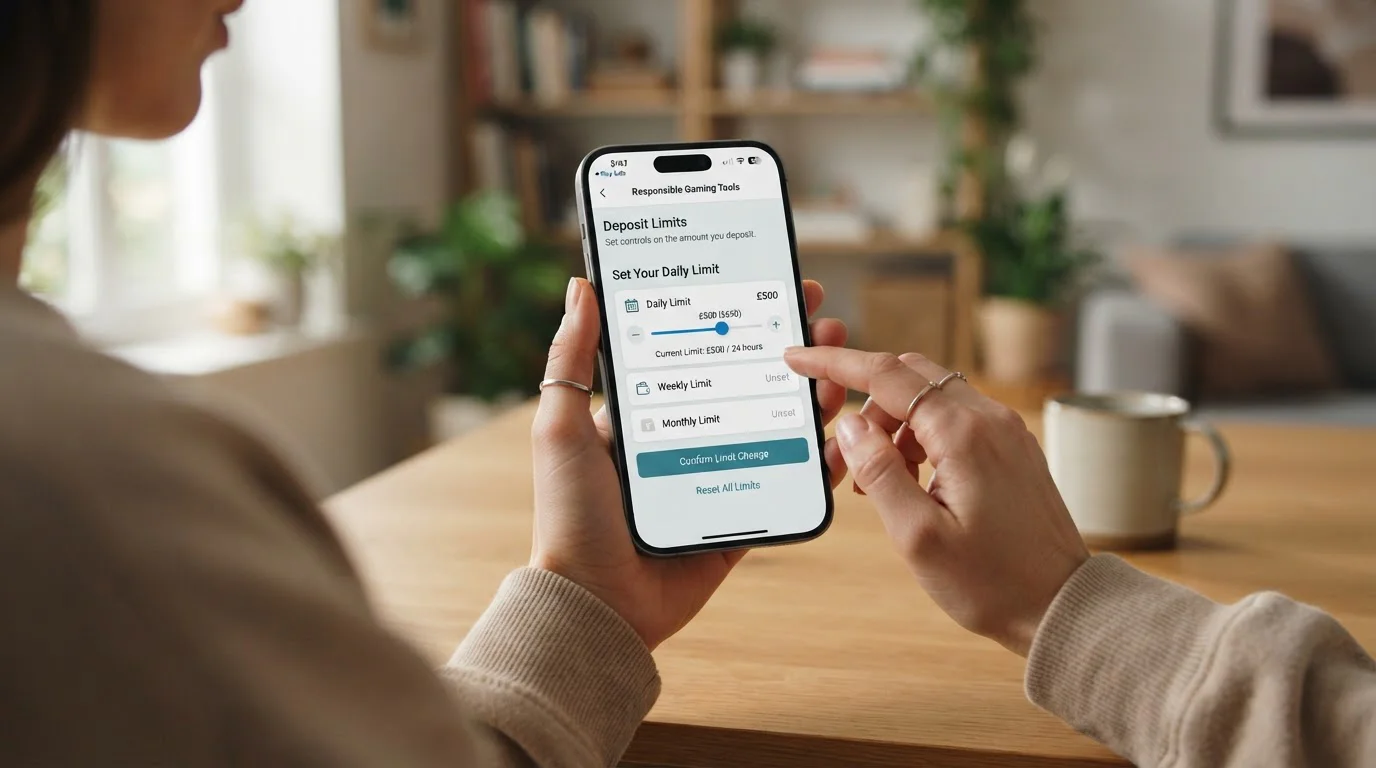
Every UKGC-licensed casino must provide deposit limits, session timers, reality checks, and self-exclusion tools as a condition of licensing. Deposit limits let you cap how much you can fund your account over a day, week, or month. Setting a limit creates a hard ceiling that the casino enforces even if you later change your mind in the heat of a session. Limits take twenty-four hours to increase, giving you a cooling-off period to reconsider impulsive decisions. Decreasing limits applies instantly.
Session timers and reality checks interrupt play at intervals you set, displaying how long you have been active and how much you have deposited or wagered. The interruption breaks momentum and forces a conscious decision to continue or stop. Self-exclusion locks your account for six months, one year, five years, or permanently. Once activated, the casino cannot reopen your account early even if you request it. GamStop extends self-exclusion across all UKGC-licensed operators, letting you block yourself from every legal UK casino with a single registration at gamstop.co.uk.
Open Banking’s instant nature makes responsible gambling tools more important, not less. The friction of waiting days for a bank transfer to clear gave you time to reconsider deposits during the clearing window. Instant funding removes that buffer. If you know you struggle with impulsive deposits, set aggressive deposit limits before you start playing. A fifty-pound weekly limit enforced by the casino is more effective than willpower alone.
The Gambling Commission publishes guidance on safer gambling at begambleaware.org. If you or someone you know is experiencing gambling harm, contact the National Gambling Helpline at 0808 8020 133 or use the live chat at gamcare.org.uk. Both services are free, confidential, and available twenty-four hours a day. Early intervention matters. Financial harm, relationship damage, and mental health impacts escalate the longer problem gambling continues unchecked. No casino win is worth that cost.
Direct banking delivers the fastest payouts and cleanest funding experience in UK online casinos, assuming you pick an operator using real-time rails instead of batch processing. Grosvenor, Paddy Power, and LeoVegas sit at the top for speed. Betfred and PricedUp Bet win on accessibility with five-pound minimums. Ladbrokes offers the cleanest welcome bonus with zero-times wagering. The seventeen-hundred-percent speed gap between fastest and slowest proves that the cashier label alone tells you nothing. Verify timeframes, test with small amounts, and withdraw when you win. The money only counts once it clears your bank account.
Casino Deposit Methods UK 2026 — Cards, E-Wallets & Bank
Content created by the «casinopay» team
