
Mobile Top Up Casino UK 2026: Which Sites Accept Phone Deposits and How It Works
 Available in US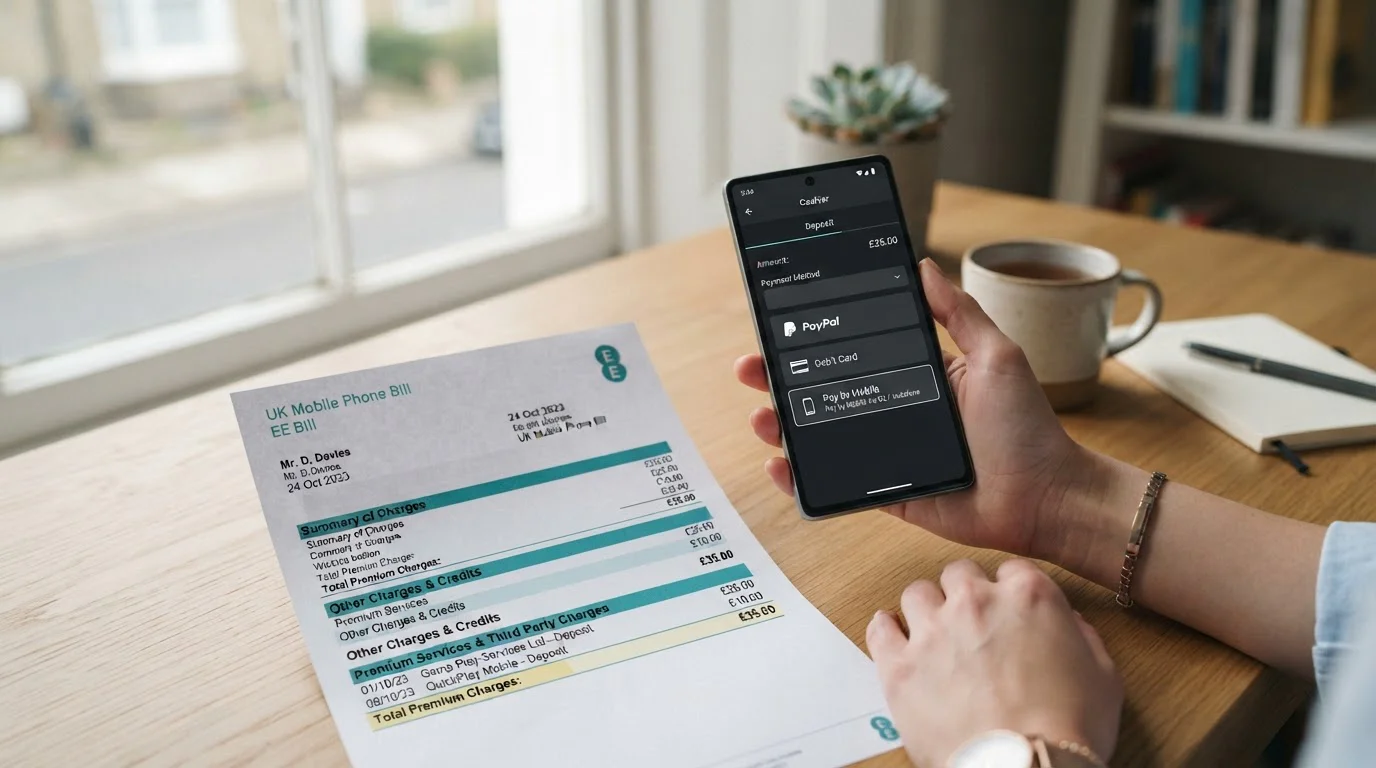
Depositing to a UK casino from your phone bill sounds frictionless until you hit the £30 daily cap, discover the withdrawal path requires a separate method anyway, and realise most operators quietly add a 15% fee on top. The payment mechanism works, but it occupies a narrow use case: small, controlled deposits for players who prefer not to share card details at the cashier. This guide maps which UKGC-licensed casinos accept mobile billing in 2026, how Boku and Fonix actually differ, what limits apply across EE, Vodafone, O2 and Three, and why troubleshooting a rejected deposit usually traces back to a network setting you did not know existed.
Best Mobile Top-Up Casinos UK 2026
Five operators stand out for mobile billing in the UK market as of 2026, each representing a different value proposition: zero-fee Fonix integration, gamified challenges, tier-one brand trust, multi-vertical breadth, or sheer game count. The table below aggregates key parameters; substantive breakdowns follow.
| Operator | UKGC License | Payment Provider | Min Deposit | Welcome Bonus | Distinguishing Feature |
|---|---|---|---|---|---|
| Oreels | 23328 (Betable) | Fonix | £10 | 100% up to £25 + 20 free spins | Zero deposit fees |
| Duelz | 048695 (SuprPlay) | Boku | £25 | 100% up to £100 + 100 FS or 140 FS | Gamified leaderboards |
| Ivy Casino | 23328 (Betable) | Boku | £20 | 25%–100% up to £50 + 20 FS | Betable quality, zero fees |
| Casino Kings | 39335 (ProgressPlay) | Boku (likely) | £20 | 100 FS or 150% up to £150 + 75 FS | 4,000+ games, multi-vertical |
| LeoVegas | Active UKGC | Boku | Variable | Varies by promo | MGM-backed, mobile-first UX |
Oreels: Zero-Fee Fonix Deposits and 100% Bonus
Oreels operates under Betable Limited, holding UKGC license 23328—an independent license rather than a white-label skin from the Jumpman or ProgressPlay networks. The casino integrates Fonix for mobile billing, and Betable is the only UK licensee that charges no deposit fee: a £10 phone-bill deposit lands as £10 in your casino balance, while most Boku integrations elsewhere trim 15% to 30% off the top. That fee structure matters when you are topping up £20 or £30 at a time. The game library sits at 1,200+ titles, weighted toward slots from Pragmatic Play, NetEnt, and Big Time Gaming, with a functional live casino section.
The welcome offer is a 100% match up to £25 on deposits of £20 or more, plus 20 free spins on Big Bass Splash with zero wagering on free-spin winnings. The bonus cap is lower than the £100–£300 ranges elsewhere, but the 10x playthrough aligns with the January 2026 UKGC wagering cap and the terms are transparent. Oreels consistently appears at the top of UK pay-by-phone rankings across multiple affiliate sources, a position earned through the fee-free model rather than game variety or brand heritage. For players who will deposit via phone billing repeatedly, the fee savings compound quickly.
Duelz: Gamified Casino with 2,000+ Games
Duelz runs under SuprPlay Limited (Malta registration C-74595), dual-licensed by the UKGC (license 048695) and the Malta Gaming Authority. The brand differentiates through gamification: leaderboard tournaments, daily missions, and a proprietary challenge system that layers competitive mechanics onto standard slot play. The game count exceeds 2,000 titles, with a strong live casino presence powered by Evolution Gaming, including exclusive Duelz-branded tables. Mobile billing is supported via Boku, with a minimum deposit of £25—higher than the £10 standard elsewhere, reflecting Duelz’s positioning as a mid-tier rather than budget-friendly option.
The welcome bonus structure offers player choice: take a 100% match up to £100 plus 100 free spins, or opt for 140 free spins on a £25 deposit with no match bonus. Both paths carry 10x wagering aligned with the 2026 UKGC cap. Ongoing promotions include 10% weekly cashback with zero wagering, a rare perk that converts directly to withdrawable funds rather than locked bonus credit. Duelz advertises withdrawals «within minutes» for e-wallets; independent verification of that claim is sparse, but the operator’s reputation for payout speed is generally positive across review aggregators. Duelz suits players who value gamified engagement over raw bonus size, and who will use Boku despite its typical fee structure.
Ivy Casino: Betable Quality with Boku Support
Ivy Casino shares UKGC license 23328 with Oreels, both operating under Betable Limited. The distinction lies in payment provider: Ivy integrates Boku rather than Fonix, yet inherits Betable’s zero-fee policy—Boku deposits at Ivy Casino cost nothing beyond the face value, a benefit confirmed across multiple sources tracking UK mobile-billing operators. The game library mirrors Oreels at 1,200+ titles, with the same slots-heavy portfolio and functional live casino. The welcome bonus is more modest: a 25% to 100% match up to £50 plus 20 free spins, with a £20 minimum deposit to qualify.
Betable’s multi-brand strategy (Oreels, Ivy Casino, Bet442) spreads operational quality across three storefronts, each targeting a slightly different segment. Ivy Casino positions as the middle ground: Boku users who want Betable’s compliance track record and zero-fee deposits without Oreels’ promotional focus on Fonix. The brand appears in Independent UK’s top-three pay-by-mobile casinos for 2026, a ranking driven by the fee-free Boku integration rather than game selection or bonus generosity. Ivy suits players already familiar with Boku who want to avoid the 15%+ fee overhead common at other Boku-accepting operators.
Casino Kings: 4,000+ Games and Multi-Vertical Platform
Casino Kings operates under ProgressPlay Limited (UKGC license 39335), a Malta-based operator running a large white-label and proprietary casino portfolio. The game library exceeds 4,000 titles, the largest among mobile-billing-focused UK casinos, spanning slots, live casino, table games, bingo, and a sportsbook—all accessible under a single account and shared wallet. Mobile billing is supported, most likely via Boku given ProgressPlay’s standard payment integrations, though the exact provider is not prominently disclosed on the cashier page. Minimum deposit is £20.
The welcome bonus rotates between promotional periods: one variant offers 100 free spins on a £20 deposit, another a 150% match up to £150 plus 75 free spins on Big Bass Bonanza. Both carry 10x wagering per the 2026 UKGC cap. An iOS app is available on the Apple App Store, a feature absent from most mobile-billing competitors who rely on mobile web. The standout negative is a 1% withdrawal fee capped at £3 per transaction—most UK-licensed competitors offer fee-free withdrawals, so that £3 per cashout stacks up for regular players. Casino Kings suits players who value breadth (games, verticals, app availability) over fee optimization, and who plan to deposit small amounts via mobile billing while using a separate method for withdrawals.
LeoVegas: Tier-1 Brand with Best-in-Class Boku Integration
LeoVegas Gaming plc, acquired by MGM Resorts International in May 2022 for $604 million, operates one of Europe’s most established mobile-first casino platforms. The brand holds a UKGC remote casino operating license (displayed on the site footer) alongside licenses from the Malta Gaming Authority, Sweden’s Spelinspektionen, and multiple EU jurisdictions. LeoVegas is a Boku case-study partner, featured on Boku’s corporate site as a reference integration, and the deposit flow reflects that: SMS confirmation is seamless, limits are displayed upfront, and the charge appears on your phone bill or prepaid balance within seconds.
The game library exceeds 2,000 titles, with exclusive LeoVegas-branded Evolution Gaming tables (LeoVegas Live Roulette, LeoVegas Live Blackjack). Welcome bonuses vary by promotional period; UK offers as of 2026 typically involve a deposit match or free-spins bundle capped at 10x wagering per UKGC rules. LeoVegas won multiple «Mobile Casino of the Year» awards between 2014 and 2020, recognition earned for product design rather than bonus generosity. The brand does not position itself as a «pay by phone casino» in marketing—mobile billing is one option among a broad payment portfolio—but the Boku integration is arguably the cleanest in the UK market. LeoVegas suits players who prioritise brand trust and product polish over zero-fee phone billing, and who view mobile top-up as a convenience feature rather than a primary deposit method.
Can I claim casino bonuses when depositing by phone bill?
Yes. Deposits made via mobile billing (Boku, Fonix, Payforit) qualify for welcome bonuses and reload promotions at UK casinos, provided the deposit meets the stated minimum. The bonus terms apply identically regardless of payment method. Withdrawals, however, cannot return to your phone bill—you will need a verified bank account, debit card, or e-wallet to cash out bonus winnings.
How Mobile Top-Up Deposits Work at UK Casinos
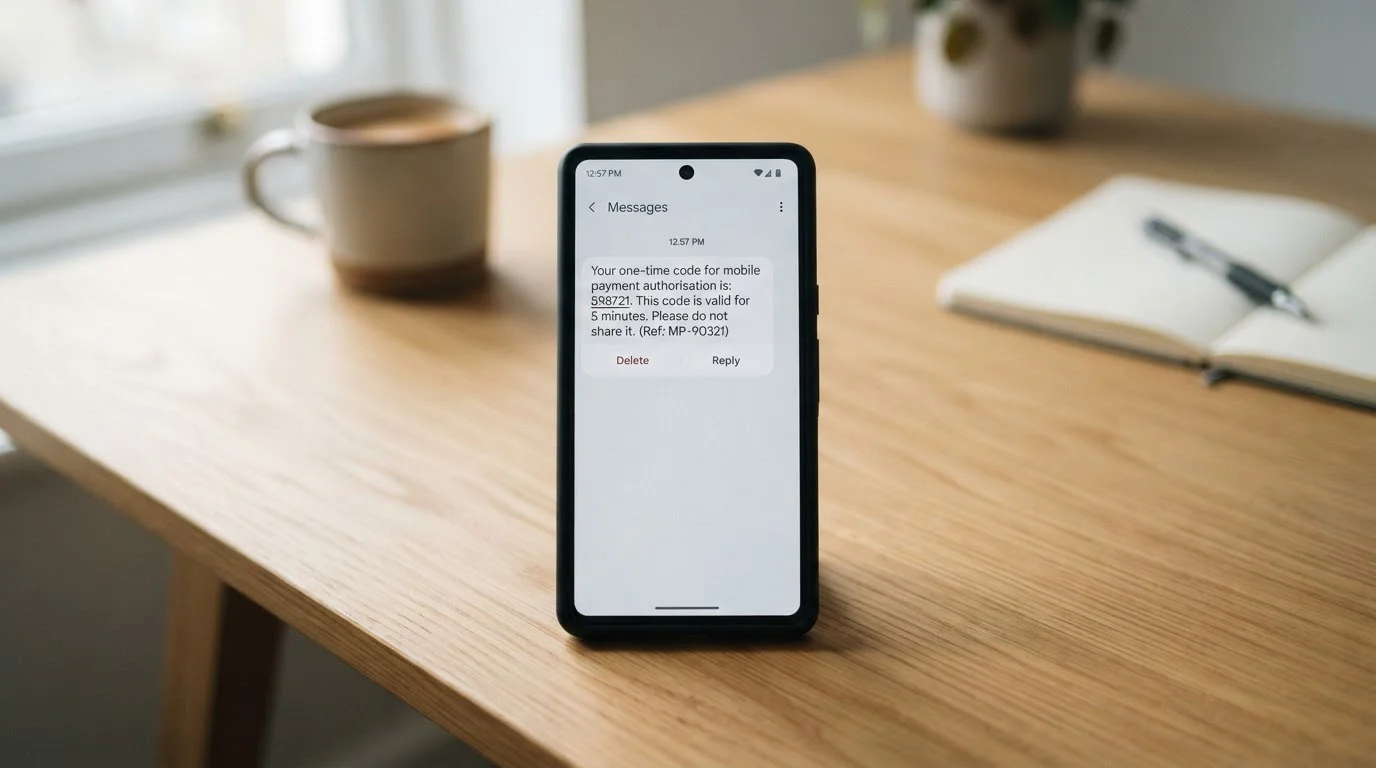
Mobile billing funnels casino deposits through your phone bill or prepaid credit rather than a card or bank account. The mechanism relies on carrier billing providers—Boku, Fonix, or the older Payforit standard—that sit between the casino and your mobile network. You authorise the transaction via SMS, the funds appear instantly in your casino balance, and the charge lands on your next monthly bill (postpaid) or deducts from your existing credit (pay-as-you-go). The casino never receives your card number or bank details; it sees only a phone number and payment confirmation from the billing provider.
Step-by-Step Deposit Process
Select «Pay by Mobile,» «Boku,» or «Fonix» at the casino cashier. Enter your UK mobile number and the amount you want to deposit—typically between £5 and £30. The billing provider sends an SMS to your phone containing a one-time confirmation code or a one-tap authorisation link. Confirm the transaction by replying with the code or tapping the link. The funds appear in your casino balance within seconds, usually before you close the confirmation screen. The charge appears on your next monthly phone bill as a premium billing line item (postpaid contracts) or immediately deducts from your pay-as-you-go credit balance (prepaid). No further action is required from you; the network handles payment to the billing provider, which settles with the casino.
Postpaid vs Prepaid: What’s the Difference?
Postpaid billing adds the casino deposit to your monthly phone bill alongside your airtime and data charges. The bill arrives 30 days after the transaction, and you pay it in one lump sum to your network (EE, Vodafone, O2, Three). This defers the actual cash outflow by up to a month, which offers short-term liquidity but no genuine spending control—you still owe the full amount. Prepaid (pay-as-you-go) billing deducts the deposit instantly from your existing mobile credit balance. If you have £15 of credit and deposit £10 to a casino, your remaining credit drops to £5 immediately. This gives real-time spending control but requires maintaining sufficient credit on your SIM; an insufficient balance causes the transaction to fail at authorisation.
Both paths hit the same cumulative monthly caps (~£200–£250) enforced by your network across all premium billing services, not just casinos. A postpaid user who spends £150 on phone-bill casino deposits in week one will hit the cap before month-end, blocking further deposits even at a different casino. The cap resets on your billing cycle date, not the calendar month.
Boku, Payforit, Fonix: Understanding the Payment Providers
Boku dominates UK casino mobile billing as of 2026, having replaced the older Payforit standard with direct network integrations throughout 2025. Payforit was the UK’s carrier billing framework managed by PhonepayPlus, operational from 2008 through Q4 2025; by late 2025 most operators migrated to Boku’s direct network connections, which handle SMS authorisation, fraud checks, and settlement without routing through Payforit’s legacy infrastructure. Boku charges casinos a transaction fee, which most operators pass on to players: a £10 deposit often results in £8.50 to £9 reaching your casino balance, a 6% to 15% haircut. Transaction limits sit at £30 per deposit, with monthly cumulative caps around £200–£250 depending on network and account history.
Fonix operates as a direct carrier billing provider in the UK market, competing with Boku on fee structure rather than market share. Betable Limited casinos (Oreels, Ivy Casino, Bet442) integrate Fonix and absorb the provider fee entirely: £10 deposited via Fonix lands as £10 in your balance, zero deduction. This fee-free model is unique to Betable’s license holders as of 2026; no other UK operator has publicly committed to absorbing Fonix fees across all transactions. Fonix’s transaction and monthly limits mirror Boku’s (£30 per transaction, ~£200–£250/month), and network coverage spans EE, Vodafone, O2, Three, plus MVNOs routing through those parent networks.
Zimpler appears in some UK casino payment menus but does not operate mobile billing (carrier billing) in the UK market as of 2026. Zimpler’s UK function is instant bank transfer via open banking, not phone-bill deposits. Several affiliate sources conflate Zimpler with mobile billing providers, but verification across Zimpler’s own documentation and UK casino cashier pages confirms the distinction: Zimpler processes bank-to-casino transfers, while Boku and Fonix process network-billed charges. If you see «Zimpler» listed at a UK casino, you are looking at a bank transfer option, not a mobile top-up path.
| Provider | Market Position (2026) | Typical Fee | Transaction Limit | Monthly Limit | Network Coverage |
|---|---|---|---|---|---|
| Boku | Dominant (replaced Payforit) | 6%–15% (operator-dependent) | £30 | £200–£250 | EE, Vodafone, O2, Three, MVNOs |
| Fonix | Niche (Betable casinos) | Zero (absorbed by operator) | £30 | £200–£250 | EE, Vodafone, O2, Three, MVNOs |
| Payforit | Legacy (phased out Q4 2025) | N/A (replaced by Boku) | N/A | N/A | N/A |
Do I need to set up a Boku account before depositing at a casino?
No. Boku transactions do not require pre-registration or an account. You provide your UK mobile number at the casino cashier, receive an SMS confirmation, and authorise the transaction directly through your network. The casino and Boku track transactions by phone number, but there is no separate Boku login or profile to manage. Fonix operates the same way.
What’s the difference between Boku, Payforit, and Fonix for casino deposits?
Boku and Fonix are direct carrier billing providers handling SMS authorisation and network settlement. Payforit was the legacy UK framework phased out in Q4 2025, now replaced by Boku direct integrations at most casinos. The key practical difference is fees: most Boku integrations deduct 6%–15% from your deposit, while Fonix at Betable casinos charges zero fees. Limits are identical across providers (£30/transaction, ~£200–£250/month).
Deposit Limits and Network Support
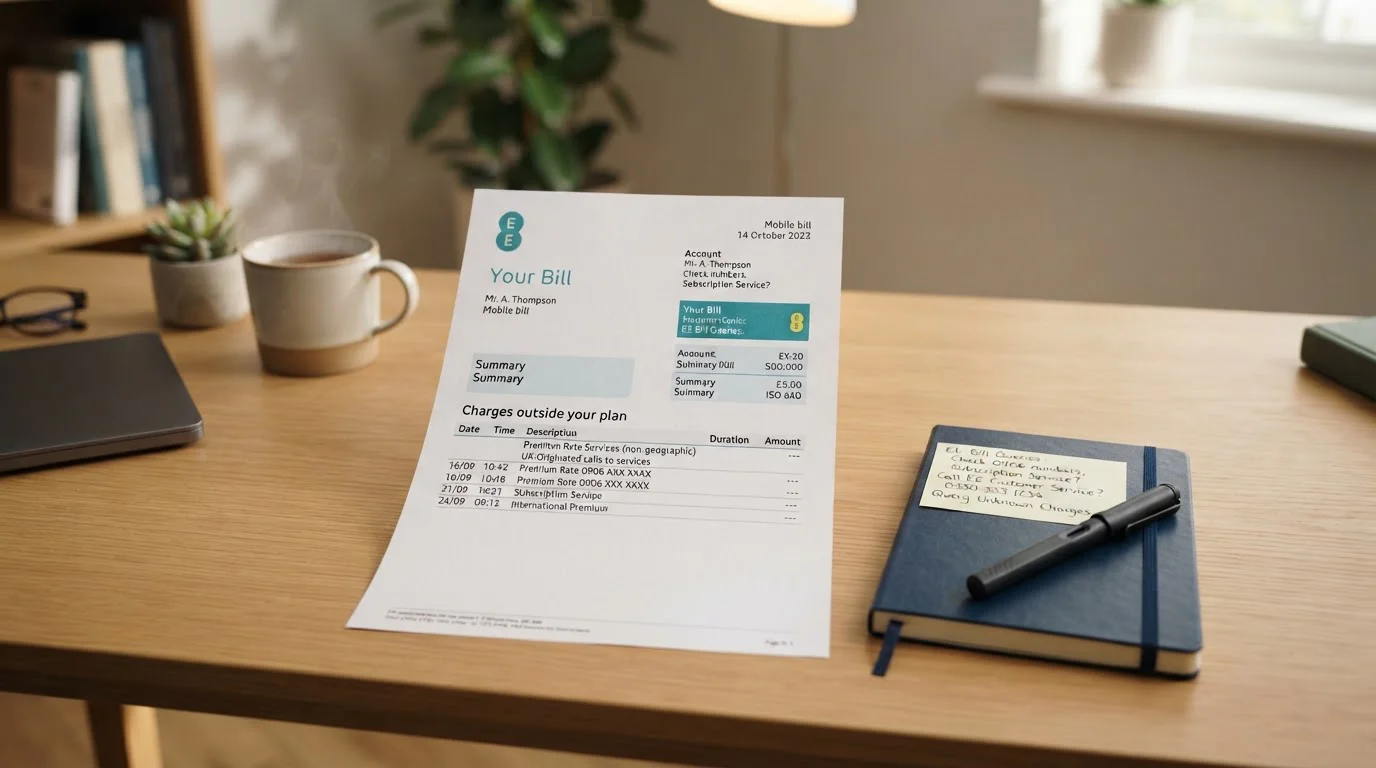
Mobile billing limits are enforced at three layers: the payment provider’s transaction cap, your network’s cumulative monthly cap across all premium billing services, and the casino’s own responsible gambling checks. Understanding which layer is blocking a transaction matters when troubleshooting a failed deposit or planning your bankroll strategy around phone billing.
Daily and Monthly Limits Explained
Boku and Fonix impose a £30 maximum per transaction at UK casinos, a cap set by the payment providers to mitigate fraud and align with responsible gambling expectations. You cannot deposit £50 or £100 in a single phone-bill transaction; the cashier will reject amounts above £30, forcing you to split large deposits into multiple £30 top-ups—each subject to the same per-transaction limit. The monthly cumulative cap sits around £200 to £250 depending on your network and account history, applied across all premium billing services on your number, not just casino deposits. If you subscribe to premium SMS alerts, donate to charity via text, or purchase app content charged to your phone bill, those transactions count toward the same monthly pool as casino deposits.
The cap resets on your billing cycle date, not the calendar first-of-month. A postpaid EE user whose billing cycle runs from the 15th of each month will see their casino deposit limit reset on the 15th, not the 1st. Prepaid users typically reset on the date they last topped up their credit. Networks do not publish these caps in account terms—you discover the limit when a transaction is declined mid-month with a generic «limit reached» message. Calling your network to raise the cap rarely succeeds; the limits are set at the network level for all premium billing and are not adjusted for individual gambling preferences.
UKGC-mandated affordability checks layer on top of payment provider and network limits. As of 2026, operators must trigger enhanced checks when a player deposits £1,000 within 90 days or £2,000 within 365 days. Mobile billing’s natural £200–£250 monthly cap keeps most phone-bill-only users well below those thresholds, effectively pre-filtering for lower-spend players. If you somehow spread £1,000 across multiple casinos via phone billing over three months, each operator tracks its own deposits separately, but GamStop and UKGC data-sharing initiatives are tightening cross-operator visibility.
Which UK Mobile Networks Support Casino Deposits
EE, Vodafone, Three, and Virgin Media O2 all support Boku and Fonix transactions for licensed UK gambling sites as of 2026. These four networks cover the overwhelming majority of UK mobile subscribers. MVNOs (mobile virtual network operators) such as giffgaff, Tesco Mobile, Sky Mobile, Lebara, and Lycamobile route through one of the four parent networks: giffgaff and Tesco Mobile use O2 infrastructure, Sky Mobile uses O2, Virgin Mobile merged with O2 to form Virgin Media O2. Premium billing capability typically inherits from the parent network, so an MVNO customer can usually deposit via mobile billing if their parent network supports it. Exceptions exist—some MVNOs disable premium billing at the account level for all customers, or restrict it to non-gambling merchants—but those restrictions are rare and not publicly documented.
5G vs 4G vs 3G makes no difference for mobile billing; the transaction runs over SMS and network billing infrastructure, not data. You can deposit via phone bill on a 3G connection or even with mobile data disabled entirely, as long as you can receive SMS. Wi-Fi-only devices without a mobile number (tablets, iPads without cellular) cannot use mobile billing regardless of network; the deposit path requires a UK mobile number tied to a postpaid or prepaid account.
Why Premium Billing Must Be Enabled
Premium billing is the network-level service that allows third-party merchants (casinos, app stores, donation platforms) to charge transactions to your phone bill or prepaid credit. Some networks disable premium billing by default on new accounts, particularly for pay-as-you-go SIMs purchased in retail without identity verification. Parental controls, if active on your account, typically block all premium billing regardless of your age. Business accounts often disable premium billing fleet-wide to prevent unauthorised purchases by employees.
You can check and enable premium billing through your network’s online account portal or by calling customer service. EE users log into My EE, navigate to «Manage my account,» and look for «Premium Services» or «Charge to Bill» settings. Vodafone users access the same via My Vodafone under «Manage services.» O2 users check My O2 under «Billing and payments.» Three users log into My3 and look under «Spend cap» and «Charge to Bill.» Enabling premium billing is immediate for most networks, though Vodafone sometimes imposes a 24-hour activation delay. If premium billing is disabled or blocked, every mobile deposit attempt will fail at SMS authorisation with a generic «transaction not permitted» error, which the casino interprets as insufficient credit or an invalid number—neither of which is the actual cause.
Which UK mobile networks support casino deposits via Boku or Fonix?
EE, Vodafone, Three, and Virgin Media O2 all support Boku and Fonix mobile billing for UK casinos. MVNOs (giffgaff, Tesco Mobile, Sky Mobile) route through their parent networks and typically inherit premium billing capability. 5G, 4G, or 3G makes no difference—the transaction runs over SMS, not mobile data.
What is the maximum deposit limit when using pay by mobile at UK casinos?
£30 per transaction, with a monthly cumulative cap of approximately £200–£250 across all premium billing services on your number. The monthly cap is set by your mobile network (EE, Vodafone, O2, Three), not by individual casinos, and applies to all premium charges including non-gambling transactions. The cap resets on your billing cycle date.
Withdrawals and Alternative Payment Methods
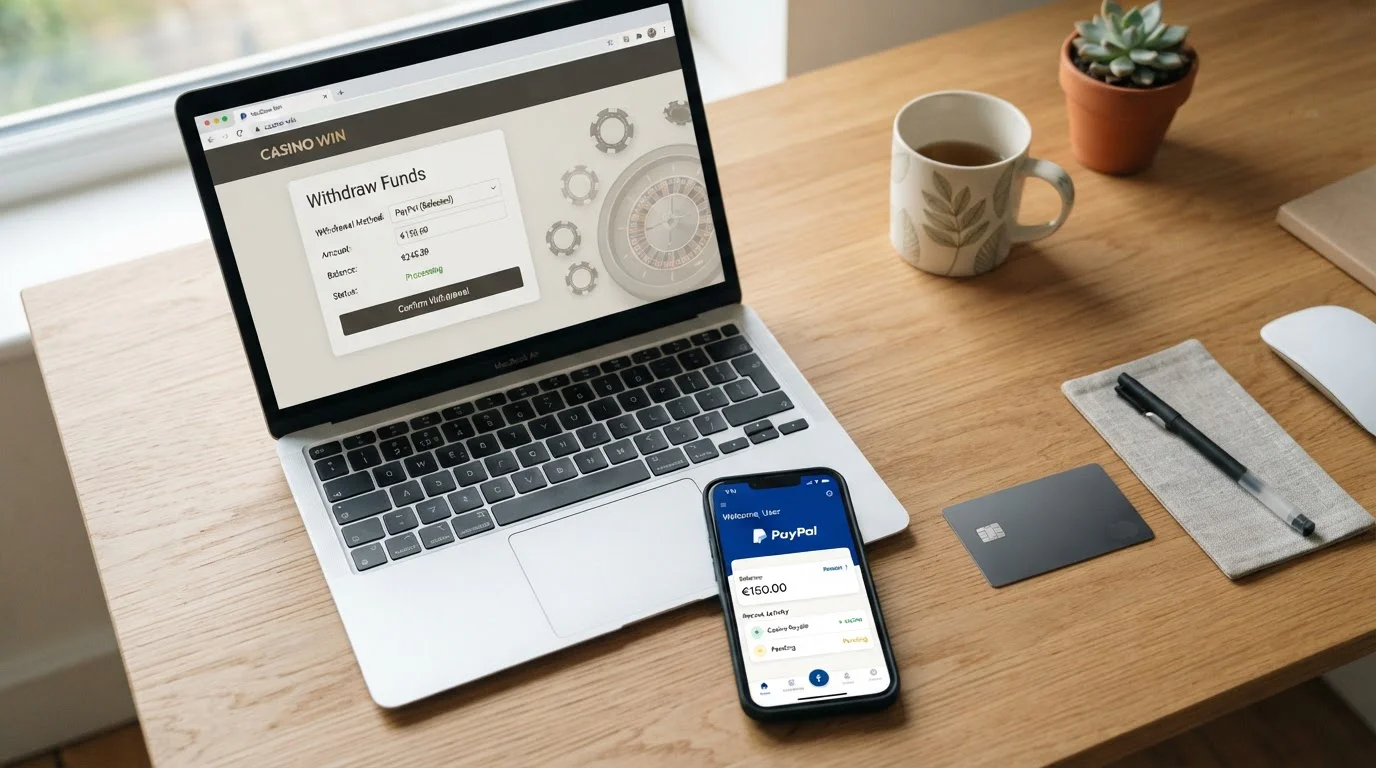
Mobile billing is a one-way street: deposits flow from your phone bill to your casino balance, but withdrawals cannot reverse that path. No UK casino can push winnings back to your mobile account because no technical mechanism exists for reverse billing, and UKGC anti-money-laundering rules require verified bank or card details for all withdrawals above a nominal threshold. That means every player using mobile billing needs a second payment method registered and verified before cashing out.
Why You Can’t Withdraw to Your Phone Bill
Carrier billing providers (Boku, Fonix) are architecturally designed for merchant-initiated charges, not consumer credits. A casino can request your network to add a £20 charge to your bill; it cannot instruct your network to credit £200 back to your account. The billing relationship runs merchant → billing provider → network → you, with no reverse path for funds to flow backward. Even if the technical infrastructure supported reverse billing, UKGC’s Licensing Conditions and Codes of Practice (LCCP) require operators to verify the source of withdrawn funds for anti-money-laundering compliance. A phone number offers no identity verification, no bank account linkage, no audit trail suitable for AML purposes. Withdrawals therefore require a verified method: a bank account tied to your name, a debit card in your name, or an e-wallet account that has passed its own KYC checks.
The practical consequence is that mobile billing suits depositing but not bankroll management. If you win £300 from a £20 phone-bill deposit, you cannot extract those winnings via the same method. You will register a debit card, link a PayPal account, or provide bank transfer details, then wait 1–7 days for the withdrawal to process depending on method and operator. The fiction that mobile billing offers «card-free gambling» collapses the moment you want to cash out. It defers card registration until withdrawal rather than eliminating it entirely.
Best Withdrawal Methods for Mobile-Deposit Players
E-wallets process fastest: PayPal, Skrill, and Neteller withdrawals at UK casinos typically complete within 1 to 3 business days, often within 24 hours for established accounts. PayPal is the most widely accepted e-wallet in the UK market as of 2026, integrated across all major UKGC-licensed operators. Skrill and Neteller remain available but carry a UKGC-imposed restriction: deposits made via Skrill or Neteller are ineligible for welcome bonuses at UK casinos, a rule introduced in 2019 to combat bonus abuse. That restriction does not apply to withdrawals—you can deposit via phone bill, claim the welcome bonus, and withdraw via Skrill without penalty.
Debit card withdrawals take 3 to 5 business days on average. The casino returns funds to the card you originally registered, which for mobile-billing-only users means registering a card specifically for withdrawals even if you never deposit with it. Visa and Mastercard debit cards are universally accepted; credit cards remain banned for UK gambling deposits and withdrawals per the April 2020 UKGC ruling, a ban reaffirmed in 2026. Bank transfer (direct to your account) takes 3 to 7 business days, the slowest method but fee-free at most operators. Instant bank transfer services like Trustly and Pay by Bank complete faster (1–3 days) but availability varies by operator.
Set up your preferred withdrawal method before making your first phone-bill deposit. UKGC identity verification (uploading a photo ID, proof of address, sometimes a bank statement) must complete before your first withdrawal, a process that can take 24 to 72 hours depending on operator responsiveness. If you deposit £20 via phone bill, win £200, and then start the verification process, your withdrawal sits in pending status for up to three days while compliance reviews your documents. Registering and verifying an e-wallet or card upfront reduces that friction.
Can I withdraw winnings back to my phone bill at UK casinos?
No. Mobile billing is deposit-only. Withdrawals require a verified debit card, bank account, or e-wallet (PayPal, Skrill, Neteller). You will need to register one of these methods before cashing out, even if you deposited exclusively via phone bill. Processing times range from 1–3 days for e-wallets to 3–7 days for bank transfers.
Pros and Cons of Mobile Top-Up Deposits
Mobile billing occupies a niche defined by convenience for small deposits and built-in spending control, traded against fees, low limits, and the absence of a withdrawal path. Whether those trade-offs align with your play style depends on how often you deposit, how much you deposit per session, and whether you value anonymity from card issuers or simply want frictionless top-ups.
Advantages: Speed, Privacy, Budget Control
Deposits are instant. SMS confirmation arrives within seconds of entering your phone number, you tap or reply to authorise, and the funds appear in your casino balance before you navigate away from the cashier. No typing a 16-digit card number, no waiting for a bank transfer to clear, no two-factor authentication dance with your card issuer. For players topping up £10 or £20 mid-session, that speed eliminates friction.
Privacy from financial institutions. Your bank and card issuer never see a casino transaction on your statement because the casino charge appears on your phone bill instead, listed as a premium billing item or under the billing provider’s name (Boku, Fonix). This matters less for regulatory reasons—UK casinos are legal and transactions are not flagged—and more for personal discretion. A shared bank account, a workplace expense report, or simply a preference not to have gambling charges on the same statement as groceries and rent all favour mobile billing’s separation of payment streams.
Built-in spending control. The £30 transaction cap and £200–£250 monthly limit act as a hard ceiling on phone-bill gambling spend, enforced at the network level before it reaches the casino. Players prone to chasing losses during a session cannot deposit £500 on impulse via mobile billing; they hit the wall at £30 and must wait until the next transaction window opens. That ceiling is not a substitute for responsible gambling tools (deposit limits, self-exclusion, reality checks), but it provides a mechanical brake that cards and e-wallets lack. A debit card linked to a £5,000 balance can fund a £1,000 tilt session in minutes; a phone bill cannot.
No card details shared with the casino. The operator receives your phone number and a payment confirmation from Boku or Fonix, never your card number, CVV, or bank details. This reduces your exposure in the event of a casino data breach or payment processor compromise. That advantage shrinks the moment you register a card or bank account for withdrawals, which you will, but it holds for the deposit side of the transaction.
Disadvantages: Fees, Low Limits, No Withdrawals
Fees erode deposit value at most operators. A £10 Boku deposit at a typical UK casino lands as £8.50 to £9 in your balance, a 6% to 15% deduction that compounds with every top-up. Deposit £100 across ten £10 transactions and you have paid £10 to £15 in fees, equivalent to 10–15% of your starting bankroll. Betable casinos (Oreels, Ivy Casino) absorb those fees entirely, but Betable’s market share is small. Most mobile-billing users pay the fee without realising it because the casino displays the net amount («£8.50 credited») rather than breaking out the fee as a separate line item.
Low limits constrain bankroll flexibility. A £30 transaction cap means a £100 starting bankroll requires four separate deposits, each approved via SMS. A £250 monthly cap across all premium billing means mid-month lockouts are common for regular players. Compare that to debit cards (often £5,000+ daily limits) or e-wallets (functionally unlimited within your account balance), and mobile billing’s ceiling becomes the defining constraint. Players who want to deposit £50, £100, or £500 upfront cannot do so via phone bill; they split it across multiple days or switch to another method.
No withdrawal path, as covered earlier. Every mobile-billing user needs a second method for cashouts, eliminating the «card-free» proposition entirely by the time you want to collect winnings. The method works for deposits but not bankroll management.
Monthly caps aggregate across all premium billing. If you donate £50 to charity via SMS in week one, subscribe to a £10/month premium SMS alert, and spend £150 on casino deposits, you have consumed £210 of your ~£250 monthly premium billing budget. Week four’s casino deposit attempt fails not because of gambling limits but because non-gambling premium charges ate into the same cap. Networks do not separate gambling from other premium billing; it all counts toward one cumulative limit.
Is pay by mobile safe for online casino deposits in the UK?
Yes. UKGC-licensed casinos using Boku or Fonix must meet the same security, data protection, and responsible gambling standards as casinos accepting cards or e-wallets. The payment provider handles your transaction via encrypted SMS, and the casino never receives your card or bank details. The main risk is overspending due to low visibility—phone-bill charges appear 30 days later for postpaid users, which can obscure real-time spend tracking.
Slots and Game Selection at Mobile Billing Casinos
Slots dominate game portfolios at mobile-billing-focused casinos, reflecting both the demographics of phone-bill users (casual players favouring accessibility over high-stakes table games) and the operational reality that slots generate higher revenue per square pixel of mobile screen real estate than blackjack or roulette. Every casino reviewed above offers 1,200 to 4,000+ slot titles, with live casino and table games available but positioned as secondary verticals. Payment method does not restrict game access—a Boku deposit unlocks the same library as a card deposit—but the casinos attracting mobile-billing players tend to lean slots-heavy by design.
Pragmatic Play, NetEnt, and Big Time Gaming appear across all five operators, supplying the recognisable hits (Big Bass Bonanza, Starburst, Gonzo’s Quest, Bonanza Megaways) that casual players search for by name. Proprietary and exclusive content is rare at mobile-billing-focused casinos; LeoVegas has exclusive Evolution Gaming tables, but Oreels, Duelz, Ivy Casino, and Casino Kings aggregate third-party studios without exclusivity deals. That breadth-over-exclusivity model suits players who want variety without loyalty to a specific studio or title.
Progressive jackpots at mobile-billing casinos typically cap entry stakes at levels incompatible with £30 deposit limits. Mega Moolah, for instance, recommends £0.25 to £6.25 per spin depending on variance tolerance; a £20 phone-bill deposit funds 3 to 80 spins before you are back at the cashier. The mechanical fit between mobile billing’s low deposit ceiling and jackpot slots’ high-variance, long-session structure is poor. Players chasing six- or seven-figure progressive pots generally deposit £100, £500, or more upfront via card or bank transfer, not £20 via phone bill.
Troubleshooting: Why Mobile Deposits Fail
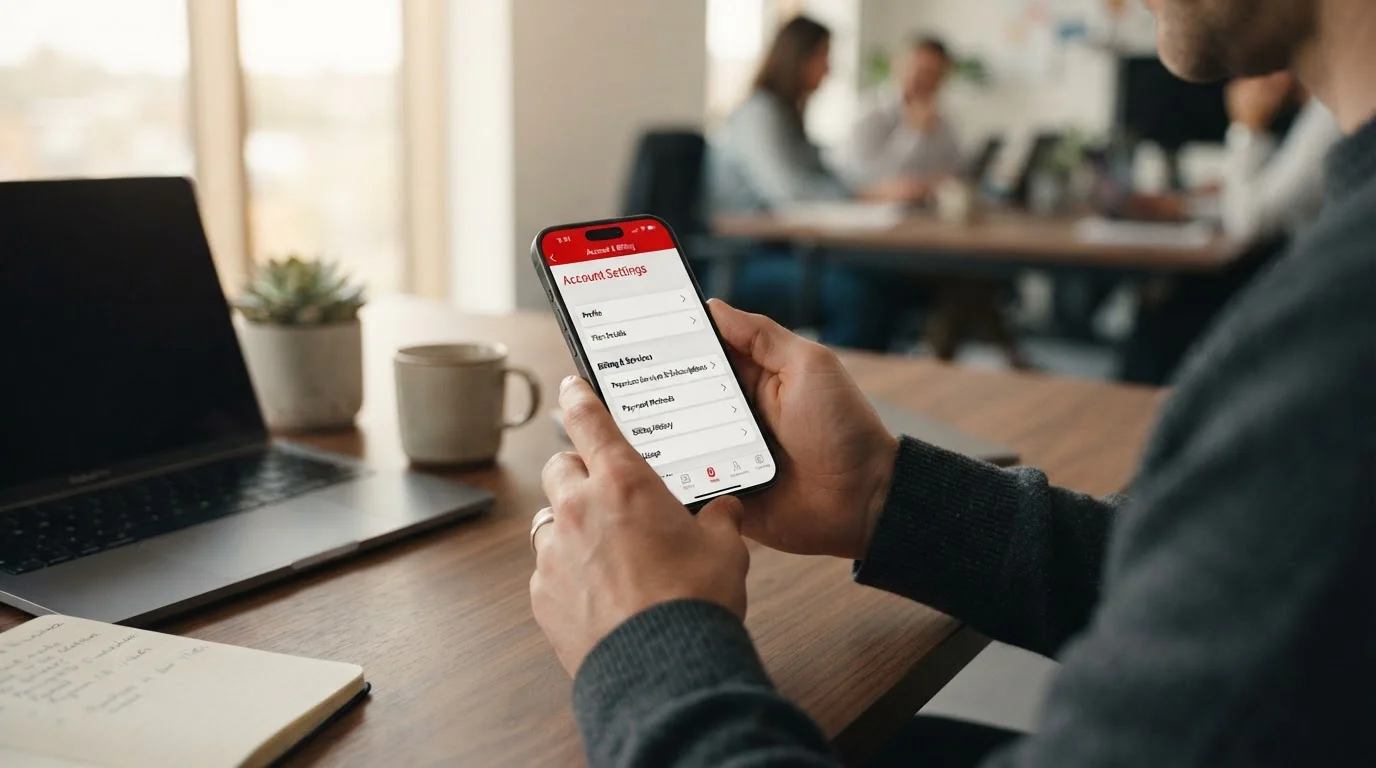
Premium billing rejections at UK casinos trace to five common causes, four of which sit at the network level rather than the casino. The error messages displayed on screen rarely diagnose the actual failure point, so systematically ruling out network-side blocks saves hours of frustration and fruitless contact with casino support.
Common Rejection Reasons
Premium billing is disabled on your account. Check your network’s online portal (My EE, My Vodafone, My O2, My3) under billing settings or premium services. If the toggle is off or the section is missing, call customer service and request premium billing activation. Some networks enable it immediately; Vodafone imposes a 24-hour delay. Parental controls block premium billing regardless of toggle state—if parental controls are active, disable them or remove the restriction from the account holder’s side.
Monthly cap already reached. You hit your network’s £200–£250 cumulative premium billing limit earlier in the billing cycle. Casino deposits, premium SMS subscriptions, charity donations, and app purchases all count toward the same cap. Log into your network account and check recent charges under «Premium services» or «Charge to bill.» If the cumulative total approaches £200–£250, the cap is blocking further transactions. Wait until your billing cycle resets (postpaid) or until you top up additional credit (prepaid).
Insufficient prepaid credit. Pay-as-you-go users need available credit equal to or greater than the deposit amount. A £25 deposit attempt on a SIM with £15 credit fails at authorisation. Top up your SIM before retrying the deposit. Postpaid users never encounter this failure mode—credit availability does not apply to contract billing.
Network experiencing technical issues. Boku and Fonix route authorisation requests through your network’s premium billing gateway. If that gateway is down, overloaded, or undergoing maintenance, every mobile deposit attempt fails network-wide regardless of casino. Check your network’s status page (EE Status, Vodafone Network Status, O2 Service Status, Three Status) or search Twitter for «[network name] premium billing down.» Network-side outages resolve within hours; retrying at the casino accomplishes nothing until the network gateway comes back online.
Casino or payment provider blocking your number. Rare, but possible if your number flagged for fraud, chargebacks, or prior disputes. Contact the casino’s support team and provide your mobile number; they can check whether Boku or Fonix has blacklisted it. If blacklisted, you will need to use a different payment method; reversing a payment-provider block requires proving the flagging was erroneous, a process that takes days and rarely succeeds.
How to Enable Premium Billing
EE: Log into My EE app or website → Manage my account → Premium services or Charge to bill → Enable. Immediate activation.
Vodafone: My Vodafone app or website → Manage services → Premium billing → Enable. Activation within 24 hours.
O2: My O2 app or website → Billing and payments → Spend cap or Charge to bill → Enable. Immediate activation.
Three: My3 app or website → Spend cap → Charge to bill → Enable. Immediate activation.
If you do not see a premium billing toggle in the settings, call your network’s customer service line and request it verbally. Some business accounts and MVNO plans disable premium billing at the account type level, not the individual level; in those cases, enabling it may require switching to a consumer plan or changing provider.
Monthly Cap Reached: What to Do
Wait. The cap resets on your billing cycle date (postpaid) or when you next top up credit (prepaid). You cannot raise the cap by calling customer service; networks set premium billing limits fleet-wide and do not adjust them for gambling or other specific use cases. If you need to deposit beyond the £200–£250 monthly cap, switch to a debit card, e-wallet, or bank transfer for the remainder of the month. Mobile billing’s ceiling is hard.
Why is my mobile casino deposit not working / being declined?
Check four things in this order: (1) Is premium billing enabled on your network account? (2) Have you reached your ~£250 monthly premium billing cap? (3) Do you have sufficient prepaid credit (PAYG users only)? (4) Is your network’s premium billing gateway operational (check status page)? Most rejections trace to (1) or (2). If all four check out, contact casino support—the issue may be a payment-provider block on your number.
Can I use pay by mobile at a casino if I’m on a prepaid / pay-as-you-go plan?
Yes. Prepaid (PAYG) users can deposit via mobile billing as long as they have sufficient credit on their SIM. A £10 deposit requires at least £10 of available credit; the charge deducts instantly. Premium billing must be enabled on your account (some PAYG SIMs ship with it disabled). Monthly cumulative caps (~£200–£250) apply to prepaid users identically to postpaid users.
UKGC Licensing and Player Protection

UKGC licensing constrains every mobile-billing casino operating in the UK market, imposing uniform standards for identity verification, responsible gambling tools, dispute resolution, and fund segregation regardless of payment method. The choice to deposit via Boku or Fonix rather than a debit card does not alter the operator’s compliance obligations or the protections available to you under UK law.
What UKGC Licensing Means for Mobile Deposit Users
Every operator reviewed in this guide holds an active UKGC remote casino operating license, publicly verifiable on the Gambling Commission’s register. That license mandates segregation of player funds (your deposits sit in client accounts separate from the operator’s business funds), access to the Independent Betting Adjudication Service (IBAS) for dispute resolution, and adherence to the Licensing Conditions and Codes of Practice (LCCP) governing advertising, bonus terms, and responsible gambling. The UKGC does not issue separate licenses for mobile-billing casinos versus card-accepting casinos; a single license covers all payment methods an operator integrates.
Mobile-billing players benefit from the same self-exclusion tools as other depositors: GamStop (UK-wide self-exclusion across all UKGC operators for 6 months, 1 year, or 5 years), Gamban (app-based blocking software), and operator-level deposit limits, loss limits, session timers, and reality checks. If you self-exclude via GamStop, your exclusion applies across all deposit methods—you cannot bypass it by switching from card to phone billing. Account registration requires identity verification (photo ID, proof of address) before your first withdrawal; UKGC rules as of 2026 tighten that verification to occur within 72 hours of account opening, well before most players reach withdrawal stage.
Fund protection under UKGC licensing is stronger than MGA or Curacao alternatives. If a UKGC-licensed operator enters administration (bankruptcy), player funds in segregated client accounts are returned to players before creditors, up to the full balance. That protection does not extend to bonus credit or pending wager requirements, but it covers deposited funds and withdrawable winnings. Mobile-billing deposits receive identical fund segregation as card or e-wallet deposits—there is no tiered protection based on payment method.
2026 Regulatory Changes: 10x Wagering Cap, Affordability Checks
January 2026 reforms introduced a 10x maximum wagering requirement on all bonuses at UKGC-licensed casinos, down from the 35x to 50x terms common before the cap. A 100% match bonus up to £100 now carries 10x playthrough on the bonus amount (£1,000 wagering) rather than 35x (£3,500 wagering), significantly reducing the time and risk required to convert bonus credit into withdrawable cash. Every operator reviewed in this guide complies with the 10x cap; bonuses advertised with higher playthrough either predate the reform (outdated promotional copy) or apply to non-UK markets and should not appear on a UK-facing site.
Affordability checks tightened under 2026 UKGC guidance. Operators must now trigger enhanced due diligence when a player deposits £1,000 within 90 days or £2,000 within 365 days. That due diligence can include requests for bank statements, payslips, or tax returns to verify the player can afford the level of spend without financial harm. Mobile billing’s £250 monthly cap means most phone-bill-only users remain below the £1,000/90-day threshold indefinitely; a player depositing the maximum £250/month for three consecutive months hits £750, still under the trigger point. Multi-method users who deposit £500 via card and £500 via phone bill within 90 days will trigger the check. The check applies per operator, not across all UK casinos, though UKGC data-sharing initiatives are moving toward cross-operator spend visibility.
The credit card ban, introduced in April 2020 and reaffirmed in 2026, prohibits UK casinos from accepting credit card deposits or withdrawals. Debit cards, prepaid cards, charge cards, and mobile billing remain legal. The ban aims to prevent players gambling with borrowed money; mobile billing, though technically a form of delayed payment for postpaid users, is not classified as credit under the ban because it charges against an existing phone contract rather than a revolving credit line.
SMS Deposits and Legacy Payment Methods

SMS deposits, distinct from SMS-authorised mobile billing, functioned as a direct-charge mechanism where texting a command word to a short code triggered a premium SMS charge and credited your casino account. That flow existed in the UK market pre-2015 but has been defunct for nearly a decade, replaced by Payforit and then Boku. Affiliate content occasionally references «SMS casino deposits» as though they remain operational; they do not. The SMS component in modern mobile billing is confirmation only—you receive a one-time code or link via SMS to authorise a Boku or Fonix transaction, but the actual charge routes through premium billing, not a premium SMS.
Payforit, the legacy UK carrier billing standard, was the dominant framework from 2008 through 2024. By Q4 2025, most operators had migrated to Boku’s direct network integrations, which handle fraud detection, transaction routing, and settlement without the PhonepayPlus intermediary layer Payforit required. A handful of smaller UK casinos may still display «Payforit» at the cashier as of 2026, but clicking through typically redirects to Boku or Fonix under the hood. Payforit as a standalone ecosystem has effectively sunset; Boku absorbed its transaction volume across EE, Vodafone, O2, and Three.
The shift from Payforit to Boku introduced no visible change for end users—the deposit flow remains the same (enter number, receive SMS, confirm, charge lands on bill)—but operators gained tighter fraud controls and faster settlement cycles. For players, the only meaningful legacy is the term itself: «pay by Payforit» still appears in older affiliate guides and operator FAQs written pre-2025, creating confusion about whether Payforit is a payment provider (it was a standard, not a provider) or a brand name for mobile billing (it was never a brand). When you see «Payforit» on a UK casino site in 2026, read it as «mobile billing via Boku or Fonix» rather than a distinct payment method.
Casino Deposit Methods UK 2026 — Cards, E-Wallets & Bank
Content created by the «casinopay» team
