
Pay by Mobile Casinos UK 2026: Which Licensed Sites Accept Phone Deposits?
 Available in US
Depositing via phone bill sounds convenient until you hit the £240 monthly cap three weeks in. Or discover you need a separate withdrawal method anyway. Or find your £10 deposit credited as £9.70 because the operator pocketed a fee.
Pay-by-mobile casino deposits work, but they come with constraints that affiliate guides quietly skip. This breakdown covers which UK-licensed casinos accept phone billing in 2026, how Boku and Zimpler actually differ, what the real limits are, and why you cannot cash out the same way you paid in. Ten operators reviewed, three payment providers explained, four major networks confirmed compatible — plus the honest answer to whether this method suits your play style or just creates more friction.
All operators listed hold current UK Gambling Commission remote casino licences. Verification is straightforward: every licence number links directly to the UKGC public register at gamblingcommission.gov.uk.
Top 10 Pay by Mobile Casinos UK 2026
These ten operators accept Boku or Zimpler deposits, hold active UKGC licences, and cover the spectrum from zero-fee platforms to high-volume white-labels. Ranked by deposit-fee transparency and withdrawal speed, not promotional hype.
| Casino | UKGC Licence | Deposit Fees | Withdrawal Speed | Payment Provider | Key Feature |
|---|---|---|---|---|---|
| O’Reels | 23328 | £0 | 1–3 hours | Boku | Zero deposit fees (£10 = £10) |
| Duelz | 48695 | Standard | 1–3 hours | Boku/Zimpler | 2,200+ games, gamification |
| Ivy Casino | 23328 | £0 | 1–3 hours | Boku | Zero deposit fees (£10 = £10) |
| Monster Casino | 39335 | Standard | 1–3 days | Boku | 4,000+ games, casino/sports/bingo |
| Casino Kings | 39335 | Standard + 1% withdrawal fee | 1–3 days | Boku/Zimpler | Decade-long trading history |
| Rose Casino | 23328 | £0 | 1–3 hours | Boku | Zero deposit fees (£10 = £10) |
| Great Britain Casino | 39175 | Standard | 1–3 days | Boku/Fonix | Jumpman network (40+ brands) |
| Spinzwin | 39335 | Standard | 1–3 days | Boku/Zimpler | Casino/sports/bingo hybrid |
| Betrino | 39335 | Standard | 1–3 days | Boku/Zimpler | Launched 2020, sports focus |
| Space Wins | 39175 | Standard | 1–3 days | Boku/Fonix | Newest (2025), Jumpman platform |
Standard deposit fees: £0.30–£0.50 per transaction or 1–2.5% of deposit amount, depending on operator. Betable Limited brands (UKGC 23328) charge zero fees across the board — a £10 deposit credits exactly £10, not £9.70. That difference compounds over fifty deposits.
O’Reels Casino
The lead horse in the zero-fee stable. O’Reels operates under Betable Limited (UKGC licence 23328), a Manchester-based outfit that deliberately undercuts the ProgressPlay and Jumpman white-labels by eating deposit fees. A £10 Boku transaction credits exactly £10 — no rounding, no small print. The 1,000+ game library pulls from Evolution, Pragmatic Play Live, and Ezugi, covering live casino and slots without bloating into the 5,000-title nonsense that buries usability under clutter.
Launched under Betable’s clean regulatory record (no UKGC fines, no enforcement actions), O’Reels markets itself on speed: 1–3 hour e-wallet withdrawals, instant phone-bill deposits, no withdrawal fees. The claim holds in practice. Grace Media (Gibraltar) Limited supplies the software under a separate UKGC licence (57869), splitting operational and platform responsibilities in a way that keeps the regulatory surface clean. Ranked first by paybyphonecasino.co.uk specifically for the zero-fee policy — a positioning that matters when fifty £10 deposits at a fee-charging competitor would cost you £15–£25 in cumulative friction.
Duelz
SuprPlay Limited’s gamification flagship, licensed under UKGC 48695 since 2018. Duelz runs 2,200+ titles from NetEnt, Microgaming, Pragmatic Play, Evolution, Play’n GO, and Big Time Gaming — heavier on progressive jackpots than most phone-bill casinos, which typically lean slots-only. The distinguishing feature is the levelling system: achievements, daily challenges, leaderboards, all the trappings of a loyalty programme without calling it one. Players either love the progression hooks or find them patronising. No middle ground.
Malta-registered (C-74595, Swieqi), with sister sites VoodooDreams and NYSpins under the same operator. Withdrawal speeds hit 1–3 hours for e-wallets when verification clears, putting Duelz in the fast-payout tier alongside Betable brands. Boku and Zimpler both supported, though Zimpler’s £40-per-transaction ceiling (versus Boku’s £30) makes little practical difference when monthly caps sit at £240–£400 regardless of provider. The Independent ranked Duelz in its top three pay-by-mobile casinos for 2026 — a nod to the game count and the withdrawal speed, not the gamification gimmicks.
Ivy Casino
Betable’s 2024 launch, positioned as the «elegant» alternative to O’Reels’ more playful branding. Same operator (UKGC 23328), same zero-fee deposit policy, same 1–3 hour e-wallet withdrawals, same Manchester base. The 800–1,000 game library is smaller than O’Reels’ but curated toward table games and live casino over slot volume. Evolution and Ezugi power the live dealer section; the rest is NetEnt and Pragmatic Play staples.
Ivy markets to players «frustrated by traditional five-day payout windows,» per its own positioning — a direct jab at the ProgressPlay brands that still quote 3–5 business days for card withdrawals. The bet is that speed and zero fees matter more than a bloated game count. SSL encryption, UKGC-mandated player protections, and segregated funds are table stakes, not selling points. Launched mid-2024, so the track record spans months, not years. But the Betable licence (clean since inception) and the zero-fee structure put Ivy in the shortlist for cost-conscious players who deposit frequently enough that per-transaction fees become material.
Monster Casino
ProgressPlay Limited’s volume play: 4,000+ games, integrated sportsbook, bingo, all under UKGC licence 39335. Launched 2014, giving it a decade of trading history — longer than most phone-bill operators. The downside: ProgressPlay was fined £1 million by the UKGC in 2025 for AML and responsible gambling failures. The licence remains active (the fine addressed compliance gaps, not fraud), but the enforcement action sits in the public record.
Malta-registered (C58305, St. Julians), Monster accepts Boku deposits (£10–£30 per transaction) with standard deposit fees (typically £0.30–£0.50 per transaction). Withdrawals take 1–3 business days for cards, faster for e-wallets if verification clears quickly. The game library is broad but not curated: 4,000 titles means scrolling through filler to reach the Evolution live tables or the Pragmatic Play slots that actually see play. Monster’s appeal is consolidation — casino, sports, bingo in one account — not speed or cost efficiency. Players who need a sportsbook alongside their slots will tolerate the deposit fees and slower payouts. Those chasing zero-fee deposits or 1-hour withdrawals should look at Betable brands instead.
Casino Kings
Another ProgressPlay Limited brand (UKGC 39335), launched 2014, with the same £1 million fine hanging over the operator group. Casino Kings runs the same 4,000+ game library as Monster but skews slightly more toward sports betting — the welcome offer typically targets sportsbook deposits, not casino. The material difference is the 1% withdrawal fee, capped at £3 per transaction. Most competitors charge nothing for withdrawals; Casino Kings’ 1% rake is a quiet cost that Betable brands explicitly avoid.
Accepts Boku and Zimpler, with standard deposit fees (not zero). Withdrawal speeds sit at 1–3 business days for cards, potentially faster for e-wallets. The casino.online review flagged the 1% withdrawal fee as a negative differentiator — accurate, given that O’Reels, Ivy, and Rose charge zero for both deposits and withdrawals. Casino Kings’ decade of operation (since 2014) provides stability, but the fee structure penalises frequent withdrawals. If you cash out weekly, that 1% compounds quickly. If you deposit via phone bill and withdraw once a month, the impact is limited. Know which player you are before committing.
Rose Casino
The third Betable Limited entry (UKGC 23328), launched somewhere between 2023 and 2025 depending on which source you trust. Newest sources say 2025. Same zero-fee deposit policy (£10 = £10), same Manchester operator, same 1–3 hour e-wallet withdrawals, same clean regulatory record. The 1,000+ game library mirrors Ivy’s — smaller than ProgressPlay’s 4,000-title sprawl, focused on Evolution live casino, Pragmatic Play slots, and NetEnt classics.
Rose’s brand identity leans feminine (rose theme, elegant design), but the back-end is identical to O’Reels and Ivy: Betable operates the licence, Grace Media (Gibraltar) provides the software under UKGC licence 57869. The mobile-first design works cleanly on phones — relevant for a payment method that literally requires a mobile device. Rose appears in the Standard’s October 2026 top-10 pay-by-mobile list, though the ranking criteria remain opaque. The zero-fee policy is the draw. If you’re choosing between Rose, Ivy, and O’Reels, the decision comes down to which interface you find less annoying.
Great Britain Casino
Jumpman Gaming Limited’s UK-themed skin (UKGC licence 39175), one of 40+ brands running on the same white-label platform. The 1,400+ game library (Pragmatic Play, NetEnt, Play’n GO, Evolution) is identical across the entire Jumpman network — Space Wins, Mega Casino, and dozens of others share the same back-end, differentiated only by branding and welcome offers. Accepts Boku and Fonix deposits (£10–£40), with standard deposit fees.
Withdrawal speeds sit at 1–3 business days, slower than Betable brands but typical for white-labels. Jumpman holds a clean UKGC record (no fines as of 2026), and the Alderney framework covers non-GB customers. The UK-themed branding (Union Jack motifs, «Great Britain» naming) appeals to patriotic sentiment without adding functional value. If you’re already on the Jumpman platform at another brand, switching to Great Britain Casino changes nothing except the logo. If you’re choosing a pay-by-mobile casino for the first time, the zero-fee Betable brands offer better cost efficiency.
Spinzwin
ProgressPlay’s 2016 launch (UKGC 39335), combining casino, sports, and bingo under one account. The 850–2,500 game count varies by source; conservative estimates sit at 850+ verified titles. Same operator as Monster and Casino Kings, same £1 million UKGC fine in 2025, same Malta registration. Accepts Boku and Zimpler, standard deposit fees, 1–3 business day withdrawals.
Spinzwin’s appeal is the hybrid model — sports bettors who also play slots can consolidate accounts. The game library is smaller than Monster’s 4,000+ but cleaner: less filler, more curated picks from Evolution, NetEnt Live, and Ezugi. Some affiliate sites claim Spinzwin is «part of the Wildz Group,» but the UKGC licence sits with ProgressPlay Limited, not Rootz (Wildz’s parent). The confusion stems from platform similarities, not actual ownership. If you need a sportsbook and pay-by-mobile casino in one place, Spinzwin works. If you only play casino and want zero deposit fees, Betable brands are cheaper.
Betrino
ProgressPlay’s 2020 entry (UKGC 39335), skewed toward sports betting with an integrated casino. The 4,000+ game library matches Monster and Casino Kings — all three run on the same ProgressPlay white-label platform. The «Bet £10 Get £10» sports welcome offer targets bettors, not pure casino players. Accepts Boku and Zimpler, standard deposit fees, 1–3 business day withdrawals.
Launched 2020, giving Betrino a four-year track record — newer than Monster (2014) or Casino Kings (2014), but established enough to have weathered the 2025 UKGC fine that hit the entire ProgressPlay group. The sports focus differentiates Betrino from casino-only operators, but the deposit fees and withdrawal speeds remain industry standard (not competitive with Betable’s zero fees and 1-hour payouts). Choose Betrino if you want sports betting alongside your phone-bill deposits. Choose O’Reels or Ivy if you want lower costs.
Space Wins
Jumpman Gaming’s 2025 launch (UKGC licence 39175), the newest operator in this list. Same 1,400+ game library as Great Britain Casino (Pragmatic Play, NetEnt, Play’n GO, Evolution), same white-label platform shared across 40+ Jumpman brands, same Boku and Fonix support. Space/galaxy theme (sci-fi aesthetic), standard deposit fees, 1–3 business day withdrawals.
Launched mid-2025, so the operational track record spans months, not years. But Jumpman Gaming’s UKGC licence dates back further, and the white-label platform has processed deposits across dozens of brands for years. The Standard included Space Wins in its October 2026 top-10 pay-by-mobile list, though the selection criteria remain unclear. The space theme is window dressing; the back-end is identical to every other Jumpman brand. If you already play at Great Britain Casino or another Jumpman site, switching to Space Wins changes the logo and nothing else. If you’re choosing between Space Wins and a Betable brand, the zero-fee policy at O’Reels, Ivy, or Rose saves you money over fifty deposits.
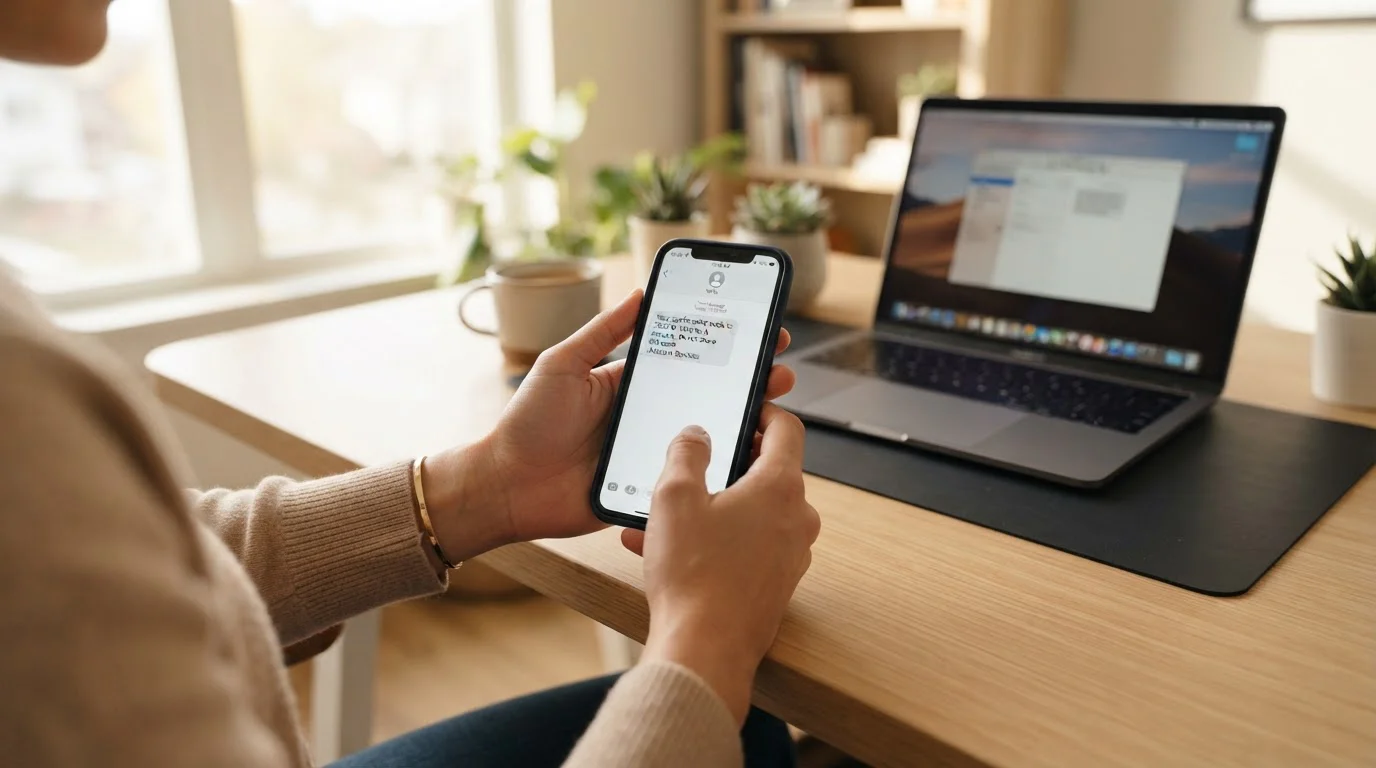
How Pay by Mobile Casino Deposits Work
Phone bill deposits bypass cards and bank logins entirely. You provide a mobile number, receive an SMS confirmation, reply or enter a code, and funds land in your casino account within 30 seconds. The charge hits your monthly phone bill (contract customers) or deducts from your prepaid credit (pay-as-you-go). No card issuer, no bank statement trail, no financial institution intermediary.
This is a one-way payment rail. You can deposit via phone bill, but you cannot withdraw to it. Carrier billing systems support inbound payments (customer to merchant) but not outbound refunds (merchant to customer airtime credit) for gambling transactions. That architectural constraint is not a casino policy — it is a technical limitation of the Boku, Zimpler, and Fonix infrastructure. Every penny you win must exit via bank transfer, debit card, or e-wallet. If you chose pay-by-mobile to avoid linking a card or bank account, you will still need one of those methods set up before your first withdrawal clears.
Step-by-Step Deposit Process
At the casino cashier, select «Pay by Mobile,» «Pay by Phone,» or the Boku/Zimpler logo. Enter the deposit amount (£5–£40, depending on provider and operator caps). Provide your mobile phone number. The payment provider (Boku or Zimpler) sends an SMS to that number within 10–60 seconds. The SMS contains either a one-time confirmation code or a reply-to-authorise prompt, depending on your network.
Enter the code at the cashier or reply to the SMS to confirm. The network approves or declines the charge based on your available credit (PAYG customers) or your account standing (contract customers). If approved, funds appear in your casino balance within 30 seconds. The transaction completes before you finish reading this paragraph.
How long do pay by mobile deposits take to appear in my casino account?
Instant — typically 10 to 60 seconds after SMS confirmation. Funds land in your casino balance immediately and are ready to play. This speed advantage over bank transfers (1–3 days) or card deposits (sometimes delayed for verification) is the primary reason players tolerate the £240 monthly cap and the no-withdrawal constraint.
Contract Phone Bill Deposits
Contract (postpaid) customers see the charge added to their next monthly phone bill. It appears as a third-party purchase or «digital content» line item — not explicitly labelled «casino» on most bills, but identifiable as a non-network charge. Payment is due with your regular monthly bill, typically 30 days after the deposit. No immediate deduction from your bank account.
The delayed billing creates a spending control risk. Fifty £10 deposits over three weeks feel frictionless at the moment, but the £500 lump sum hits your bank account when the bill arrives. Contract customers should track spending manually or set calendar reminders. The payment provider enforces the monthly cap (£240–£400), but that ceiling arrives too late to prevent overspending relative to your actual budget.
Pay-as-You-Go Credit Deposits
PAYG (prepaid) customers have the charge deducted immediately from their airtime credit. Your phone’s credit balance drops by the deposit amount the moment the SMS confirmation clears. You must have sufficient credit loaded before the deposit — a £10 transaction fails if your balance sits at £8.
This immediate deduction provides tighter spending control than contract billing. You can only deposit what you have already loaded onto your phone. The friction is higher (you must top up your phone credit before depositing), but the budget ceiling is self-enforced. PAYG customers cannot accidentally overspend the way contract customers can, because the money must exist in your phone account before the casino ever sees it.
Can I use pay by mobile if I’m on a pay-as-you-go (PAYG) plan?
Yes. PAYG customers can deposit via pay-by-mobile, but the charge deducts immediately from your prepaid credit (not added to a monthly bill). You need sufficient credit balance before making a deposit. This offers tighter spending control than contract billing, because you can only deposit money you have already loaded onto your phone.
What Happens After You Deposit
Once funds land in your casino account, they behave identically to deposits made via card or bank transfer. You play slots, live casino, or table games. Bonus terms apply if you accepted a welcome offer. Wagering requirements, game restrictions, and maximum bet rules follow standard UKGC regulations (10x wagering cap on deposit bonuses for new customers, effective since October 2021).
When you win and request a withdrawal, the casino cannot send funds back to your phone bill. You must provide a bank account, debit card, or e-wallet (PayPal, Skrill, Neteller) for the payout. UKGC regulations require identity verification before the first withdrawal: photo ID, proof of address, sometimes source-of-funds documentation. This KYC check happens regardless of your deposit method. The 1–3 hour e-wallet payouts advertised by Betable brands assume verification has already cleared. First-time withdrawals take longer while the casino processes your documents.

Deposit Limits, Fees and Monthly Caps
Per-transaction limits sit at £5 minimum, £30–£40 maximum. Boku typically caps at £30 per transaction. Zimpler supports up to £40. Daily limits mirror per-transaction ceilings: £30–£40, depending on your network and the payment provider. Monthly caps range from £240 to £400, set by Ofcom regulations (formerly enforced by the Phone-paid Services Authority until regulatory oversight transferred to Ofcom in February 2025).
These are consumer protection ceilings, not casino policies. The payment providers (Boku, Zimpler, Fonix) enforce the limits at the network level. Individual casinos can set lower caps, but they cannot raise them above the regulatory maximum. The £240 monthly floor means even the most permissive operator cannot let you deposit more than £240–£400 per month via phone bill across all casinos combined. Deposit £200 at O’Reels and £100 at Duelz in the same month, and you will hit your cap regardless of whether the casinos share data — the limit is tracked by your mobile network, not the operators.
What are the deposit limits for pay by mobile casinos in the UK?
Per-transaction limits: £5 to £40 (Boku typically £30, Zimpler up to £40). Daily limits: £30 to £40. Monthly limits: £240 to £400, set by Ofcom regulation and enforced by payment providers. Individual casinos may set lower limits but cannot exceed the regulatory caps.
Per-Transaction Limits (£5–£40)
The £5 minimum reflects operator preferences, not regulatory mandate. Some casinos accept £3 deposits via SMS billing (Siru Mobile), but Boku and Zimpler typically floor at £10. The £30–£40 maximum is the binding constraint. Boku caps at £30 per transaction across all UK networks. Zimpler supports £40, but few casinos surface that ceiling in their cashier interfaces — most still quote £30 as the de facto standard.
This £30–£40 range sits well below the £50–£100 per-transaction limits common with card deposits or e-wallets. High-stakes players hit the ceiling immediately. Casual players depositing £10–£20 per session stay within bounds, but anyone funding a £200 weekend bankroll needs seven to ten separate transactions to reach that total. The friction compounds when each transaction requires SMS confirmation.
Daily and Monthly Caps
Daily limits echo per-transaction ceilings: £30–£40, depending on provider and network. You cannot deposit £30, wait an hour, and deposit another £30 — the daily cap blocks the second transaction. Some networks reset the daily counter at midnight; others track rolling 24-hour windows. Check with your mobile provider if you are unsure which system applies to your account.
Monthly caps are the tighter bottleneck. £240 minimum, £400 maximum, tracked across all gambling merchants using your mobile number. Deposit £100 at Monster Casino, £80 at Duelz, and £60 at O’Reels in the same calendar month, and you have £240 consumed. The next deposit at any casino using Boku, Zimpler, or Fonix fails until the calendar month rolls over. The cap is per phone number, not per casino account. Switching operators does not reset your monthly allowance.
Deposit Fees by Operator
| Casino | Deposit Fee | Example (£10 deposit credits) | Notes |
|---|---|---|---|
| O’Reels | £0 | £10.00 | Betable policy: zero fees |
| Ivy Casino | £0 | £10.00 | Betable policy: zero fees |
| Rose Casino | £0 | £10.00 | Betable policy: zero fees |
| Monster Casino | £0.30–£0.50 or 1–2.5% | £9.50–£9.70 | Standard ProgressPlay |
| Casino Kings | £0.30–£0.50 or 1–2.5% + 1% withdrawal fee | £9.50–£9.70 | Withdrawal fee compounds |
| Duelz | £0.30–£0.50 or 1–2.5% | £9.50–£9.70 | Standard SuprPlay |
| Great Britain Casino | £0.30–£0.50 or 1–2.5% | £9.50–£9.70 | Standard Jumpman |
| Spinzwin | £0.30–£0.50 or 1–2.5% | £9.50–£9.70 | Standard ProgressPlay |
| Betrino | £0.30–£0.50 or 1–2.5% | £9.50–£9.70 | Standard ProgressPlay |
| Space Wins | £0.30–£0.50 or 1–2.5% | £9.50–£9.70 | Standard Jumpman |
Do casinos charge fees for pay by mobile deposits?
It depends on the operator. Betable Limited brands (O’Reels, Ivy Casino, Rose Casino) charge zero deposit fees — a £10 deposit credits exactly £10. Most other operators charge £0.30 to £0.50 per transaction or 1 to 2.5% of the deposit amount. Always check the cashier page before depositing.
Betable Limited’s zero-fee policy is a deliberate market differentiator. A £10 deposit at O’Reels, Ivy, or Rose credits exactly £10. The same deposit at Monster, Casino Kings, or Spinzwin credits £9.50–£9.70 after fees. Over fifty £10 deposits, the cumulative cost difference reaches £15–£25. That is three to five extra bets lost to transaction fees before you even spin a slot.
Some operators disclose fees clearly at the cashier. Others bury the cost in terms and conditions, hoping you will not notice the £9.70 credited balance after a £10 SMS confirmation. Betable brands advertise the zero-fee policy prominently because it undercuts every competitor. ProgressPlay and Jumpman white-labels absorb payment-processing costs into their operational overhead but pass deposit fees through to players. The fee model is not predatory — processing phone-bill transactions costs money — but the zero-fee alternative exists, and cost-conscious players should use it.
Why These Limits Exist
The £240–£400 monthly cap is a consumer protection measure, not a casino preference. Ofcom (which assumed phone payments regulation from the Phone-paid Services Authority in February 2025) sets these ceilings to limit problem gambling via carrier billing. Phone bill deposits bypass traditional banking safeguards — no credit check, no overdraft limit, no real-time balance verification for contract customers. The regulatory caps prevent players from racking up unaffordable phone bills through impulsive gambling deposits.
Operators would happily accept higher deposits (more revenue), but the infrastructure providers (Boku, Zimpler, Fonix) enforce Ofcom’s limits at the network level. A casino cannot override these caps even if it wanted to. The £30–£40 per-transaction ceiling and the £240 monthly floor apply uniformly across all UKGC-licensed casinos using phone billing. Offshore operators outside UKGC jurisdiction may advertise higher limits, but those sites operate illegally for UK customers and offer no regulatory protections if disputes arise.

Payment Providers: Boku, Zimpler and Fonix Explained
Three names dominate UK pay-by-mobile infrastructure: Boku, Zimpler, and Fonix. Boku and Zimpler are payment aggregators visible at casino cashiers. Fonix is the carrier billing standard they both use at the network level. Understanding the distinction matters when a deposit fails or when choosing between operators.
| Provider | Per-Transaction Limit | Monthly Cap | Casino Acceptance | Key Difference |
|---|---|---|---|---|
| Boku | £30 | £240–£400 | 60+ UK operators | Widest acceptance, industry standard |
| Zimpler | £40 | £240–£400 | 20+ UK operators | Higher ceiling, also offers Pay by Bank |
| Fonix | £40 (regulatory cap) | £240 (regulatory floor) | Underpins Boku/Zimpler | Infrastructure layer, not consumer-facing |
What is the difference between Boku and Zimpler for casino deposits?
Boku: £30 per-transaction limit, widest UK casino acceptance (60+ operators), industry standard. Zimpler: £40 per-transaction limit (higher), also offers Pay by Bank option, smaller casino footprint but growing. Both support EE, Vodafone, O2, Three and MVNOs. Both enforce the same £240–£400 monthly caps set by Ofcom regulation.
Boku – The Market Leader
Boku is the dominant UK pay-by-mobile aggregator. Public company (NASDAQ: BOKU), founded 2008, with UK operations under FCA regulation as a payment intermediary. Processes deposits from £5–£30 via phone bill or PAYG credit on EE, Vodafone, O2, Three, and all major MVNOs (Sky Mobile, Tesco Mobile, giffgaff, Virgin Mobile, BT Mobile, Plusnet, Smarty). Instant settlement: funds reach the casino within seconds of SMS confirmation.
Boku replaced the older Payforit consumer-facing branding circa 2018–2020. When a casino cashier displays «Pay by Mobile» or «Boku,» the back-end is identical: Boku acts as merchant of record between the casino and your mobile network. The casino never sees your phone billing details. The £30 per-transaction limit is Boku’s standard ceiling, though networks and operators can cap lower. The £240–£400 monthly cap is Ofcom-mandated, not Boku policy.
Boku’s market dominance stems from ubiquity. Over 60 UKGC-licensed casinos support Boku deposits as of 2026. If a UK casino accepts pay-by-mobile, it accepts Boku. Zimpler is the alternative, not a replacement. Boku processes over £6 billion annually across gaming, digital content, and payments globally (UK-specific casino transaction volume is not publicly disclosed). The infrastructure is proven, the friction is low, the limits are clearly documented. The £30 ceiling is the binding constraint, not Boku’s reliability.
Zimpler – Higher Limits and Dual Rails
Zimpler is a Swedish payment provider offering mobile carrier billing and Pay by Bank (Open Banking) services. Founded 2012, launched UK operations 2016, acquired by Worldline (European payments giant) in 2020. FCA-regulated as a PSD2 Payment Institution. Supports EE, Vodafone, O2, Three, and major MVNOs for phone bill deposits.
The distinguishing feature is the £40 per-transaction limit — higher than Boku’s £30 ceiling. In practice, this makes little difference when the monthly cap sits at £240–£400 regardless of provider. You can deposit £40 six times via Zimpler or £30 eight times via Boku, but both hit the monthly ceiling around the same total. The dual-rail offering (mobile billing plus Pay by Bank) gives players a choice at the same cashier: charge your phone bill or link directly to your bank account via Open Banking. Most casinos surface only one rail or the other, not both.
Zimpler’s UK casino footprint is smaller than Boku’s — roughly 20+ licensed operators versus Boku’s 60+. Growing, but not yet ubiquitous. If a casino offers both Boku and Zimpler, the £40 ceiling makes Zimpler marginally more efficient (fewer transactions to reach the same total). If a casino offers only Boku, the point is moot. Zimpler markets itself as a premium alternative with focus on user experience and higher limits, but the Ofcom monthly cap neutralises much of that advantage.
Fonix – The Carrier Billing Standard
Fonix (formerly branded as Payforit in consumer-facing flows) is the carrier billing infrastructure owned by UK mobile network operators (EE, Vodafone, O2, Three consortium). Not a consumer-facing brand — you will not see «Fonix» at most casino cashiers. But every Boku and Zimpler transaction in the UK routes through Fonix’s network-level billing integration.
Fonix sets the £40 per-transaction regulatory cap and the £240 minimum monthly cap (both enforced by Ofcom since February 2025, previously by the Phone-paid Services Authority). These limits apply to all payment aggregators using UK carrier billing, not just Fonix-branded transactions. Fonix handles SMS confirmation delivery, network-side billing integration, and chargeback dispute resolution at the carrier level. Boku and Zimpler sit between casinos and Fonix, managing fraud screening, settlement, and merchant relationships.
Think of Fonix as the plumbing. Boku and Zimpler are the taps. Consumers interact with the taps; the plumbing determines what flows through. The distinction matters when troubleshooting failed deposits: if a transaction declines despite having credit and being under your monthly cap, the failure point could be Fonix network-side authentication, Boku/Zimpler fraud screening, or the casino’s payment gateway. Contact your mobile network first (they can confirm whether premium billing is enabled), then the casino’s support team.
Mobile Network Compatibility
All four major UK networks support pay-by-mobile casino deposits: EE, Vodafone, O2, and Three. Mobile Virtual Network Operators (MVNOs) inherit support from their parent networks: Sky Mobile runs on O2, Tesco Mobile runs on O2, giffgaff runs on O2, Virgin Mobile runs on O2, BT Mobile runs on EE, Plusnet runs on EE, Smarty runs on Three. If your MVNO is unsure about compatibility, check which network it uses — that network’s support applies to you.
| Network | Type | Parent Network | Boku Support | Zimpler Support | Notes |
|---|---|---|---|---|---|
| EE | MNO | — | Yes | Yes | Largest UK network by subscribers |
| Vodafone | MNO | — (merged with Three 2025) | Yes | Yes | Now part of Vodafone-Three joint entity |
| O2 | MNO | — (Virgin Media O2) | Yes | Yes | Supports most UK MVNOs |
| Three | MNO | — (merged with Vodafone 2025) | Yes | Yes | Now part of Vodafone-Three joint entity |
| Sky Mobile | MVNO | O2 | Yes | Yes | Inherits O2 carrier billing |
| Tesco Mobile | MVNO | O2 | Yes | Yes | Inherits O2 carrier billing |
| giffgaff | MVNO | O2 | Yes | Yes | Inherits O2 carrier billing |
| Virgin Mobile | MVNO | O2 (Virgin Media O2) | Yes | Yes | Inherits O2 carrier billing |
| BT Mobile | MVNO | EE (BT owns EE) | Yes | Yes | Inherits EE carrier billing |
| Plusnet Mobile | MVNO | EE | Yes | Yes | Inherits EE carrier billing |
| Smarty | MVNO | Three | Yes | Yes | Inherits Three carrier billing |
Which UK mobile networks support pay by mobile casino deposits?
All four major UK networks support pay-by-mobile deposits: EE, Vodafone, O2, and Three. MVNOs (Sky Mobile, Tesco Mobile, giffgaff, Virgin Mobile, BT Mobile, Plusnet, Smarty) inherit support from their parent networks. Both contract and pay-as-you-go customers can use this method on any of these carriers.
Major UK Networks (EE, Vodafone, O2, Three)
EE is the largest UK network by subscriber count. Supports Boku and Zimpler transactions for both contract and PAYG customers. Owned by BT Group, which also operates BT Mobile and Plusnet Mobile as MVNOs on EE infrastructure. If you are on EE directly or via BT Mobile or Plusnet, Boku and Zimpler deposits work without additional setup beyond enabling premium billing (usually enabled by default, but check with EE customer service if deposits decline).
Vodafone merged with Three in 2025, consolidating UK network infrastructure from four independent operators to three. Vodafone-Three supports Boku and Zimpler across both legacy Vodafone and legacy Three customers. The merger changed corporate structure, not technical compatibility — if you were on Vodafone or Three before the merger, carrier billing still works identically. Smarty (a Three MVNO) now falls under the Vodafone-Three umbrella but retains its own brand and billing.
O2 (Virgin Media O2 after the Virgin Media merger) supports the most UK MVNOs: Sky Mobile, Tesco Mobile, giffgaff, Virgin Mobile all run on O2 infrastructure. If you are on any of these networks, you have O2’s carrier billing capabilities. Boku and Zimpler support is universal across O2 and its MVNOs. O2 remained independent after the Vodafone-Three merger, making it one of three host networks in the UK as of 2026 (EE, O2, Vodafone-Three).
MVNO Support (Sky Mobile, Tesco Mobile, giffgaff, Virgin Mobile, BT Mobile)
MVNOs lease network infrastructure from EE, O2, or Vodafone-Three. They do not own radio towers or carrier billing systems — they resell capacity. This means an MVNO customer’s pay-by-mobile deposits route through the parent network’s billing infrastructure. Sky Mobile customers use O2’s carrier billing. BT Mobile customers use EE’s. Smarty customers use Three’s (now Vodafone-Three’s).
Sky Mobile runs on O2. Supports Boku and Zimpler. Premium billing is usually enabled by default, but Sky customer service can confirm if you are unsure. Tesco Mobile also runs on O2, with identical carrier billing support. giffgaff is an O2 MVNO marketed as community-run; the infrastructure is still O2, so Boku and Zimpler work as they would for direct O2 customers. Virgin Mobile integrated into Virgin Media O2; same story.
BT Mobile and Plusnet Mobile run on EE (BT owns EE outright). Premium billing inherits from EE’s infrastructure. Smarty runs on Three (now Vodafone-Three). All of these MVNOs support pay-by-mobile casino deposits. The only potential friction point is if your MVNO account has premium billing disabled by default — some MVNOs disable it for fraud prevention, especially on pay-as-you-go plans. Contact your MVNO’s customer service to enable it if your first deposit attempt declines with «premium billing not enabled.»
Checking Your Network Compatibility
If you are unsure whether your network supports pay-by-mobile deposits, check your MVNO’s «Our Network» page. It will state which of the three host networks (EE, O2, Vodafone-Three) it uses. That host network’s carrier billing compatibility applies to you. All three host networks support Boku and Zimpler as of 2026.
International roaming blocks pay-by-mobile deposits. If you are abroad and connected to a foreign network, Boku and Zimpler transactions decline — geo-restriction plus carrier billing unavailable outside your home network. Wait until you return to the UK, or use a card or e-wallet instead.

Withdrawals – Why You Can’t Cash Out to Your Phone Bill
Carrier billing systems are architecturally one-way for gambling transactions. Mobile networks allow merchants (casinos) to charge customer accounts via Boku, Zimpler, or Fonix, but they do not support outbound payments from merchants back to customer airtime credit. This is a technical infrastructure constraint, not a casino policy. The rails were built for content purchases (apps, subscriptions, ringtones), where refunds flow back to the original payment method (credit card, bank account) rather than to phone credit.
Every penny you win must exit via bank transfer, debit card, or e-wallet (PayPal, Skrill, Neteller). If you deposited via phone bill to avoid linking financial accounts, you still need one of those accounts set up before your first withdrawal clears. The phone-bill deposit method is not self-contained — it is half of a two-method system.
Can I withdraw my winnings back to my phone bill?
No. Pay-by-mobile deposits are one-way — you can deposit via phone bill or PAYG credit, but all withdrawals must go to a bank account, debit card, or e-wallet (PayPal, Skrill, Neteller). This is an architectural limitation of carrier billing systems, not a casino restriction. Networks do not support outbound payments to customer airtime for gambling transactions.
The One-Way Payment Constraint
Boku, Zimpler, and Fonix connect casinos to mobile networks for inbound payments only. The integration allows casinos to request charges against customer accounts and receive settlement in return. It does not allow casinos to push funds back to customer phone bills. The reason is contractual and technical: mobile networks classify gambling as a restricted merchant category, and carrier billing agreements for restricted categories prohibit reverse transactions to airtime credit.
Even if a casino wanted to pay you via phone credit, the Boku or Zimpler API does not expose that functionality. The payment flow is strictly customer → network → aggregator → casino. No reverse rail exists for casino → aggregator → network → customer airtime. Refunds for non-gambling purchases (app subscriptions, digital content) can sometimes route back to the original payment method, but gambling transactions are carved out of that exception. UKGC regulations require withdrawals to verified financial instruments anyway, which phone bills are not.
This constraint is why pay-by-mobile is not a standalone payment solution. You can deposit quickly and privately, but you cannot operate entirely within the phone-billing ecosystem. At minimum, you need a bank account or debit card linked for withdrawals. Most players discover this limitation only when they request their first cashout and the casino prompts them to add a withdrawal method. Read this breakdown before depositing, not after.
Alternative Withdrawal Methods
E-wallets (PayPal, Skrill, Neteller) offer the fastest withdrawal speeds: 1–3 hours at Betable brands (O’Reels, Ivy, Rose), potentially faster at other operators if verification is already complete. E-wallets require account setup and identity verification on the e-wallet side (not just the casino side), but once verified, they consistently deliver the fastest payouts. Fees vary by e-wallet: PayPal typically charges no fees for casino withdrawals, Skrill and Neteller may charge 1–2% depending on your account tier.
Debit cards deliver slower: 1–3 business days typical, sometimes up to 5 days if the card issuer holds the transaction for fraud review. No fees charged by most casinos (Casino Kings’ 1% withdrawal fee is the exception, not the rule). The debit card must be in your name and registered to your address. Prepaid cards and virtual cards may not work — casinos require debit cards linked to a verifiable bank account for UKGC compliance.
Bank transfers take 3–5 business days. Slowest option, but universally accepted. No fees from most casinos. Requires providing your bank account details (sort code, account number, account holder name). UKGC regulations mandate that the bank account matches the name on the casino account — you cannot withdraw to someone else’s account, even a family member’s.
Withdrawal Speeds by Method
| Method | Speed | Fees (typical) | Minimum | Notes |
|---|---|---|---|---|
| E-wallet (PayPal, Skrill, Neteller) | 1–3 hours | £0 (PayPal), 1–2% (Skrill/Neteller) | £10 | Fastest; requires e-wallet account setup |
| Debit card | 1–3 business days | £0 (most operators) | £10 | Must match casino account name |
| Bank transfer | 3–5 business days | £0 | £10 | Slowest; universally accepted |
Betable brands (O’Reels, Ivy, Rose) consistently hit 1–3 hour e-wallet payouts when verification is complete. ProgressPlay brands (Monster, Casino Kings, Betrino, Spinzwin) quote 1–3 business days but often take the full 3 days. Jumpman brands (Great Britain Casino, Space Wins) sit in the same 1–3 business day range. If withdrawal speed matters — and for frequent players, it does — Betable’s zero-fee, fast-payout combination makes it the default choice.
Setting Up Your Withdrawal Method
Before your first withdrawal clears, the casino requires identity verification: photo ID (passport, driving licence), proof of address (utility bill, bank statement dated within 3 months), sometimes source-of-funds documentation (payslips, bank statements showing income). This KYC check is UKGC-mandated, not optional. Upload documents via the casino’s account dashboard. Verification takes 1–3 business days at most operators, faster at Betable brands if you submit clear scans.
Once verified, link your withdrawal method. For e-wallets, provide your PayPal email or Skrill/Neteller account ID. For debit cards, the card you used for deposits (if any) is usually pre-linked. For bank transfers, provide your sort code and account number. The first withdrawal to a new method may take longer (additional fraud screening), but subsequent withdrawals to the same method process faster.
Pay-by-mobile deposits do not pre-link a withdrawal method. You deposited via phone bill; the casino has no financial account on file. You must add a withdrawal method manually before requesting your first cashout. Factor this setup time into your planning. If you win on your first session and want to cash out immediately, you will wait for KYC verification to clear before the withdrawal processes.
Bonuses and Promotions at Pay by Mobile Casinos
Welcome bonuses at pay-by-mobile casinos follow UKGC regulations: maximum 10x wagering on deposit bonuses for new customers, effective since October 2021. Most operators offer 100% match bonuses up to £50–£100, plus free spins on selected slots. Bonus eligibility on phone-bill deposits varies by operator. Some exclude pay-by-mobile from bonus terms (citing abuse risk); others include it without restrictions.
Betable brands (O’Reels, Ivy, Rose) typically run low-wagering or no-wagering bonuses: 10x on deposit matches, sometimes lower. ProgressPlay brands (Monster, Casino Kings, Betrino, Spinzwin) run standard 35x–50x wagering on free spins, with the deposit match capped at 10x per UKGC rules. Jumpman brands (Great Britain Casino, Space Wins) follow similar structures.
Welcome Bonuses
O’Reels offers a 100% match up to £25 on first deposits of £20 or more, with 10x wagering. Ivy Casino runs similar promotions but varies the percentage and cap month-to-month. Rose Casino mirrors the Betable structure. All three charge zero deposit fees, so a £20 deposit credits £20, then doubles to £40 with the bonus. At fee-charging operators, a £20 deposit might credit £19.50 after fees, reducing the effective bonus value.
Duelz runs a tiered welcome package over the first four deposits, up to £500 or 5 BTC, plus 180 free spins. Wagering sits at 10x for the deposit match, higher for free spins. Monster Casino bundles casino, sports, and bingo welcome offers — pick one track, not all three. Casino Kings leans sports: «Bet £10 Get £10» on sportsbook, with separate casino offers. Betrino follows the same sports-first model.
Free Spins Offers
Free spins typically come with higher wagering than deposit matches: 35x–50x on winnings from spins, versus 10x on the deposit match itself. UKGC capped deposit-match wagering at 10x in 2021 but left free spins wagering unrestricted. Most operators still run 40x–50x on free spins to protect margins. Maximum win from free spins is usually capped at £50–£100, converted to bonus funds subject to wagering.
Pay-by-mobile deposits qualify for free spins at most operators, but check the terms. Some bonuses exclude deposits via Boku or phone bill, citing fraud concerns (chargebacks on phone bills are harder to resolve than card disputes). If the terms say «debit card deposits only,» your phone-bill deposit will not trigger the bonus. Contact support before depositing if bonus eligibility matters to you.
Wagering Requirements Explained
10x wagering means you must wager £100 (10 × £10 bonus) before converting bonus funds to withdrawable cash. UKGC’s 10x cap applies only to deposit bonuses for new customers. Reload bonuses, loyalty bonuses, and free spins can carry higher wagering. Game contribution varies: slots usually contribute 100% toward wagering, table games 10–20%, live casino 10% or excluded entirely. Check the bonus terms before accepting.
Maximum bet while wagering a bonus is typically £5 per spin or hand. Exceeding that limit forfeits the bonus and any winnings from it. UKGC regulations prohibit «unfair» bonus terms, but £5 max-bet rules remain standard. Some operators cap at £2 on certain slots (high-RTP games, progressive jackpots). The phone-bill deposit method does not change wagering rules — your £10 deposit via Boku follows the same bonus terms as a £10 card deposit.
Mobile Casino Gaming and Apps
Every casino in this list offers mobile-optimised web interfaces. Responsive design works cleanly on phones: tap the operator’s URL in your mobile browser (Safari, Chrome, Firefox), and the site scales to your screen. No separate download required. A few operators offer dedicated iOS or Android apps (Rose Casino has an app listed in the UK App Store), but the web interface usually delivers identical functionality with less storage overhead.
Pay-by-mobile deposits make the most sense on mobile devices — you are already holding the phone to approve the SMS confirmation. Depositing via phone bill from a desktop requires pulling out your phone anyway to receive and confirm the SMS. The friction is lower when you initiate the deposit from the same device that receives the confirmation text.
Mobile casino game libraries mirror desktop offerings. Slots, live casino, table games, and progressives all run in mobile browsers. Evolution and Pragmatic Play Live stream HD video to phones without noticeable quality loss on 4G or 5G connections. Wi-Fi recommended for live casino to avoid data overages, but slots and table games consume minimal bandwidth.
Advantages and Disadvantages of Pay by Mobile
Pay-by-mobile deposits offer speed and privacy. No card number entry, no bank login, no financial institution intermediary visible on your bank statement (contract customers see the charge on their phone bill instead). Funds land in seconds. Setup takes one transaction — provide your number, confirm via SMS, done.
But the constraints compound quickly. £240–£400 monthly cap hits high-volume players in days, not weeks. No withdrawal to phone bill means you need a second payment method anyway. Deposit fees at most operators (Betable brands excepted) erode value over repeated transactions. The method works for casual players depositing £10–£20 per session a few times a month. It fails for anyone treating online casinos as regular entertainment rather than occasional dabbling.
Is pay by mobile safe and secure for online casino deposits?
Yes, when used at UKGC-licensed casinos. Payment providers like Boku and Zimpler are FCA-regulated and use bank-grade encryption. You never share bank or card details with the casino. However, contract customers should monitor spending carefully, as charges accumulate and hit your phone bill at month-end all at once.
Advantages (Privacy, Speed, No Bank Details)
Privacy: the casino never sees your card number or bank account. Boku or Zimpler acts as intermediary. Your phone bill shows a third-party charge (not labelled «casino» explicitly), and your bank statement shows your phone bill payment (again, no direct casino reference). If you share a bank account and want to keep gambling deposits less visible, phone billing achieves that better than card deposits.
Speed: 10–60 seconds from SMS confirmation to funds in your casino account. Faster than bank transfers (1–3 days), faster than card deposits delayed for fraud checks. The instant confirmation removes waiting time, which matters when you are funding a session and want to start playing immediately.
No bank details: you provide a phone number, not a card number or bank login. Reduces exposure if the casino suffers a data breach (your phone number leaks, not your financial credentials). FCA-regulated payment providers (Boku, Zimpler) use encryption and fraud screening, but the surface area for compromise is smaller than storing card details at every casino.
Disadvantages (Low Limits, No Withdrawals, Requires Second Method)
Low limits: £30–£40 per transaction, £240–£400 per month. Casual players stay within bounds. Frequent players hit the ceiling before mid-month. High-stakes players cannot use this method at all — a £500 weekend bankroll requires switching to cards or e-wallets. The monthly cap resets only at calendar month rollover; you cannot reset it by switching casinos or networks.
No withdrawals: every penny won must exit via bank, card, or e-wallet. You still need a verified financial account linked before your first cashout. Pay-by-mobile does not eliminate KYC or financial account setup — it defers it until withdrawal time. If your goal was avoiding financial account linkage entirely, this method fails.
Requires second method: even if you deposit exclusively via phone bill, you must add a bank account, debit card, or e-wallet for withdrawals. This doubles your setup overhead. Card-only players link one method and use it for both deposits and withdrawals. Phone-bill players link their phone for deposits, then link a second method for withdrawals. The friction is higher, not lower.
Deposit fees: Betable brands charge zero, but most operators charge £0.30–£0.50 per transaction. Over fifty deposits, that is £15–£25 lost to fees. Card deposits and e-wallet deposits typically carry no fees. The phone-bill convenience costs money at most casinos.
Troubleshooting Failed Deposits
Deposits decline for six common reasons: monthly cap reached, daily cap reached, insufficient PAYG credit, premium billing disabled, unpaid previous phone bill (contract customers), or network technical issue. The error message at the casino cashier rarely specifies which — it just says «transaction declined» or «payment failed.»
Start with your mobile network. Call customer service or check your account dashboard online. Verify premium billing is enabled (some networks disable it by default for fraud prevention). Check your current spend against your monthly cap (most networks show this in your online account). PAYG customers: confirm your credit balance exceeds the deposit amount plus any carrier fees.
Why was my pay by mobile deposit declined?
Common reasons: monthly cap reached (£240–£400), daily cap reached (£30–£40), insufficient PAYG credit, premium billing disabled on your account, unpaid previous phone bill (contract customers), or network technical issue. Contact your mobile network to verify premium billing is enabled and check your current monthly spend.
Common Decline Reasons
Monthly cap reached: you have already deposited £240–£400 this calendar month across all casinos using your phone number. The cap resets on the first of the next month. No workaround exists — switch to card or e-wallet until the calendar rolls over.
Daily cap reached: you hit £30–£40 in deposits today. Some networks reset at midnight, others use rolling 24-hour windows. Wait until tomorrow (or 24 hours from your first deposit today) and try again.
Insufficient PAYG credit: your prepaid balance is below the deposit amount. Top up your phone credit and retry. Note that some networks charge a small carrier fee on top of the deposit amount (e.g., £0.15 on a £10 deposit), so your balance must cover deposit + fee.
Premium billing disabled: your account has third-party billing turned off. Contact your network’s customer service to enable premium or content billing. Some networks call it «premium SMS,» «content purchases,» or «carrier billing.» Enable it, wait 10 minutes for the change to propagate, then retry your deposit.
Unpaid previous phone bill: contract customers with overdue bills may have premium billing suspended until the balance clears. Pay your outstanding bill, wait for the account to update (usually 24–48 hours), then retry.
Network technical issue: rare, but Boku or Fonix network-side authentication can fail temporarily. Wait 30 minutes and retry. If the issue persists, contact the casino’s support team — they can check logs to see whether the decline came from your network or their payment gateway.
How to Enable Premium Billing
EE customers: text «YES» to 150 or call 150 from your EE phone. Ask customer service to enable premium billing or content purchases. Vodafone customers: dial 191 from your Vodafone phone, or log into your My Vodafone account online and navigate to «Spend Manager» or «Charge to Mobile» settings. O2 customers: dial 202 from your O2 phone or check your My O2 account under «Spend Cap» settings. Three customers: dial 333 or log into your Three account online.
MVNOs inherit their parent network’s premium billing settings, but some add their own restrictions. Sky Mobile customers: contact Sky customer service (dial 7979 from your Sky Mobile phone). Tesco Mobile: dial 4455. giffgaff: check your account dashboard online (giffgaff does not have phone customer service). BT Mobile: contact BT customer service. Plusnet Mobile: contact Plusnet support.
Once enabled, premium billing activates within 10 minutes on most networks. Retry your casino deposit after waiting. If the deposit still declines, the issue is likely your monthly or daily cap, not premium billing.
Network-Specific Issues
O2 and its MVNOs (Sky Mobile, Tesco Mobile, giffgaff, Virgin Mobile) occasionally block Boku transactions if your account is flagged for fraud review. This is rare but can happen if you recently changed your phone number or topped up a large amount of PAYG credit in one go. Contact O2 customer service (or your MVNO’s support) to confirm your account is not under review.
EE and BT Mobile customers sometimes hit issues if they switched from pay-monthly to pay-as-you-go (or vice versa) recently. The billing system can take 24–48 hours to update. Wait a day and retry.
Vodafone-Three merger (2025) created temporary billing system integration issues for some customers. If you were on Three before the merger and recently saw your account migrated to Vodafone systems (or vice versa), premium billing settings may have reset. Re-enable premium billing as described above.
Responsible Gambling and Player Protection
Every casino listed holds a UKGC licence, which mandates GamStop integration, deposit limit tools, self-exclusion options, and reality checks. GamStop is the UK’s national self-exclusion scheme: register at gamstop.co.uk, and all UKGC-licensed casinos block your access for 6 months, 1 year, or 5 years (you choose the duration). The block applies across every licensed operator — you cannot bypass it by switching casinos.
Pay-by-mobile deposits carry a natural spending ceiling: £240–£400 per month. That cap functions as a built-in deposit limit, whether you want it or not. For players who struggle with impulse deposits via card or e-wallet (where limits can reach thousands per month), the phone-bill method’s low ceiling provides a structural brake. For high-volume players, the same ceiling is a friction point, not a protection.
GamStop Self-Exclusion
Register at gamstop.co.uk. Provide your name, address, date of birth, and email. Choose your exclusion period: 6 months (minimum), 1 year, or 5 years. GamStop notifies every UKGC-licensed casino. Your accounts close or suspend within 24 hours. You cannot reverse the exclusion early — if you choose 6 months, you wait 6 months. After the period ends, you can register with casinos again, but they may impose a 24-hour cooling-off period before letting you deposit.
GamStop is free and confidential. Casinos do not know you registered until GamStop notifies them. The scheme covers all UKGC-licensed operators, including every casino in this article. It does not cover offshore casinos operating without UK licences — those sites ignore GamStop because they operate outside UKGC jurisdiction. Searches like «pay by mobile casino not on GamStop» point to offshore sites. Every casino covered here is UKGC-licensed, and all of them enforce GamStop.
Deposit Limits as Budget Control
Most UKGC casinos let you set daily, weekly, or monthly deposit limits in your account settings. A player-set limit works independently of the Ofcom carrier-billing cap. Set a £50 weekly limit at O’Reels, and the casino blocks deposits once you hit £50 in a week, even though the Ofcom monthly cap still allows £240–£400 total. The player-set limit is more restrictive, so it takes precedence.
Combine player-set limits with the phone-bill method’s natural ceiling for layered control. Set a £100 monthly limit at the casino level; the Ofcom £240 cap provides a backstop. If you override your own limit in a moment of poor judgment, the carrier-billing cap stops you at £240 regardless.
Are pay by mobile casinos legal in the UK?
Yes. Pay-by-mobile deposits at UKGC-licensed casinos are fully legal in the UK. All operators in this guide hold valid UK Gambling Commission remote operating licences and comply with Gambling Act 2005 regulations. Phone payment services are regulated by Ofcom (formerly PSA). Only use casinos with verifiable UKGC licence numbers.
When to Use Alternative Payment Methods
Pay-by-mobile suits casual players depositing £10–£20 per session a few times a month. It fails for high-volume players. If you routinely deposit £500+ per month, the £240–£400 carrier-billing cap forces you to cards, e-wallets, or bank transfers. If you deposit and withdraw frequently (multiple times per week), the lack of withdrawal-to-phone-bill and the need to link a second method create friction.
If cost efficiency matters, use Betable brands (O’Reels, Ivy, Rose) for zero-fee phone-bill deposits, or skip phone billing entirely and use PayPal or bank transfers (also zero fees at most casinos). If withdrawal speed matters, e-wallets deliver 1–3 hour payouts at Betable brands — faster than waiting for phone-bill charges to clear on your monthly statement, then waiting another 3–5 days for a bank transfer withdrawal.
Pay-by-mobile is a niche solution, not a universal one. Use it when privacy and instant deposits outweigh the low limits and withdrawal constraints. Switch to cards or e-wallets when volume, speed, or cost efficiency become priorities.
Casino Deposit Methods UK 2026 — Cards, E-Wallets & Bank
Content created by the «casinopay» team
