
Casino Not on GamStop Instant Withdrawal: Real Timeframes, No Marketing Spin
 Available in US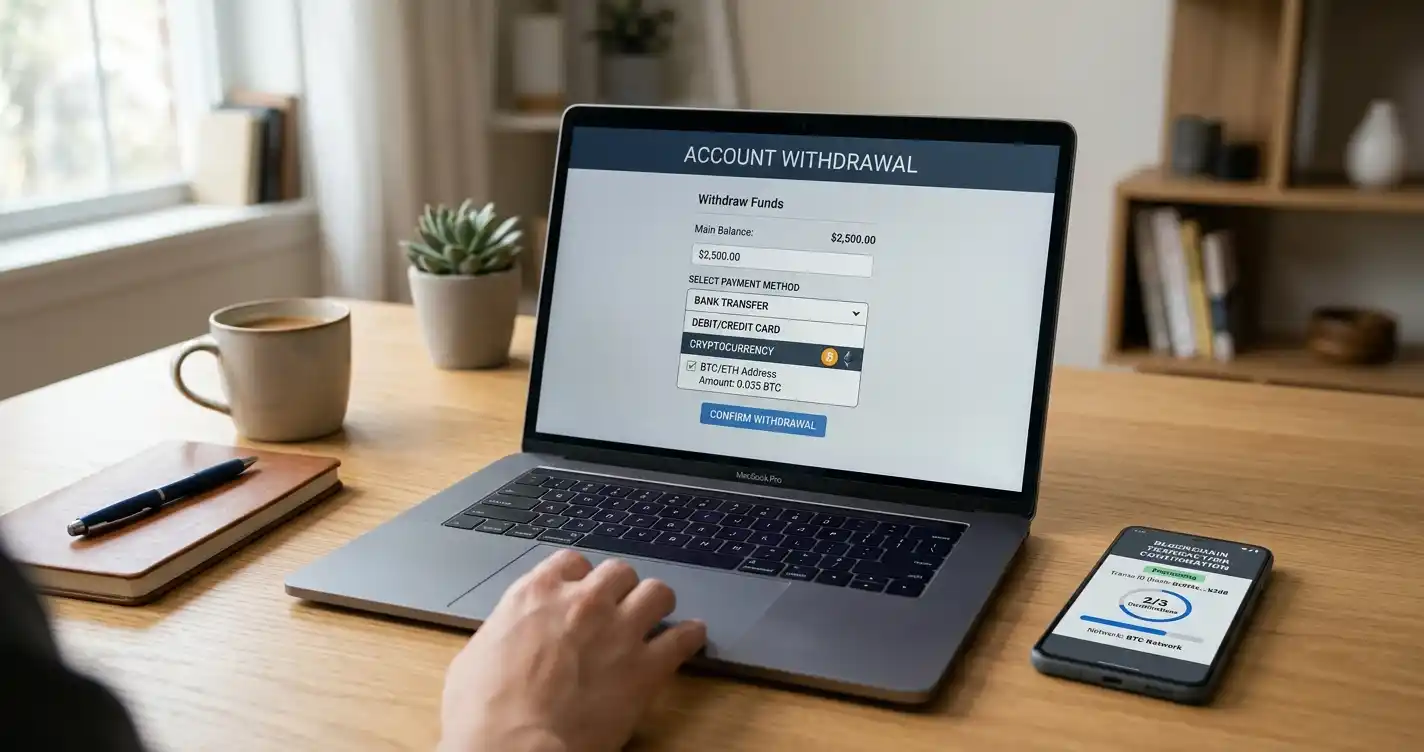
A withdrawal held for three days feels longer than three days. UK-licensed operators average one to three business days for cashouts—weekends push it to five. Offshore casinos, the ones not tethered to the GamStop self-exclusion scheme, promise «instant» payouts. Some deliver. Others stretch «instant» until it means nothing.
This guide names specific non-GamStop casinos that clear withdrawals in under 24 hours, breaks down which payment methods genuinely deliver speed (crypto on Tron settles in five minutes; Bitcoin takes an hour; cards take three days), and explains what «instant» actually means once you account for verification delays. No offshore casino bypasses anti-money-laundering checks entirely—the question is when those checks hit, and how long they take.
Six operators make the shortlist here, licensed in Curaçao, Malta, or Anjouan. Each accepts UK players despite holding no UK Gambling Commission permit. Licensing jurisdiction determines verification rules, which in turn governs payout speed: Curaçao operators allow small withdrawals without documents, then trigger checks; Malta requires identity verification upfront. Fastest isn’t always safest—that trade-off gets explicit treatment below.
Fastest Withdrawal Casinos Not on GamStop — Our Top Picks for 2026
The table below ranks six offshore casinos by withdrawal speed. USDT Casino and BC.Game lead on raw blockchain speed—both clear crypto cashouts in under ten minutes for verified accounts. Bitstarz follows at ten minutes average. Cloudbet claims 90% of withdrawals land in under two minutes, though that figure collapses nuance (more on that shortly). Rabona and Angliabet bring up the rear, but «rear» here still means same-day for e-wallets and crypto.
| Casino | License | Fastest Method | Withdrawal Time | Minimum Deposit | Standout Feature |
|---|---|---|---|---|---|
| USDT Casino | Curaçao | USDT (TRC-20) | 5-30 min | £10 | Stablecoin-first; no volatility |
| BC.Game | Anjouan ALSI-202410011-FI1 | Crypto | 4-10 min | £10 | 100+ cryptocurrencies; withdrawal caps apply |
| Bitstarz | Curaçao OGL/2024/165/0185 | Crypto | 8-10 min | £10 | Decade-long track record since 2014 |
| Cloudbet | Curaçao | Crypto | <2 min (90% claim) | £10 | Crypto-only; no withdrawal ceiling once verified |
| Rabona | Curaçao / MGA (disputed) | Crypto, e-wallets | 1-24 h | £10 | Mobile app; transparent bonus terms |
| Angliabet | MGA / unlicensed (disputed) | Crypto | 15-90 min | £10 | UK-focused branding; licensing unclear |
The order reflects best-case crypto withdrawal times for accounts that have already completed verification. First-time cashouts add 12 to 48 hours for document review, even at the fastest operators. That delay is casino approval time, not blockchain time—explained in depth below.

Bitstarz — 10-Minute Crypto Withdrawals Since 2014
Bitstarz operates under Curaçao Gaming Authority license OGL/2024/165/0185, issued to Gareton B.V. It launched in 2014, making it among the oldest continuously running crypto casinos still accepting UK players. The site supports hybrid funding: deposit in GBP via card, withdraw in Bitcoin or USDT if preferred. Game library spans 6,500 titles from 92 providers—Pragmatic Play, Evolution, NetEnt, Microgaming, Play’n GO, and smaller studios fill the roster.
Crypto withdrawals average eight to ten minutes from request to wallet delivery, verified across multiple independent tests. Bitcoin, Ethereum, Litecoin, and USDT (both ERC-20 and TRC-20) are accepted. No withdrawal fees on crypto, though blockchain gas applies (typically under £1 for USDT TRC-20, £2-£10 for Ethereum depending on network congestion). Card and e-wallet withdrawals take 24 hours, slower because they route through intermediary banks rather than settling on-chain. Welcome package stretches to $2,000 or 5 BTC plus 180 free spins across four deposits, with 40x wagering. The decade-long operating history is the real draw—stability is rare in the offshore crypto space, where operators fold or rebrand annually. KYC is mandatory before first withdrawal; turnaround averages 24 to 48 hours.
USDT Casino — Sub-30-Minute Stablecoin Cashouts
USDT Casino holds a Curaçao license (specific number not prominently disclosed; registry verification advised before depositing). The platform specializes in Tether (USDT) transactions on Tron’s TRC-20 network and Ethereum’s ERC-20 network. TRC-20 is the faster of the two: blockchain finality in one to five minutes, casino pending time adds zero to 30 minutes for verified accounts. Total realistic withdrawal time: five to 30 minutes, barring random anti-money-laundering holds.
The stablecoin design solves crypto volatility. Deposit £100, receive roughly 100 USDT (pegged 1:1 to the US dollar), withdraw 100 USDT a week later, convert back to roughly £100. Bitcoin and Ethereum prices swing 5-10% in a session; USDT does not. TRC-20 transactions cost under $1 in gas fees; ERC-20 costs £2-£10 depending on Ethereum network congestion. If payout speed is the priority and price fluctuation is the concern, USDT on Tron delivers both. Welcome bonus: £4,000 or 4,000 USDT plus 300 free spins. KYC thresholds reportedly lighter than Malta-licensed operators—small withdrawals under £200-£500 USDT equivalent may process without documents, though cumulative limits trigger verification eventually. Game library and provider details are less prominent in public-facing marketing than the payment infrastructure, which signals the target audience: players who already hold crypto and prioritize cashout speed over catalog depth.
BC.Game — 4-Minute Payouts with 100+ Cryptocurrencies
BC.Game switched from a Curaçao license to Anjouan license ALSI-202410011-FI1 in December 2024. Anjouan sits below Curaçao and Malta on the regulatory-oversight ladder—lighter compliance checks, faster onboarding, weaker recourse if disputes arise. The platform offers 9,000+ games, sports betting, and its own $BC token for bonuses and rewards. Crypto withdrawal claims: four to ten minutes. Independent tests confirm sub-ten-minute cashouts for USDT, Bitcoin, and Ethereum on verified accounts.
The catch: withdrawal caps. Standard ceiling is €10,000 per month. If your account balance exceeds ten times your total lifetime deposits, the cap drops to €5,000 per month. This is an anti-bonus-abuse lever, but it also constrains big winners. A £50,000 win takes ten months to fully withdraw under the lower cap. KYC model: «no documents required» for registration and small cashouts, but verification becomes mandatory above thresholds (reportedly £500-£1,000 for crypto, lower for fiat). Confiscation disputes exist in public forums—players who refused KYC after large wins had balances seized, with BC.Game citing bonus-abuse violations. The platform counters that refusals to verify after winning large sums trigger anti-money-laundering protocols. Either way, front-loading verification avoids the scenario. The 100+ cryptocurrency roster is the broadest on this list: Bitcoin, Ethereum, USDT, Litecoin, Dogecoin, and dozens of altcoins down to memecoins. If you hold an obscure token, BC.Game probably accepts it. Fastest-tier payout speed, but Anjouan licensing and withdrawal caps mean higher risk than Malta or Curaçao operators.
Cloudbet — 90% of Withdrawals Under 2 Minutes
Cloudbet runs on a Curaçao license, operating since 2013. Crypto-only: no fiat deposits or withdrawals. Accepts Bitcoin, Ethereum, USDT, Litecoin, Bitcoin Cash, and others. The homepage claims «90% of withdrawals take less than 2 minutes.» Independent verification is harder here—Cloudbet’s own support documentation states «typically within 30 minutes to 1 hour» for processing, with a 24-hour service-level agreement. The discrepancy likely reflects blockchain finality (the two-minute window) versus casino approval time (the 30-minute to one-hour window). Either way, sub-hour crypto cashouts are realistic for verified accounts on return withdrawals.
Playthrough requirement: unverified accounts must wager 1x their deposit before withdrawing (deposit £100, wager £100, then cash out). Verified accounts drop to 0.25x playthrough (deposit £100, wager £25, then cash out). Front-loading KYC reduces the rollover requirement by 75%, a rare incentive for upfront verification. No withdrawal ceiling once KYC is completed—most offshore operators cap at €5,000-€10,000 per month; Cloudbet does not. Terms include a binding independent adjudication clause: player disputes can escalate to an external arbitrator whose decision binds the casino. This is uncommon in the offshore space, where operator discretion is usually final. UK availability is disputed—some sources report geo-blocking for UK players, others show active UK user reviews. Verify access before depositing.
Rabona — Reliable Sub-24-Hour E-Wallet and Crypto Processing
Rabona’s licensing is muddled across sources. Some cite Malta Gaming Authority license MGA/B2C/394/2017; others list Curaçao eGaming or Anjouan Gaming authority. Multi-license operators exist (one license for EU markets, another for rest-of-world), but without a definitive registry check, the picture stays unclear. The site launched in 2018 and offers casino plus sportsbook. Game count exceeds 3,000, spanning slots, live casino, and table games from mainstream providers.
Withdrawal times: zero to 24 hours for crypto and e-wallets (Skrill, Neteller), with verified accounts clearing in one to four hours. One tester reported an 18-hour Skrill cashout, another reported sub-four-hour crypto. Cards take two to five business days. Welcome bonus: 100% up to €500 plus 200 free spins, with terms described as more transparent than competitors who bury wagering requirements three clicks deep. Mobile app available for iOS and Android. Minimum deposit: £10. KYC required before first withdrawal or above a small test-withdrawal threshold. The licensing ambiguity is the weak point—Malta and Curaçao have different KYC rules, different recourse mechanisms, and different fund-safety standards. Verify which license applies to UK players before depositing. If Malta, expect mandatory upfront verification but stronger player protections. If Curaçao or Anjouan, expect lighter checks but weaker recourse.
Angliabet — 15-Minute Crypto Claims (License Status Unclear)
Angliabet markets heavily to UK players via a .uk domain and GBP-native interface, but its licensing status is contested. Some affiliate sources claim Malta MGA license MGA/B2C/821/2020 issued to AngliaBet Entertainment Ltd. Independent reviewers report the license as unverified or absent. Casino.Guru assigns a 6.0/10 safety index («below average»), citing unclear licensing and mixed withdrawal reports. One independent tester withdrew crypto in approximately 15 minutes; others report 90-minute waits. Cards take two to five business days.
Welcome package: £500 bonus plus 150 free spins, or £4,900 across multiple deposits depending on which promotion lands. Payment methods include cards, e-wallets, and crypto (Bitcoin, USDT). KYC requires photo ID and proof of address under 700 KB in JPG, PNG, or GIF format before first withdrawal. Turnaround not specified, but 24-72 hours is standard for offshore operators. The platform offers casino and sportsbook. Game library and provider roster are less transparent in public marketing than bonus offers, a red flag that tracks with the disputed licensing. If the 15-minute crypto claim is accurate, Angliabet sits in the fastest tier. If the license cannot be verified in the Malta registry, it operates either under a different jurisdiction or unlicensed—both scenarios carry higher risk than verified Curaçao or Malta operators. Include this casino only if you can tolerate licensing ambiguity and have verified recent withdrawal experiences from trusted sources. Otherwise, skip it in favor of Bitstarz or USDT Casino, where licensing is clear.
What «Instant Withdrawal» Actually Means — Pending Time vs. Payment Rail
«Instant» is a rail descriptor, not a total-time promise. The confusion stems from two separate timelines that every withdrawal passes through: casino approval (pending) and payment-rail delivery. Marketing focuses on the second; frustration lives in the first.
The Two Timelines: Casino Approval and Payment Delivery
Timeline one: casino approval. You click «withdraw,» and the request enters a queue. The operator checks bonus wagering completion, verifies your identity (if not done already), screens the transaction against anti-money-laundering patterns, confirms the receiving method matches your deposit method (closed-loop compliance), and releases the funds. This window runs zero to 24 hours on first withdrawals, zero to two hours on return withdrawals at fast operators, and up to 48 hours at understaffed or risk-averse casinos.
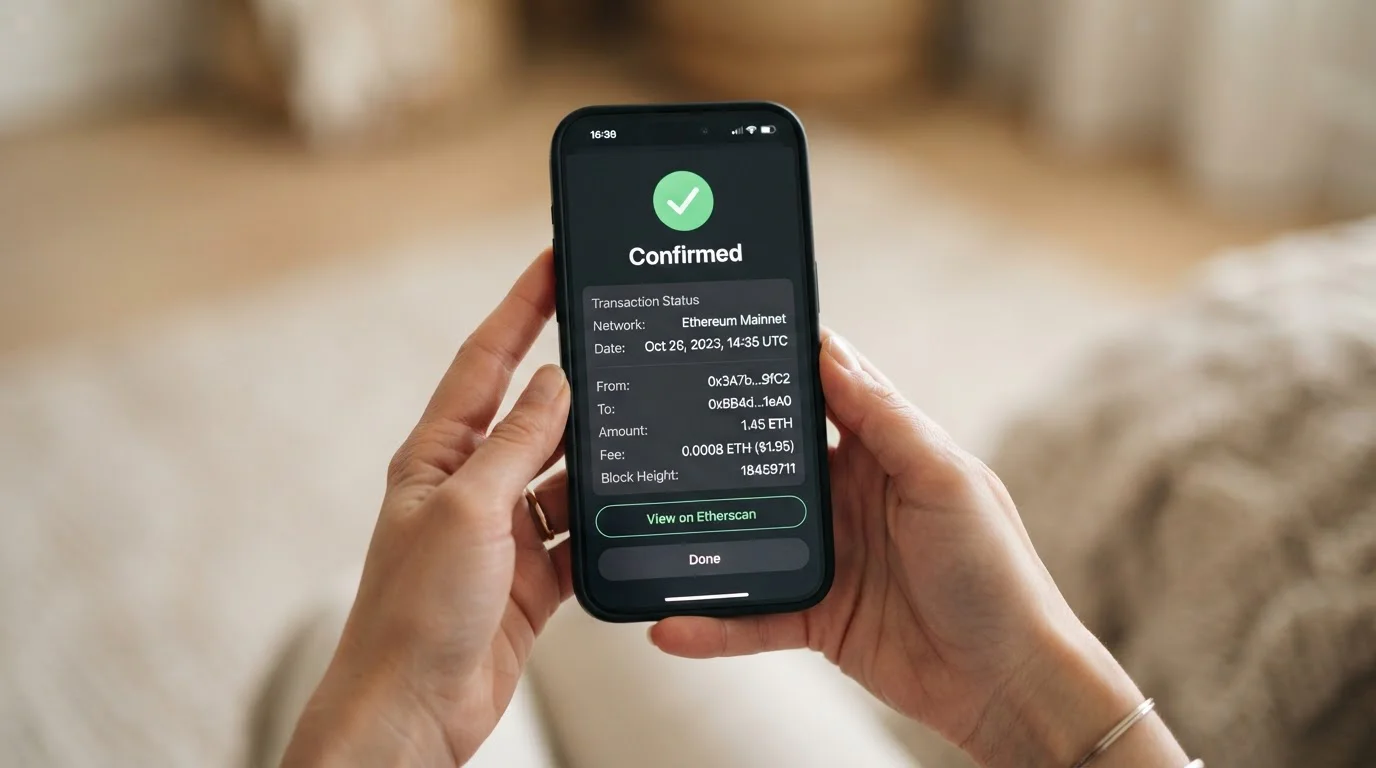
Timeline two: payment-rail delivery. Once the casino releases funds, the payment network executes. Crypto settles in minutes (blockchain confirmation time). E-wallets deliver instantly to your Skrill or Neteller account. Cards and bank transfers take one to five business days because they route through card-network settlement windows and BACS clearing cycles. The rail is not the bottleneck—approval is.
An «instant withdrawal casino» means the rail is instant (crypto blockchain, e-wallet push). It does not mean you receive funds instantly from the moment you click the button. If your account is unverified, even a five-minute USDT TRC-20 transaction will sit pending for 12 to 24 hours while the casino reviews your documents. The blockchain executes in five minutes—after approval clears.
Why Your «Instant» Withdrawal Took 12 Hours
Most 12-hour delays trace to first-withdrawal verification. Offshore casinos, even those marketed as «no KYC,» trigger document requests either on the first cashout or when cumulative withdrawals cross a threshold (£200-£500 typical for Curaçao operators, mandatory upfront for Malta). Upload ID and proof of address, wait 24 to 72 hours for review, then subsequent withdrawals process in rail time. The 12-hour wait was approval, not blockchain delay.
Random anti-money-laundering holds also extend pending time. Deposit £50, win £5,000, request withdrawal—the pattern flags for manual review regardless of verification status. Review adds hours to days. Large withdrawals (£1,000+) trigger slower processing at many offshore operators, even when terms promise «instant» for amounts below that ceiling. Closed-loop rules delay method switches: deposit via Visa, your first withdrawal must return to that Visa up to the deposited amount. Only after the deposit is refunded can you withdraw remaining balance via crypto or e-wallet. This adds two to five business days (card refund time) before the fast method becomes available.
Weekend and holiday timing matters for fiat rails but not crypto. Submit a card withdrawal Friday evening—it enters the queue Monday morning, clears Wednesday or Thursday. Crypto processes 24/7; blockchain never closes. But casino approval teams may operate business hours only, so a Friday-night crypto request might not release until Monday even though the blockchain would settle it in ten minutes.
First Withdrawal vs. Return Withdrawal — What Changes
First withdrawal: longest pending time. Verification hits here if not done upfront (12-48 hours). Pattern screening is strictest (large win from small deposit triggers manual review). Closed-loop requirements apply (must return to deposit method first). Realistic total time for first crypto withdrawal at a Curaçao operator: one to 24 hours, with verification being the main variable.
Return withdrawal: fastest pending time. Verification already cleared, deposit method already validated, pattern established. Crypto clears in five to 30 minutes total (rail time plus minimal casino pending). E-wallets clear in one to four hours. Cards still take two to five business days because the rail itself is slow, but approval is quicker. Once you have one successful withdrawal on record, subsequent cashouts at the same casino skip most approval friction.
Fastest Payment Methods for Non-GamStop Withdrawals
Payment method determines rail speed. Casino approval time applies to all methods equally—the difference is what happens after release.
Cryptocurrency — The Fastest Option (5-30 Minutes)
Crypto withdrawals bypass intermediary banks. Casino sends directly to your wallet address; settlement happens on-chain. No clearing house, no BACS delay, no card-network settlement window. Blockchain never closes—request a withdrawal at 3 a.m. Sunday, it processes in minutes if approval clears. Traditional banking rails shut down weekends and holidays; crypto does not.
Lower compliance friction at offshore casinos (compared to fiat) also speeds crypto. Many Curaçao and Anjouan operators implement lighter KYC thresholds for crypto transactions because anti-money-laundering risk models treat blockchain differently—or because they simply enforce looser checks. Random verification triggers still happen, but cumulative thresholds before mandatory KYC are higher: £500-£1,000 for crypto versus £100-£300 for fiat at the same casino.
Bitcoin vs. USDT vs. Ethereum — Network Speed Breakdown
Bitcoin mainnet: ten to 60 minutes. Confirmation time depends on network congestion and the fee you (or the casino) attached to the transaction. Most operators set fees high enough to land in the next block (ten minutes), but during peak congestion, unconfirmed transactions queue longer. Realistic range: 15 to 60 minutes rail time, plus zero to two hours casino pending for verified accounts. Total: 15 minutes to two hours.
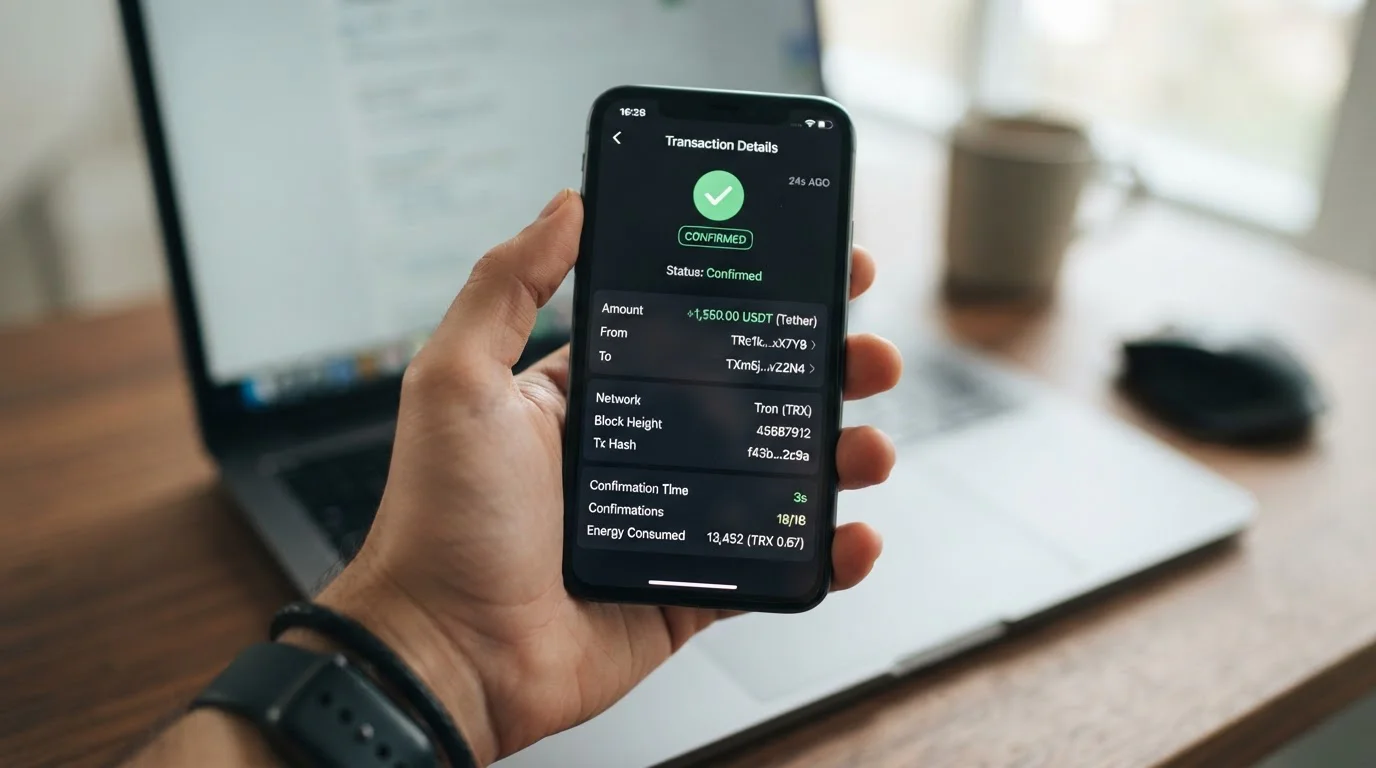
USDT on Tron (TRC-20): one to five minutes. Tron’s block time is three seconds; finality (irreversible confirmation) takes one to two minutes. Add casino pending (zero to 30 minutes for verified accounts) and you hit five to 30 minutes total. This is the fastest option on the list. Gas fees under $1.
USDT on Ethereum (ERC-20): two to 15 minutes. Ethereum block time is 12 seconds, but finality requires more confirmations than Tron. Gas fees range £2-£10 depending on network congestion. Faster than Bitcoin, slower and pricier than TRC-20.
Ethereum (ETH): two to 15 minutes, same blockchain as USDT ERC-20. Volatility is the trade-off—ETH price swings 5-10% in a session, so a £100 withdrawal might arrive as £95 or £105 in GBP terms by the time you convert it. USDT avoids this (stablecoin pegged 1:1 to USD).
Litecoin (LTC): five to 15 minutes. Block time is 2.5 minutes, faster than Bitcoin but not as fast as Tron. Lower gas fees than Ethereum. Less widely accepted than Bitcoin or USDT at offshore casinos.
Bitcoin Lightning Network: under one minute. Lightning is a Layer-2 protocol running atop Bitcoin, enabling instant finality with near-zero fees. Adoption is sparse among offshore casinos as of 2026—most still use mainnet Bitcoin. Where Lightning is available, it rivals USDT TRC-20 for speed.
Bitcoin Lightning and USDT TRC-20 — Under 5 Minutes
These two networks are the speed ceiling. USDT TRC-20: blockchain finality in one to five minutes, casino pending zero to ten minutes for verified accounts, total realistic time five to 15 minutes. Bitcoin Lightning: finality under one minute, pending zero to ten minutes, total five to ten minutes. Both require prerequisites. USDT TRC-20: you need a wallet or exchange account that supports Tron network (not all do—Coinbase supports USDT ERC-20 but not TRC-20 as of 2026; Binance and Kraken support both). Bitcoin Lightning: you need a Lightning-compatible wallet (Phoenix, Breez, Wallet of Satoshi); standard Bitcoin wallets do not recognize Lightning invoices.
Gas fees are negligible: under $1 for TRC-20, fractions of a penny for Lightning. Compare that to Ethereum, where a single ERC-20 transfer can cost £10 during network congestion. If your offshore casino supports both USDT TRC-20 and ERC-20, choose TRC-20. If it supports both Bitcoin mainnet and Lightning, choose Lightning. The difference between five minutes and 30 minutes feels smaller on paper than in practice—watching a pending withdrawal tick past the ten-minute mark rewires your sense of time.
E-Wallets — Skrill, Neteller, and Instant Rail Delivery
E-wallets (Skrill, Neteller, MuchBetter, ecoPayz) deliver instant rail time once the casino releases funds. Request withdrawal, casino approves, Skrill balance updates within seconds. The catch: casino approval time still applies. First withdrawal: 12 to 48 hours pending while documents are reviewed. Return withdrawal: one to four hours pending at fast operators, four to 24 hours typical.
Skrill and Neteller dominate offshore-casino acceptance. Nearly every Curaçao, Malta, and Anjouan operator offers both. MuchBetter and ecoPayz trail in availability. All four require separate account setup and verification. Skrill: identity verification mandatory above €2,500 lifetime cumulative withdrawals. Neteller: verification required before first Neteller withdrawal (ID plus proof of address), but once cleared, works across all casinos accepting Neteller without re-verifying.
Fees: Skrill charges 1-2% currency conversion if the casino settles in a currency other than GBP or EUR. Withdrawal from Skrill to your UK bank account: £5.50 flat fee or 1.5%, whichever is higher. Neteller fees mirror Skrill—currency conversion around 2%, Neteller-to-bank withdrawal £5-£10 or 1.5%. Casino-to-e-wallet is usually free (no fee from casino or e-wallet provider). The fee hits when you move money from the e-wallet to your bank.
Double-KYC possibility: casino requires verification, Skrill or Neteller requires verification. If you plan to use e-wallets, verify the e-wallet account first (before depositing at the casino), then verify your casino account before requesting first withdrawal. This eliminates both approval delays in one pass. E-wallets are slower than crypto (one to four hours return withdrawal versus five to 30 minutes for crypto) but faster than cards (two to five business days). Good middle ground if you do not hold cryptocurrency and do not want to set up a wallet.
What is the fastest payment method for withdrawals at offshore casinos?
USDT on Tron’s TRC-20 network or Bitcoin Lightning deliver the fastest realistic withdrawal times: five to 30 minutes total for verified accounts, including both rail time and minimal casino pending. Standard Bitcoin takes 15 to 60 minutes, Ethereum two to 15 minutes. E-wallets like Skrill and Neteller process in one to four hours for return withdrawals at fast operators. Cards and bank transfers take two to five business days regardless of how «instant» the casino claims to be, because the rail itself (card-network settlement, BACS clearing) is slow.
Trustly Pay-N-Play — Same-Session Withdrawals Explained
Trustly is an open-banking payment provider connecting your bank account directly to the casino without card or e-wallet intermediaries. Pay-N-Play is Trustly’s innovation: at true Pay-N-Play casinos, your first deposit doubles as identity verification. Trustly pulls verified identity data from your bank during the login authorization (name, address, date of birth). Casino account auto-creates with verified status. Deposit completes, you can withdraw same session—no registration form, no separate KYC upload.
Rail time: instant. Trustly pushes funds directly to your UK bank account via open banking. No card refund delay, no e-wallet-to-bank withdrawal step. The money lands in your bank as quickly as an instant bank transfer between friends (usually within the hour, sometimes within minutes).
Prerequisites: your UK bank must support open banking. Most major banks do as of 2026—Barclays, HSBC, Lloyds, NatWest, Santander, Nationwide. Smaller banks and credit unions may not. Trustly’s coverage is broad but not universal. Check Trustly’s supported-banks list before assuming compatibility.
Availability at non-GamStop casinos: moderate. More common at Malta-licensed operators, less common at Curaçao and Anjouan. Rare at crypto-focused offshore casinos (Bitstarz, BC.Game, USDT Casino, Cloudbet do not offer Trustly as of 2026). Requires casino integration with Trustly’s API, which adds overhead. Some casinos accept Trustly deposits but do not implement full Pay-N-Play—verification still required separately, withdrawal takes 12 to 24 hours. True Pay-N-Play (instant verification, same-session withdrawal) is the exception, not the rule, among offshore operators.
Realistic withdrawal time at true Pay-N-Play implementation: zero to one hour. At non-Pay-N-Play Trustly casinos: 12 to 24 hours (standard KYC delay applies). Trustly is fastest among fiat methods when Pay-N-Play works as advertised, but crypto still beats it (five to 30 minutes versus zero to one hour). If you prefer fiat and your bank supports open banking, Trustly is worth checking. If speed is paramount and you can tolerate crypto, USDT TRC-20 or Bitcoin Lightning are faster.
Cards and Bank Transfers — Why They’re Slower (2-5 Days)
Card withdrawals take one to three business days for the card-network refund to post, plus 24 to 48 hours casino pending. Total: two to five business days. Bank transfers (BACS in the UK) take two to five business days for clearing, plus casino pending. Weekends and holidays extend both.
Why so slow? Cards route through Visa or Mastercard settlement networks, which batch transactions overnight. A withdrawal approved Monday processes Tuesday, settles Wednesday or Thursday. Bank transfers use BACS (Bankers’ Automated Clearing Services), a legacy UK clearing system that processes in three-day cycles: day one (submission), day two (processing), day three (settlement). Faster Payment Service (FPS) exists for instant GBP transfers, but most offshore casinos use BACS because FPS has stricter anti-money-laundering monitoring.
Closed-loop rules also slow card withdrawals. Deposit £200 via Visa, win £1,000, request crypto withdrawal—casino refuses. First £200 must return to the Visa (anti-money-laundering regulation). Only after that refund clears (two to five days) can you withdraw the remaining £800 via crypto. This «deposit refund then fast method» sequence adds card-rail delay even when your target method is instant.
Why use cards if they are slow? You may not have crypto or an e-wallet set up. Cards are familiar, no new account required. But if payout speed is the priority, cards are the wrong tool. The summary table below compares realistic timeframes across methods.
| Method | Rail Time | Casino Pending (First Withdrawal) | Casino Pending (Return Withdrawal) | Total Realistic Range | Prerequisites |
|---|---|---|---|---|---|
| USDT TRC-20 | 1-5 min | 0-24 h | 0-30 min | 5 min – 24 h (first), 5-30 min (return) | Wallet supporting Tron network |
| Bitcoin Lightning | <1 min | 0-24 h | 0-10 min | 5 min – 24 h (first), 5-10 min (return) | Lightning-compatible wallet |
| Bitcoin mainnet | 10-60 min | 0-24 h | 0-2 h | 15 min – 24 h (first), 15-60 min (return) | Bitcoin wallet |
| Ethereum (ETH) | 2-15 min | 0-24 h | 0-2 h | 10 min – 24 h (first), 10-20 min (return) | Ethereum wallet |
| USDT ERC-20 | 2-15 min | 0-24 h | 0-2 h | 10 min – 24 h (first), 10-20 min (return) | Wallet supporting Ethereum |
| Skrill | Instant | 12-48 h | 1-4 h | 12-48 h (first), 1-4 h (return) | Skrill account |
| Neteller | Instant | 12-48 h | 1-4 h | 12-48 h (first), 1-4 h (return) | Neteller account |
| Trustly Pay-N-Play | Instant | 0-1 h | 0-1 h | 0-1 h (true Pay-N-Play) | UK bank supporting open banking |
| PayPal | Instant | 24-72 h | 4-24 h | 1-4 days (first), 4-24 h (return) | PayPal account; limited offshore availability |
| Cards (Visa, Mastercard) | 1-3 business days | 24-48 h | 12-24 h | 2-5 business days | Card used for deposit |
| Bank Transfer (BACS) | 2-5 business days | 24-48 h | 12-24 h | 3-7 business days | UK bank account |
First-withdrawal times assume unverified account; KYC triggered mid-withdrawal. Return-withdrawal times assume verified account, previous successful cashout. Crypto offers the widest speed advantage: five minutes to 30 minutes return withdrawal versus one to four hours for e-wallets, two to five days for cards.
Verification and KYC at Non-GamStop Casinos — What «No Verification» Really Means
«No KYC casino» is shorthand for no upfront verification—register with email and password, deposit, play. It does not mean «never requires documents under any circumstance.» Thresholds exist. Cross them, and KYC becomes mandatory.
Threshold-Based KYC — When Documents Are Actually Required
Most «no-KYC» offshore operators allow cumulative withdrawals up to £200-£500 without documents. Above that, or on random anti-money-laundering triggers, identity verification locks the cashout. Threshold is cumulative, not per-transaction: withdraw £100 Monday, £150 Wednesday, £200 Friday—total £450. If the threshold is £500, Friday’s £200 withdrawal may trigger KYC because cumulative total is approaching or crossing the limit.
Crypto thresholds tend higher than fiat thresholds at the same casino. A Curaçao operator might allow £500 crypto withdrawals no-doc, but only £200 fiat withdrawals before requiring verification. Anti-money-laundering risk models treat crypto and fiat differently—rightly or wrongly, offshore operators implement looser checks on blockchain transactions.
First-withdrawal KYC triggers are common even when cumulative totals are low. Some operators allow the first small cashout (under £100) no-doc to build trust, then require full verification before the second withdrawal. Others trigger KYC randomly based on activity patterns: large win from small deposit, rapid deposit-and-withdrawal cycles, or simply «your turn came up in the compliance queue.»
What KYC requests typically include: photo ID (passport, driving license, or national ID card, both sides if applicable), proof of address (utility bill, bank statement, or government letter dated within last three months), payment verification (screenshot of e-wallet account page showing name and email, or photo of card with middle digits obscured). Turnaround: 24 to 72 hours at most offshore operators. Malta-licensed faster (12-48 hours), understaffed Curaçao operators slower (48-96 hours possible).
Do I need to verify my identity (KYC) to withdraw from a non-GamStop casino?
Eventually, yes. Most offshore casinos market as «no verification» but trigger document requests after cumulative withdrawals cross £200-£500 (Curaçao typical), or immediately before first withdrawal (Malta mandatory). Crypto withdrawals often have higher no-doc thresholds than fiat. Front-loading verification—uploading ID and proof of address before requesting your first withdrawal—eliminates pending delays. Verified accounts clear crypto cashouts in five to 30 minutes; unverified accounts wait 12 to 48 hours for document review even at «instant» casinos.
Curaçao vs. Malta vs. Anjouan — Verification Rules by License
Licensing jurisdiction governs KYC timing and recourse. These are not cosmetic distinctions—they shape the entire withdrawal experience.
Curaçao Gaming Authority (CGA): Reformed in 2024 into a unified licensing body replacing earlier sub-licenses. Curaçao operators implement lighter KYC than Malta. Typical threshold: £200-£500 cumulative withdrawals before mandatory verification. Some operators trigger random checks below that; others allow higher limits before enforcing. First-withdrawal experience: small cashout (under £200) may process no-doc in two to 24 hours. Larger amounts or cumulative totals above threshold: KYC required, 24-72 hour turnaround. Return withdrawals at verified accounts: one to four hours for e-wallets, five to 30 minutes for crypto. Player recourse if disputes arise: operator’s own dispute process (quality varies), no formal regulatory ADR mechanism. Funds-segregation rules weaker than Malta.
Malta Gaming Authority (MGA): EU-standard anti-money-laundering compliance. MGA operators require identity verification before first withdrawal, regardless of amount. No threshold games—upload ID and proof of address after first deposit, wait 12 to 48 hours for approval, then withdraw. First-withdrawal experience: 12 to 48 hours pending for KYC, then rail time (instant for e-wallets, minutes for crypto, days for cards). Return withdrawals: under 24 hours typical, often under four hours for e-wallets and crypto. Player recourse: MGA Player Support formal complaint mechanism. Funds segregation mandated. Stronger protections than Curaçao, but mandatory upfront KYC adds friction.
Anjouan (Autonomous Island of Anjouan): Lightest regulatory oversight on this list. Anjouan-licensed operators often allow higher no-doc thresholds (£500-£1,000) before triggering verification. Faster onboarding than Malta or Curaçao because checks are looser. First-withdrawal experience: small to mid-size cashouts may clear with minimal or no KYC. Large amounts eventually trigger verification. Turnaround: 24-96 hours (slower than Malta, variable compared to Curaçao). Player recourse: minimal. No formal ADR, limited regulatory enforcement. Funds-segregation rules weakest. Fastest cashouts when everything works smoothly, highest risk if disputes arise.
Unlicensed operators: Some sites in the «non-GamStop» space operate with no verifiable license. No regulatory KYC mandate, but operators may still implement checks for fraud prevention or payment-processor requirements. Highest risk—zero recourse if the operator refuses withdrawal or vanishes. Fastest cashouts when the operator honors requests (no compliance delays), but «fastest» means nothing if the money never arrives.
| License Type | Typical No-Doc Threshold | KYC Documents Required | Verification Turnaround | Recourse if Dispute |
|---|---|---|---|---|
| Curaçao CGA | £200-£500 cumulative | ID + proof of address + payment verification | 24-72 hours | Operator dispute process; no formal ADR |
| Malta MGA | Mandatory before first withdrawal | ID + proof of address + payment verification | 12-48 hours | MGA Player Support formal complaint mechanism |
| Anjouan | £500-£1,000 (variable) | ID + proof of address | 24-96 hours | Minimal; limited regulatory enforcement |
| Unlicensed | Variable or none | Variable or none | Variable | None |
Malta offers strongest protections but slowest onboarding (mandatory upfront KYC). Curaçao balances speed and safety—small cashouts clear quickly, verification triggers above thresholds, recourse limited but operator accountability higher than Anjouan. Anjouan fastest when working, riskiest when not.
How to Front-Load Verification and Avoid Delays
Upload ID and proof of address immediately after first deposit, before requesting withdrawal. Most offshore casinos accept documents via account dashboard (upload JPG/PNG, usually under 5 MB). Email submission also common (send scans to support address listed in footer). Document requirements: photo ID clear and legible, all four corners visible, no glare. Proof of address dated within last three months, full name and address visible.
Once uploaded, wait for approval confirmation (12-72 hours depending on operator and license type). Then request withdrawal. Casino approval skips the KYC queue because verification is already cleared. Crypto cashouts process in rail time (five to 30 minutes), e-wallets in one to four hours. The front-load strategy trades upfront waiting time for zero pending time on every subsequent withdrawal. One 24-hour wait beats twelve separate 24-hour waits across a year.
Verification stays valid across return visits—log in six months later, your KYC status persists. No need to re-verify unless the operator requests updated documents (rare, usually triggered by large withdrawals or regulatory audits). Operators with stricter compliance (Malta-licensed, some Curaçao operators) may re-verify annually or when withdrawal behavior changes significantly.

First-Withdrawal KYC Triggers — What Happens and How Long It Takes
First withdrawal lands in manual review even at «instant» casinos. Compliance team checks bonus wagering completion (if you claimed a welcome offer), screens transaction pattern (deposit amount, win size, withdrawal speed), verifies receiving method matches deposit method (closed-loop). If your account is unverified, KYC request arrives via email or account notification. Upload documents, wait 24 to 72 hours, approval clears, withdrawal releases.
Large win from small deposit amplifies scrutiny. Deposit £50, win £5,000, request withdrawal—pattern flags for extended review regardless of verification status. Extended review: 48 hours to one week. Operator may request source-of-funds documentation (bank statements proving the £50 deposit came from legitimate income). This is rare at offshore casinos (more common at UKGC operators under affordability checks), but it happens at Malta-licensed and some Curaçao operators when win-to-deposit ratios are extreme.
Withdrawal caps at some operators force split cashouts. BC.Game caps at €10,000 per month (€5,000 if balance exceeds 10x deposits). Win £20,000, you withdraw £10,000 this month, £10,000 next month. Each withdrawal enters review separately, doubling pending windows. Bitstarz, Cloudbet, and USDT Casino list no withdrawal ceilings once verified, though undisclosed limits may apply—test with smaller amounts first.
What «Casino Not on GamStop» Means for UK Players
GamStop is the UK’s national self-exclusion scheme. Launch: April 2018. Became mandatory for all UK Gambling Commission-licensed operators March 31, 2020. When a UK resident registers with GamStop, their details are added to a central database. Every UKGC-licensed casino checks that database in real-time when an account is opened. Match found: account creation blocked. The exclusion lasts six months, one year, or five years depending on what the person selected.
«Casino not on GamStop» describes an operator that holds no UKGC license and therefore has no obligation to connect to the GamStop database. Offshore operators—licensed in Curaçao, Malta, Anjouan, Gibraltar, or elsewhere—are not part of the scheme. A self-excluded person invisible to offshore casinos.
Why These Casinos Aren’t on GamStop — Offshore Licensing Explained
GamStop reaches only UKGC-licensed operators. It is a UK regulatory tool, not an international one. An operator licensed in Curaçao or Malta owes no compliance to the UK Gambling Commission. GamStop database access requires a UKGC remote operating license. No license, no database connection, no exclusion enforcement.
Offshore operators target UK players despite lacking UKGC authorization. This is an operator offense under Section 33 of the Gambling Act 2005, not a player offense. The legal risk sits with the casino, not the person depositing. UK authorities have limited enforcement reach over foreign-licensed operators—payment-processor blocking and advertising restrictions are the main levers, not player prosecution.
Why offshore casinos market to UK players when doing so violates UK law: enforcement is weak, UK market is lucrative, and operators accept the calculated risk. Some offshore casinos geo-block UK IP addresses to avoid legal exposure; most do not. The ones that appear in this guide accept UK registrations openly as of 2026.
Is It Legal for UK Players? (Operator Offense, Not Player Offense)
Playing at a non-GamStop casino is not illegal for UK players under the Gambling Act 2005. The law regulates operators, not consumers. An offshore operator offering services to UK customers without a UKGC license commits an offense. The player using that service does not. No UK statute criminalizes placing bets at an unlicensed site.
That said, «not illegal» does not mean «safe» or «protected.» UK statutory consumer protections (UKGC Alternative Dispute Resolution, segregated funds requirements, responsible-gambling safeguards, advertising standards) do not apply at offshore casinos. If an offshore operator refuses withdrawal, you cannot escalate to UKGC or IBAS (Independent Betting Adjudication Service). Recourse depends on the offshore licensing jurisdiction: Malta offers formal player-support mechanisms, Curaçao offers weaker processes, Anjouan offers minimal recourse, unlicensed offers none.
Are non-GamStop casinos safe?
Safety depends on licensing. Malta-licensed operators (MGA) enforce EU-standard protections: mandatory KYC, funds segregation, formal dispute resolution. Curaçao-licensed operators vary widely—some are stable and responsive, others delay withdrawals or impose arbitrary terms. Anjouan-licensed operators carry higher risk due to minimal regulatory oversight. Unlicensed operators carry maximum risk. Check license status in public registries (Malta Gaming Authority, Curaçao Gaming Control Board) before depositing. Established operators with multi-year track records (Bitstarz since 2014, Cloudbet since 2013) are safer bets than sites launched last month.
What UK Protections You Lose at Offshore Casinos
UKGC-licensed operators must segregate customer funds in separate bank accounts, guaranteeing payouts even if the operator goes insolvent. Offshore operators face no such mandate. Curaçao and Malta require some fund protection, but standards are weaker than UK rules. Anjouan and unlicensed operators offer none.
UKGC operators must offer deposit limits, loss limits, time-out features, and self-exclusion tools directly on the site. Offshore operators may offer some of these voluntarily, but enforcement is optional. No regulatory requirement to honor a self-imposed limit.
Dispute resolution: UKGC operators must join IBAS or another approved ADR scheme. Player complaint escalates to independent arbitration if the casino does not resolve it. Offshore operators’ dispute processes vary by jurisdiction—Malta has formal ADR, Curaçao and Anjouan do not. Complaints against offshore operators often dead-end at the operator’s own support team.
Responsible-gambling protections: UKGC mandates affordability checks, source-of-funds verification for large deposits or losses, and gambling-harm interventions. Offshore operators face no such rules. This cuts both ways—lighter checks mean faster onboarding and no intrusive affordability questionnaires, but also no safety net if problem gambling escalates.
Marketing and bonus-term fairness: UKGC enforces strict advertising standards and fair bonus terms (wagering requirements, expiry windows). Offshore operators self-regulate. Some maintain transparent terms; others bury rollover requirements or impose withdrawal limits on bonus winnings after wagering is complete.
Licensing Jurisdictions and What They Mean for Withdrawals
Licensing jurisdiction shapes verification timing, recourse options, and funds safety. Treat the license as a withdrawal-speed variable, not just a compliance checkbox.
Curaçao Gaming Authority — Light KYC, Fast Onboarding, Weaker Recourse
Curaçao reformed its licensing structure in 2024, consolidating multiple sub-licenses (1668/JAZ, 8048/JAZ, 5536/JAZ, others) into a single Curaçao Gaming Authority (CGA) regime. Operators holding older sub-licenses transitioned to the new system or surrendered their permits. New licenses carry an OGL prefix (e.g., OGL/2024/165/0185 for Bitstarz).
KYC thresholds: £200-£500 cumulative withdrawals before mandatory verification is typical. Some Curaçao operators enforce stricter upfront KYC; others allow £1,000+ before triggering checks. Variability is high because CGA enforcement is lighter than MGA. First-withdrawal experience: small cashouts (under £200) often process without documents in two to 24 hours. Above threshold or on random triggers: ID and proof of address required, 24-72 hour turnaround. Return withdrawals at verified accounts: crypto five to 30 minutes, e-wallets one to four hours.
Funds segregation: required under CGA rules but enforcement is inconsistent. Operators must hold player funds separately from operating capital, but audits are less frequent and transparent than Malta. Insolvency risk higher than MGA-licensed casinos.
Dispute resolution: no formal ADR mechanism. Complaints escalate to the operator’s support team, then to CGA if the operator does not resolve it. CGA’s public complaint process is opaque—outcomes rarely published, enforcement actions rare. Player recourse weaker than Malta, stronger than Anjouan.
Withdrawal speed versus protection trade-off: Curaçao offers faster onboarding and lighter KYC than Malta, but weaker player protections. Choose Curaçao-licensed operators with established track records (Bitstarz, Cloudbet) over newly launched sites with no operating history.

Malta Gaming Authority (MGA) — Stricter Verification, Stronger Player Protections
MGA enforces EU-standard anti-money-laundering compliance. All MGA-licensed operators require identity verification before first withdrawal, regardless of amount or payment method. No threshold games, no «small test withdrawal» workaround. Deposit, play, win, request withdrawal—KYC request arrives. Upload ID and proof of address, wait 12 to 48 hours for approval, then cashout releases.
The mandatory upfront KYC is slower than Curaçao’s threshold model for first-time users, but return-withdrawal speed compensates. Once verified, MGA operators process crypto cashouts in under 24 hours (often under four hours), e-wallets in four to 24 hours. Pending time drops to near-rail time because verification is already cleared.
Funds segregation: mandatory and audited. MGA requires operators to hold player funds in separate accounts at licensed credit institutions within the EU. Quarterly audits verify compliance. Insolvency protection stronger than Curaçao.
Dispute resolution: MGA Player Support Unit offers formal complaint escalation. File complaint with operator, escalate to MGA if unresolved within specified timeframe (usually 30 days). MGA investigates, mediates, and can impose binding decisions on operators. Player recourse significantly stronger than Curaçao or Anjouan.
Responsible-gambling tools: MGA mandates deposit limits, loss limits, self-exclusion tools on all licensed sites. Operators must display these tools prominently and honor self-imposed limits. Enforcement is stricter than Curaçao.
Withdrawal speed versus protection trade-off: MGA is slower upfront (mandatory KYC before first withdrawal) but faster on return cashouts. Stronger protections (funds segregation, formal ADR, responsible-gambling tools) make MGA-licensed operators the safest choice among non-GamStop casinos. If Rabona’s MGA license is verified, it sits in the safety tier above Curaçao operators. If not verified, treat it as Curaçao or Anjouan.
Anjouan and Unlicensed Operators — Fastest Payouts, Highest Risk
Anjouan (Autonomous Island of Anjouan, part of Comoros) offers gaming licenses with minimal oversight. Licensing requirements are light: pay the fee, meet basic incorporation standards, and you are licensed. No ongoing compliance audits, no player-complaint ADR, no enforced responsible-gambling standards.
KYC thresholds: highest on this list. Anjouan-licensed operators often allow £500-£1,000 cumulative withdrawals before triggering verification, sometimes higher. Some implement no mandatory KYC at all (relying on payment-processor requirements as the only check). First-withdrawal experience: small to mid-size cashouts may clear with minimal or zero documentation. Large amounts or suspicious patterns eventually trigger requests, but enforcement is inconsistent.
Funds segregation: not mandated. Operators may voluntarily segregate funds, but no regulatory requirement or audit process exists. Insolvency risk highest among licensed jurisdictions.
Dispute resolution: none. Complaints escalate to the operator’s support team and stop there. Anjouan licensing authority does not mediate player disputes. If the operator refuses withdrawal or imposes arbitrary terms, you have no formal recourse beyond public complaints (forums, review sites).
Withdrawal speed: fastest when the operator honors requests. No compliance delays, no mandatory KYC queue, minimal pending time. BC.Game (Anjouan ALSI-202410011-FI1) clears crypto withdrawals in four to ten minutes for verified accounts. But «fast when working» is not the same as «reliable.» Anjouan-licensed operators carry higher risk of arbitrary withdrawal refusals, account closures, or bonus-term disputes with no recourse.
Unlicensed operators: some «non-GamStop» sites operate with no verifiable license. No regulatory KYC mandate, no funds-segregation requirement, no oversight. Fastest cashouts in theory (zero compliance friction), but maximum risk in practice. If the operator vanishes or refuses withdrawal, you have no regulatory body to complain to. Avoid unless you can afford to lose the deposited amount.
What happens if my withdrawal is delayed or denied at a non-GamStop casino?
Contact the casino’s support team first. Most delays trace to incomplete KYC (upload missing documents) or bonus wagering not completed (check rollover progress in account dashboard). If the casino refuses withdrawal without valid reason, escalate based on licensing jurisdiction. Malta-licensed: file complaint with MGA Player Support Unit. Curaçao-licensed: escalate to CGA (limited effectiveness). Anjouan or unlicensed: no formal recourse; public complaints (Trustpilot, AskGamblers, CasinoMeister) and payment-dispute mechanisms (chargeback via card issuer if deposit was recent) are the only levers.
How to Withdraw from a Non-GamStop Casino — Step-by-Step
The mechanics are universal across offshore casinos. Payment method and verification status determine speed; the workflow stays the same.
Step 1: Choose Your Payment Method (Crypto vs. E-Wallet vs. Card)
Choose before depositing. Closed-loop rules require withdrawals to return to the deposit method first, up to the deposited amount. Deposit £200 via Visa, you cannot withdraw via crypto until that £200 is refunded to Visa (two to five business days). Only remaining balance can cash out via a different method.
If payout speed is the priority, deposit via crypto or e-wallet from the start. USDT TRC-20 or Bitcoin delivers five to 30 minute return withdrawals. Skrill or Neteller delivers one to four hour return withdrawals. Depositing via card locks you into card withdrawal for at least the deposit amount, adding two to five days to every cashout.
Step 2: Verify Your Account (Front-Load KYC for Fastest Payouts)
Upload ID and proof of address immediately after first deposit, before playing. Do not wait for the KYC request to arrive mid-withdrawal. Most offshore casinos accept uploads via account dashboard («Documents» or «Verification» section). Accepted formats: JPG, PNG, PDF under 5 MB per file. Email submission: send scans to support address listed in footer or live chat.
Required documents: photo ID (passport, driving license, or national ID card, full document visible, all four corners, no glare), proof of address (utility bill, bank statement, council tax bill, or government letter dated within last three months, full name and address visible), payment verification (screenshot of e-wallet account page showing name and email, or photo of card with middle six digits obscured, first four and last four visible).
Wait for approval email (12-72 hours depending on operator and license type). Then request withdrawal. Approval clears instantly because verification is done. Crypto processes in five to 30 minutes, e-wallets in one to four hours. The front-load eliminates the 12-48 hour pending window that hits unverified accounts.
Step 3: Request Withdrawal and Track Status
Log into casino account, navigate to cashier or withdrawal section, select payment method, enter amount, confirm. Some casinos require entering wallet address (crypto) or e-wallet email (Skrill, Neteller). Card withdrawals auto-populate the card used for deposit.
Withdrawal enters «pending» status. Pending time: zero to 24 hours first withdrawal (unverified), zero to two hours return withdrawal (verified). Casino approval team reviews bonus wagering completion, verifies receiving method, releases funds. Status updates to «approved» or «processing,» then «completed» once funds leave casino wallet.
Track status in account dashboard. Most offshore casinos display pending/approved/completed labels. Some send email notifications at each stage. If status stays pending beyond 48 hours, contact live chat or support email. Common delays: KYC documents pending review (upload any missing items), bonus wagering incomplete (check rollover progress), payment-method mismatch (closed-loop requires deposit method first), random AML hold (large win from small deposit triggers manual review).
What Can Delay Your Withdrawal — Common Issues and Fixes
Random KYC on first withdrawal: you thought the casino was «no verification,» but the first cashout triggers a document request. Upload ID and proof of address, wait 24-72 hours, withdrawal releases. This is threshold-based KYC in action—threshold was zero for this operator, or you crossed it faster than expected.
Bonus wagering incomplete: claimed a welcome bonus, played, won, requested withdrawal—rejected because wagering requirement (40x deposit plus bonus, for example) is not met. Check rollover progress in account dashboard. Casino displays «wagering remaining» or similar metric. Play through the requirement, then withdraw. Alternatively, forfeit the bonus (account settings or contact support) to unlock withdrawal without wagering.
Closed-loop requirement blocks method switch: deposited via Visa, want to withdraw via USDT. Casino refuses until Visa deposit is refunded first. Request card withdrawal for deposit amount (two to five business days), then request crypto withdrawal for remaining balance. Or deposit via crypto next time to avoid the problem.
Withdrawal cap forces split cashouts: won £20,000, operator caps withdrawals at £10,000 per month (BC.Game, for example). First £10,000 processes this month, second £10,000 processes next month. Each withdrawal enters pending review separately. No workaround beyond choosing operators with higher or no caps (Cloudbet, Bitstarz list no ceilings once verified).
Crypto held for AML review: deposited £50, won £5,000 via crypto, requested withdrawal—held for 48 hours to one week for enhanced due diligence. Large win from small deposit flags anti-money-laundering screening. Upload source-of-funds documentation if requested (bank statement proving the £50 came from legitimate income). Review clears, withdrawal processes. This is rare at offshore casinos (more common at UKGC operators), but it happens at Malta-licensed and some Curaçao operators.
Payment-processor downtime: casino approves withdrawal, but crypto blockchain is congested (Bitcoin mempool full during bull run) or e-wallet API is offline (Skrill maintenance window). Funds sit in «processing» until network clears. Nothing you can do except wait. Crypto congestion resolves in hours; e-wallet downtime in minutes to hours.

Can I withdraw to a different payment method than I deposited with?
Usually no, or only after closed-loop requirement is met. Most casinos enforce anti-money-laundering rules requiring withdrawals to return to the deposit method first, up to the deposited amount. Deposit £200 via Visa, withdraw £200 to Visa, then withdraw remaining balance via crypto or e-wallet. Crypto-to-crypto and e-wallet-to-e-wallet switches are usually flexible (deposit via Bitcoin, withdraw via USDT). Check casino withdrawal policy in terms or ask live chat before depositing. Some offshore operators are more flexible than UKGC sites; others stricter.
New Non-GamStop Casinos with Fast Withdrawals
New entrants in the offshore space as of 2026 include operators launching under reformed Curaçao CGA licenses and Anjouan permits. Established names (Bitstarz, Cloudbet) maintain faster track records because operational kinks are ironed out. New casinos promise «instant» payouts but lack long-term withdrawal-performance data. If trying a new operator, test with a small deposit (£20-£50) and small withdrawal (under threshold, if documents not required) before committing larger amounts. Withdrawal clears in claimed timeframe? Verification process is transparent? Proceed. Withdrawal delayed without explanation, or KYC requests are vague? Withdraw remaining balance and move to an established operator.
Newly launched sites to watch as of 2026: those transitioning from old Curaçao sub-licenses to unified CGA regime (rebrands, relaunches with new license numbers). Verify new license in Curaçao Gaming Control Board registry before depositing. Sites launched in 2024-2026 with Anjouan licenses carry higher risk than established Curaçao operators—Anjouan oversight is minimal, and new operators have no track record of honoring large withdrawals.
Bonuses at Fast-Payout Non-GamStop Casinos
Offshore casinos offer larger welcome bonuses than UK-licensed operators (£4,000-£5,000 packages versus £100-£500 UKGC-capped offers), but wagering requirements govern withdrawal timing. A £500 bonus with 40x wagering means you must wager £20,000 (£500 × 40) before withdrawing bonus winnings. Play £20,000 through slots at £1 per spin: 20,000 spins. At 5 seconds per spin: 27 hours of play. That 27-hour delay sits before the «instant» withdrawal clock even starts.
No-wagering bonuses exist at some offshore casinos but are rare. Wager-free spins or cashback with 1x rollover are the middle ground—light wagering, faster unlock. If payout speed is the priority, either skip the bonus (deposit, play with cash balance, withdraw winnings without rollover) or claim a low-wagering offer (10x or under). High-rollover bonuses (40x, 50x, 60x) stretch withdrawal timelines regardless of how fast the payment rail is.
Slots and Live Casino Games at Fast-Withdrawal Sites
Game variety at offshore casinos rivals or exceeds UK-licensed operators. Bitstarz: 6,500+ titles. BC.Game: 9,000+. Rabona: 3,000+. Provider rosters include Pragmatic Play, Evolution, NetEnt, Microgaming, Play’n GO, Yggdrasil, and smaller studios. Live casino offerings (Evolution, Pragmatic Live, Ezugi) span roulette, blackjack, baccarat, game shows. Slots include Megaways, cluster pays, bonus-buy features (restricted or banned at UKGC-licensed casinos but allowed at offshore operators).
Withdrawal speed is independent of game type—winning £1,000 on a slot or £1,000 on live roulette processes identically. Game choice affects rollover speed (slots contribute 100%, table games 10-20%), which in turn affects time-to-withdrawal if you claimed a bonus. But once wagering clears, cashout timeframe depends on payment method and verification status, not what you played.
Fast Withdrawal Casinos UK 2026 — Payout Speeds Compared
Content created by the «casinopay» team
