
Best Ripple (XRP) Casinos for UK Players 2026 — Honest Offshore Guide
 Available in US
UK residents searching for casinos that accept Ripple (XRP) face a regulatory brick wall. The UK Gambling Commission prohibits cryptocurrency payments at licensed operators. No exceptions, no loopholes, no «crypto-friendly» UKGC sites waiting in the wings. XRP gambling for UK players means offshore casinos licensed in Curaçao, Malta, or Gibraltar—faster deposits, weaker protections, and zero GAMSTOP coverage.
This creates a straightforward trade-off. Offshore XRP casinos settle transactions in 3–5 seconds for under a penny in fees, bypass affordability checks, and let you play without waiting days for bank clearance. You also forfeit IBAS dispute resolution, mandatory fund segregation, and every consumer protection the UKGC mandates. Both sides of that equation matter.
The casinos below operate legally under their own jurisdictions and accept UK registrations. Each one clears XRP deposits through the XRP Ledger with destination-tag requirements that can lose your funds if ignored. We cover transaction mechanics, licensing reality, and which operators handle XRP without converting your winnings to Bitcoin at a hidden spread.
The UK Regulatory Reality: Why UKGC Casinos Don’t Accept XRP

The UK Gambling Commission’s position on cryptocurrency is categorical: licensed operators cannot accept crypto deposits, full stop. This isn’t a grey area or a matter of individual casino policy. UKGC regulations require full source-of-funds transparency for anti-money laundering compliance, and cryptocurrency’s pseudonymous transaction history makes that verification impossible under current standards.
Ripple XRP shares this prohibition with Bitcoin, Ethereum, and every other digital asset. The issue isn’t technical—XRP settles faster and cheaper than most cryptos—it’s regulatory. UKGC executives have stated that crypto asset anonymity and weak acquisition trails «consistently cause problems» for licence applicants attempting AML checks. In practice, casinos cannot trace XRP back through enough prior holders to satisfy the Commission’s source-of-funds requirements.
A March 2022 UKGC position paper explicitly excluded cryptocurrency from acceptable payment methods. That policy remains in force in 2026. Tim Miller, UKGC executive, indicated in November 2025 that the Commission is exploring a future pathway for crypto payments under a stricter framework tied to Financial Conduct Authority authorisation, but no concrete regulation or timeline exists. The FCA’s crypto licensing gateway opened in September 2026, with a new regime potentially starting October 2027—still speculative, not implemented.
Rank Group, which operates Grosvenor Casinos, paid a £5 million settlement in 2025 after regulators found the company failed to verify the source of crypto-sourced funds used by a customer. Even fiat deposits traced back to cryptocurrency sales trigger enhanced scrutiny. The regulatory message is unambiguous: crypto and UKGC licences don’t mix.
What This Means for UK Players
UK players seeking XRP casinos must use offshore operators. These casinos hold licences from jurisdictions like Curaçao, Malta (MGA), or Gibraltar, which permit cryptocurrency transactions. They legally accept UK registrations because the prohibition applies to the operator’s licence status in the UK, not to the player’s behaviour. Using an offshore casino is not illegal for UK residents; operating one without a UKGC licence while advertising to UK consumers is.
The trade-off is measurable. The table below compares UKGC-licensed protections against typical offshore frameworks.
| Protection / Feature | UKGC-Licensed Operators | Offshore (Curaçao / MGA) |
|---|---|---|
| GAMSTOP Integration | Mandatory; all licensees connected to national self-exclusion | Not connected; cannot access GAMSTOP database |
| Dispute Resolution | IBAS (free, binding adjudication) | Curaçao: often weak or non-functional; Malta: ADR available but slower |
| Fund Segregation | Legally required; player funds separated from operational capital | Curaçao: no legal mandate; Malta: required under MGA rules |
| Stake Caps | £5 per spin (25+), £2 per spin (18–24) on online slots | None; unlimited stakes permitted |
| Affordability Checks | £150 over 30 days triggers review for vulnerable customers | Rarely enforced; some casinos defer checks to withdrawal stage |
| KYC Requirements | Mandatory before play or at first withdrawal | Variable; small amounts often processed without KYC |
| Withdrawal Speed | 1–5 business days (bank transfers); 24–48 hours (e-wallets) | Crypto: 10 minutes to instant; fiat: 1–3 days |
| Payment Options | Cards, bank transfers, e-wallets; no cryptocurrency | Cryptocurrency primary; some accept fiat |
Offshore casinos offer higher limits, faster payouts, and no UKGC-style nannying. You lose recourse if a withdrawal is refused, no guaranteed fund protection if the casino folds, and zero safety net if you’re trying to self-exclude. GAMSTOP cannot block your access to offshore sites, so players with active exclusions can still register and deposit—protection intended to prevent problem gambling simply doesn’t reach these platforms.
Can I use Ripple XRP at UK-licensed online casinos?
No. UKGC regulations prohibit all licensed operators from accepting cryptocurrency deposits, including Ripple XRP. The restriction is due to anti-money laundering requirements that demand full source-of-funds transparency, which crypto’s pseudonymous transaction history cannot satisfy under current standards. No exceptions exist among UKGC-licensed casinos as of 2026.
Is using an offshore XRP casino legal for UK residents?
Yes, for the player. UK law makes it illegal for unlicensed operators to advertise to UK consumers, but it is not illegal for UK residents to use offshore casinos. The legal risk falls on the operator, not the player. However, offshore casinos operate outside UKGC jurisdiction, meaning you forfeit UK consumer protections, GAMSTOP coverage, and IBAS dispute resolution.
Best Ripple (XRP) Casinos for UK Players in 2026
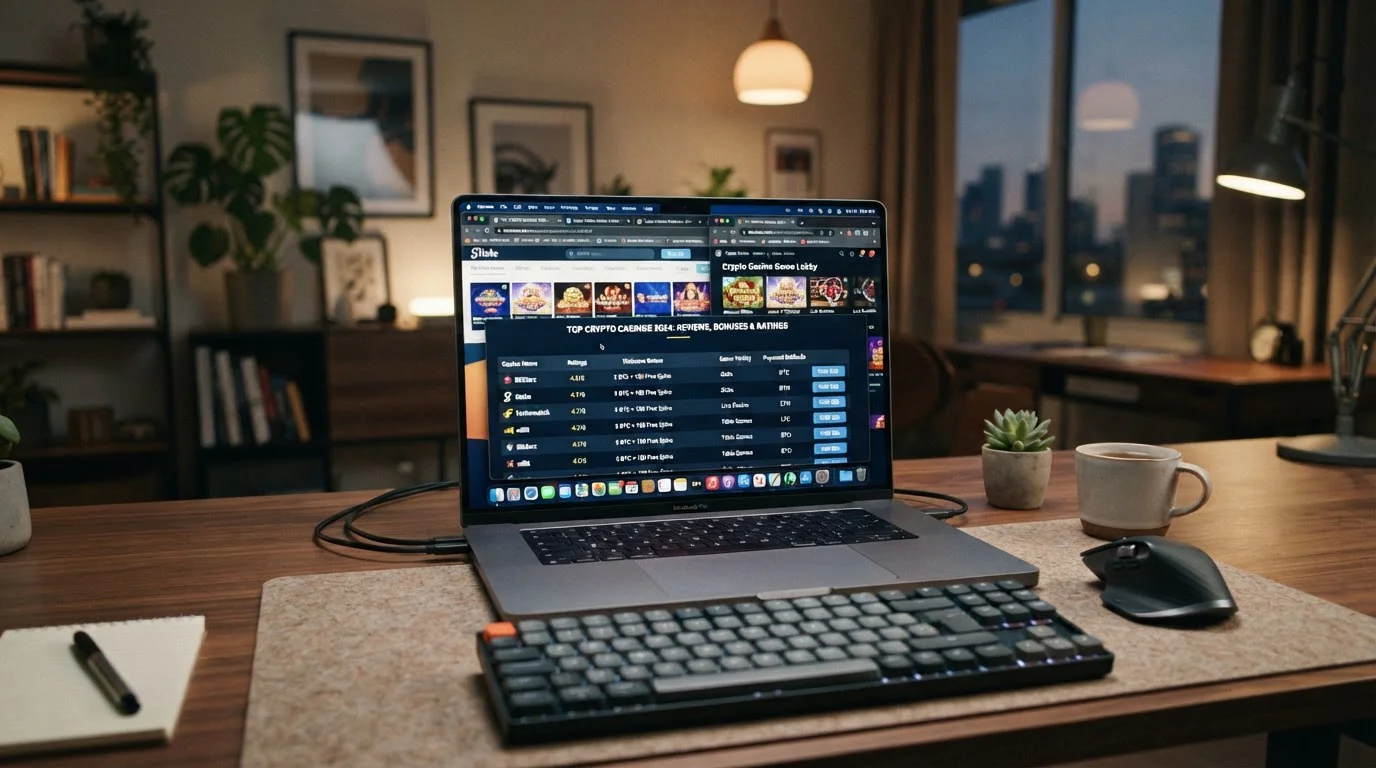
The offshore XRP casino market splits into two groups: crypto-native operators built around digital assets, and hybrid casinos that bolt crypto onto a fiat foundation. The five below represent the strongest XRP implementations for UK players, verified for current access and tested deposit/withdrawal cycles where public data permitted.
Cloudbet, often listed in XRP casino rankings, geo-blocks the UK as of 2026. UK, Germany, France, Spain, Netherlands, Belgium, Austria, Lithuania, and Malta are all restricted territories. Accessing Cloudbet from the UK requires a VPN, which violates the casino’s terms and can void winnings. It’s excluded from the breakdowns below for that reason.
| Casino | License | XRP Networks | Min Deposit | Withdrawal Speed | Distinguishing Feature |
|---|---|---|---|---|---|
| Stake | Curaçao eGaming | XRP Ledger | 10 XRP | ~20 seconds | 6,000+ games, transparent VIP tiers, one turnover required |
| BC.Game | Curaçao eGaming (CGF verified) | Ledger, BEP20, ERC20 | 0.001 XRP | Instant–10 min | 130+ cryptos, multi-network XRP, BC token rewards |
| BitStarz | Curaçao OGL/2024/165/0185 | XRP Ledger | 20 XRP | ~10 minutes | Hybrid fiat/crypto, 8,200+ games, Trustpilot 4.3/5 |
| FortuneJack | Curaçao eGaming | XRP Ledger | 15 XRP | 10–30 minutes | Active Discord, no-wager spins, 5,400+ slots |
| 7Bit Casino | Curaçao Gaming Control Board | XRP Ledger | 10 XRP | 10–20 minutes | Weekly rewards, crypto-first model, long-running |
All five require destination tags on XRP deposits. Omitting the tag or entering it incorrectly sends your funds into a pooled wallet with no way to route them to your account. Recovery is possible at some casinos through manual support intervention, but it’s slow and not guaranteed. Always copy the destination tag exactly as displayed.
Stake — Massive Scale and Transparent VIP System
Stake operates under a Curaçao eGaming licence and has run since 2017. It’s one of the largest crypto casinos by transaction volume, with sponsorship deals across Formula One and the Premier League—signals of financial stability, not small-time operation. The platform supports 20+ cryptocurrencies including XRP, processes withdrawals in roughly 20 seconds for crypto, and imposes no withdrawal ceiling once you’re verified.
XRP deposits and withdrawals are named explicitly in Stake’s terms, not buried in a generic «crypto accepted» line. The casino requires one full round of deposit turnover before any withdrawal, meaning if you deposit 100 XRP, you must wager 100 XRP across games before cashing out. That’s higher than some competitors but transparent in the rules. The game library spans 6,000+ titles including Stake Originals—provably fair in-house games like Plinko, Crash, Mines, and Dice that let you verify each result cryptographically.
Stake’s VIP system is tiered and documented: Bronze through Platinum IV, with reloads, rakeback, and monthly bonuses scaling by level. Rakeback alone returns a percentage of every wager regardless of outcome, accumulating even on losses. Most offshore casinos bury VIP terms or make them invite-only; Stake publishes the thresholds. The catch is volume: reaching meaningful tiers demands sustained high-stakes play.
BC.Game — 130+ Cryptos and Multi-Network XRP Support
BC.Game launched in 2017 and holds a Curaçao eGaming licence verified by the Crypto Gambling Foundation. It accepts over 130 cryptocurrencies—the widest selection among XRP casinos—and supports XRP across three networks: XRP Ledger (native), BEP20 (Binance Smart Chain), and ERC20 (Ethereum). Most casinos stick to XRP Ledger only; BC.Game lets you deposit wrapped XRP if you already hold it on another chain, though native Ledger transactions are faster and cheaper.
The minimum XRP deposit is 0.001 XRP, the lowest on record. For small-bankroll testing or players who want to try XRP gambling without committing 10–50 XRP upfront, BC.Game removes that barrier. Withdrawals process instantly to within 10 minutes for crypto, with no stated ceiling once you’ve completed KYC. The game library exceeds 10,000 titles, including BC Originals (crash, dice, plinko, limbo) and a full 40-sport sportsbook sharing one wallet.
BC.Game runs a native token economy: the BC token accrues through wagering, pays rakeback, and can be staked in an on-site yield vault. The token layer adds complexity—if you’re here to deposit XRP, play slots, and withdraw XRP, you’ll largely ignore it. But high-frequency players gain an extra return channel through token accumulation. The platform integrates Lightning Network support, positioning itself as crypto-infrastructure-forward rather than a casino that happens to accept crypto.
BitStarz — Hybrid Model with 10-Minute Payouts
BitStarz has operated since 2014 under Curaçao Gaming Authority licence OGL/2024/165/0185. It’s a hybrid fiat/crypto casino, meaning you can deposit via cards, e-wallets, and bank transfers alongside cryptocurrency. XRP support was added explicitly per the casino’s own blog announcement, joining Bitcoin, Ethereum, Litecoin, and others. The hybrid model attracts players who want crypto speed for payouts but fiat flexibility for deposits, or vice versa.
The game library spans 8,200+ titles from 60+ providers, with 18 in-house BitStarz Originals. Crypto withdrawals are approved in roughly 10 minutes at zero fees, and BitStarz imposes no withdrawal limits once you’ve verified your account. The welcome package scales over four deposits: up to €2,000 or 5 BTC plus 180 free spins. Trustpilot rates BitStarz 4.3 out of 5 across 5,371 reviews, with the casino answering 96% of negative feedback publicly—a transparency signal uncommon among offshore operators.
BitStarz leans toward players who value an established track record over cutting-edge features. The site explains processes in plain language instead of assuming you know what a destination tag is, making it accessible for newcomers to crypto gambling. KYC is required at withdrawal but not at deposit, so you can test the platform with a small XRP deposit before committing identity documents.
FortuneJack — Community-Driven with No-Wager Spins
FortuneJack operates under Curaçao eGaming and launched in 2014. It’s positioned as a community-driven casino, running an active Discord server with regular rewards, tournaments, and direct engagement from staff. The game library covers 5,400+ titles, heavily weighted toward slots, with support for BTC, ETH, USDT, USDC, BNB, SOL, LTC, DOGE, DASH, TRX, and POL. XRP appears in some casino listings but isn’t prominently marketed—verify XRP availability in the cashier before depositing if this is your primary method.
The welcome bonus pays in free spins rather than match deposit, and FortuneJack offers promotional codes that unlock no-wager spins. The code «CRYPTOSLATE» adds 100 no-wager free spins on deposits of €20 or more. No-wager means winnings from those spins go straight to your withdrawable balance without rollover requirements—a rarity in casino bonuses, offshore or otherwise. The catch is the spins are game-specific, typically locking you into one or two slots rather than letting you choose freely.
FortuneJack suits players who value community interaction and transparent bonus structures over the largest game library. Crypto payouts are described as fast, though specific timeframes aren’t published consistently—expect 10–30 minutes based on user reports. The loyalty program runs on accumulated wager volume, with cashback and reload bonuses scaling by tier. KYC requirements are enforced at withdrawal for larger amounts; small transactions may pass without verification.
7Bit Casino — Weekly Rewards and Crypto-First Identity
7Bit Casino is operated by Scores55 Tech B.V. under a Curaçao Gaming Control Board licence. It brands itself crypto-first with hybrid fiat support—the opposite priority from BitStarz, which leans fiat-first with crypto added. XRP support is confirmed but not featured prominently in marketing materials; the casino emphasises Bitcoin and Ethereum more heavily. Minimum deposits and withdrawal times for XRP specifically aren’t published in detail, so expect typical ranges: 10–20 XRP minimum, 10–20 minute withdrawals.
The game library spans slots, table games, video poker, and live dealer titles from established providers. 7Bit distinguishes itself through a weekly rewards calendar rather than a single upfront welcome bonus. Monday reloads, Wednesday free spins, Friday cashback—players who log in consistently accumulate more value than those chasing one large deposit match. The structure suits regular players over one-time visitors.
7Bit has run for years without major publicised disputes, a quiet reliability signal in an offshore market prone to fly-by-night operators. The casino enforces KYC at withdrawal for amounts above its internal threshold, which isn’t published. Crypto payouts process within the standard offshore timeframe; no lightning-fast claims but no chronic delays reported either. It’s a steady middle-tier option for UK players who prioritise long operational history over flashy features.
Which XRP casinos have the lowest minimum deposits?
BC.Game offers the lowest minimum XRP deposit at 0.001 XRP, making it ideal for testing or small-bankroll play. Stake, 7Bit, and BitStarz require 10–20 XRP minimums, while FortuneJack sits around 15 XRP. Minimum thresholds can change based on network fees or casino policy, so verify in the cashier before depositing.
Are XRP casinos safe for UK players?
Offshore XRP casinos are legal for UK players to use but operate without UKGC oversight. Safety depends on the individual casino’s licence jurisdiction and operational track record. Curaçao-licensed casinos have weaker dispute resolution than UKGC or Malta MGA operators. Check licensing credentials, read independent reviews, and start with small deposits to test withdrawal processing before committing larger amounts.
How to Deposit and Withdraw XRP at Online Casinos
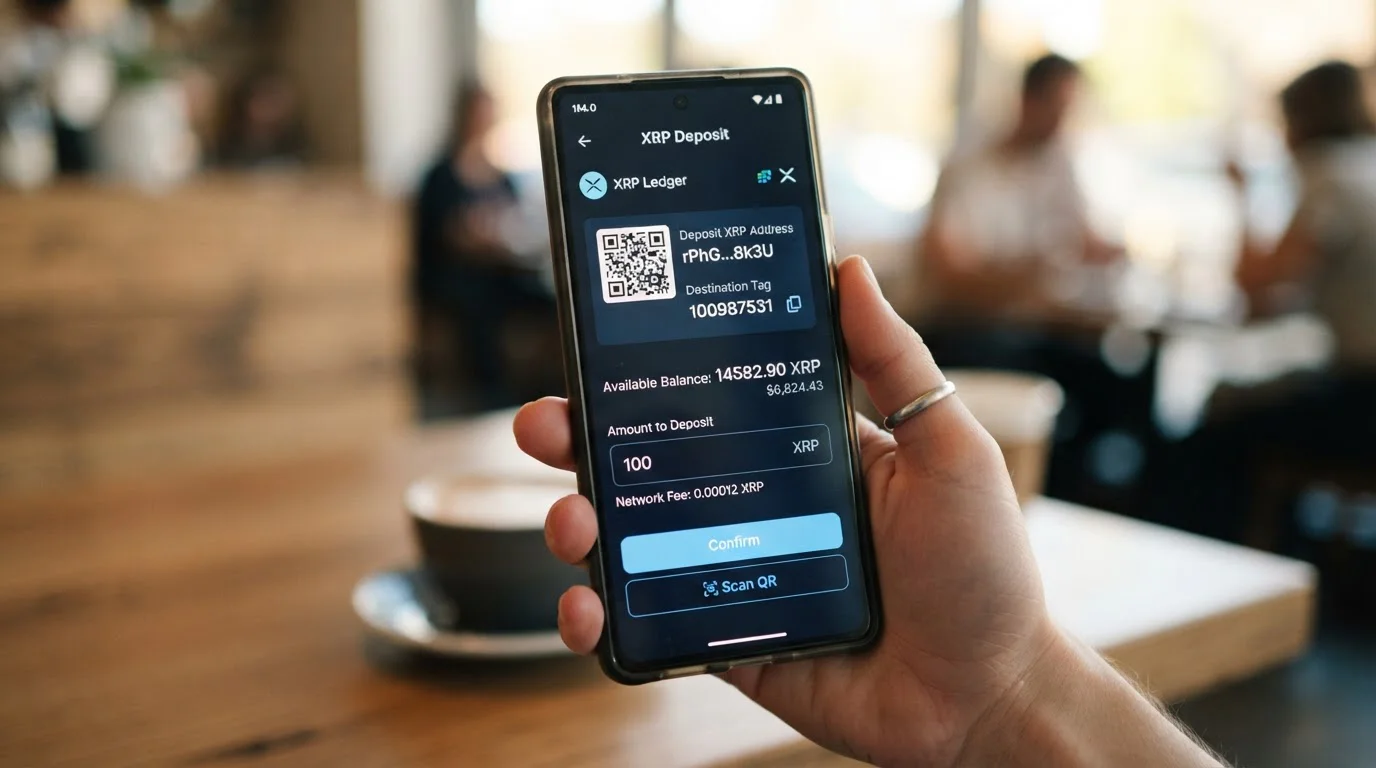
Ripple XRP transactions settle in 3–5 seconds on the XRP Ledger with network fees under $0.01—typically around 0.00001 XRP, or a fraction of a penny. That speed and cost advantage holds only if you avoid the two errors that trip up most first-time XRP depositors: sending to the wrong network or omitting the destination tag.
Understanding Destination Tags: The Critical Detail
A destination tag is a numeric identifier (memo field) that routes your XRP deposit to your specific casino account. Most exchanges and casinos use pooled wallet addresses—one public XRP address shared by hundreds or thousands of users—with unique destination tags assigning each incoming transaction to the correct account. The destination tag is not optional. Omit it, and your XRP arrives at the casino’s pooled wallet with no way to identify you as the sender.
Casinos display the destination tag alongside the deposit address in the cashier. It’s usually an 8–10 digit number. Copy it exactly. Some wallets label it «memo» or «tag»; the field name varies but the function is identical. If your wallet doesn’t show a destination tag field when sending XRP, your wallet doesn’t support it—switch to one that does. Ledger hardware wallets, Trust Wallet, Exodus, and most exchange wallets handle destination tags natively.
Recovery options if you forget the tag vary by casino. Stake and BC.Game customer support can manually credit misrouted deposits if you provide the transaction hash, but resolution takes hours to days and isn’t guaranteed. BitStarz states clearly that destination tag errors may result in lost funds. Some casinos auto-detect missing tags and pause deposits for manual review; most don’t. The safest approach is to never send XRP to a casino address without the tag pre-filled in your wallet’s send screen.
XRP Network Options: Ledger vs BEP20 vs ERC20
Most XRP casinos accept deposits only on the native XRP Ledger. That’s the original Ripple blockchain where XRP transactions settle in 3–5 seconds for sub-cent fees. A few casinos, notably BC.Game, also support wrapped XRP on Binance Smart Chain (BEP20) and Ethereum (ERC20). Wrapped XRP is an ERC-20 or BEP-20 token pegged 1:1 to native XRP, tradeable on decentralised exchanges and usable in DeFi protocols.
Wrapped XRP deposits are slower and more expensive than native Ledger transactions. BEP20 transactions cost a few cents in BNB gas and settle in seconds to minutes. ERC20 transactions cost dollars in ETH gas and take minutes. If you hold native XRP, send it via XRP Ledger. Use wrapped XRP only if you already hold it on another chain and don’t want to bridge it back.
Some casinos list «XRP» without specifying the network, then reject deposits sent on the wrong chain. Always check which network the casino’s deposit address belongs to. XRP Ledger addresses start with «r» and are 25–35 characters. Ethereum addresses start with «0x» and are 42 characters. Binance Smart Chain uses the same address format as Ethereum but operates on a different network—sending to the wrong one loses your funds permanently.
Step-by-Step: Making Your First XRP Deposit
Open the casino’s cashier and select XRP as your deposit method. The casino displays a deposit address and a destination tag. Write down both. Do not skip the destination tag.
Open your XRP wallet. If using an exchange (Coinbase, Kraken, Binance), navigate to the withdrawal screen. If using a software or hardware wallet, open the send function. Paste the casino’s XRP deposit address into the recipient field. Enter the amount you want to deposit. Locate the destination tag / memo field in your wallet and paste the tag exactly as the casino displayed it. Double-check both the address and the tag. A single wrong character sends your XRP into the void.
Confirm the transaction. XRP Ledger charges 0.00001 XRP as the base network fee, deducted automatically. Your wallet shows the transaction as pending, then confirmed within seconds. Return to the casino cashier and refresh. Most casinos credit XRP deposits after 1–3 network confirmations, typically under one minute. If your deposit doesn’t appear within five minutes, check the transaction hash on an XRP block explorer. If the transaction succeeded on-chain but isn’t credited, contact casino support with the hash.
Withdrawal Process and Timing
Withdrawals reverse the process. Navigate to the casino’s withdrawal page, select XRP, enter the amount, and provide your personal XRP wallet address plus your wallet’s destination tag if required. Most personal wallets don’t use destination tags for incoming transactions—only exchanges and pooled services do—so you can leave the tag field blank when withdrawing to your own wallet. If withdrawing to an exchange, you must include the exchange’s destination tag or the exchange won’t credit your account.
Crypto-native casinos like Stake and BC.Game process XRP withdrawals in 10 seconds to 10 minutes. Hybrid casinos like BitStarz and FortuneJack take 10–30 minutes. Processing time is internal casino approval; once approved, the XRP transaction itself settles in 3–5 seconds on-chain. Casinos verify your account details, check for bonus abuse flags, and sometimes manually review large withdrawals before releasing funds.
KYC is often triggered at first withdrawal. The casino requests ID, proof of address, and occasionally a selfie or payment method verification. Upload documents through the casino’s account dashboard. Verification takes hours to days depending on the casino’s backlog. Crypto casinos generally enforce lighter KYC than fiat operators, but amounts above $2,000–$5,000 equivalent almost always require full verification.
What is a destination tag and why is it important for XRP deposits?
A destination tag is a numeric identifier that routes your XRP deposit to your specific casino account within a pooled wallet address. Casinos use one shared XRP address for all players, with unique tags distinguishing each user. Omitting the destination tag sends your XRP to the casino’s wallet with no way to identify you as the sender, often resulting in lost funds or lengthy manual recovery.
What happens if I forget to include the destination tag on an XRP deposit?
Your XRP arrives at the casino’s pooled wallet but cannot be credited to your account. Some casinos offer manual recovery through customer support if you provide the transaction hash, but resolution takes hours to days and isn’t guaranteed. Other casinos state that destination tag errors result in permanent loss. Always include the destination tag exactly as displayed in the cashier.
How fast are XRP deposits and withdrawals at online casinos?
XRP deposits settle on the XRP Ledger in 3–5 seconds with network fees under $0.01. Casinos credit deposits after 1–3 confirmations, typically under one minute. Withdrawals depend on casino processing time: crypto-native casinos like Stake and BC.Game process in 10 seconds to 10 minutes, while hybrid casinos take 10–30 minutes. Once approved, the on-chain XRP transaction settles in 3–5 seconds.
XRP Casino Bonuses and Promotions
Offshore crypto casinos offer three bonus structures: traditional match deposits with wagering requirements, no-wager promotions that pay winnings directly, and rakeback programs that return a percentage of every bet. XRP deposits qualify for most bonuses, but the devil sits in two details: whether the casino pays your winnings back in XRP, and whether crypto deposits face different rollover requirements than fiat.
BitStarz, FortuneJack, and 7Bit Casino run traditional match deposit bonuses. Deposit 1 BTC or its XRP equivalent, receive 1 BTC or equivalent in bonus funds, wager 40x the bonus amount before withdrawing. The «or equivalent» wording matters. Some casinos calculate the bonus in their base currency (EUR or USD), convert your XRP deposit to that currency at deposit, then pay the bonus in the same currency. If you deposited XRP and want to withdraw XRP, the casino converts your winnings back at withdrawal—twice through the spread, once in each direction.
BitStarz and 7Bit Casino both allow XRP deposits to count toward bonus eligibility and pay winnings in the same crypto you deposited, avoiding forced conversions. FortuneJack’s no-wager free spins sidestep the issue entirely: winnings go straight to your withdrawable balance with no rollover, and you control which currency you withdraw. The trade-off is volume—no-wager bonuses are smaller than match deposits, often capped at 50–100 free spins rather than doubling your deposit.
Stake and BC.Game bypass upfront deposit bonuses in favour of VIP rakeback. Stake’s rakeback returns a percentage of your total wagers (typically 0.5%–2% depending on VIP tier), paid daily or weekly in the currency you wagered. BC.Game runs a similar structure through its BC token, with additional staking rewards if you hold tokens rather than immediately converting to XRP. Rakeback suits high-frequency players who value steady returns over one large bonus; casual players get more from a deposit match.
How do XRP casino bonuses work compared to traditional online casinos?
XRP casino bonuses mirror traditional structures—match deposits, free spins, cashback—but differ in currency handling and rollover clarity. Some casinos convert XRP to fiat at deposit, pay bonuses in fiat, then convert back to XRP at withdrawal, passing exchange rate risk to the player. Others process bonuses in the deposited cryptocurrency, avoiding conversions. Wagering requirements (typically 30x–40x) apply equally to crypto and fiat bonuses at most casinos.
Can I withdraw my winnings in XRP or will they be converted to another currency?
It depends on the casino. Stake, BC.Game, BitStarz, and 7Bit Casino support in-kind XRP withdrawals: deposit XRP, win in XRP, withdraw XRP with no forced conversion. Some offshore casinos convert crypto deposits to Bitcoin or USDT at withdrawal, often at unfavorable spreads. Check the casino’s withdrawal terms or test with a small amount before committing large deposits. Casinos that explicitly list XRP in withdrawal options generally pay in-kind.
Games Available at XRP Casinos

Offshore crypto casinos source games from the same providers as UKGC-licensed operators—Pragmatic Play, NetEnt, Evolution Gaming, Play’n GO—because those studios license their catalogues internationally. The difference is breadth. UKGC casinos face stricter game approval processes and often exclude high-volatility slots or games without UK-specific RTP displays. Crypto casinos run the full provider catalogue without regional filtering.
Slots dominate the game libraries. Stake, BC.Game, and BitStarz each offer 5,000+ slot titles, spanning classic three-reelers, Megaways mechanics, cluster pays, and progressive jackpots. Popular UK-facing titles like Book of Dead, Starburst, Gonzo’s Quest, and Sweet Bonanza appear at crypto casinos exactly as they do at UKGC sites, because the RNG and game logic are identical regardless of the casino hosting them. The experience differs only in stake limits: offshore casinos impose no £5 spin cap, so you can wager £50 or £500 per spin if your bankroll supports it.
Live dealer games run through Evolution Gaming, Pragmatic Play Live, and Ezugi. Blackjack, roulette, baccarat, and game shows like Crazy Time and Monopoly Live stream from the same studios serving UKGC casinos. Some offshore casinos offer dedicated crypto live tables with bet ranges denominated in Bitcoin or XRP rather than GBP, but the dealers, rules, and RTP remain standard. Live dealer games rarely accept crypto directly at the table—your XRP balance converts to the table’s currency at join, plays in that currency, then converts back at cashout.
Provably fair games are the one category absent from UKGC casinos but common at crypto operators. Stake Originals, BC.Game Originals, and similar in-house titles use cryptographic hashing to let players verify each result’s randomness. After every round of Crash, Dice, or Plinko, the casino publishes the server seed, client seed, and nonce used to generate that outcome. You can independently recompute the result and confirm the casino didn’t manipulate it. It’s transparency impossible with third-party RNG slots, where you trust the provider’s certification without verifying individual spins.
Table games—European roulette, French roulette, blackjack variants, baccarat, video poker—appear in standard form. Offshore casinos don’t innovate here; they license the same NetEnt, Microgaming, and Play’n GO tables found everywhere. The appeal is stake flexibility and faster cashouts, not exclusive game mechanics. High-RTP blackjack (99.5%+ with optimal play) and single-zero roulette (97.3% RTP) pay the same whether you’re playing at a Curaçao casino with XRP or a UKGC casino with a debit card.
Mobile XRP Casino Play
Every casino reviewed here offers mobile-optimised sites that work in-browser on iOS and Android without downloading an app. Stake, BC.Game, BitStarz, FortuneJack, and 7Bit Casino all run responsive layouts that scale to phone screens, with touch-friendly cashiers and streamlined menus. XRP deposits and withdrawals function identically on mobile: copy the address and destination tag, paste into your mobile wallet, confirm.
Native apps exist for some operators but require sideloading on iOS (not available through the App Store) or direct APK download on Android. Stake and BC.Game both offer Android APKs from their websites. iOS users access these casinos through Safari or Chrome in-browser, which provides the full experience minus a home-screen icon. Apple’s App Store prohibits real-money gambling apps for unlicensed operators, so offshore crypto casinos can’t distribute through official channels.
Mobile XRP wallets like Trust Wallet, Exodus, and exchange apps (Coinbase, Binance) integrate seamlessly with mobile casino cashiers. Open the casino in one browser tab, your wallet in another, copy-paste the deposit address and tag between them. Some wallets support QR code scanning for addresses, but destination tags must still be entered manually—no QR code encodes both fields. The three-second XRP settlement time makes mobile deposits nearly instant; refresh the casino cashier and your balance updates.
Battery drain is the main mobile-specific concern. Live dealer games and slots with heavy animations consume more power than casual browsing. Crypto casinos don’t optimise differently than fiat sites here—it’s the game provider’s code that drives battery usage, not the casino’s payment method. If playing on mobile for extended sessions, bring a charger or stick to lower-intensity table games and classic slots over high-animation video slots.
XRP Alternatives for UK Players
If XRP doesn’t fit your needs—whether due to wallet complexity, destination tag concerns, or simple preference for a different asset—offshore crypto casinos accept multiple alternatives with different speed and fee profiles. Bitcoin remains the most widely accepted cryptocurrency at offshore casinos, though its 10-minute average block time and variable fees ($1–$10 during network congestion) make it slower and more expensive than XRP. Bitcoin’s advantage is ubiquity: every crypto casino accepts BTC, and most prioritise it in bonus eligibility and VIP programs.
Ethereum settles faster than Bitcoin (12–15 seconds per block) but costs more in gas fees, especially during DeFi activity spikes. Fees range from $2 to $50 depending on network demand. Ethereum suits players who already hold ETH and want to avoid exchanging to another asset, but it’s not cost-efficient for small deposits. Litecoin offers a middle ground: 2.5-minute block times, fees around $0.01–$0.10, and wide casino acceptance. It lacks XRP’s speed but avoids destination tag requirements, simplifying the deposit process for new users.
Stablecoins—USDT, USDC, DAI—eliminate cryptocurrency price volatility. Deposit $100 USDT, and your casino balance stays at $100 equivalent regardless of market swings. XRP, Bitcoin, and Ethereum fluctuate hourly, meaning a £500 deposit might be worth £480 or £520 by the time you withdraw. Stablecoins remove that variable. The trade-off is network: USDT and USDC run on Ethereum (expensive), Tron (cheap but slower), or Binance Smart Chain (fast and cheap). Always verify which network the casino accepts before sending stablecoins, as sending on the wrong chain loses funds permanently.
New XRP Casinos in 2026
The offshore crypto casino market churns constantly, with new operators launching monthly and older ones rebranding or exiting. Betpanda launched in 2023 as a privacy-focused crypto casino and sportsbook, positioning itself as a younger alternative to established names like Stake and BitStarz. It accepts XRP among other cryptocurrencies and markets no-KYC deposits up to certain thresholds, appealing to players who prioritise anonymity over brand recognition.
New casinos trade reputation for aggressive bonuses. Betpanda and similar recent launches offer larger welcome packages and looser wagering requirements than established operators, compensating for their lack of track record. The risk is operational stability: newer casinos have fewer public withdrawal reports, less transparent dispute resolution, and higher odds of sudden closure. Established operators like BitStarz (2014), Stake (2017), and BC.Game (2017) have survived multiple market cycles and regulatory shifts; new entrants haven’t proven that resilience yet.
If testing a new XRP casino, deposit only what you can afford to lose entirely. Process a small test withdrawal before depositing larger amounts. Check independent reviews on forums like Bitcointalk or Trustpilot for user experiences. New casinos occasionally offer better UX or innovative features—Betpanda’s privacy focus and BC.Game’s multi-network XRP support were differentiators at launch—but the safest path for UK players is sticking with operators that have processed millions in withdrawals over years without major publicised disputes.
Responsible Gambling at Offshore XRP Casinos
Offshore casinos operate outside UKGC’s mandatory safer gambling framework. No stake caps, no affordability checks, no GAMSTOP integration. Some casinos offer voluntary self-exclusion and deposit limits through account settings, but enforcement is inconsistent. Stake and BC.Game both provide session time reminders and self-exclusion options ranging from 24 hours to permanent. Activating self-exclusion at one offshore casino doesn’t block access at others—you must exclude from each individually.
GAMSTOP cannot block offshore casinos because they don’t hold UKGC licences and operate outside UK jurisdiction. If you have an active GAMSTOP exclusion but can still register at an XRP casino, that’s expected. Offshore operators have no legal obligation to honour GAMSTOP exclusions and cannot access the GAMSTOP database even if willing. This creates a safety gap for problem gamblers: the self-exclusion tool designed to prevent access simply doesn’t reach these platforms.
UK residents can access BeGambleAware and GamCare regardless of where they gamble. BeGambleAware offers free counseling and support for problem gambling; GamCare provides a helpline, live chat, and local support groups. Both organisations work with individuals regardless of whether they used UKGC-licensed or offshore casinos. If XRP casino gambling is affecting your finances, relationships, or mental health, contact BeGambleAware at 0808 8020 133 or visit begambleaware.org.
Deposit limits at offshore casinos, when offered, sit in account settings. Stake lets you set daily, weekly, or monthly deposit caps. Once set, limits require a 24-hour cooling-off period to increase, though you can lower them instantly. BC.Game offers similar controls. 7Bit Casino, FortuneJack, and BitStarz have less prominent deposit limit tools—some bury them in responsible gambling pages, others require emailing support. None enforce limits as strictly as UKGC operators, where exceeding a limit is a hard block, not a warning you can override.
Reality checks—pop-up reminders showing how long you’ve been playing and how much you’ve wagered—appear at some offshore casinos but not all. Stake displays session duration in account settings; BC.Game offers optional hourly pop-ups. BitStarz and FortuneJack lack prominent reality check features in their default interfaces. If you rely on these tools to manage play, test them in account settings before depositing. Self-discipline carries more weight at offshore casinos than platform-enforced safeguards.
Loss limits function differently at offshore casinos compared to UKGC operators. UKGC sites enforce net loss limits—if you set a £100 weekly limit, the system blocks further play once you’ve lost £100 net across all activity. Offshore casinos rarely offer net loss tracking. Some provide daily, weekly, or monthly loss caps through account settings, but implementation varies. Stake’s loss limits count deposits minus withdrawals rather than true net gambling loss, meaning if you deposit £100, lose £50, withdraw £50, then deposit another £100, you’ve triggered a £100 loss on paper despite breaking even. It’s crude but present.
The speed of crypto transactions compounds risk at offshore casinos. UKGC operators enforce cooling-off periods on deposits exceeding certain thresholds and pause play when rapid deposit patterns emerge. XRP deposits at offshore casinos credit in seconds with no cooling-off mechanism. You can lose a bankroll, deposit more XRP from your wallet, and resume play within 30 seconds. That removal of friction—no bank processing delay, no card verification, no «are you sure?» prompts—eliminates natural stopping points that fiat gambling imposes through sheer logistics.
If you recognise problem gambling patterns in yourself, offshore XRP casinos are higher-risk environments than UKGC-licensed sites. The combination of instant deposits, no stake caps, no affordability checks, and weak self-exclusion tools creates conditions where harm accelerates faster. GamCare’s live chat (gamcare.org.uk) operates daily and connects you with trained advisors who understand both regulated and offshore gambling. The National Gambling Helpline (0808 8020 133) is free, confidential, and available 24/7.
Do I need to pay tax on XRP casino winnings in the UK?
UK residents do not pay tax on gambling winnings, whether from UKGC-licensed or offshore casinos. This exemption covers casino games, sports betting, poker, and other wagering. However, if you profit from selling XRP itself (buying XRP at £1, selling at £2), that’s a capital gain potentially subject to Capital Gains Tax. Keep records of XRP acquisition cost and disposal price if trading crypto, but winnings from gambling with XRP remain tax-free under current HMRC rules.
Common XRP Deposit Errors and How to Avoid Them
Destination tag errors account for the majority of failed XRP deposits at offshore casinos. The second most common mistake is sending XRP on the wrong network, particularly when casinos accept multiple cryptocurrencies and players confuse address formats. A third frequent error involves minimum deposit thresholds—casinos reject deposits below their stated minimum, but the XRP still leaves your wallet and sits in limbo until manually refunded.
Double-check the destination tag every time you deposit, even if you’ve successfully deposited at the same casino before. Casinos occasionally rotate pooled wallet addresses and assign new destination tags. Copy the tag from the cashier at the moment of deposit, not from a saved note or previous transaction. Some players save casino deposit addresses for convenience, then send XRP weeks later without checking whether the tag changed. The old tag routes to someone else’s account or nowhere at all.
Wallet software varies in how it displays the destination tag field. Ledger hardware wallets label it «Tag,» Trust Wallet calls it «Memo,» Exodus uses «Destination Tag,» and exchange wallets often show «XRP Tag» or «Memo.» These are all the same field with different labels. If your wallet shows no tag field when sending XRP, it doesn’t support destination tags—use a different wallet. Older or poorly maintained wallets sometimes lack destination tag support entirely, making them unsuitable for casino deposits.
Sending XRP without enough to cover both the deposit and the network fee causes a partial transaction. The XRP Ledger charges 0.00001 XRP per transaction, so depositing exactly 10 XRP from a wallet holding 10 XRP fails because 9.99999 XRP arrives at the casino—below the 10 XRP minimum. Always hold a small buffer in your wallet to cover fees. The fee is negligible, but forgetting it generates a support ticket and delayed deposit while the casino decides whether to credit the 9.99999 XRP or refund it.
Network congestion on the XRP Ledger is rare, but destination tag typos are not. A single wrong digit in the destination tag sends your XRP to another user’s account at the same casino. If that user withdraws before the error is caught, recovery becomes impossible—the casino has no mechanism to reverse a credited deposit that another player already withdrew. Triple-check the tag, copy-paste rather than typing manually, and compare the first and last few digits after pasting to catch truncation errors.
Some players use exchange wallets (Coinbase, Binance) to deposit at casinos, which introduces a second destination tag layer. If you send XRP from your personal wallet to Coinbase, then from Coinbase to the casino, you must include the casino’s destination tag in the Coinbase withdrawal, not Coinbase’s own tag. Exchanges require their own destination tags when receiving XRP but ignore them when sending. Confusing these two directions is a common error that results in XRP stuck at Coinbase rather than reaching the casino.
How Casino Licensing Affects Your Rights

Curaçao eGaming, the licensing authority for Stake, BC.Game, FortuneJack, and 7Bit Casino, operates as a master licence holder that sublicenses casinos. The regulatory framework is lighter than Malta Gaming Authority or UKGC standards. Curaçao casinos must display their sublicense number and adhere to basic fairness rules, but enforcement of dispute resolution is inconsistent. Complaints filed with Curaçao’s licensing body often receive acknowledgment but no binding resolution, leaving players with few options if a casino refuses withdrawal.
Malta Gaming Authority (MGA) licences impose stricter requirements: segregated player funds, third-party audits, and binding Alternative Dispute Resolution (ADR) through eCOGRA or similar bodies. Some offshore crypto casinos hold MGA licences, though fewer than Curaçao. MGA-licensed casinos cost more to operate due to compliance overhead, which translates to lower bonus offers or higher wagering requirements compared to Curaçao operators. The trade-off is stronger player protection and enforceable dispute mechanisms.
Gibraltar Licensing Authority sits between Curaçao and Malta in stringency. Gibraltar-licensed casinos must demonstrate financial stability, undergo regular audits, and provide access to ADR. Fewer crypto casinos hold Gibraltar licences than Curaçao, but those that do offer a middle ground: better protections than Curaçao without MGA’s heavy compliance costs. If comparing two offshore XRP casinos with similar game libraries and bonus terms, the one with an MGA or Gibraltar licence carries less dispute-resolution risk than a Curaçao operator.
UK players at offshore casinos have no access to IBAS (Independent Betting Adjudication Service), the free dispute resolution service available to UKGC licensees. IBAS rulings are binding on UK-licensed casinos, meaning if IBAS sides with the player, the casino must comply or risk losing its UKGC licence. Offshore casinos face no equivalent enforcement. If BC.Game or Stake refuses a withdrawal and you disagree with their decision, your options are limited to the casino’s internal complaints process, then escalation to their licensing authority (Curaçao eGaming), which may or may not intervene.
Players win disputes at offshore casinos primarily through public pressure. Casinos with active user communities on Reddit, Bitcointalk, or Trustpilot often resolve disputes to protect their reputation when cases gain visibility. Stake and BC.Game both engage publicly with complaints; smaller Curaçao casinos may ignore them. Before depositing significant amounts at any offshore casino, research its dispute-resolution track record by searching «[casino name] withdrawal problems» and reading independent reviews beyond the casino’s own marketing materials.
XRP Price Volatility and Bankroll Management
XRP trades against GBP, USD, and BTC with hourly price swings. A £500 deposit made at £0.50 per XRP (1,000 XRP) might be worth £480 or £520 in GBP-equivalent by the time you withdraw, even if you haven’t gambled a single hand. That volatility works both ways: players who deposited XRP at £0.40 and withdrew at £0.60 gained 50% on top of gambling winnings, while those who deposited at £0.60 and withdrew at £0.40 lost 33% before wagering was factored in.
Stablecoin deposits (USDT, USDC) eliminate price risk but introduce different tradeoffs. Stablecoins peg to USD or GBP, so depositing £500 USDT leaves you with £500-equivalent regardless of market movement. However, stablecoins run on Ethereum (expensive gas fees), Tron (cheaper but less widely accepted), or Binance Smart Chain (fast and cheap but less decentralised). Sending USDT on the wrong network—Ethereum USDT to a Tron address—loses funds permanently, and casinos cannot reverse cross-chain errors.
Players who view crypto gambling as speculative often prefer holding XRP or Bitcoin, betting on price appreciation in addition to gambling outcomes. Those who want stable purchasing power lean toward stablecoins or deposit fiat at hybrid casinos. BitStarz and FortuneJack accept both crypto and fiat, letting you deposit GBP via card, play without price risk, then withdraw crypto if you want exposure. The hybrid approach costs more in fees—card deposits incur processing charges—but avoids forced crypto holding during play.
Bankroll management at crypto casinos requires accounting for price volatility. If you budget £500 for gambling and deposit £500 in XRP, a 20% XRP price drop during your session leaves you with £400 purchasing power before you’ve wagered anything. Conservative players deposit stablecoins or fiat to separate gambling variance from cryptocurrency price variance. Aggressive players accept both risks simultaneously, doubling potential gains and losses.
Casino bonuses tied to deposit amounts create additional volatility exposure. A 100% match bonus on a 1,000 XRP deposit pays 1,000 XRP in bonus funds at the moment of deposit. If XRP rises 30% before you complete wagering, your bonus is worth 30% more in real terms. If XRP falls 30%, the bonus shrinks proportionally. Casinos calculate wagering requirements in the deposited cryptocurrency, not fiat-equivalent, so a 40x wagering requirement on 1,000 XRP bonus means wagering 40,000 XRP regardless of its GBP value.
The Future of Crypto Payments at UKGC Casinos
Tim Miller’s November 2025 comments at the GAMLG Annual Conference represent the first public UKGC acknowledgment that cryptocurrency payments might eventually be permitted under a reformed framework. The key phrase was «strengthens anti-money laundering infrastructure, not weakens it»—indicating that any future crypto integration must solve the source-of-funds verification problem, not sidestep it.
The FCA’s crypto licensing regime, with its gateway opening in September 2026 and full implementation potentially in October 2027, sets the timeline for possible UKGC movement. However, even if the FCA framework launches on schedule, UKGC adoption isn’t automatic. The Commission would need to draft specific licence conditions governing crypto payments, consult with operators and stakeholders, and phase in implementation. A realistic estimate for XRP becoming available at UKGC-licensed casinos is 2028 at the earliest, assuming regulatory and technical challenges are resolved.
Technical requirements for compliant crypto gambling include on-chain analytics tools that trace funds through multiple hops, identifying mixing services, high-risk exchanges, and sanctioned addresses. Chainalysis, Elliptic, and CipherTrace sell these tools to financial institutions, but their effectiveness varies by blockchain. Bitcoin and Ethereum have extensive tracking infrastructure; XRP’s ledger is transparent but less analysed by AML providers. UKGC might require casinos to reject deposits that touched mixers or privacy chains within the last N hops, adding friction to crypto deposits.
UKGC-licensed crypto gambling, if it arrives, will likely impose deposit limits, affordability checks, and cooling-off periods identical to those governing fiat payments. The idea of «crypto casino freedom» within a UKGC framework is contradictory—the Commission regulates to protect consumers, not to replicate offshore permissiveness. Players seeking high stakes, instant deposits, and no verification will remain offshore regardless of whether licensed crypto gambling becomes available.
Offshore XRP casinos will continue operating for UK players even if UKGC-licensed crypto gambling launches. Some players prefer offshore platforms specifically to avoid UKGC’s stake caps and affordability checks. Others prioritise transaction speed and anonymity over regulatory protection. The offshore and licensed markets serve different priorities; licensing crypto gambling wouldn’t eliminate offshore demand, just as licensed fiat casinos haven’t eliminated offshore fiat operators.
Crypto Casinos and UK Players 2026 — Coins, Risks & Licensing
Content created by the «casinopay» team
