
UK Casinos That Accept Citadel in 2026: The Real Status & Working Alternatives
 Available in US
Search for «Citadel casinos UK» and you’ll find dozens of affiliate pages listing operators, bonuses, and withdrawal speeds. The problem? Most of that content was written years ago and never updated. Citadel instant banking has effectively disappeared from the UK online casino market, yet outdated articles keep recycling the same casino names as if nothing changed.
The reality is blunt: zero UKGC-licensed casinos accept Citadel in 2026. The Wizard of Odds banking directory states it plainly — «0 Casinos Accept Citadel» — while affiliate sites still hawk «best Citadel casino bonuses» to players searching for a payment method that no longer exists. Some offshore operators claim to support it, but verification shows either stale payment gateway listings or generic «instant banking» labels that redirect to entirely different providers.
This isn’t a temporary outage or a regional restriction. Citadel Commerce, the Canadian payment processor behind Citadel Instant Banking, has quietly exited the UK casino space. No formal shutdown announcement, no press release, just a gradual fade between 2020 and 2026 as casinos migrated to Open Banking rails and Trustly integrations. What remains is a search-results graveyard — pages that rank well but answer a question from five years ago.
If you last played at a UK casino in 2019 and remember funding your account through Citadel, this guide explains what replaced it and which current payment methods deliver the same instant bank-to-casino transfer that made Citadel popular. The short answer: Trustly and Pay by Bank replicate the function almost exactly, while debit cards and e-wallets cover the speed and convenience angles. The long answer involves understanding why UK payment infrastructure shifted wholesale after April 2020, and why that shift left legacy processors like Citadel behind.
Citadel Casinos UK: What Happened in 2026?

Citadel Instant Banking is unavailable at UK-facing online casinos as of 2026. This isn’t a licensing hiccup or a temporary processing freeze — it’s a permanent exit from the market. The last verifiable integrations at UKGC-licensed operators date to 2019–2020, before the UK credit card ban took effect and before Open Banking became the regulatory favourite for instant transfers and affordability checks.
Citadel Commerce operated as an instant bank transfer intermediary, connecting player bank accounts to casino cashiers without requiring a separate e-wallet or card. At its peak, it supported over 300 financial institutions across 23 countries and held UK Payment Institution registration through the Electronic Money Association. Players selected Citadel at the casino cashier, chose their bank from a dropdown, logged into their bank’s interface (credentials entered securely on the bank’s own page), and authorized the payment — funds appeared instantly in the casino balance, withdrawals took two to three days.
The method worked well enough through the 2010s. It offered the speed of a debit card without storing card details on casino servers, and the instant confirmation of an e-wallet without the separate account setup. For UK players wary of giving casinos direct access to their bank login or card number, Citadel sat in a useful middle ground.
Then the ground shifted. On 14 April 2020, the UK Gambling Commission banned credit cards for all gambling transactions under Licence Condition and Code of Practice 5.1.2. The ban wasn’t limited to direct credit card use — it extended to e-wallet deposits funded by credit cards, forcing payment processors to demonstrate they could block credit-sourced money at the entry point. This triggered a broader rethink of casino payment infrastructure. Operators began favouring methods that integrated cleanly with UKGC affordability checks and KYC requirements, which increasingly ran through Open Banking rails rather than legacy intermediaries.
Citadel didn’t adapt fast enough. Open Banking — the PSD2-mandated framework that lets licensed payment initiation providers (PISPs) access bank accounts with customer consent — became the regulatory standard for instant bank transfers. Trustly, already operating as an Open Banking PISP, expanded UK coverage. Pay by Bank integrations proliferated. Amazon UK added Open Banking as a checkout option in 2026, signalling mainstream adoption. Citadel Commerce, still operating its pre-PSD2 architecture, found itself competing with a regulated framework that casinos could implement directly through FCA-authorized providers.
By 2024, Citadel had vanished from UKGC cashier pages. Affiliate content continued listing it — some sites still do — because historical search rankings for «Citadel casino» queries persist even when the underlying service is dead. A few international affiliate databases show «35 casinos accepting Citadel» with no dates or verification, likely recycled from 2018 listings. Offshore Curaçao-licensed casinos occasionally list «Citadel» in payment gateway dropdowns, but attempting to select it either errors out or redirects to generic bank transfer options under different provider branding.
No official announcement exists because Citadel Commerce was never a consumer-facing brand in the way PayPal or Skrill are. It was B2B infrastructure — casinos integrated it, players used it, but few knew the company name. When integrations lapsed and weren’t renewed, there was no one to issue a press release. The company still exists (Citadel Credit Union in the US is unrelated, a naming coincidence that adds to the confusion), but its instant banking product for online gambling has effectively ceased operations in the UK market.
Are there any UK casinos that still accept Citadel Instant Banking in 2026?
No. Zero UKGC-licensed casinos list Citadel as a deposit or withdrawal method in 2026. Offshore casinos licensed under Curaçao occasionally show «Citadel» in payment menus, but these listings are either outdated or mislabelled — selecting the option typically fails or redirects to a different processor. Any website claiming «best Citadel casinos UK 2026» without verification dates is republishing stale content.
What happened to Citadel as a payment method at online casinos?
Citadel Instant Banking quietly exited the UK casino market between 2020 and 2026 as operators migrated to Open Banking-compliant alternatives like Trustly and Pay by Bank. The UK credit card ban in April 2020 accelerated a shift toward payment methods that integrate with UKGC affordability checks, and Citadel’s legacy architecture didn’t adapt. No formal shutdown was announced — integrations simply lapsed and weren’t renewed.
How Citadel Instant Banking Worked

Citadel operated on a straightforward three-party model: the player’s bank, Citadel Commerce as the payment processor, and the casino. The player initiated a deposit at the casino cashier by selecting Citadel from the payment menu. This triggered a redirect to Citadel’s interface, where the player chose their bank from a list of over 300 supported institutions across the UK and Europe. Clicking the bank name opened a secure frame or redirect to the bank’s own online banking portal — Citadel never saw or stored the player’s login credentials.
Once authenticated on the bank’s page, the player authorized the transaction. The bank confirmed the payment to Citadel, Citadel relayed instant confirmation to the casino, and the funds appeared in the player’s casino balance within seconds. The casino received a payment guarantee from Citadel, eliminating chargeback risk. Withdrawals reversed the flow: the player requested a payout to the same bank account used for deposit, Citadel processed it, and funds landed two to three business days later after the casino’s internal approval window.
The appeal was simplicity layered on top of security. Players didn’t need to create a Citadel account or download an app — it was a pass-through service, not an e-wallet. No card details were stored on casino servers, a selling point during an era when payment card breaches at online merchants were frequent news. The 300-bank network meant near-universal UK coverage: Barclays, HSBC, Lloyds, NatWest, Santander, and dozens of smaller building societies all appeared in the dropdown.
Fees were typically absorbed by the casino rather than charged to the player. Deposit limits matched whatever the player’s bank allowed for online transactions, usually starting around £10 minimum. Withdrawal limits varied by casino but rarely imposed restrictions beyond the operator’s own terms. Processing times were competitive for the mid-2010s — instant in versus two days out was standard, fast enough to compete with debit cards and e-wallets before same-day casino payouts became a differentiator.
Citadel Commerce also offered adjacent products under the same brand umbrella: Citadel Direct (a variant of the instant banking service), MyCitadel (an e-wallet that players could fund via bank transfer and then use for casino deposits), and Citadel Remittance (cross-border money transfers). These products created some market confusion — «Citadel» could refer to any of them depending on context — but in the UK casino space, «Citadel» almost always meant Citadel Instant Banking, the bank-to-casino direct transfer.
The technology was solid for its time but pre-dated the modern Open Banking framework. Citadel maintained its own bank integrations through legacy APIs and screen-scraping where APIs weren’t available. This worked but required constant maintenance as banks updated their systems. When PSD2 rolled out across Europe post-2018, requiring Strong Customer Authentication (SCA) and creating a regulatory framework for payment initiation services, Citadel’s architecture became a legacy liability rather than an asset.
Open Banking formalized what Citadel had been doing informally: letting third parties initiate payments on behalf of users, with explicit regulatory oversight and security standards. Trustly and other PISPs could operate under the new rules with FCA authorization. Citadel, built before those rules existed, faced a choice between costly infrastructure overhaul or gradual phase-out. The latter appears to have won.
Is Citadel the same as Citadel Credit Union?
No. Citadel Commerce, the company behind Citadel Instant Banking for online casinos, is a Canadian payment processor with no connection to Citadel Credit Union, a US financial institution based in Pennsylvania. The naming overlap causes frequent confusion — searches for «Citadel banking» often surface the credit union’s mobile banking app rather than casino payment information. The credit union has existed since 1937 and serves members in the eastern United States. Citadel Commerce operated as a payment gateway for online gambling and other e-commerce sectors, primarily in Canada and Europe.
Best Alternatives to Citadel for UK Players in 2026
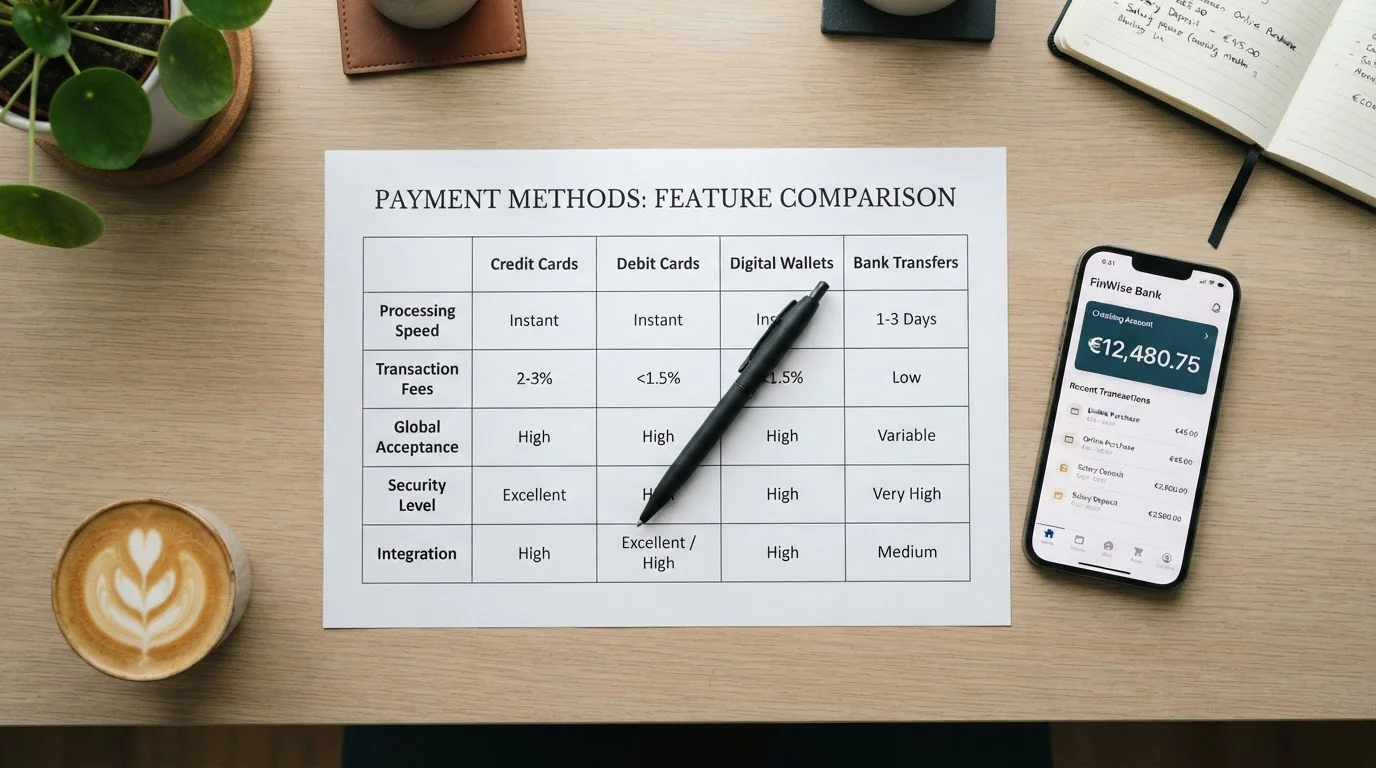
UK players who remember Citadel as their go-to deposit method now have four functional replacements, each replicating a different aspect of what made Citadel useful. Trustly and Pay by Bank deliver the same instant bank-to-casino transfer without a separate account. Debit cards offer universal acceptance and instant deposits. E-wallets provide the fastest withdrawal speeds. None are perfect substitutes — each trades one Citadel feature for a different advantage — but together they cover the full use case.
The comparison table below maps the core parameters:
| Method | Setup Required | Deposit Speed | Withdrawal Speed | Typical Limits | Player Fees | Bonus Eligibility | Best For |
|---|---|---|---|---|---|---|---|
| Trustly | None (bank login) | Instant | 15 min–24 hours | £10–£10,000 | None | Yes | Citadel-style instant bank transfer |
| Pay by Bank / Open Banking | None (bank app) | Instant | 1–5 business days | £10–£5,000 | None | Yes | Regulatory-compliant direct transfer |
| Debit cards (Visa/Mastercard) | None (card details) | Instant | 1–3 business days | £1–£100,000 | None | Yes | Universal acceptance, default method |
| E-wallets (PayPal/Skrill/Neteller) | Separate account | Instant | Instant–24 hours | £5–£50,000 | 1.45–1.50% conversion | Often excluded | Fastest casino-to-wallet payouts |
The right choice depends on what aspect of Citadel you valued most. Instant in, two days out, no separate account, bank-level security — pick the two that mattered most and match them to the table.
Trustly: The Closest Citadel Equivalent
Trustly AB replicates Citadel’s core function almost exactly: instant bank transfer without a separate account, player authenticates via their own bank, casino receives instant confirmation. The Swedish fintech operates as a licensed payment initiation service provider under PSD2, which makes it regulatory-compliant for UK affordability checks and KYC integrations. Where Citadel was B2B infrastructure that casinos white-labeled, Trustly operates as a branded service — players see «Trustly» on the cashier page and recognize it across operators.
The deposit flow mirrors Citadel’s. Select Trustly, choose your bank from the list, authenticate through your banking app or browser (using your bank’s own login, not Trustly’s), authorize the payment. Funds appear instantly. The casino receives a payment guarantee. No Trustly account, no app download, no stored credentials. The main technical difference is authentication: Trustly uses your bank’s existing Strong Customer Authentication (biometrics, one-time passcode, or app push notification), which is more secure than the legacy username-password screens Citadel relied on.
Withdrawal speeds are where Trustly pulls ahead of Citadel’s two-to-three-day standard. The fastest UKGC casino tested in 2026 — iGaming.com reports 15 minutes from withdrawal request to bank account — though typical performance lands between same-day and 24 hours. That speed requires the casino to approve instantly (some still impose 24-hour pending windows), but when both ends move fast, Trustly delivers e-wallet-speed payouts to your bank account rather than to a separate wallet.
Limits are operator-dependent. Most UKGC casinos set Trustly minimums at £10–£20, maximums at £5,000–£10,000 per transaction. Trustly itself doesn’t cap amounts — limits come from the casino’s terms or the player’s bank. No fees to the player at the vast majority of UK operators; the casino absorbs Trustly’s processing charge, which averages 0.8% per transaction (cheaper than card processing at 1.5–2.5%).
Trustly qualifies for welcome bonuses at every UKGC casino that accepts it, unlike Skrill and Neteller, which are often excluded to prevent bonus abuse. Currency conversion fees apply if your bank account is in a non-GBP currency — 1.45%, competitive with card networks but higher than e-wallets for frequent cross-currency users.
UK adoption remains patchy. Of four Trustly-compatible casinos tested in October 2026 (according to Topendsports.com), only two — SpinYoo and DAZN Bet — still listed Trustly at verification. The method hasn’t achieved the universal acceptance that Citadel once had, partly because Open Banking as a generic category (which includes Trustly alongside competitors like Plaid and TrueLayer) is fragmented across multiple provider brands. Players who see «Pay by Bank» at one casino and «Trustly» at another may not realize they’re functionally identical.
For players who want Citadel’s exact workflow — instant bank transfer, no separate account, same authentication you use for online banking — Trustly is the direct replacement. The catch is limited availability compared to debit cards, which work everywhere.
Pay by Bank and Open Banking: The Regulatory Standard
Pay by Bank isn’t a single product or company — it’s the UK market term for payment initiation services built on the Open Banking framework mandated by the Payment Services Regulations 2017 (PSD2). Multiple providers operate under this umbrella: Trustly is one, Plaid is another, Token.io and TrueLayer are others, and Yapily, Banked, and GoCardless all offer casino integrations. When a UKGC casino lists «Pay by Bank,» «Instant Bank Transfer,» or «Open Banking» at the cashier, you’re using this regulatory framework, whichever provider the casino licensed.
The player experience is identical to Trustly because Trustly operates as an Open Banking PISP. Select the payment method, choose your bank, authenticate via your banking app (Face ID, fingerprint, or one-time passcode), authorize the payment. Funds move instantly from your bank account to the casino. The casino receives confirmation within seconds. No separate wallet, no card number stored, no Citadel-style redirect to a third-party interface — you authorize directly through your bank’s official app or browser-based login.
The regulatory advantage matters more than it seems. Because Open Banking is FCA-supervised and PSD2-compliant, casinos can integrate it with mandatory affordability checks and KYC verification. A player making a first deposit of £500 triggers an instant affordability assessment that pulls real-time income data from their bank account (with consent), processes it, and clears the deposit within seconds rather than the 48-hour manual review that same check used to require. This makes Open Banking the preferred method for operators managing UKGC compliance costs.
Withdrawal speeds lag deposit speeds. Same-day to 24-hour payouts are possible when the casino processes instantly, but typical performance is one to five business days. That’s slower than Trustly’s 15-minute best-case and far slower than e-wallet-to-wallet transfers, but faster than traditional bank transfers, which could take seven days before Open Banking became standard. The bottleneck is usually the casino’s internal approval queue, not the payment rail — once approved, Open Banking settlements move in hours, not days.
Processing fees to the player are zero at every UKGC casino; operators pay approximately 0.8% to the Open Banking provider, similar to Trustly and cheaper than card processing. Minimum deposits typically start at £10, maximums vary by operator but often reach £5,000–£10,000 per transaction. Open Banking transfers qualify for welcome bonuses across the board, unlike certain e-wallets that casinos exclude from promotions.
Amazon UK added Pay by Bank as a checkout option in 2026, which signals mainstream consumer acceptance beyond gambling. That adoption may drive broader UK casino rollout — players familiar with using Open Banking to buy household goods are more likely to trust it for casino deposits than they were to trust a niche method like Citadel.
The fragmentation problem persists. One casino brands it «Trustly,» another «Instant Bank Transfer,» a third «Pay by Bank,» and all three use different provider back-ends (Trustly, TrueLayer, Token.io) even though the player experience is identical. This creates user confusion — players searching for «casinos that accept Pay by Bank» won’t find casinos that list the same functionality under «Trustly» or «Open Banking.» That fragmentation explains why no single Open Banking brand has achieved the household recognition that PayPal enjoys, even though the technology is now the default instant bank transfer method in the UK.
Do I need a separate account to use Trustly like I did with Citadel?
No. Neither Trustly nor Pay by Bank / Open Banking require a separate account. You authorize payments directly through your existing bank account using your bank’s own login, the same way Citadel worked. The difference is authentication: modern methods use your bank app’s biometric login or one-time passcode (Strong Customer Authentication under PSD2), while Citadel used username-password screens.
Debit Cards: The Universal Default
Visa and Mastercard debit cards are accepted at every UKGC-licensed casino without exception. Maestro, still issued by a few UK banks, is also near-universal. This is the baseline method — if a casino doesn’t accept debit cards, it’s not a legitimate operator. Minimum deposits start as low as £1 at some sites, typically £5–£10 at most, with transaction limits reaching £100,000 for high rollers at established operators. Instant deposits, 3D Secure authentication mandatory since PSD2, no player fees at 98% of UKGC casinos (the occasional budget operator charges 2–3% for card processing, which is a red flag worth avoiding).
Debit cards lack the «no card details stored» privacy angle that Citadel and Trustly offer. You enter your card number, expiry, and CVV at the casino cashier; the casino stores a tokenized version for future use (PCI-DSS compliant but still on their server). For players who preferred Citadel specifically to avoid giving casinos their card details, this is a meaningful downgrade. For everyone else, it’s convenience: card details autofill after the first deposit, two-click top-ups, no redirects to external providers.
Withdrawal speeds are middling. One to three business days is standard, with the fastest UKGC operators processing to the same card in under 24 hours and the slowest taking the full three days. That’s slower than e-wallet payouts but faster than pre-Open-Banking bank transfers. The withdrawal goes back to the card used for deposit — you can’t deposit via Visa and withdraw to a different bank account without additional KYC verification.
Debit cards qualify for welcome bonuses universally, which gives them an edge over Skrill and Neteller (often excluded) and a parity position with Trustly and Open Banking (always included). The bonus math matters: a £100 deposit matched 100% with 35x wagering on deposit plus bonus (£7,000 total wagering requirement) is worth attempting only if you’re confident in the games, but at least the option exists.
Credit cards remain banned at all UKGC casinos as of 2026, unchanged from the 14 April 2020 regulation. The ban extends to credit-funded e-wallet deposits: if you load PayPal with a credit card and then deposit to a casino, the casino is required to detect and block it. In practice, enforcement is imperfect — some offshore Curaçao casinos still accept UK players and credit cards — but no UKGC operator will touch credit card money under any circumstances. The regulatory penalty is license suspension.
Debit cards win on ubiquity, not on speed or privacy. They’re the fallback when Trustly isn’t available, Open Banking isn’t listed, and you don’t want the separate account hassle of an e-wallet. For players who valued Citadel’s instant deposits but didn’t care about the «no card storage» angle, debit cards replicate that half of the experience at every casino in the market.
E-Wallets: Fast but with Separate Accounts
PayPal, Skrill, and Neteller offer the fastest withdrawal speeds in the UK casino market — instant to 24 hours from casino approval to your e-wallet balance — but require separate account setup and often disqualify deposits from welcome bonuses. PayPal is the most trusted by UK players, household-name recognition, buyer protection policies, and the widest UKGC casino acceptance among the three. Skrill and Neteller are owned by the same parent (Paysafe Group), more common at international and offshore casinos, and frequently excluded from bonus eligibility to prevent abuse by players who cycle deposits across multiple sites.
The workflow is indirect compared to Citadel. You create a PayPal / Skrill / Neteller account, link your UK bank account or debit card to the wallet, fund the wallet (instant from a card, one business day from a bank transfer), then deposit from wallet to casino (instant). Withdrawals reverse the flow: casino to wallet (instant to 24 hours), wallet to your bank account (instant for a £1 fee with Skrill, or free in one to three days). That’s two hops instead of the direct bank-to-casino transfer Citadel offered.
The privacy advantage is real but often overstated. The casino sees your e-wallet email address, not your bank account or card number. If you’re concerned about casinos accessing your bank details, e-wallets provide a buffer. If you’re concerned about giving your bank details to the e-wallet provider, you’ve just shifted the trust problem rather than solved it.
PayPal is the cleanest option for casual players. It’s already set up for most UK adults (used for eBay, Amazon, or other e-commerce), withdrawal times are competitive (tested at 52 minutes fastest according to campbellcircuit.co.uk, though 6–24 hours is more typical), and enough UKGC casinos accept it that availability isn’t a concern. No currency conversion fees if your account is in GBP. PayPal rarely appears at offshore casinos — the company restricts gambling partnerships to properly licensed operators — which makes it a useful signal that a casino is legitimate.
Skrill and Neteller are faster in some edge cases (instant wallet-to-wallet transfers if you’re moving money between two casinos that both accept the same e-wallet) but charge 1.45–1.50% for currency conversion and £1 for instant bank withdrawals. Both are commonly excluded from welcome bonuses; depositing via Skrill or Neteller at a UKGC casino often voids the promotion. This exclusion exists because professional bonus hunters used these wallets to cycle funds across dozens of casinos, claim matched bonuses, meet wagering at low-edge games, and withdraw profits — casinos closed the loophole by banning e-wallet deposits from promos.
E-wallets solve the speed half of Citadel’s appeal — instant in, fast out — but introduce the separate account that Citadel didn’t require. For players who prioritize withdrawal speed above all else and don’t mind maintaining another financial account, PayPal is the top pick among the three. For players who valued Citadel specifically because it didn’t require a separate account, e-wallets are a step backwards despite their speed advantage.
What is the best alternative to Citadel for instant bank transfers at UK casinos?
Trustly is the closest functional replacement — instant bank-to-casino deposits, no separate account, same authentication through your bank, competitive withdrawal speeds (15 minutes to 24 hours at the fastest UKGC casinos). Pay by Bank / Open Banking offers identical functionality under different branding. If Trustly isn’t available at your chosen casino, debit cards provide instant deposits with universal acceptance, though withdrawals are slower (1–3 days vs same-day for Trustly).
How does Trustly compare to Citadel for casino deposits?
Trustly replicates Citadel’s instant bank transfer workflow almost exactly: no separate account needed, authenticate through your bank’s app or browser, funds appear instantly at the casino. Trustly is faster on withdrawals (15 minutes to 24 hours vs Citadel’s 2–3 days) and more secure (PSD2-compliant Strong Customer Authentication vs legacy username-password). The main difference is availability — Trustly isn’t as widely accepted at UK casinos as Citadel was in its peak, appearing at only a subset of UKGC operators.
Can I use Pay by Bank or Open Banking at UKGC-licensed casinos?
Yes. Pay by Bank and Open Banking are increasingly common at UKGC-licensed casinos as of 2026, often appearing under labels like «Instant Bank Transfer» or branded by the provider (Trustly, TrueLayer, Token.io). The method uses PSD2-regulated payment initiation services to transfer funds directly from your bank account to the casino with instant confirmation. Deposits are instant, withdrawals typically clear in one to five business days, and the method qualifies for welcome bonuses at all operators that offer it.
UKGC-Licensed vs Offshore Casinos: Where You Might Still See Citadel Listed

A handful of affiliate websites and offshore casino cashier pages still list «Citadel» as a payment option in 2026, which creates false hope for players searching specifically for this method. The reality splits cleanly: UKGC-licensed operators have fully abandoned Citadel, while some Curaçao-licensed casinos display it in generic payment gateway dropdowns — though attempting to use it typically results in errors or redirects to different providers. Understanding the distinction between UKGC and offshore licensing explains why stale Citadel listings persist and what risks UK players face when chasing outdated payment methods.
UKGC-licensed casinos operate under the Gambling Act 2005 and must comply with Licence Conditions and Codes of Practice set by the UK Gambling Commission. This includes mandatory GAMSTOP integration (national self-exclusion scheme), affordability assessments, advertising restrictions, and payment method requirements. The credit card ban from 14 April 2020 forced every UKGC operator to remove Visa, Mastercard, and Amex credit options and block credit-funded e-wallet deposits. That regulatory shift accelerated the migration to Open Banking-compliant methods, which integrate cleanly with affordability checks and KYC workflows. Citadel, operating outside the PSD2 framework and lacking the infrastructure to support real-time affordability data pulls, became redundant.
As of 2026, 444 UKGC-licensed casino platforms operate in Great Britain. Zero list Citadel. Payment methods at these sites cluster around debit cards (universal), Open Banking / Trustly / Pay by Bank (growing but not ubiquitous), PayPal (widespread), and Skrill / Neteller (common but often bonus-excluded). Withdrawals are processed to the same method used for deposit, with KYC verification required before the first payout. Minimum deposits start at £1–£10, maximums vary by operator but typically reach £5,000–£10,000 per transaction for bank-based methods. Every UKGC casino is required to offer deposit limits, time-out periods, and self-exclusion tools.
Offshore casinos hold licenses from jurisdictions outside the UK Gambling Commission’s authority — most commonly Curaçao (via Curaçao eGaming or one of its sublicenses), occasionally Malta (MGA), and rarely Gibraltar or Kahnawake. These operators accept UK players but aren’t subject to UK regulation. That means no GAMSTOP, no mandatory affordability checks, no UK advertising restrictions, and no credit card ban. Some offshore sites still accept Visa and Mastercard credit cards, a payment method that’s been illegal at UKGC casinos for six years.
It’s in this offshore space that «Citadel» listings occasionally appear. A Curaçao-licensed casino might list 15–20 payment methods at its cashier, including legacy options like Citadel, Neteller, Skrill, Paysafecard, Bitcoin, and credit cards. The listing is often a holdover from the payment gateway’s master template — the casino integrated a third-party payment processor that supports dozens of methods, and «Citadel» remains in the dropdown even though the underlying integration is inactive. Attempting to deposit via Citadel at these sites typically produces one of three outcomes: an error message («this payment method is currently unavailable»), a redirect to a different instant banking provider under generic branding, or a dead-end page with no further instructions.
A small number of affiliate databases still list «35 casinos accepting Citadel» with no verification dates, likely recycled from 2018 or earlier. These listings point to offshore operators, not UKGC sites, and none have been verified for 2026 functionality. The casinos themselves may still exist, but the Citadel integration is effectively dead — it’s listed because removing it from the database would require manual effort, not because players can successfully use it.
Offshore Casinos: Where Citadel Claims Persist
Curaçao-licensed casinos operate under a regulatory framework that’s minimal compared to UKGC standards. Licensing costs are lower (typically $5,000–$50,000 annually depending on the sublicense tier), oversight is lighter, and operators can offer products and payment methods banned in stricter jurisdictions. For UK players, this translates to access to casinos that sit outside GAMSTOP, accept credit cards, offer higher stake limits (up to £1,000 per spin vs typical UKGC limits), and provide bonus buy slots and autoplay features that UKGC operators can’t.
The trade-off is weaker consumer protection. Disputes at offshore casinos aren’t covered by UK Alternative Dispute Resolution schemes. If a Curaçao casino refuses a withdrawal or freezes an account, the player’s recourse is limited to the Curaçao Gaming Control Board’s complaints process, which is slow and rarely rules in favour of players. Chargebacks through the player’s bank are possible but often fail because the casino is registered offshore and the transaction went through international payment processors.
Payment methods at Curaçao casinos skew toward options that work outside heavily regulated jurisdictions: cryptocurrencies (Bitcoin, Ethereum, Litecoin), international e-wallets (Skrill and Neteller more than PayPal, which restricts partnerships to licensed operators), prepaid vouchers (Paysafecard), and credit cards (where legal, which excludes the UK under UKGC rules but not under Curaçao rules). Some list «instant banking» or «bank transfer» options that superficially resemble Citadel but use different providers — Interac for Canadian players, iDEAL for Dutch players, generic SEPA transfers for European players.
When a Curaçao casino lists «Citadel» in 2026, it’s either a stale payment gateway listing (the casino integrated a master payment processor years ago and hasn’t updated the template) or a mislabelled alternative (what appears as «Citadel» redirects to a different instant banking provider once selected). No Curaçao casino has been verified to process actual Citadel Instant Banking transactions as of 2026. The brand name lingers as digital detritus, not functional infrastructure.
UK players who venture into offshore casinos chasing Citadel availability are solving the wrong problem. If the goal is instant bank transfers, UKGC-licensed operators offer Trustly and Open Banking with stronger consumer protection. If the goal is avoiding GAMSTOP or accessing credit card deposits, offshore casinos provide those features regardless of whether Citadel is listed. Chasing Citadel specifically at a Curaçao casino in 2026 is pointless — the method doesn’t work, and the casinos that list it offer functional alternatives under different branding.
Are offshore casinos that claim to accept Citadel safe for UK players?
Offshore casinos that list Citadel in 2026 are not verified to actually process Citadel transactions — the listing is typically stale or mislabelled. Whether these casinos are «safe» depends on licensing and reputation, not payment methods. Curaçao-licensed casinos lack the consumer protections UKGC operators must provide (GAMSTOP, mandatory dispute resolution, affordability checks), and disputes are harder to resolve. Some offshore operators are reputable and process payouts reliably; others freeze accounts or stall withdrawals. Citadel availability is irrelevant because the method doesn’t function at these sites — if you’re considering offshore casinos, evaluate them on licensing, user reviews, and payout history, not on outdated payment method listings.
Why did UK casinos stop accepting Citadel?
UK casinos migrated away from Citadel between 2020 and 2026 as Open Banking became the regulatory standard for instant bank transfers. The UK credit card ban in April 2020 triggered a broader shift toward payment methods that integrate with UKGC affordability checks and KYC requirements, which run through PSD2-compliant payment initiation services (Trustly, Pay by Bank). Citadel’s legacy architecture pre-dated PSD2 and didn’t adapt, making it redundant as casinos moved to Open Banking rails. No formal shutdown occurred — integrations lapsed and weren’t renewed.
UK Casino Payment Methods: The Current Landscape

The UK online casino payment ecosystem in 2026 is split cleanly between methods that existed before the 14 April 2020 credit card ban and methods that emerged or accelerated after it. Debit cards remain the universal constant — every UKGC casino accepts them, they work instantly for deposits, and they’re familiar to all players. But the payment mix around that core has shifted from card-and-e-wallet dominance in the 2010s to a tripartite structure: debit cards as the default, Open Banking as the regulatory favourite, and e-wallets as the speed option for players willing to maintain separate accounts.
Credit cards are gone from UKGC casinos and not coming back. The ban applies to all gambling (online and premises), reaches credit-funded e-wallet deposits, and carries license-suspension penalties for violations. Offshore casinos still accept credit cards for UK players because they operate outside UKGC jurisdiction, but that comes with the weaker consumer protection and dispute resolution risks outlined above. Within the UKGC framework, credit is off the table permanently.
Open Banking adoption accelerated between 2024 and 2026 not because of player demand but because casinos needed a way to comply with tightening affordability requirements. A player depositing £500 at a UKGC casino now triggers a risk assessment that pulls income data from their bank account in real-time (with consent), cross-checks it against gambling spend across linked operators, and flags potential problem gambling patterns. That assessment works seamlessly when the player deposits via Open Banking — the data flow is built into the payment rail. It’s clunky when the player uses a debit card or e-wallet — the casino has to request additional documentation, which introduces friction and delays.
As a result, some UKGC operators have started soft-steering players toward Open Banking and Trustly by listing these methods first at the cashier or offering slightly higher deposit bonuses for players who use them. The steering isn’t explicit enough to constitute a restriction on payment choice (which would violate UKGC guidelines), but it’s present. Over time, expect Open Banking to become the primary method at UKGC casinos for the same reason contactless payments overtook chip-and-PIN at UK retail checkouts: not because consumers demanded it, but because it reduces operational friction for merchants.
E-wallets retain a niche among players who prioritize withdrawal speed and don’t care about bonus eligibility. PayPal is the safest option — household name, buyer protection, rare at offshore casinos which makes it a trust signal. Skrill and Neteller are faster in some workflows (instant wallet-to-wallet if you’re managing balances across multiple casinos) but commonly excluded from welcome bonuses. The separate account requirement keeps e-wallets from replacing Citadel’s appeal, but for players who already have a PayPal account for non-gambling use, it’s zero additional friction.
Debit cards win by default. They’re on every cashier page, deposits are instant, withdrawals take one to three days (acceptable to most players), and they qualify for bonuses everywhere. The card-on-file convenience — enter your details once, top up with two clicks forever after — is hard to beat. The only scenarios where debit cards lose are speed (e-wallets are faster on withdrawals) and privacy (Open Banking and Trustly don’t store card details).
What’s missing is a universal instant bank transfer method with the ubiquity that Citadel approached in the mid-2010s. Trustly comes closest but appears at only a fraction of UKGC casinos. Open Banking is fragmented across provider brands (Trustly, TrueLayer, Token.io, Plaid) that don’t interoperate from the player’s perspective. Debit cards fill the gap, but they’re not instant bank transfers — they’re card-based, which introduces the card detail storage that Citadel specifically avoided.
The payment landscape in 2026 is more regulated, more fragmented, and faster on average than it was when Citadel was active. Players have gained speed (instant approvals, same-day withdrawals at the best operators) and lost simplicity (multiple branded methods doing the same thing, bonus exclusions to navigate, KYC friction for new accounts). Citadel’s exit is a symptom of that broader shift, not a one-off event.
| What Citadel offered | Closest modern equivalent | Trade-off today |
|---|---|---|
| Instant bank transfer, no card | Trustly / Open Banking (Pay by Bank) | Only at a fraction of UKGC casinos, fragmented across providers |
| No separate account to maintain | Debit cards | Card-based, so card details are stored |
| Near-universal acceptance | Debit cards | Not an instant bank transfer; withdrawals take 1–3 days |
| Fast payouts | E-wallets (PayPal, Skrill, Neteller) | Require a separate account; often excluded from bonuses |
What payment methods replaced Citadel at UK online casinos?
Trustly and Pay by Bank / Open Banking replaced Citadel’s instant bank transfer function. Debit cards (Visa, Mastercard, Maestro) retained universal acceptance for instant deposits. E-wallets (PayPal, Skrill, Neteller) offer faster withdrawals but require separate accounts. No single method replicates Citadel’s exact combination of instant deposits, no separate account, and near-universal casino acceptance — players now choose between methods that optimize for one or two of those features rather than all three.
Which UK Casinos Accept Instant Banking Methods Today
UKGC-licensed operators that accept Trustly or Pay by Bank / Open Banking as of 2026 include SpinYoo and DAZN Bet (both verified for Trustly in October 2026 testing), with broader adoption across established brands like Casumo, Betway, LuckyMate, and newer entrants like PricedUp Bet. The exact availability fluctuates — some casinos list instant banking under branded provider names (Trustly, TrueLayer), others under generic labels («Pay by Bank,» «Instant Bank Transfer,» «Open Banking»), and some cycle providers based on processing cost negotiations. Checking the cashier page remains the only reliable verification.
Debit card acceptance is universal. Every UKGC casino accepts Visa and Mastercard debit cards, with Maestro supported at most. No verification needed beyond checking the operator holds an active UK Gambling Commission license, visible on the casino’s footer as a registration number and a link to the UKGC register. If a site doesn’t display that registration, it’s either an offshore operator or unlicensed, neither of which guarantees debit card functionality despite claims.
PayPal appears at the majority of UKGC casinos — SlotsMagic, Casumo, Betway, Gala Spins, Betfred Casino, and others list it prominently. Skrill and Neteller are less common at UKGC operators, more widespread at Curaçao-licensed sites. The Paysafe Group (which owns both) restricts partnerships to licensed operators, so seeing Skrill or Neteller at a casino is a positive signal for legitimacy, but bonus exclusions remain frequent.
The casino list below is not exhaustive — UKGC licenses 444 online casino platforms, too many to enumerate individually. The names are illustrative examples of operators that accept instant banking methods or e-wallets, drawn from October 2026 testing and review data:
Trustly-verified (October 2026): SpinYoo, DAZN Bet
Open Banking / Pay by Bank (various providers): PricedUp Bet, LuckyMate, Hollywoodbets, Pub Casino, Fun Casino, Neptune Play
PayPal-accepted: SlotsMagic, Casumo, Betway, Gala Spins, Betfred Casino, Foxy Games, Unibet, Duelz
Debit cards (universal): All UKGC-licensed operators
For up-to-date cashier availability, check the casino’s deposit page directly. Payment method partnerships change quarterly as casinos renegotiate processing fees and providers update geographic coverage. An affiliate listing from six months ago may be outdated; the cashier page is current.
Bonuses, Mobile, and Other Citadel-Related Queries
Citadel-specific bonuses no longer exist because Citadel is unavailable. Historical promotions from 2018–2020 sometimes offered matched deposits or free spins for Citadel users, but these promos vanished alongside the payment method itself. Current UKGC casino bonuses apply to most payment methods with two common exclusions: Skrill and Neteller deposits often void welcome offers to prevent bonus abuse, while debit cards, Trustly, Pay by Bank, and PayPal universally qualify.
Mobile compatibility for Citadel is moot — the method doesn’t function at UK casinos in 2026. Historical Citadel usage on mobile required browser-based deposit flows, not dedicated apps. Modern alternatives work seamlessly on mobile: Trustly and Open Banking redirect to your banking app (Face ID or fingerprint authentication), debit card details autofill on iOS and Android, PayPal taps into its mobile app for one-touch approvals. Mobile casino cashiers in 2026 are optimized for Open Banking and card-on-file workflows, not legacy instant banking processors.
Slots, live dealer games, roulette, blackjack, and other game types are unaffected by payment method choice. Citadel never restricted game access; neither do its replacements. The only game-related consideration is bonus wagering: free spins or matched deposit bonuses often carry game restrictions (slots only, or specific titles), but that’s determined by the promotion’s terms, not the deposit method used to claim it.
New casinos accepting Citadel is a null set. No new UKGC-licensed casino launched in 2026 lists Citadel. New operators integrate modern payment stacks from day one: debit cards for universal coverage, Trustly or a multi-provider Open Banking gateway for instant bank transfers, PayPal for trust, sometimes Skrill and Neteller for international reach. A «new Citadel casino» in 2026 would be a red flag — either an offshore operator with stale payment gateway templates or an outright scam using outdated branding to appear legitimate.
Trust and verification concerns apply to casinos, not payment methods. Citadel was as safe as any instant banking processor when it operated — bank-level encryption, no stored credentials, PCI-DSS compliance. Its exit from the market has nothing to do with security failures. The trust question in 2026 is whether a casino claiming to accept Citadel is legitimate, and the answer is no: UKGC operators don’t list it, offshore operators that list it don’t process it, and any site advertising «Citadel casino bonuses UK 2026» is republishing outdated content for search traffic.
Fast payout casinos, no-verification casinos, and instant withdrawal operators exist in the UK market but are defined by their KYC policies and processing speeds, not their payment methods. The fastest verified UKGC withdrawals in 2026 were 52 minutes via PayPal, 15 minutes via Trustly, and 23 hours 45 minutes via bank transfer (PricedUp Bet to HSBC). «No verification» is misleading — UKGC casinos must verify identity before the first withdrawal under AML regulations. What varies is whether verification happens at registration (via Open Banking data pulls and ID matching) or at first withdrawal (document upload and manual review). Citadel never bypassed KYC; modern methods don’t either.
Low deposit limits (£1–£5 minimums) and high deposit limits (£10,000+ per transaction) depend on the casino’s terms and the payment method’s capabilities. Debit cards often allow £1–£10 minimums. Open Banking and Trustly typically start at £10–£20. E-wallets vary: PayPal £5+, Skrill £10+, Neteller £10+. Citadel’s historical minimums were £10, in line with current instant banking methods.
Bitcoin and cryptocurrency casinos are a separate category, almost entirely offshore (Curaçao-licensed). UKGC casinos rarely accept crypto because the regulatory framework around cryptocurrency gambling remains unclear in the UK. Offshore operators like BitStarz, FortuneJack, and Stake accept Bitcoin, Ethereum, and Litecoin with fast payouts (under one hour for crypto withdrawals), but these sites sit outside UKGC jurisdiction. Citadel never offered cryptocurrency integration; crypto casinos don’t accept Citadel.
Responsible gambling tools are mandatory at all UKGC casinos regardless of payment method: deposit limits (daily, weekly, monthly), loss limits, time-out periods (24 hours to six weeks), self-exclusion (minimum six months), and reality checks (pop-up reminders after set playing time). These tools function identically whether you deposit via Trustly, debit card, or PayPal. Citadel’s availability or unavailability has no impact on safer gambling protections.
The follow-up questions — Citadel for bingo, Citadel account management, Citadel cashback, Citadel VIP programs, Citadel withdrawal time optimizations — all presuppose a functioning payment method. None apply in 2026. The assumption behind them («I remember Citadel worked well, how do I optimize it?») is outdated. The correct answer is migration: identify which Citadel feature you valued, match it to the current method that delivers that feature (speed → PayPal, no separate account → Trustly, universal acceptance → debit card), and switch.
Casino Deposit Methods UK 2026 — Cards, E-Wallets & Bank
Content created by the «casinopay» team
