
Click2Pay Casinos UK 2026: Why They Don't Exist & What Works Instead
 Available in US
If you’re searching for UK online casinos that accept Click2Pay in 2026, here’s the answer you need: none exist. Click2Pay ceased operations in October 2014, twelve years ago, and no casino worldwide—UKGC-licensed or otherwise—processes deposits or withdrawals through it today.
The actual question isn’t where to find Click2Pay casinos. It’s why this defunct payment method still dominates search results, and which modern e-wallets deliver the same benefits Click2Pay once offered: secure deposits without handing your card details to every casino operator.
PayPal, Skrill, Neteller, and Payz replaced Click2Pay at UK-licensed casinos. All four hold FCA authorisation, integrate with UKGC compliance requirements including GamStop self-exclusion, and process withdrawals faster than the e-wallet Click2Pay ever managed. The catch? Each has trade-offs around fees, casino acceptance rates, and bonus eligibility that Click2Pay users wouldn’t recognise.
Below you’ll find the definitive timeline of Click2Pay’s shutdown, a structured comparison of the four e-wallet alternatives that dominate UK casino cashiers in 2026, and named profiles of six UKGC-licensed operators where these payment methods actually work. If you’ve been chasing zombie affiliate pages promising Click2Pay casino lists, this is where the search ends.
The Truth About Click2Pay Casinos in 2026
What Was Click2Pay?
Click2Pay operated as an e-wallet payment processor from the early 2000s through October 2014. The service, run by German company Click2Pay GmbH, positioned itself as an intermediary between players and online casinos: you funded your Click2Pay account from a bank account or debit card, then used that Click2Pay balance for casino deposits without sharing card details directly with gambling operators. Withdrawals reversed the flow, landing in your Click2Pay wallet before moving to your bank.
The pitch mirrored what PayPal, Skrill, and every other e-wallet offers today. Click2Pay worked across 20-plus countries during its active period and gained traction in the mid-2000s UK online gambling market alongside Neteller and Moneybookers (Skrill’s original name). Registration required an account setup and identity verification before first use, standard practice then and now.
Nothing about Click2Pay’s model was revolutionary. It solved a genuine problem—players distrusted giving card details to dozens of casino sites—but the execution was unremarkable. The service processed transactions, held balances, and charged fees. That’s it.
When and Why Did Click2Pay Shut Down?
Click2Pay closed in October 2014 with no official public announcement, no user notification campaign, and no orderly wind-down period visible in the historical record. The service simply stopped processing transactions. Banking directories and affiliate sites updated their pages to mark the payment method as defunct, user balances presumably returned through whatever off-ramp the company arranged, and Click2Pay GmbH faded from the gambling payments landscape without ceremony.
Why it closed remains undocumented in accessible sources. The likeliest explanation: market consolidation. By 2014, PayPal had re-entered online gambling markets it previously avoided, Skrill and Neteller dominated the e-wallet gambling niche under Paysafe Group ownership, and smaller independent processors couldn’t compete on scale, compliance costs, or casino partnership deals. Click2Pay lacked the capital or user base to keep pace.
Regulatory pressure may have contributed. The 2006 UIGEA in the United States forced many payment processors out of the US gambling market, and European regulatory tightening through the 2010s raised compliance costs for cross-border financial services. A mid-tier processor without deep pockets faces a binary choice: invest heavily in licensing infrastructure or exit. Click2Pay chose exit.

Why Click2Pay Still Appears in Search Results
Twelve years after shutdown, people still search for Click2Pay in large numbers. Hundreds of variations—»casinos that accept click2pay uk,» «best click2pay online casinos,» «click2pay withdrawal times»—still turn up affiliate pages that haven’t been updated since 2014 or 2015. Some describe Click2Pay in present tense as if it operates today. Others copy-paste outdated casino lists wholesale, appending «2026» to the URL slug while the body text references promotions from a decade ago.
The reason is inertia. Old affiliate sites built up a reputation and inbound links in the 2010s, then were abandoned when the payment method closed. Search engines don’t automatically demote pages for describing defunct services; they demote pages people stop clicking and reading. A page that technically answers «what is click2pay» can keep its position even when the service is dead, especially if newer pages don’t explicitly address the shutdown.
The second driver is information lag. Forum posts from 2012 recommending Click2Pay casinos still circulate. Players searching based on those old threads land on old pages, which keeps the cycle going. A significant share of these Click2Pay searches likely comes from people who don’t yet know the service closed, following breadcrumbs left by outdated content.
The third factor adds confusion: EMV Secure Remote Commerce, a modern checkout protocol launched by Visa and Mastercard after 2019, markets itself as «Click to Pay» (three words, not Click2Pay). The similar name traps searches. Someone looking for the old e-wallet finds articles about the new card-network technology, assumes it’s the same thing with a rebrand, and keeps searching. It’s not. EMV Click to Pay is a completely separate system with no connection to the defunct Click2Pay GmbH wallet.
Is Click2Pay Still Available at UK Online Casinos in 2026?
No. Click2Pay is not available at any UK online casino in 2026, offshore or UKGC-licensed. The service shut down globally in October 2014 and has not processed a single casino transaction since. Any website claiming to list «Click2Pay casinos UK 2026» is either outdated, deliberately misleading, or confusing the defunct e-wallet with something else.
UKGC-licensed operators in the UK accept debit cards (Visa, Mastercard), e-wallets (PayPal, Skrill, Neteller, Payz), open banking (Trustly, Pay by Bank), mobile payment methods (Apple Pay, Google Pay, Boku), and prepaid vouchers (paysafecard). Click2Pay appears on none of those cashier pages because the company behind it no longer exists as an active payment processor.
Offshore casinos operating under Curacao, Malta, or other non-UKGC licences also don’t accept Click2Pay. The shutdown was global, not UK-specific. Even casinos that bypass UK regulations and ignore GamStop have moved on to functional payment rails. If an offshore site lists Click2Pay in its terms and conditions, that’s a red flag: the operator hasn’t updated its legal documents in over a decade, suggesting operational neglect across the board.
Are There Any Offshore or Non-GamStop UK Casinos That Still Claim to Accept Click2Pay?
If you find one, it’s a scam or a relic. No legitimate offshore casino in 2026 processes Click2Pay deposits because the backend infrastructure to route those transactions ceased operating in 2014. A site claiming Click2Pay acceptance today either copied an outdated template without updating payment terms, or is running a bait-and-switch where the listed method doesn’t actually work at the cashier.
The bigger picture: offshore casinos targeting UK players exist, operate outside UKGC jurisdiction, and accept payment methods UK-licensed operators don’t (cryptocurrency, certain e-wallets with looser KYC). But even those operators migrated to modern payment processors years ago. Click2Pay’s disappearance predates the current wave of offshore casino marketing by nearly a decade. No operator building an offshore site in 2026 integrates a payment method that shut down when smartphone gambling was still niche.
If avoiding GamStop self-exclusion is the goal, modern offshore casinos use cryptocurrency wallets, Skrill, Neteller, bank wire, or Curacao-licensed e-wallets. Click2Pay isn’t part of that landscape and never will be again. The service is dead.
Modern E-Wallet Alternatives to Click2Pay
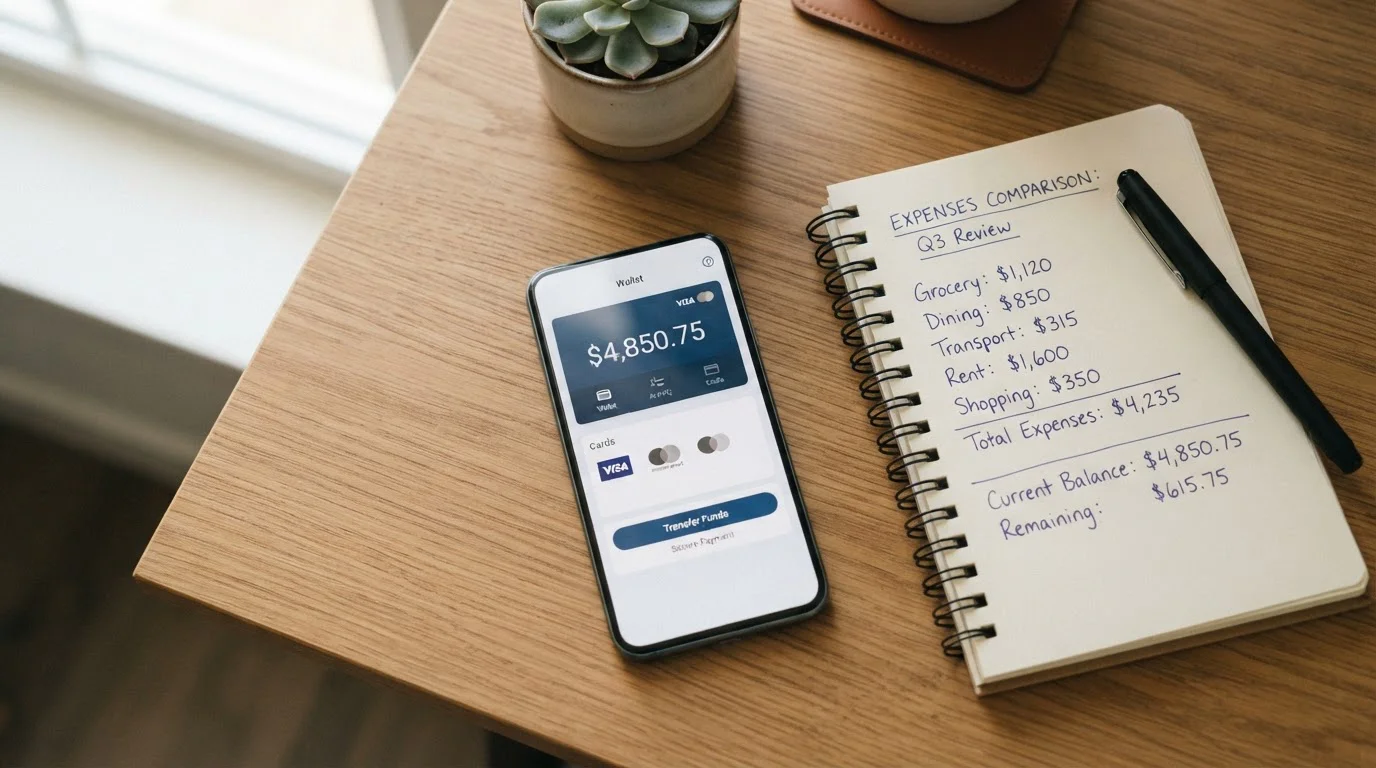
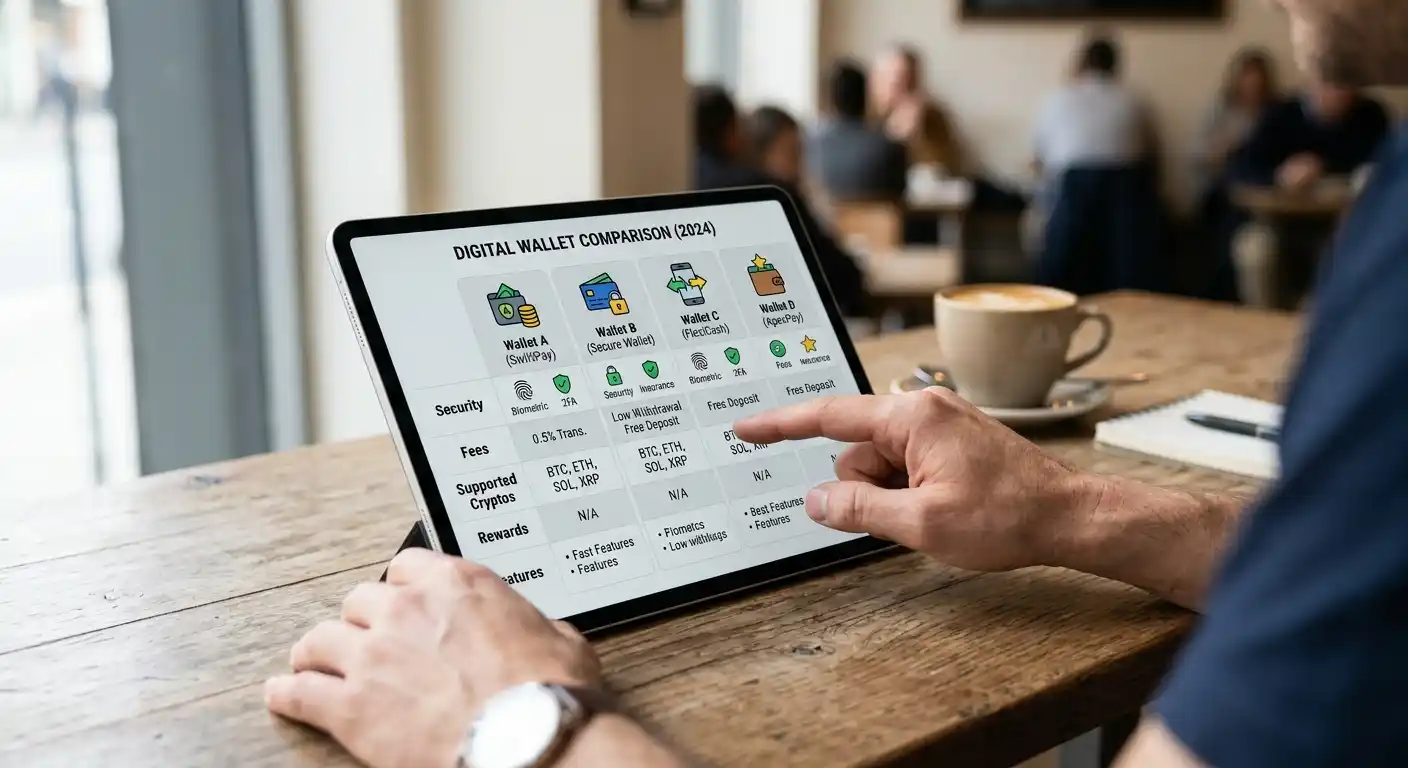
The UK casino payment landscape in 2026 offers four major e-wallets that deliver what Click2Pay once promised: secure deposits without exposing card details to operators, faster withdrawals than bank transfers, and account-based transaction history. PayPal, Skrill, Neteller, and Payz all hold FCA authorisation, integrate with UKGC licensing requirements, and appear in the cashier at dozens of legal UK casinos. They differ sharply on fees, casino acceptance, withdrawal speeds, and bonus eligibility.
| E-wallet | FCA Status | Withdrawal Speed | Typical Fees | Casino Acceptance | Bonus Eligibility |
|---|---|---|---|---|---|
| PayPal | Authorised (Luxembourg passported) | 0–24 hours | No player fees; FX markup on conversion | ~40 UKGC casinos (selective) | Usually eligible |
| Skrill | FCA authorised | 0–24 hours (often <4 hours) | 1.45% FX; £1 instant bank withdrawal | Majority of UKGC casinos | Often excluded |
| Neteller | FCA authorised | 0–24 hours (often <4 hours) | 1.50% FX; £1–£2 instant bank withdrawal | Majority of UKGC casinos | Often excluded |
| Payz | FCA authorised (ref 900011) | 0–24 hours | Tiered by account level | 100+ UKGC casinos | Usually eligible |
All four comply with the UKGC credit card ban effective 14 April 2020: e-wallet accounts funded by credit cards cannot deposit to UK-licensed casinos, blocked at the processor level. All integrate with GamStop self-exclusion, meaning a player who opts into the national scheme cannot use these e-wallets to bypass it at UKGC operators. All require identity verification before withdrawals process, standard KYC across UK gambling.
PayPal: The Mainstream Choice
PayPal (Europe) S.à r.l. et Cie, S.C.A., the Luxembourg-based entity operating under FCA passporting, is the most recognisable e-wallet brand in the UK. Founded in 1998 and spun off from eBay in 2015, PayPal serves mainstream e-commerce first and gambling second. That positioning drives both its strengths and limitations at UK casinos.
Around 40 UKGC-licensed casinos accepted PayPal as of October 2026, fewer than Skrill or Neteller but more selective. PayPal conducts stricter due diligence on casino partnerships than its competitors, which means the operators that do offer it tend to be established brands with clean regulatory records. Deposits clear instantly upon confirmation. Withdrawals process within 24 hours at most UKGC sites, often same-day once KYC verification completes. Minimum deposits typically range from £5 to £10 depending on the operator.
The defining advantage: trust. Most UK adults already use PayPal for Amazon, eBay, or online shopping. The account exists, the login is saved, and transaction history lives in one app rather than scattered across a dozen casino cashiers. Casino deposits appear on your PayPal statement as generic PayPal transfers, not by casino name, offering a layer of transaction privacy that appeals to players who share bank accounts or prefer discretion.
PayPal charges no direct fees to players for casino deposits. Withdrawals back to the same PayPal account are also fee-free from the player’s perspective, though the casino absorbs processing costs. Currency conversion between GBP and another currency incurs PayPal’s FX markup, typically less favourable than interbank rates but not egregious. The bigger operational cost: PayPal’s buyer protection and dispute resolution infrastructure, built for e-commerce, doesn’t extend to gambling transactions. You deposit at your own risk.
Bonus eligibility is generally preserved. Unlike Skrill and Neteller, most UK casinos that accept PayPal allow those deposits to qualify for welcome bonuses and promotional offers. Exceptions exist on a per-operator basis, always detailed in the bonus terms, but PayPal faces fewer blanket exclusions than gambling-specialist e-wallets.
The limitations: narrower casino acceptance than Skrill or Neteller, and PayPal’s terms of service prohibit using credit-card-funded balances for gambling under UKGC rules, enforced at the transaction level. If your PayPal account is linked to a credit card and that card is the primary funding source, deposits to UK casinos will be blocked or reversed. Link a bank account or debit card instead.
Skrill: The Gambling Specialist
Skrill, operated by Paysafe Financial Services Limited under FCA authorisation, is the gambling industry’s purpose-built e-wallet. Founded in 2001 as Moneybookers and rebranded to Skrill in 2011, the service explicitly targets online gambling and forex trading users. Paysafe Group owns both Skrill and Neteller, positioning them as sister services with near-identical feature sets and different brand identities.
Skrill acceptance at UKGC casinos is broader than PayPal, approaching saturation. The majority of UK-licensed operators integrate Skrill into their cashiers, making it the closest thing to a universal e-wallet in the British gambling market. Minimum deposits sit at £10 for most sites. Withdrawals process within 24 hours, often faster—top-tier UKGC operators clear Skrill payouts in under four hours, and some achieve same-day turnaround consistently.
The gambling-specialist positioning cuts both ways. On the plus side, Skrill’s infrastructure is purpose-built for high-volume casino transactions, and the company maintains partnerships across the industry that ensure near-universal acceptance. Casino operators trust Skrill because Paysafe Group’s compliance infrastructure handles regulatory requirements (KYC, AML, GamStop integration) on their behalf, reducing operational friction.
The downside: bonus restrictions. Many UKGC casinos exclude Skrill deposits from welcome bonus eligibility as an anti-abuse measure. The logic: Skrill’s fast deposit-and-withdrawal cycle makes it easy for bonus hunters to claim an offer, meet the minimum playthrough, and cash out within hours. Operators combat this by blacklisting Skrill (and Neteller) from promotional terms. Not every casino enforces this exclusion, but it’s common enough that Skrill users should verify bonus eligibility before depositing.
Fees are competitive. Skrill charges 1.45% on currency conversion if your account currency differs from the casino’s transaction currency, lower than Neteller’s 1.50% and PayPal’s markup. Instant withdrawals from your Skrill wallet to a UK bank account cost £1, absorbed by the player. Casino deposits and withdrawals to/from Skrill itself carry no player-facing fees, though the casino pays Paysafe Group processing charges on the backend.
Skrill offers a prepaid Mastercard option, letting users spend their e-wallet balance at ATMs or shops rather than only transferring back to a bank account. The card is physical, not virtual, and requires upgrading to Skrill’s VIP programme for reduced fees. High-volume users benefit; casual players can skip it.
The VIP programme itself tiers by transaction volume: higher cumulative spend unlocks lower fees and faster support. For regular casino players moving four-figure sums monthly, VIP status pays for itself in saved conversion fees. For occasional £10 deposits, the base-tier fee structure is already reasonable.

Neteller: Skrill’s Sister Service
Neteller, also operated by Paysafe Financial Services Limited under the same FCA authorisation as Skrill, functions as a near-clone with subtle differences. Founded in 1999 as Optimal Payments, Neteller built its reputation in online gambling before Paysafe Group acquired it alongside Skrill. The two services share ownership, compliance infrastructure, and most operational features, differentiated primarily by branding and legacy user bases.
Casino acceptance mirrors Skrill: the majority of UKGC-licensed operators offer Neteller. Minimum deposits, withdrawal speeds, and processing mechanics are identical to Skrill—£10 minimums, 0–24 hour payouts, often under four hours at fast operators. The same bonus exclusion problem applies: many UK casinos blacklist Neteller deposits from promotional offers for the same anti-abuse reasons they blacklist Skrill.
The fee structure is fractionally higher than Skrill. Neteller charges 1.50% on currency conversion compared to Skrill’s 1.45%, a difference that only matters at scale. Instant bank withdrawals from Neteller to a UK account cost £1 to £2 depending on the transaction, slightly higher than Skrill’s flat £1 but still negligible for most players. Casino deposits and withdrawals carry no direct player fees.
Neteller offers its own prepaid card, branded Net+ Mastercard, with the same spending flexibility as Skrill’s prepaid option. VIP loyalty tiers work identically: cumulative transaction volume unlocks reduced fees and priority support. The card requires an upgraded account tier, not available to base-level users.
So why choose Neteller over Skrill if the features are identical and fees slightly higher? Brand inertia. Long-time UK gamblers who opened Neteller accounts in the 2000s often stick with what they know rather than migrating to Skrill. Some players report fractionally faster withdrawal processing with Neteller at specific casinos, though this is anecdotal and likely reflects backend routing rather than systematic performance differences.
The practical takeaway: if you don’t already have a Skrill or Neteller account, pick Skrill for the marginally lower FX fee. If you already use Neteller and it works, there’s no compelling reason to switch. Both integrate identically with UKGC casinos, both face the same bonus restrictions, and both process withdrawals at the same speed in practice.
Payz (Formerly ecoPayz): The Multi-Currency Option
Payz, operated by PSI-Pay Ltd under FCA authorisation reference 900011, rebranded from ecoPayz on 11 May 2023. Same company, same login credentials, same wallet—only the name changed. Most UK casino cashiers still display the old «ecoPayz» label as of 2026, causing confusion for players who search «Payz casino» and find «ecoPayz» at the deposit screen. They’re the same service.
Payz acceptance at UKGC casinos exceeds 100 operators, broader than PayPal and competitive with Skrill and Neteller. The service’s strength is multi-currency flexibility: Payz supports 45+ currencies including GBP, EUR, and USD, letting players hold balances in multiple denominations simultaneously. This matters for UK players who also gamble at European or international casinos where the transaction currency differs. Skrill and Neteller offer multi-currency accounts too, but Payz’s tier system unlocks better FX rates faster.
Payz structures fees by account tier: Classic (free, default), Silver, Gold, Platinum, and VIP. Higher tiers unlock progressively lower fees, better FX rates, and faster support. Tier upgrades trigger automatically based on cumulative transaction volume—Silver at €4,000, Gold at €20,000, Platinum at €50,000, VIP at €150,000. Casual players stay in Classic or Silver; regular mid-stakes players hit Gold within months; high rollers reach Platinum.
Minimum deposits at UK casinos typically sit at £10, matching Skrill and Neteller. Withdrawal speeds are identical: 0–24 hours, often same-day at fast operators. The operational flow mirrors competitors: fund your Payz wallet from a bank account or debit card, deposit to the casino from the wallet, withdraw winnings back to the wallet, transfer from wallet to bank. Instant or standard bank withdrawal options available depending on tier and urgency.
The bonus eligibility advantage: Payz deposits face fewer blanket exclusions than Skrill or Neteller. Many UKGC casinos that blacklist Skrill/Neteller from welcome offers still allow Payz deposits to qualify. This isn’t universal—always check the specific operator’s bonus terms—but Payz users encounter fewer «payment method restrictions» clauses in promotional fine print.
Payz also offers a prepaid Mastercard at higher account tiers, functioning identically to Skrill and Neteller’s card products. Physical card, ATM withdrawals, spend anywhere Mastercard is accepted. Useful if you want to keep gambling funds segregated from your main bank account while retaining spending flexibility.
The rebrand confusion is Payz’s operational headache. Players searching «Payz casino UK» land on pages that still reference ecoPayz, assume the sites are outdated or the service changed completely, and abandon the search. The reality: it’s the same wallet, same company, same FCA authorisation. If a casino cashier shows «ecoPayz» in 2026, that’s Payz. Log in with your Payz credentials and it works.
Best UK Casinos Accepting E-Wallet Payments
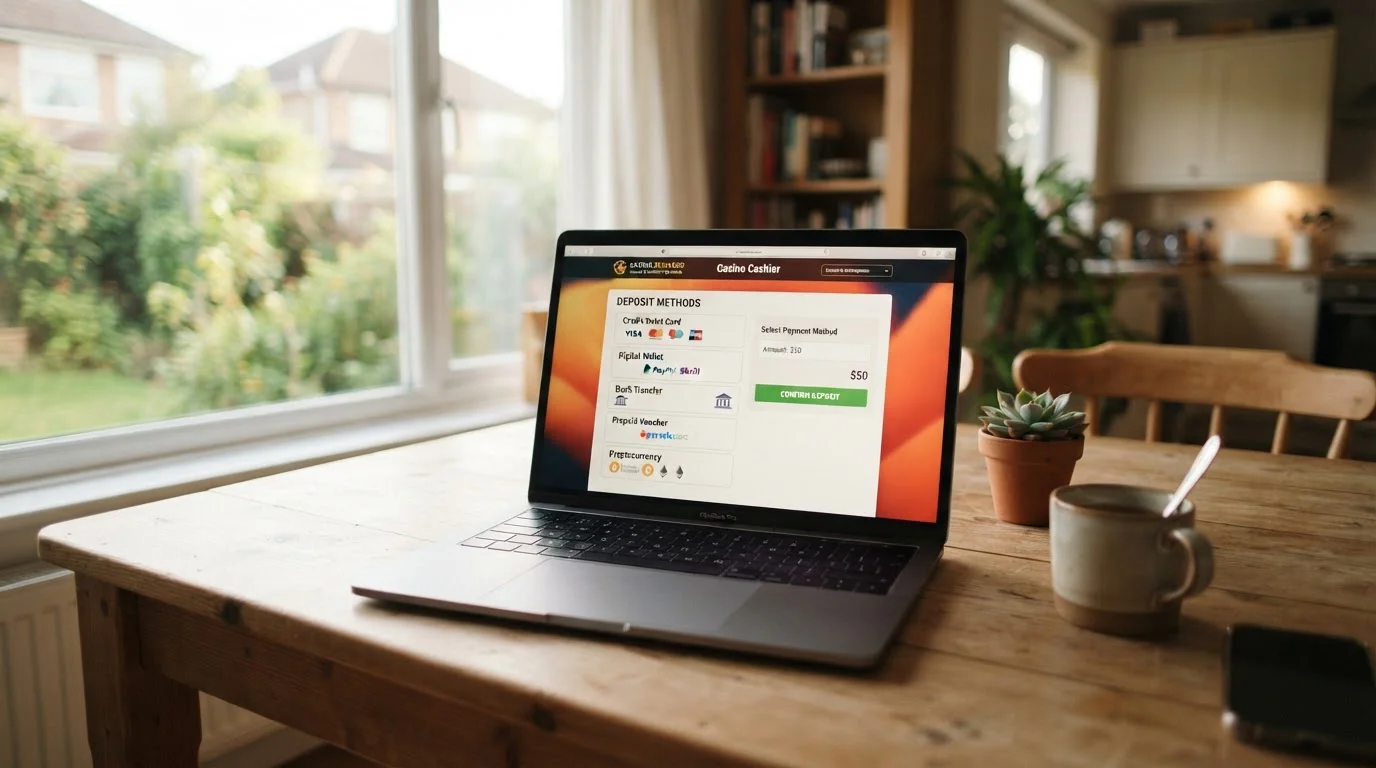
The e-wallet alternatives to Click2Pay are meaningless without casinos that actually integrate them. Six UKGC-licensed operators demonstrate best-in-class e-wallet support in 2026, differentiated by withdrawal speed, payment method breadth, and operational execution. All hold active UK Gambling Commission licences verifiable via the public register. All comply with GamStop, the credit card ban, and KYC requirements. None accept Click2Pay because it doesn’t exist.
| Casino | UKGC Licence | Accepted E-Wallets | Withdrawal Speed | Min Deposit | Distinguishing Feature |
|---|---|---|---|---|---|
| Bet365 | Active | PayPal, Skrill, Neteller, Payz | Same-day (0–24 hours) | £5 | Market leader scale; cross-product wallet |
| 888 Casino | Active | PayPal, Skrill, Neteller, Payz | 1–2 business days | £10 | 27+ years operating; exclusive games |
| LeoVegas | Active | PayPal, Skrill, Neteller, Payz | Often <4 hours | £10 | Mobile-first; fastest e-wallet withdrawals |
| Casumo | Active | Skrill, Neteller, Payz | Within 24 hours | £10 | Gamified UX; e-wallets bonus-eligible |
| Mr Green | Active | PayPal, Skrill, Neteller | 0–24 hours | £10 | Green Gaming responsible tools |
| PlayOJO | Active | PayPal, Skrill, Neteller, Payz | Within 24 hours | £10 | No wagering requirements; 700K+ PayPal txns/year |
Order reflects withdrawal speed performance, then market prominence. LeoVegas leads on payout turnaround, Bet365 on sheer scale and integration, PlayOJO on transparent terms. All six process e-wallet withdrawals faster than debit cards, which can take 1–5 business days at UK casinos.
Bet365: Market Leader with Full E-Wallet Support
Hillside (New Media) Limited, trading as Bet365, operates one of the world’s largest online gambling platforms from Stoke-on-Trent. Founded in 2000 by Denise Coates, the company remains privately held and commands a dominant share of the UK online betting and casino market. The UKGC licence is active and verifiable. Bet365’s scale means infrastructure investment that smaller operators can’t match: cross-product wallet integration, 24/7 live support, and withdrawal processing that rarely misses the same-day benchmark.
Bet365 accepts PayPal, Skrill, Neteller, and Payz alongside debit cards (Visa, Mastercard), Apple Pay, Google Pay, Trustly, paysafecard, and Revolut. Minimum deposit is £5 for most methods, £10 for some. The casino library exceeds 1,000 titles covering slots, live dealer tables, blackjack, roulette, and jackpot games from major providers. The same wallet funds sportsbook, poker, bingo, and casino seamlessly—deposit once, play across products without moving balances.
E-wallet deposits clear instantly. Withdrawals to PayPal, Skrill, Neteller, or Payz process within 24 hours, typically same-day once your account clears initial KYC verification. First withdrawal triggers identity checks (passport or driving licence, proof of address), standard across UKGC operators. Subsequent withdrawals face no delay if you’re already verified and withdrawing to the same e-wallet account you deposited from.
What distinguishes Bet365 from competitors: consistency. Smaller casinos claim «fast withdrawals» but deliver inconsistently depending on time of day, payment team availability, or verification backlog. Bet365’s processing runs around the clock with enough staff that a Friday night withdrawal request doesn’t sit in a queue until Monday. The operational muscle of a market leader translates to fewer support tickets, fewer delayed payouts, and fewer edge cases where something breaks.
The downside is generic: Bet365 is mainstream, not niche. If you’re chasing exotic slots from boutique providers or want a gamified loyalty system with RPG-style progression, look elsewhere. Bet365 delivers scale, reliability, and breadth, not novelty.
888 Casino: Established Brand with PayPal Prominence
888 UK Limited, part of publicly traded 888 Holdings plc, has operated since 1997, making it one of the longest-running online casino brands. The company is Gibraltar-based with a UK subsidiary holding the UKGC licence. 888’s longevity signals operational stability—casinos that survive 27 years do so by not antagonising regulators or stiffing players. The brand isn’t cutting-edge in 2026, but it’s predictable.
888 accepts PayPal, Skrill, Neteller, and Payz plus debit cards, Apple Pay, and bank transfer. Minimum deposit is £10 across most methods. The game library spans 500+ slots, live casino tables, and proprietary 888-branded games not available elsewhere. PayPal features prominently in 888’s marketing, presented as the preferred e-wallet rather than buried in a dropdown menu. This reflects PayPal’s mainstream appeal and 888’s strategy of targeting casual players over hardcore gamblers.
E-wallet withdrawal processing at 888 takes 1–2 business days, slower than Bet365 or LeoVegas but still faster than debit card withdrawals (3–5 days). The delay isn’t technical—888’s payment team batches withdrawal approvals rather than processing them continuously. For players who can wait an extra day, it’s immaterial. For those who prioritise speed, LeoVegas or Bet365 deliver faster.
888’s strength is trust through longevity. New casinos launch constantly, many fold within two years. 888 has weathered regulatory shifts, economic downturns, and ownership changes without exiting the UK market. The brand recognition alone drives deposits from players who prioritise stability over cutting-edge features.
The exclusive content angle matters for variety seekers. 888’s proprietary slots and table game variants aren’t groundbreaking, but they’re different from the Pragmatic Play and NetEnt catalogues that saturate every other UK casino. If you’ve exhausted the standard slot lineup elsewhere, 888 offers fresh titles.
LeoVegas: Mobile-First with Lightning Withdrawals
LeoVegas Gaming plc, acquired by MGM Resorts International in 2022, pioneered mobile-first casino design when smartphones were still secondary to desktop. Founded in 2011 in Sweden, the company built its reputation on seamless mobile UX and fast payouts, a combination that resonates with UK players who gamble primarily on phones and value quick access to winnings.
LeoVegas holds an active UKGC licence and accepts PayPal, Skrill, Neteller, Payz, debit cards, Trustly, Apple Pay, and paysafecard. Minimum deposit is £10. The game library exceeds 2,000 titles from 20+ providers, with particularly strong live casino selection. The mobile app (iOS and Android) remains industry-leading six years after competitors caught up—intuitive navigation, fast load times, biometric login, and one-tap deposits.
E-wallet withdrawals at LeoVegas process faster than competitors. Once KYC verification completes, Skrill and Neteller payouts often clear in under four hours, sometimes within two. PayPal and Payz withdrawals hit the same benchmark. This isn’t luck—LeoVegas prioritises withdrawal speed as a competitive differentiator, staffing its payment team to handle requests continuously rather than in batches. The result: players who deposit Friday evening and win can withdraw Saturday morning and see funds in their e-wallet before lunch.
MGM’s 2022 acquisition brought financial stability without damaging the operational culture that made LeoVegas fast. The brand retained its independence, staff continuity, and focus on mobile experience. For UK players, the takeover’s main impact is reassurance—LeoVegas won’t fold or exit the market abruptly because it’s now backed by a major US casino operator.
The trade-off: LeoVegas leans heavily toward slots and live casino, with less emphasis on sportsbook or poker. If you want a one-stop-shop for all gambling verticals, Bet365’s integrated platform serves better. If you want the fastest e-wallet payouts and a mobile-optimised slot library, LeoVegas is the benchmark.
Casumo: Gamified Experience, Bonus-Friendly E-Wallets
Casumo Services Limited, Malta-registered and UKGC-licensed, launched in 2012 with a gamification model that treats casino play like a video game. Players progress through adventure levels, earn XP for wagering, unlock rewards at milestones, and compete on leaderboards. The UX is polarising—some find it engaging, others find it juvenile—but it differentiates Casumo from the generic casino template that dominates UK operators.
Casumo accepts Skrill, Neteller, Payz, debit cards, Trustly, and paysafecard. Notably absent: PayPal. If PayPal is your primary e-wallet, Casumo isn’t an option. For Skrill and Neteller users, Casumo is one of the few UKGC casinos that still allows those deposits to qualify for welcome bonuses. Most competitors blacklist Skrill/Neteller from promotions; Casumo doesn’t, making it a rare bonus-friendly environment for gambling-specialist e-wallet users.
Minimum deposit is £10. The game library spans 2,000+ titles from NetEnt, Pragmatic Play, Evolution Gaming, and 20+ other providers. Live casino coverage is strong. E-wallet withdrawals process within 24 hours after KYC verification, competitive with industry norms but not as fast as LeoVegas.
The gamification system is Casumo’s defining feature. Completing challenges (e.g., «win on 5 different slots today») awards trophies and unlocks prize drops. Wagering accumulates XP that levels up your avatar, triggering free spins, cashback, or gadget draws. Leaderboards rank players by XP gain, with weekly prizes for top performers. Whether this enhances or distracts from gambling depends on temperament—some players enjoy the meta-game layer, others ignore it entirely.
For Skrill and Neteller users frustrated by bonus exclusions elsewhere, Casumo’s eligibility policy is the draw. The same welcome offer that PayPal users claim at Bet365 or LeoVegas works with Skrill/Neteller deposits at Casumo, a rarity in the UK market. Verify the current terms before depositing, but as of 2026 the policy held.
Mr Green: Responsible Gambling Pioneer
Mr Green Limited, founded in Sweden in 2008 and acquired by William Hill in 2019 (now part of Evoke plc following the 888-William Hill merger in 2022), built its brand identity around responsible gambling before the UK industry made it mandatory. The «Green Gaming» toolset uses predictive analytics to flag risky play patterns and trigger interventions before problem gambling develops, years ahead of UKGC requirements that now mandate similar systems across all operators.
Mr Green holds an active UKGC licence and accepts PayPal, Skrill, Neteller, debit cards, Apple Pay, and bank transfer. Notably absent: Payz. The casino library exceeds 1,000 titles covering slots, live dealer, and table games, with integrated sportsbook access under the same login. Minimum deposit is £10. E-wallet withdrawals process within 0–24 hours, typically same-day after initial verification.
The Green Gaming system monitors your play in real-time, tracking metrics like session length, bet size increases, and loss-chasing patterns. If the algorithm detects concerning behaviour, it triggers reality checks (pop-ups showing time and money spent), cooling-off suggestions, or deposit limit prompts. The intervention isn’t punitive—you can dismiss the prompts—but the data visibility alone changes behaviour. Knowing the system is watching makes impulsive deposits harder.
Some players find this intrusive. Others appreciate the guardrails. Mr Green’s positioning assumes that most gamblers want to stay in control and benefit from data-driven nudges, a philosophy that aligns with UK regulatory direction but contrasts with operators that maximise engagement without friction.
The «gentleman» brand identity—mascot, sophisticated aesthetic, restrained marketing tone—differentiates Mr Green from louder competitors. Whether that appeals depends on personal taste. The operational substance is solid: fast withdrawals, comprehensive e-wallet support (except Payz), and a responsible gambling framework that goes beyond UKGC minimums.
PlayOJO: No-Wagering King with 700K+ PayPal Transactions
Skill On Net Limited, operating under the PlayOJO brand and owned by Aspire Global, launched in 2017 with a model that eliminates wagering requirements entirely. Every bonus, every free spin, every promotional reward pays out as cash with no playthrough conditions. This is vanishingly rare in online casinos, where 35x to 50x wagering requirements are standard. PlayOJO’s no-wagering approach is either a legitimate player-friendly differentiator or a marketing gimmick depending on how aggressively they restrict bonus values to compensate. The model has survived seven years, suggesting it’s sustainable.
PlayOJO holds an active UKGC licence and accepts PayPal, Skrill, Neteller, Payz, debit cards, Apple Pay, and Trustly. Minimum deposit is £10. The game library exceeds 3,000 titles from major and boutique providers, among the broadest selections in the UK market. E-wallet withdrawals process within 24 hours, often same-day. PlayOJO processes over 700,000 PayPal casino transactions annually as of 2026, a volume that signals deep PayPal integration and high user preference for the mainstream e-wallet.
The no-wagering model works like this: deposit £10, receive 50 free spins as a welcome offer. Each spin pays winnings directly as cash with no playthrough requirement. Win £5 from the spins? Withdraw it immediately or keep playing—your choice. Compare that to a standard casino where 50 free spins might award £5 in bonus funds locked behind a 40x wagering requirement (£200 playthrough before withdrawal). PlayOJO’s transparency eliminates the most common complaint in online gambling: bonuses that look generous but hide unachievable conditions.
The trade-off: PlayOJO’s bonus values are smaller to compensate for the no-wagering terms. A competitor might offer 100 free spins with 40x wagering; PlayOJO offers 50 spins with no wagering. The net expected value often favours PlayOJO for players who understand that most bonus funds never convert to withdrawable cash after wagering, but the headline numbers look less impressive in comparison tables.
PlayOJO’s fee transparency is unusual. The cashier displays the casino’s own processing costs for each payment method, showing players that PayPal deposits cost the operator more than Trustly but less than Paysafecard. This visibility doesn’t change the player’s cost (deposits are free regardless), but it demystifies why some casinos exclude certain methods from bonuses—the economics are visible.
For e-wallet users who prioritise transparent terms over maximum bonus size, PlayOJO is the standout. The 700,000+ annual PayPal transactions demonstrate that mainstream UK players value the no-wagering model enough to choose it over competitors with flashier promotions.
Which UK Casinos Process E-Wallet Withdrawals Fastest?
LeoVegas leads withdrawal speed among UKGC-licensed operators, consistently processing Skrill, Neteller, and PayPal payouts in under four hours after KYC verification. Bet365 follows closely, typically delivering same-day turnaround within 24 hours. Mr Green and PlayOJO both hit the 0–24 hour range reliably, often same-day. Casumo and 888 are slower at 1–2 business days, still faster than debit card withdrawals but behind the fastest operators.
Speed depends on verification status. First withdrawal at any casino triggers identity checks that add 24–72 hours regardless of payment method. Subsequent withdrawals to the same verified e-wallet process at the speeds above. Trying to game faster withdrawals by switching casinos mid-session doesn’t work—you’ll face KYC delays at each new site.
Can I Use PayPal for Casino Deposits and Withdrawals in the UK?
Yes, at approximately 40 UKGC-licensed casinos as of 2026. PayPal works for both deposits and withdrawals at operators that integrate it, including Bet365, 888, LeoVegas, Mr Green, and PlayOJO. Deposits are instant; withdrawals process within 0–24 hours, often same-day. PayPal does not work at Casumo (not supported) or at casinos that only accept Skrill/Neteller without PayPal partnerships.
Deposits must be funded from a bank account or debit card linked to your PayPal account, not a credit card, due to UKGC regulations prohibiting credit-card gambling. If your PayPal balance or linked debit card has insufficient funds, the deposit fails. Top up your PayPal account before attempting casino deposits, or link a bank account with available balance.
How E-Wallets Work at UK Online Casinos
Making Your First E-Wallet Deposit
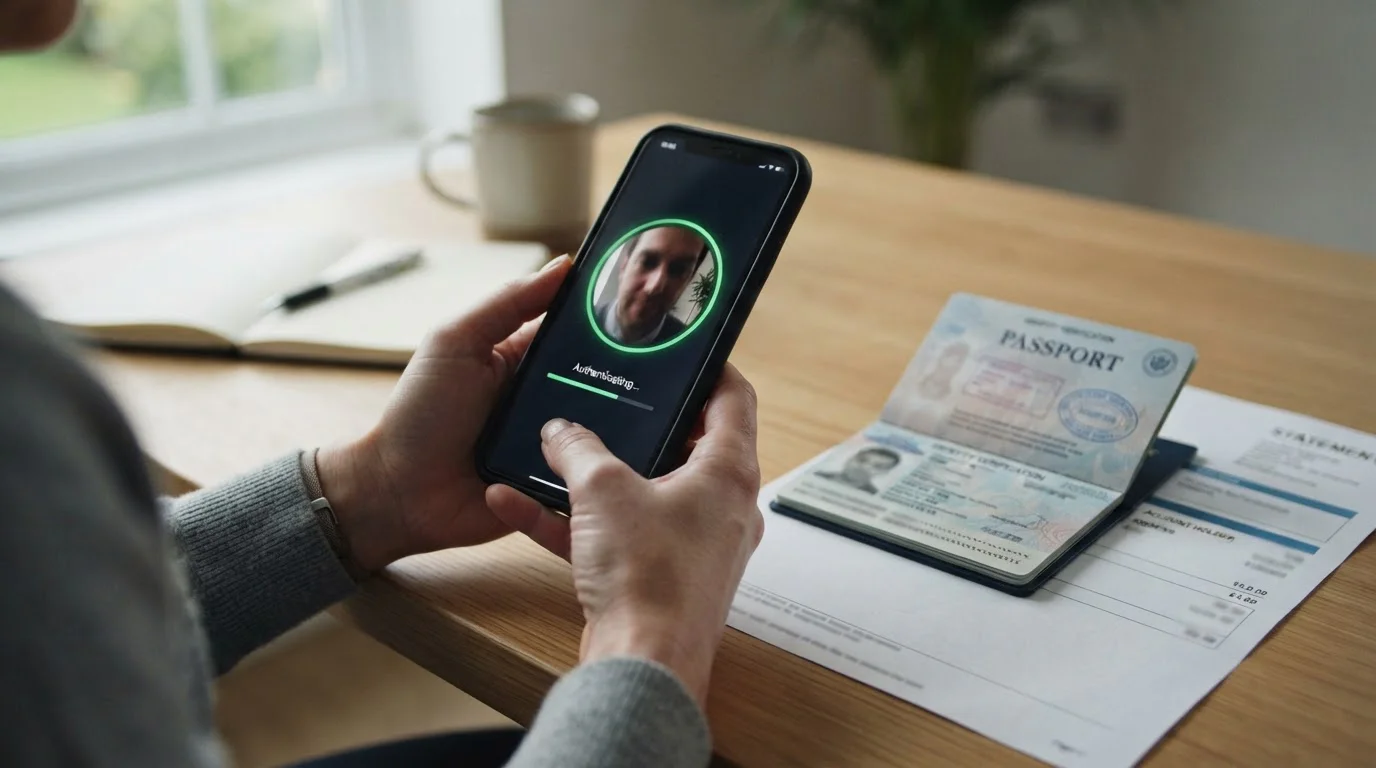
Open an account with PayPal, Skrill, Neteller, or Payz before attempting a casino deposit. Registration requires an email, password, and identity verification (passport or driving licence, proof of address). Fund the e-wallet from your bank account or debit card—most e-wallets accept bank transfers and debit card top-ups, not credit cards for gambling purposes.
Navigate to the casino cashier, select your e-wallet from the payment methods dropdown, enter the deposit amount (£10 minimum at most UK casinos), and confirm. You’ll redirect to the e-wallet’s login page, authenticate, and approve the transaction. Funds appear in your casino balance instantly. The entire flow takes under two minutes once your e-wallet account is set up and funded.
First-time deposits at a new casino sometimes trigger verification before the funds release, especially at operators with strict AML controls. This is rare for e-wallet deposits compared to bank transfers, but not impossible. If your deposit doesn’t appear within five minutes, contact casino support—most resolve it within the hour.
Withdrawing Casino Winnings to Your E-Wallet
Navigate to the casino cashier, select withdrawals, choose your e-wallet, enter the amount, and submit. First withdrawal at any UKGC casino triggers KYC verification: upload a photo ID (passport, driving licence) and proof of address (utility bill, bank statement dated within three months). Verification takes 24–72 hours on first withdrawal, after which subsequent withdrawals process without delay.
Withdrawals must go to the same e-wallet account you deposited from. Casinos block withdrawals to third-party accounts or different payment methods as an AML safeguard. If you deposited via Skrill, your withdrawal goes to Skrill—you can’t switch to PayPal mid-session.
Processing times: LeoVegas and Bet365 typically clear e-wallet withdrawals same-day, often within hours. 888 and Casumo take 1–2 business days. Once the casino approves the withdrawal, funds appear in your e-wallet instantly. From there, transfer to your bank account via the e-wallet’s interface—instant withdrawals cost £1, standard transfers (1–3 business days) are free.
Verification Requirements and KYC
Every UKGC casino requires identity verification before processing withdrawals. This applies to all payment methods, e-wallets included. The documents needed: government-issued photo ID (passport, driving licence, national ID card) and proof of address dated within the last three months (utility bill, bank statement, council tax letter).
Upload documents through the casino’s verification portal, usually accessible from your account settings. Some casinos accept photos taken on your phone; others require scanned documents. Processing takes 24–72 hours on average, faster at operators with 24/7 verification teams. Once verified, your account stays verified for future withdrawals unless your details change (new address, expired ID).
Some casinos request additional documents for large withdrawals or if your deposit/withdrawal patterns trigger AML flags. Source-of-funds documentation (payslips, bank statements showing income) is rare for casual players but common for high rollers withdrawing five figures or more. This isn’t the casino being difficult—it’s UKGC compliance. All licensed operators must demonstrate they’re preventing money laundering and gambling with illicit funds.
Fees, Limits, and Processing Times
Casino deposits via e-wallet carry no player-facing fees at UKGC-licensed operators. The casino absorbs processing costs. Withdrawals back to your e-wallet are also fee-free from the player’s perspective. Fees apply when moving money between your e-wallet and bank account, set by the e-wallet provider, not the casino.
Skrill charges £1 for instant bank withdrawals, free for standard transfers. Neteller charges £1–£2 for instant, free for standard. PayPal charges no fee for UK bank account withdrawals but applies an FX markup on currency conversions. Payz fees depend on account tier—Classic users pay more, VIP users pay less.
Minimum deposit limits at UK casinos range from £5 to £10 depending on operator and payment method. Bet365 allows £5 PayPal deposits; most others set £10 minimums. Maximum deposits vary widely—casual-focused casinos cap at £1,000 per transaction, high-roller sites allow £10,000 or more. Check the cashier before attempting large deposits.
Withdrawal limits depend on casino and player status. Standard limits range from £5,000 to £10,000 per transaction, £20,000 to £40,000 per month. VIP players negotiate higher limits. E-wallet withdrawals don’t face the daily/weekly caps that bank transfers sometimes do, making them preferable for players who win large and want to cash out quickly.
What’s the Fastest Withdrawal Method at UK Online Casinos?
E-wallets (PayPal, Skrill, Neteller, Payz) are the fastest withdrawal method at UK casinos, processing in 0–24 hours and often same-day. LeoVegas, Bet365, Mr Green, and PlayOJO consistently deliver e-wallet payouts within hours. Debit card withdrawals take 1–5 business days. Bank transfers take 3–5 business days. Open banking (Trustly) can be faster than debit cards but slower than e-wallets, typically 1–3 business days.
Cryptocurrency withdrawals, where available at offshore casinos, can be faster than e-wallets (minutes to hours), but no UKGC-licensed operator accepts crypto as of 2026. For players at legal UK casinos, e-wallets are the speed ceiling.
Are There Fees for Using E-Wallets at Online Casinos?
No player-facing fees apply for deposits or withdrawals between your e-wallet and a UKGC-licensed casino. The casino absorbs those costs. Fees apply when funding your e-wallet from a bank account or withdrawing from the e-wallet back to your bank. Skrill and Neteller charge £1 for instant bank withdrawals, free for standard. PayPal charges no withdrawal fee but applies FX markup on currency conversions. Payz fees vary by account tier.
Casino-side, operators pay processing fees to e-wallet providers (typically 1–3% of transaction value), which is why some casinos exclude e-wallet deposits from bonus eligibility—the economics make bonus abuse too easy when withdrawal is instant and fee-free. Players don’t see these costs directly but experience them as bonus restrictions.
E-Wallets and UK Gambling Regulations

The Credit Card Ban (April 2020)
On 14 April 2020, the UK Gambling Commission implemented LCCP 5.1, prohibiting all UKGC-licensed operators from accepting credit cards for gambling transactions. The rule applies to casino deposits, sportsbook bets, bingo, poker, and any other gambling activity regulated under the Gambling Act 2005. The ban extends to indirect credit card use via e-wallets: if you fund your PayPal, Skrill, Neteller, or Payz account with a credit card and attempt to deposit to a UK casino, the transaction is blocked.
The policy goal: prevent gamblers from wagering borrowed money. Credit cards enable immediate spending beyond available funds, increasing debt accumulation and financial harm. Debit cards and e-wallets funded from bank accounts enforce a hard limit—you can only gamble what you already have, not what you can borrow.
E-wallet providers enforce this at the processor level. PayPal checks the funding source of your balance and blocks deposits to UKGC operators if the source traces to a credit card. Skrill, Neteller, and Payz implement similar checks. Attempting to circumvent the ban via a credit-card-funded e-wallet results in declined transactions and potential account restrictions.
The ban applies only to UKGC-licensed operators. Offshore casinos under Curacao, Malta, or other jurisdictions may still accept credit cards, creating a regulatory arbitrage that the UKGC acknowledges but cannot control. For UK players at legal casinos, credit cards are dead. Debit cards and e-wallets are the only plastic options.
FCA Authorisation Requirements
Every e-wallet operating in the UK must hold Financial Conduct Authority authorisation as a payment institution or e-money institution. This ensures the service meets UK financial regulations around consumer protection, anti-money laundering, and data security. PayPal operates under a Luxembourg banking licence passported into the UK (pre-Brexit arrangement grandfathered under equivalence rules). Skrill and Neteller hold direct FCA authorisation via Paysafe Financial Services Limited. Payz operates under PSI-Pay Ltd, FCA reference 900011.
UKGC-licensed casinos can only integrate payment methods from FCA-authorised providers. Unauthorised e-wallets, even if popular internationally, are blocked from UK casino cashiers. This regulatory pairing (FCA for payments, UKGC for gambling) creates a compliance framework where both sides of the transaction—casino and payment processor—face oversight.
For players, FCA authorisation means your e-wallet balance is safeguarded under UK financial regulations. If the e-wallet provider collapses, your funds are protected (subject to limits and terms). Offshore e-wallets without FCA authorisation offer no such protection, one reason UKGC operators avoid them.
GamStop Integration
GamStop is the UK’s national self-exclusion scheme. Players who opt in are blocked from all UKGC-licensed casinos, sportsbooks, and bingo sites for a chosen period (six months, one year, five years). The scheme is mandatory for all UK-licensed operators and integrates at the payment processor level.
E-wallets participating in the UK gambling market check GamStop status before processing deposits. If you self-exclude via GamStop and later attempt to deposit at a UKGC casino using PayPal, Skrill, Neteller, or Payz, the transaction is declined. The e-wallet provider receives the GamStop flag from the casino’s verification request and blocks the payment.
This prevents self-excluded players from bypassing the scheme by creating new casino accounts. Even if you register at a casino that hasn’t yet identified you as self-excluded, the e-wallet payment fails, closing the loophole. The integration isn’t perfect—offshore casinos don’t participate in GamStop, and payment methods outside the UK ecosystem (cryptocurrency, international bank wire) can’t enforce it—but within the UKGC-regulated space, GamStop works.
For players not self-excluded, GamStop integration is invisible. The check happens in milliseconds during deposit processing, adding no friction to normal transactions.
Why E-Wallets Are UKGC-Compliant
E-wallets meet UKGC requirements because they enforce three critical policies: credit card source blocking, GamStop integration, and audit-trail transparency. Debit cards meet the first requirement but not the second (GamStop can’t block a debit card payment at the card network level, only at the casino’s verification layer). Bank transfers offer no real-time blocking mechanism. E-wallets sit in the middle, balancing player convenience with regulatory compliance.
The UKGC doesn’t mandate e-wallets—operators can offer any FCA-authorised payment method that meets compliance standards. But e-wallets’ infrastructure makes compliance easier, which is why they’re near-universal at UKGC casinos while credit cards are banned and some other methods remain rare.
Do E-Wallets Work with GamStop Self-Exclusion?
Yes. If you self-exclude via GamStop, your PayPal, Skrill, Neteller, and Payz deposits to UKGC-licensed casinos will be blocked. The e-wallet provider checks your GamStop status during the deposit request and declines the transaction if you’re on the exclusion list. This prevents circumventing self-exclusion by opening new casino accounts.
GamStop integration does not freeze your e-wallet account for non-gambling purposes. You can still use PayPal for Amazon, Skrill for forex trading, or Neteller for non-gambling transactions. The block applies only to deposits sent to UKGC-licensed gambling operators.
Self-exclusion does not block offshore casinos that don’t participate in GamStop. If avoiding temptation is the goal, self-exclusion alone isn’t sufficient—you’d need to close or restrict your e-wallet accounts entirely, which most providers allow through their responsible gambling settings.
Bonuses and E-Wallet Deposits
Welcome bonuses, free spins, and promotional offers at UK casinos come with payment method restrictions. Many UKGC operators exclude Skrill and Neteller deposits from bonus eligibility as an anti-abuse measure. The reasoning: e-wallets’ instant deposit and withdrawal cycle makes it easy to claim a bonus, meet minimum playthrough, and cash out quickly, eroding the casino’s expected margin on the promotion.
PayPal and Payz deposits usually qualify for bonuses. Skrill and Neteller often don’t. This varies by casino—always check the specific operator’s bonus terms before depositing. Some sites blacklist all e-wallets from bonuses, though this is rare. Others allow PayPal and Payz while excluding Skrill/Neteller. A few, like Casumo, allow Skrill and Neteller deposits to qualify, making them outliers worth targeting if you’re a Skrill user.
The exclusion appears in the fine print: «Deposits via Skrill, Neteller, and Paysafecard do not qualify for this offer.» Miss that clause, deposit with Skrill, and you forfeit the bonus. The casino won’t reverse the deposit or issue the bonus after the fact—the terms are the terms.
For bonus hunters, the workaround is straightforward: use PayPal or Payz if the casino supports them, or avoid casinos that blacklist your preferred e-wallet. Chasing bonuses with an excluded payment method is a self-inflicted penalty, easily avoided by reading terms before depositing.
PlayOJO sidesteps this entirely with its no-wagering model. Every bonus pays as cash with no playthrough requirement, and payment method doesn’t affect eligibility. If bonus restrictions frustrate you, PlayOJO’s approach eliminates the problem at the cost of smaller headline bonus values.
Are Skrill and Neteller Deposits Excluded from Casino Bonuses?
Often, yes. Many UKGC-licensed casinos exclude Skrill and Neteller deposits from welcome bonuses and promotional offers. Bet365, 888, LeoVegas, Mr Green, and PlayOJO all enforce this restriction to varying degrees—check each operator’s current terms before depositing. Casumo is a notable exception, allowing Skrill and Neteller deposits to qualify for bonuses as of 2026.
PayPal and Payz face fewer blanket exclusions, making them better choices for bonus-focused players. The exclusion exists because Skrill and Neteller’s gambling-specialist positioning attracts bonus abusers who deposit, meet minimum wagering, and withdraw immediately. Casinos combat this by removing bonus incentives for those payment methods.
Choosing the Right E-Wallet for Your Needs
For Fast Withdrawals: Skrill or Neteller
If withdrawal speed is the priority, Skrill or Neteller at LeoVegas or Bet365 delivers the fastest turnaround in the UK market. LeoVegas processes Skrill and Neteller withdrawals in under four hours consistently. Bet365 hits same-day turnaround within 24 hours. Both outperform debit cards (1–5 days) and bank transfers (3–5 days) by a wide margin.
The trade-off: bonus exclusions. If you’re willing to forfeit welcome offers and play without promotional incentives, Skrill or Neteller at a fast casino gets your winnings into your e-wallet the same day you request withdrawal. For players who value liquidity over bonuses—high rollers, professional gamblers, or anyone who treats casino play as transactional rather than recreational—this is the optimal setup.
For Mainstream Trust: PayPal
If brand recognition and transaction privacy matter more than the absolute fastest withdrawal, PayPal is the choice. Most UK adults already use PayPal for e-commerce, making it the path of least friction. No need to create a new account, learn a new interface, or explain an unfamiliar e-wallet to a partner who shares your bank account and questions a «Paysafe Financial Services» statement line.
PayPal deposits qualify for bonuses at most UKGC casinos, unlike Skrill and Neteller. Withdrawal speeds are competitive (0–24 hours, often same-day at Bet365, LeoVegas, Mr Green, PlayOJO), though fractionally slower than Skrill/Neteller at the fastest operators. Casino acceptance is narrower (~40 operators vs. majority coverage for Skrill/Neteller), but the casinos that do accept PayPal tend to be established brands with clean reputations.
PayPal’s limitation: it’s not available at Casumo, and some smaller UKGC casinos don’t support it. If your preferred casino doesn’t list PayPal in the cashier, Skrill or Payz become fallback options.
For Multi-Currency Play: Payz
If you gamble at UK casinos and European or international sites where the transaction currency varies, Payz’s multi-currency wallet saves on conversion fees. Hold balances in GBP, EUR, and USD simultaneously, depositing in the casino’s native currency rather than converting at each transaction. The tiered account system unlocks better FX rates as your transaction volume rises—Gold and Platinum tiers offer rates closer to interbank than the markups PayPal or Skrill apply.
Payz acceptance at UKGC casinos exceeds 100 operators, broader than PayPal and competitive with Skrill/Neteller. Withdrawal speeds match competitors (0–24 hours, often same-day). Bonus eligibility is better than Skrill/Neteller, on par with PayPal. The rebrand confusion (ecoPayz → Payz) is Payz’s operational headache, not yours—log in with Payz credentials at any casino cashier showing «ecoPayz» and it works.
Payz suits international players, expats, or UK residents who also gamble at EUR-denominated casinos. For purely UK-focused play in GBP, the multi-currency advantage evaporates, and PayPal or Skrill become simpler choices.
For Bonus Eligibility: Payz or PayPal
If maximising welcome bonuses and promotional offers is the goal, use Payz or PayPal. Both face fewer blanket exclusions than Skrill or Neteller. Bet365, 888, LeoVegas, Mr Green, and PlayOJO all allow PayPal deposits to qualify for bonuses. Payz deposits qualify at most sites, including those that exclude Skrill/Neteller.
The exception is Casumo, which allows Skrill and Neteller bonus eligibility, making it the outlier for Skrill users who also want bonuses. Verify terms before depositing—bonus eligibility changes occasionally as casinos adjust anti-abuse policies.
For casual players who treat bonuses as a deciding factor between casinos, PayPal or Payz at a bonus-friendly operator (Bet365, LeoVegas, PlayOJO) delivers the cleanest experience. Deposit, claim the offer, play, withdraw—no payment method restrictions to navigate.
Responsible Gambling and E-Wallet Controls
E-wallets offer deposit control features through their own interfaces, supplementing casino-side responsible gambling tools. Skrill, Neteller, Payz, and PayPal all allow setting monthly spending limits, transaction alerts, and cooling-off periods. These controls apply across all merchants, not just gambling sites, but they enforce a hard cap on how much you can deposit to casinos within a chosen timeframe.
Pairing e-wallet deposit limits with casino-side session limits, loss limits, and reality checks creates a layered system. If you set a £500 monthly limit on your Skrill account and a £100 weekly loss limit at your casino, both constraints apply simultaneously. The tighter limit governs, preventing circumvention by switching between controls.
GamStop remains the nuclear option. If you self-exclude via GamStop, your e-wallet deposits to all UKGC casinos are blocked regardless of your e-wallet’s own settings. Self-exclusion is irreversible during the chosen period (six months, one year, five years), making it suitable only for players who recognise gambling harm and commit to stopping entirely within the UK-licensed ecosystem.
Mobile slots, live casino, and sportsbook access on phones make gambling frictionless. E-wallets accelerate that—deposits take seconds, no need to fetch a card or log into online banking. Responsible gambling tools that add friction back in (mandatory breaks, deposit delays, spending caps) help, but they rely on voluntary activation. The easiest safeguard: don’t save your e-wallet login on your phone, forcing a deliberate authentication step before every deposit. Small friction, measurable impact.
Casino Deposit Methods UK 2026 — Cards, E-Wallets & Bank
Content created by the «casinopay» team
