
UK Casinos That Accept Instadebit 2026: What Happened and What to Use Instead
 Available in US
Instadebit has effectively vanished from the UK casino landscape. Bet365 dropped it. William Hill dropped it. Ladbrokes, Sky Bet, and every other major operator you’d recognise from the high street—gone. By 2026, no mainstream UKGC-licensed brand lists Instadebit in its cashier, and the handful of smaller operators that might still support it aren’t naming themselves publicly.
The question readers actually need answered isn’t «where can I find Instadebit casinos» but «what happened, and what should I use instead.» The Canadian instant-banking service never achieved critical mass in the UK market. When regulatory changes arrived in 2020, operators streamlined their payment infrastructure, and Instadebit—sitting outside the UK’s regulated e-wallet and Open Banking ecosystems—became an obvious candidate for removal. What remains is a payment landscape centred on debit cards, PayPal, a handful of established e-wallets, and the rising wave of Open Banking instant transfers.
This isn’t a eulogy. It’s a practical guide to the methods that actually work at UKGC-licensed casinos in 2026, why Instadebit lost its footing, and how to choose a replacement that fits the same use case—instant deposits, e-wallet privacy, or fast withdrawals—without the uncertainty of chasing a service that operators abandoned years ago.
Instadebit at UK Casinos in 2026: Current Availability
The straight answer: Instadebit is not accepted at any major UK-licensed casino as of 2026. Research across the top-tier operators—Bet365, William Hill, Ladbrokes, Sky Bet, Casumo, LeoVegas—shows zero support. Payment method pages that once listed Instadebit have been updated, cashier integrations removed, and the service is absent from operator communications.
A timeline helps explain the gap. Instadebit was available at a subset of UK casinos before 2020, though never at the scale of debit cards or PayPal. The UK Gambling Commission implemented a credit card ban in April 2020 under LCCP Section 5.1, prohibiting all licensed operators from accepting credit cards for gambling transactions. That ban didn’t target Instadebit directly—it’s a bank transfer service, not a credit product—but it triggered a broader consolidation wave across 2020–2022. Operators reviewed their entire payment stack, streamlined around methods with proven UK adoption and regulatory clarity, and dropped niche services with lower transaction volumes or non-UK regulatory domiciles.
Instadebit, regulated by FINTRAC in Canada rather than the UK Financial Conduct Authority, became a natural consolidation target. It required separate integration work, served a smaller user base than PayPal or Skrill, and didn’t fit the post-2020 UK operator preference for debit cards, FCA-regulated e-wallets, and Open Banking rails. By late 2021, the major brands had removed it. Smaller UKGC licensees followed suit through 2022. No public announcements were made—payment method pages were quietly updated, and Instadebit disappeared from UK casino cashiers.
Is Instadebit still accepted at UK online casinos in 2026, and if so, which specific operators list it?
No confirmed UKGC-licensed operator lists Instadebit as an accepted payment method in 2026. Spot checks of major brands and mid-tier licensees show universal absence. The service remains active in Canada, where it originated, but has no visible UK casino presence.

Why Did UK Casinos Drop Instadebit?
The immediate cause was the April 2020 credit card ban, but the root goes deeper. Section 5.1 of the UKGC’s Licence Conditions and Codes of Practice, effective 14 April 2020, prohibited credit card gambling across all products—casino, sports betting, bingo, lottery, poker. The aim: reduce harm from gambling with borrowed money. Great Britain became the first jurisdiction worldwide to implement a total credit card ban for gambling.
That single regulatory change cascaded through the entire payment ecosystem. Operators didn’t just remove credit cards—they reassessed every payment method against stricter oversight of fund flows, segregation requirements, and dispute resolution timelines. The UKGC tightened payment provider scrutiny post-2020, requiring clearer audit trails and faster resolution of withdrawal disputes. Operators responded by consolidating around methods with robust UK regulatory standing: debit cards issued by UK banks, e-wallets regulated by the FCA (PayPal, Skrill, Neteller, MuchBetter), and emerging Open Banking providers like Trustly.
Instadebit’s Canadian domicile worked against it. The service is regulated by FINTRAC, Canada’s financial intelligence unit, not by UK authorities. It’s not FCA-registered as an e-money institution, doesn’t operate under UK payment services regulation, and requires operators to maintain a separate integration outside their core UK payment stack. When streamlining became a priority in 2020–2022, operators asked a straightforward question: does this method justify the integration cost and regulatory complexity relative to transaction volume? For Instadebit in the UK market, the answer was no.
The consolidation wasn’t punitive—it was pragmatic. Operators kept debit cards (universal), PayPal (widest e-wallet reach), Skrill and Neteller (established player bases), and began integrating Open Banking rails (Trustly, Pay by Bank) to replace traditional bank transfers. Instadebit, sitting between e-wallets and bank transfers with marginal UK adoption, didn’t survive the cut.
Why did major UK casinos like Bet365 and William Hill stop accepting Instadebit?
Bet365, William Hill, Ladbrokes, and other high-street brands dropped Instadebit as part of the 2020–2022 payment consolidation triggered by the credit card ban and tighter UKGC payment oversight. The service’s Canadian regulatory domicile and low UK transaction volumes made it a natural target for removal when operators streamlined to UK-centric payment infrastructure.
Best Alternatives to Instadebit for UK Players
Instadebit’s core value proposition was instant deposits via online banking credentials, e-wallet-style convenience without a separate funding step, and withdrawal support at casinos that offered it. Replacing it means matching those features with methods that actually work at UKGC-licensed sites in 2026.
The UK payment landscape has evolved significantly since Instadebit’s exit. Debit cards remain universal. PayPal has become the dominant e-wallet at major brands. Open Banking—direct bank-to-casino transfers via services like Trustly—has matured into a viable instant-deposit alternative. MuchBetter, an FCA-regulated mobile e-wallet, has grown from niche to mainstream, with 40% adoption across UK casinos by 2026 compared to 25% in 2023. Apple Pay and Google Pay offer one-touch mobile deposits, though withdrawals return to the underlying debit card rather than the wallet itself.
Choosing the right alternative depends on what mattered most about Instadebit. Instant deposits? Debit cards, Trustly, and PayPal all deliver. E-wallet privacy, keeping bank details away from the casino? PayPal and MuchBetter provide that layer. Withdrawal support? Avoid Apple Pay, Google Pay, and Paysafecard—they’re deposit-only. Bonus eligibility? PayPal qualifies at most operators, while Skrill and Neteller are commonly excluded.
The table below compares the nine mainstream alternatives across the dimensions that matter for an Instadebit replacement.
| Payment Method | Deposit Speed | Withdrawal Speed | Fees (GBP) | Bonus Eligible | Key Feature |
|---|---|---|---|---|---|
| Visa/Mastercard Debit | Instant | 1–3 days | None | Yes | Universal acceptance, no separate account |
| PayPal | Instant | Instant–24 hours | None | Yes | Widest e-wallet support, bonus-friendly |
| Skrill | Instant | Instant–24 hours | 1.45% conversion, £1 instant withdrawal | Often excluded | Paysafe e-wallet, broad casino acceptance |
| Neteller | Instant | Instant–24 hours | 1.50% conversion | Often excluded | Paysafe e-wallet, Net+ prepaid card |
| Apple Pay | Instant | N/A (deposit-only) | None | Yes | iOS one-touch, tokenized security |
| Google Pay | Instant | N/A (deposit-only) | None | Yes | Android/cross-platform, less widely accepted |
| Trustly / Open Banking | Instant | Instant–1 hour | None | Yes | No wallet, direct bank link, free to player |
| MuchBetter | Instant | Varies by operator | None (GBP) | Yes | FCA-regulated, mobile-first, gambling-focused |
| Paysafecard | Instant | N/A (deposit-only) | None | Yes | Prepaid voucher, anonymous if cash-bought |

Visa/Mastercard Debit Cards
Every UKGC-licensed casino accepts debit cards. Visa, Mastercard, Maestro, and Electron variants all work, linking directly to the cardholder’s UK bank account. Deposits hit instantly with minimums typically £5 to £10. Withdrawals process in one to three business days depending on the operator’s finance team and the issuing bank’s clearing times.
Debit cards are the default fallback when e-wallets aren’t an option. No separate account to fund, no app to download, no wallet balance to manage. The card details go into the casino cashier, funds move from bank to operator, and winnings return the same way. For players who valued Instadebit’s direct bank linkage, debit cards deliver the same outcome without an intermediary service.
The limitation is speed. Deposits are instant, but withdrawals take longer than e-wallets or Open Banking—Casumo clears PayPal in 24 hours, while debit card payouts can stretch to three days. There’s also the visibility trade-off: the casino sees the cardholder’s bank details, whereas e-wallets provide a privacy layer. Bonus eligibility is universal—debit deposits qualify for welcome offers at all major operators, unlike Skrill or Neteller which are often excluded.
Bet365 accepts Visa, Mastercard, Electron, and Maestro debit cards with a £5 minimum deposit. William Hill lists debit cards as the primary method, supported across all products. Fees are rare for GBP transactions at UK-licensed sites—the operator absorbs processing costs rather than passing them to the player.
PayPal
PayPal is the closest functional replacement for Instadebit’s e-wallet convenience. Instant deposits, instant to 24-hour withdrawals, no fees for GBP transactions within the UK, and crucially—bonus eligibility at most major operators, a distinction that separates it from Skrill and Neteller.
The e-wallet sits between the player’s bank and the casino, providing a privacy layer. The operator sees a PayPal transaction, not bank account details. Deposits pull from a funded PayPal balance or a linked bank account or debit card. Withdrawals land in the PayPal account, available for immediate use elsewhere or transfer back to the bank.
PayPal’s UK casino acceptance is the widest of any e-wallet. Bet365, William Hill, Ladbrokes, BetMGM, LeoVegas, and Casumo all support it. Casumo processes PayPal withdrawals within 24 hours on verified accounts. DaznBet confirmed PayPal payout functionality in October 2026 testing. The trust factor matters—PayPal’s consumer protection mechanisms and brand recognition make it a comfortable choice for players wary of lesser-known e-wallets.
The catch is operator discretion. PayPal approval for gambling merchants is selective, and not every UKGC licensee secures integration. Sky Bet notably dropped PayPal in 2025–2026 as part of a broader payment consolidation toward Open Banking, replacing it with Pay by Bank and Revolut Pay. For players at operators that still support it, though, PayPal delivers Instadebit’s instant-deposit use case with better withdrawal speed and bonus eligibility.
Skrill
Skrill is a Paysafe Group e-wallet, sibling to Neteller and Paysafecard, with broad UK casino acceptance. The mechanics mirror PayPal—fund the Skrill account via bank transfer or debit card, then deposit instantly to the casino from the Skrill balance. Withdrawals return to Skrill, typically within 24 hours, then transfer onward to a UK bank account.
The Paysafe infrastructure means high reliability. Skrill has operated in the UK gambling market since the mid-2000s, integrated at dozens of UKGC-licensed operators. Casumo, LeoVegas, MrQ, and many mid-tier licensees list it alongside Neteller as standard e-wallet options.
Fees and bonus exclusion are the trade-offs. Skrill charges 1.45% for currency conversion on non-GBP transactions and £1.00 for instant withdrawals to a UK bank account. More critically, many operators exclude Skrill deposits from welcome bonus eligibility—the terms and conditions explicitly state «deposits via Skrill or Neteller do not qualify.» That exclusion stems from historical bonus abuse via e-wallet churn, and operators maintain the restriction even at properties where PayPal deposits qualify without issue.
For players who valued Instadebit’s e-wallet privacy and don’t care about bonuses, Skrill is a functional replacement. For those chasing a welcome offer, PayPal or debit cards are safer choices.
Neteller
Neteller is Skrill’s Paysafe Group counterpart, launched in 1999 with near-identical functionality. Instant casino deposits, fast withdrawals, wide UK acceptance, and the same bonus exclusion problem that affects Skrill. The Net+ prepaid Mastercard distinguishes it slightly—Neteller users can order a physical card linked to their account balance, enabling ATM withdrawals and point-of-sale purchases from gambling winnings without transferring back to a bank account first.
Fees run marginally higher than Skrill: 1.50% currency conversion for non-GBP transactions, with standard withdrawal fees. GBP-to-GBP transactions within the UK keep costs low, but the bonus exclusion remains a friction point. Operators that block Skrill deposits from offers typically block Neteller in the same clause.
The choice between Skrill and Neteller comes down to minor preference—Net+ card access, slightly different fee structures, or whichever e-wallet a player happened to sign up for years ago. Both deliver the instant-deposit, fast-withdrawal use case that Instadebit served, and both carry the bonus-eligibility penalty that PayPal avoids.
Neteller’s long operational history—over two decades in online gambling—provides some confidence in stability. The Paysafe Group acquisition in 2015 consolidated it under the same corporate umbrella as Skrill and Paysafecard, creating a payment family with deep UK market penetration. For Instadebit users prioritising e-wallet privacy over bonus hunting, Neteller is a viable fallback.
Apple Pay
Apple Pay delivers the fastest deposit experience in UK casino cashiers—Face ID or Touch ID authentication on an iPhone or iPad, instant fund transfer, no manual card number entry. The mobile wallet tokenizes the underlying debit card, so the casino never sees the card details, only an Apple Pay transaction code.
The limitation is platform and direction. Apple Pay requires an iOS device and works only for deposits. Withdrawals don’t return to Apple Pay—they process to the original debit card or an alternative method like bank transfer or e-wallet. That deposit-only restriction makes it a partial Instadebit replacement at best, suitable for players who deposit via mobile and don’t mind withdrawing through a different channel.
Acceptance varies by operator. Casumo, Sky Bet, and LeoVegas support Apple Pay deposits. BetMGM lists it in the cashier. Minimum deposits run £5 to £10, consistent with debit card limits. No fees apply for GBP transactions—the tokenized debit card is charged as a standard debit purchase. Bonus eligibility is generally intact, unlike Skrill or Neteller exclusions, though operators reserve the right to restrict specific payment methods from promotional terms.
For Instadebit users who valued one-click convenience and mobile-first functionality, Apple Pay matches that on the deposit side. The withdrawal gap is the compromise—winnings take the slower debit card route rather than an instant e-wallet payout.
Google Pay
Google Pay is Apple Pay’s Android and cross-platform counterpart, with similar tokenization security and one-touch deposit functionality. It works on Android devices, desktop browsers with Google Pay integration, and theoretically across any platform with the Google Pay app installed. Deposits authenticate via device PIN, fingerprint, or face unlock, and funds transfer instantly from the tokenized debit card.
UK casino acceptance lags behind Apple Pay. LeoVegas supports Google Pay deposits. Sky Bet dropped Google Pay in 2025–2026 during the same payment consolidation that removed PayPal, retaining only Apple Pay, Pay by Bank, Revolut Pay, and debit cards. That removal signals a broader industry trend—operators are prioritising Apple Pay’s larger iOS user base and consolidating around fewer mobile wallet integrations.
Like Apple Pay, Google Pay is deposit-only. Withdrawals process to the underlying debit card or an alternative method. The cross-platform advantage over Apple Pay—Android dominance in some demographics, browser-based desktop support—doesn’t translate to wider casino acceptance in practice. Operators that support mobile wallets tend to integrate Apple Pay first, adding Google Pay only if the transaction volume justifies the integration work.
For Android users who valued Instadebit’s instant-deposit functionality, Google Pay is an option where accepted. The shrinking operator support and deposit-only limitation make it less compelling than PayPal, Trustly, or debit cards for a comprehensive Instadebit replacement.
Trustly and Open Banking
Trustly is a Swedish fintech company operating instant bank transfer services via Open Banking infrastructure. No Trustly account required—players log into their online banking, authorise a payment, and funds move directly from bank to casino in real time. Withdrawals work the same way, clearing in one hour at many UKGC-licensed operators rather than the one-to-three days typical for debit card payouts.
Open Banking is the regulatory framework underpinning Trustly and similar services like Pay by Bank. Introduced in the UK via PSD2 and the CMA’s 2018 Open Banking mandate, it allows regulated third parties to initiate payments directly from a customer’s bank account with explicit consent, no card or account number exchange required. Trustly, founded in 2008 and FCA-regulated in the UK, pioneered the casino application of that framework.
For players, the experience is closer to Instadebit than any other alternative. No wallet to fund, no separate app, no intermediate balance. The casino cashier redirects to online banking, the player authenticates with their bank’s standard login (app, SMS code, password), authorises the payment, and returns to the casino with the deposit confirmed. Withdrawals reverse the flow—funds move from casino directly to the player’s bank account, skipping the card network’s clearing delays.
Trustly is free to the player. Casinos absorb the processing cost, typically around 0.8%, which is competitive with card network fees. Bonus eligibility is standard—deposits via Trustly or Pay by Bank qualify for welcome offers at operators that support it. Minimum deposits match debit card thresholds, usually £10.
Adoption is growing. Sky Bet added Pay by Bank in 2025–2026 as part of the PayPal/Google Pay replacement strategy. Casumo lists Instant Bank Transfer in its cashier, likely powered by Trustly or a similar Open Banking provider. The method is positioned as the next-generation replacement for both traditional bank transfers (too slow) and e-wallets (unnecessary intermediary), offering the instant-deposit, fast-withdrawal use case that Instadebit served without requiring a separate account.
The limitation is bank coverage. Not every UK bank has integrated Open Banking payment initiation, and smaller or challenger banks may lack support. For players at major UK banks—Barclays, HSBC, Lloyds, NatWest, Santander—Trustly works seamlessly. For those at lesser-known institutions, compatibility should be verified before choosing it as a primary method.
MuchBetter
MuchBetter is an FCA-regulated mobile e-wallet operated by MIR Limited UK, designed specifically for online gambling transactions. Launched in the mid-2010s, it has grown from a niche option to 40% adoption across UK-facing casinos by 2026, up from 25% in 2023. Bet365, William Hill, Ladbrokes, 32Red, MrQ, and Casumo all accept it.
The mobile-first design distinguishes it from PayPal and Skrill. MuchBetter operates via smartphone app—no desktop web interface, all account management and transactions through iOS or Android. Players fund the MuchBetter balance via bank transfer or debit card, then deposit to casinos from the app. Withdrawals return to MuchBetter, available for onward transfer to a bank account or for use at other merchants via the integrated prepaid Mastercard.
That prepaid card functionality is the differentiator. MuchBetter issues a physical Mastercard linked to the app balance, allowing ATM withdrawals and retail purchases without moving funds back to a bank. For players who keep a portion of their bankroll in the e-wallet for ongoing casino use, the card provides flexible access without liquidating the balance.
Security leans on biometric authentication—fingerprint or face unlock to authorise transactions. No fees for GBP deposits or casino transactions. Bonus eligibility is better than Skrill or Neteller—MuchBetter deposits aren’t subject to the widespread exclusion clauses that affect those Paysafe e-wallets, likely because MuchBetter entered the market later with explicit gambling-focused positioning rather than being repurposed from general e-commerce.
The FCA regulation under MIR Limited UK provides the same regulatory standing as PayPal, Skrill, and Neteller. For players who valued Instadebit’s e-wallet convenience and want a UK-regulated alternative that isn’t tied to Paysafe’s bonus-exclusion baggage, MuchBetter is the emerging choice.
Paysafecard
Paysafecard is a prepaid voucher system operated by Paysafe Prepaid Services Limited, part of the Paysafe Group alongside Skrill and Neteller. Founded in 2000 and FCA-registered for UK operations, it works entirely differently from e-wallets or bank transfers. Players purchase a voucher—physical card or online code—with a 16-digit PIN, values ranging from £10 to £100. That PIN is entered into the casino cashier, and the voucher balance is applied to the casino account.
The method is deposit-only. Withdrawals cannot return to Paysafecard—winnings are paid via bank transfer, debit card, or e-wallet. That limitation makes it a partial Instadebit replacement, suitable for deposit control (capping spend at the voucher value) or anonymity (buying vouchers with cash at retail) but incompatible with two-way transaction flow.
Paysafecard vouchers are available at over 650,000 retail locations across the UK, primarily PayPoint outlets and convenience stores. Online purchase is also supported via the Paysafecard website, paid by bank transfer or card. The MyAccount feature allows players to combine multiple vouchers into a single balance, though creating an account sacrifices the anonymity that cash-purchased vouchers provide.
No fees apply for using a voucher at a casino—the player deposits the face value, and the operator receives the same amount minus Paysafecard’s merchant fee (not passed to the player). Bonus eligibility is standard—voucher deposits qualify for welcome offers at most operators, though terms should be checked.
For Instadebit users who valued spending control or privacy, Paysafecard offers a different approach. The prepaid nature enforces a hard limit—once the voucher is spent, no further deposits occur until another voucher is purchased. That friction can be a feature for responsible gambling. The anonymity angle (cash purchase, no bank trail) appeals to a subset of players, though UK AML regulations and casino KYC requirements mean full anonymity is impossible—verified ID is still required for significant withdrawals.
The deposit-only restriction and the need to purchase vouchers in advance make Paysafecard less convenient than instant methods like PayPal, Trustly, or debit cards. It’s a specialised tool rather than a general-purpose replacement, best suited for players who want the control or privacy features rather than seamless two-way transaction flow.
What is the best alternative to Instadebit for UK casino players?
PayPal is the most direct replacement—instant deposits, fast withdrawals, bonus eligibility at major operators, and the widest e-wallet acceptance in the UK market. For players who don’t need e-wallet privacy, debit cards deliver universal acceptance with no separate account required. Trustly and Open Banking (Pay by Bank) replicate Instadebit’s direct bank-linkage model with faster withdrawals than traditional bank transfers.
Can I use PayPal or Skrill instead of Instadebit at UK casinos?
Yes. PayPal is accepted at Bet365, William Hill, Ladbrokes, Casumo, LeoVegas, and most major UKGC-licensed operators, with instant deposits and 24-hour withdrawals. Skrill is also widely supported, though it’s often excluded from welcome bonus eligibility—check the operator’s terms before depositing if claiming an offer.
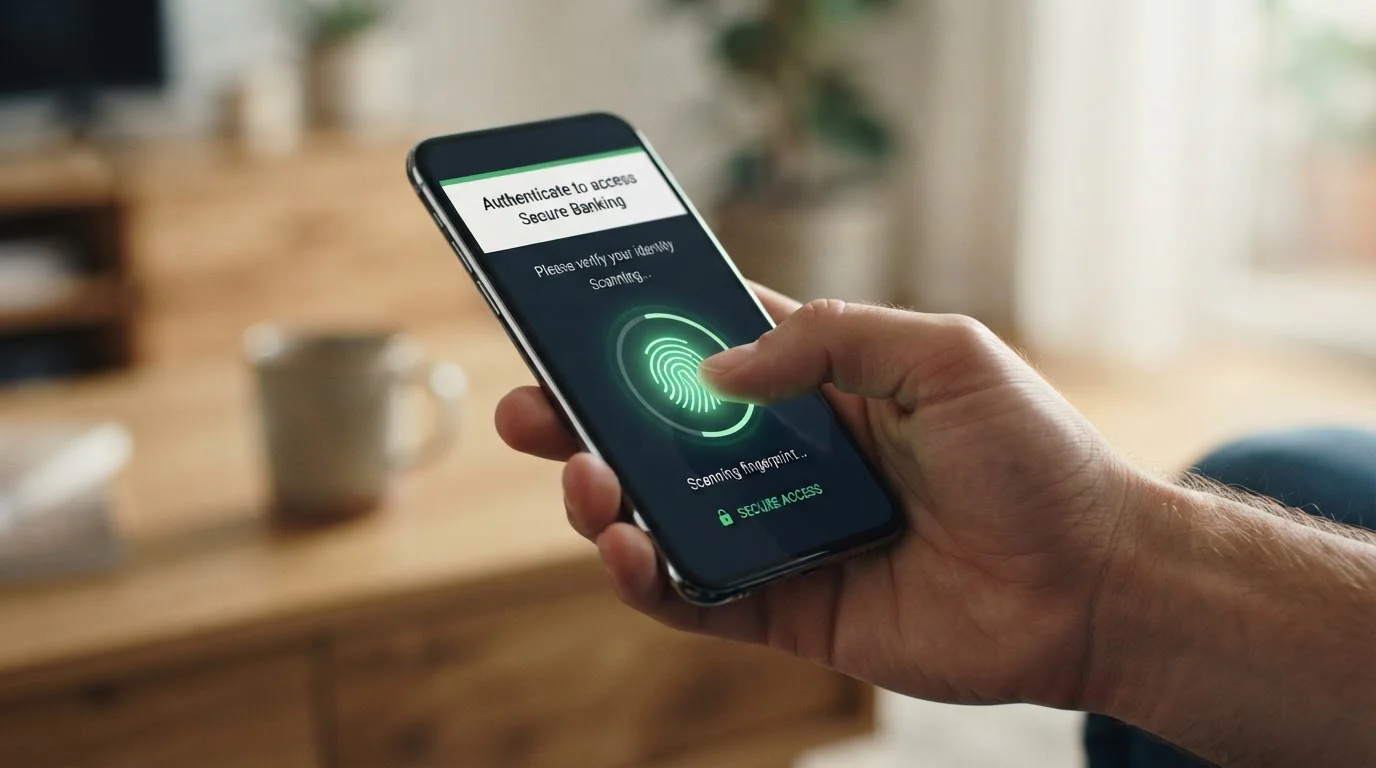
UK Casinos Accepting Alternative Payment Methods
With Instadebit out of the picture, the question becomes which UKGC-licensed operators support the alternatives that actually work. The major brands have consolidated around similar core methods—debit cards, PayPal, and emerging options like MuchBetter and Open Banking—but differences exist in breadth of coverage and withdrawal speed.
The six operators below represent the UK market spectrum: high-street giants with decades of history, newer entrants that built mobile-first experiences, and mid-tier licensees with strong compliance records. None support Instadebit, but all offer multiple alternatives with varying payment method coverage.
Bet365
Bet365 Group Ltd, founded in 2000 by Denise Coates, operates as one of the world’s largest online gambling companies under UKGC licence 000-039372-R-319305-001. The UK market is its home base, and the payment method lineup reflects that domestic focus: Visa, Mastercard, Electron, and Maestro debit cards, PayPal, MuchBetter, and instant bank transfer.
The casino library exceeds 2,000 titles across slots, live dealer, and table games. Sports betting, poker, and bingo operate under the same licence. Minimum deposit sits at £5 across most methods, among the lowest thresholds in the market. Withdrawals process within 24 hours to three business days depending on method—PayPal clears fastest, debit cards take the full three days.
Bet365 dropped Instadebit by 2026 as part of the post-2020 payment consolidation. The current lineup prioritises mainstream UK methods with proven transaction volumes. MuchBetter’s inclusion signals responsiveness to emerging FCA-regulated alternatives. The lack of Skrill or Neteller is notable—Bet365 has chosen to exclude Paysafe e-wallets entirely, likely to avoid bonus abuse via e-wallet churn or to simplify payment operations.
The brand’s market dominance in the UK means its payment method choices influence player expectations. If Bet365 supports a method, it’s mainstream. If it doesn’t, players look elsewhere or adapt to what’s available. The current set—debit cards, PayPal, MuchBetter, Open Banking—is sufficient for the vast majority of UK players seeking Instadebit alternatives.
William Hill
William Hill, established in 1934 as a telephone betting operation, represents the historic core of UK gambling. Now owned by Entain Group (formerly GVC Holdings), it operates online casino and sports betting under UKGC remote licence via WHG (International) Limited. The 90-year legacy includes a nationwide network of physical betting shops, though the online platform is the focus for casino play.
Payment methods lean toward simplicity: debit cards are the primary option, with Revolut deposits and withdrawals added in July 2022, MuchBetter support, and bank transfer. PayPal acceptance is less clear than at Bet365 or Ladbrokes, with some sources indicating availability and others omitting it. The Revolut integration is a differentiator—William Hill was an early adopter of the FCA-regulated fintech bank for gambling deposits, offering instant transfers for Revolut account holders.
Entain Group ownership means William Hill shares corporate infrastructure with Ladbrokes and Coral, both of which also dropped Instadebit. The group’s payment strategy post-2020 has been to consolidate around debit cards and selectively integrate emerging fintech options (Revolut, MuchBetter) while deprioritising traditional e-wallets like Skrill and Neteller.
The physical betting shop network, though a separate channel from online play, provides an alternative cash-handling route for players uncomfortable with digital-only transactions. Deposit via debit card or bank transfer online, then withdraw winnings at a William Hill shop if preferred—a hybrid option unavailable at online-only brands like Casumo or LeoVegas.
William Hill’s payment offering is narrower than Bet365 but functional for players prioritising debit cards or Revolut. The absence of broad e-wallet support (PayPal unclear, Skrill/Neteller unsupported) makes it less attractive for players who valued Instadebit’s e-wallet characteristics, but the high-street brand trust and Entain regulatory backing compensate for some UK customers.
Ladbrokes
Ladbrokes, founded in 1886 and operating under Entain Group ownership since the 2016 Ladbrokes Coral merger, holds 138 years of UK bookmaking history. The UKGC-licensed online platform offers casino and sports betting with payment methods including debit cards, PayPal, MuchBetter, and bank transfer.
PayPal acceptance is confirmed across multiple 2026 sources, a key advantage for players seeking the most widely recognised e-wallet. MuchBetter provides the FCA-regulated mobile alternative. Debit cards remain universal. The method set mirrors Bet365’s coverage, minus the explicit instant bank transfer branding that Bet365 promotes.
Ladbrokes dropped Instadebit alongside its Entain siblings William Hill and Coral. The group-wide payment consolidation means all three brands operate similar cashier infrastructures, with minor variations in which fintech partners (Revolut, Open Banking providers) are integrated at which brand.
The Ladbrokes brand skews slightly older demographically than newer entrants like Casumo, reflecting its high-street bookmaker heritage. That demographic alignment influences payment method priorities—debit cards and PayPal dominate, with less emphasis on mobile wallets like Apple Pay or experimental fintech than younger brands push. For players coming from Instadebit who want a trusted UK name and PayPal withdrawal support, Ladbrokes delivers without unnecessary complexity.
Withdrawal speed at Ladbrokes tracks industry norms: PayPal within 24 hours, debit cards one to three business days, depending on account verification status and transaction amount. The compliance record is clean—no recent UKGC fines or enforcement actions, a baseline expectation for Entain Group properties but worth noting given the tighter regulatory environment post-2020.
Sky Bet
Sky Betting & Gaming, part of Flutter Entertainment (also owns Paddy Power, Betfair, FanDuel), operates Sky Bet (sports), Sky Vegas (casino), Sky Casino, Sky Poker, and Sky Bingo under UKGC remote licence. The brand’s tight integration with Sky TV and media gives it high UK consumer recognition, though its payment method strategy has taken an unconventional turn.
Sky Bet dropped PayPal and Google Pay in 2025–2026, replacing them with Pay by Bank (Open Banking), Revolut Pay, Apple Pay, and debit cards. That consolidation is the most aggressive among major UK operators—removing the most widely accepted e-wallet (PayPal) in favor of Open Banking and fintech partnerships signals a strategic bet on next-generation payment rails over established e-wallet infrastructure.
For players seeking PayPal as an Instadebit alternative, Sky Bet is now off the table. The current lineup suits players comfortable with Open Banking (Pay by Bank via Trustly or similar), Revolut account holders, iOS users (Apple Pay), or those defaulting to debit cards. Minimum deposit is £5, consistent with competitors.
The payment consolidation reflects Flutter Entertainment’s broader fintech strategy. Revolut Pay integration leverages Revolut’s rapid UK growth among younger demographics. Open Banking eliminates the e-wallet intermediary, reducing processing costs and withdrawal times. Apple Pay serves mobile-first users. The trade-off is accessibility—players without Revolut accounts or Open Banking-compatible banks are pushed toward debit cards, and Android users lost Google Pay support.
Sky Bet’s payment method choices make it an outlier in 2026. For Instadebit users specifically seeking instant-deposit, fast-withdrawal alternatives, Pay by Bank delivers that functionality. For those expecting PayPal as a fallback, look elsewhere—Bet365, William Hill, Ladbrokes, Casumo, and LeoVegas all retain it.
Casumo
Casumo Services Limited, founded in 2012 in Malta and operating under UKGC licence 000-039483-R-319310-009 since 2015, brings a gamified casino experience with zero compliance fines in nine years of UK operation. Payment methods include Visa, Mastercard debit cards, PayPal, Skrill, Apple Pay, Instant Bank Transfer, and MuchBetter—the broadest coverage among the six operators reviewed here.
PayPal withdrawals clear within 24 hours at Casumo, confirmed across multiple player reports and operator communications. Debit card payouts take one to three working days. The minimum deposit is £10, slightly higher than Bet365 or Sky Bet’s £5 thresholds but standard for mid-tier operators. Skrill support is notable—Casumo is one of the operators that retained Paysafe e-wallets, though the usual bonus exclusion applies.
Casumo processes over £2.1 billion in annual transactions, a figure that provides scale context—this isn’t a small operation. The gamified progression system (player levels, adventures, rewards) differentiates the user experience from traditional online casinos, though the payment methods themselves function identically to any other UKGC site.
The clean compliance record matters in a post-2020 regulatory environment where UKGC enforcement has intensified. Zero fines since UK launch means no AML breaches, no customer fund segregation failures, no advertising violations, no bonus term disputes escalated to regulatory action. For players wary of lesser-known brands after Instadebit’s disappearance from major operators, Casumo’s track record provides confidence.
The payment method breadth—PayPal, Skrill, MuchBetter, Apple Pay, Instant Bank Transfer, debit cards—covers virtually every viable Instadebit alternative on the UK market. For players wanting optionality rather than being locked into a single method, Casumo delivers.
LeoVegas
LeoVegas Gaming plc, founded in 2011 in Sweden and acquired by MGM Resorts International in 2022, operates under UKGC licence with «King of Mobile Casino» positioning. The mobile-first design pioneered responsive casino interfaces before they became industry standard. Payment methods include Visa, Mastercard, PayPal, Apple Pay, and Google Pay.
The MGM Resorts backing, effective from the 2022 acquisition, links LeoVegas to one of the world’s largest land-based casino operators. That connection provides balance sheet strength and land-based casino credibility, differentiating it from pure online brands. The payment method set skews toward mobile wallets—Apple Pay and Google Pay both supported, unlike Sky Bet’s Google Pay removal or Bet365’s omission of both.
LeoVegas accepts Visa and Mastercard debit cards, the universal baseline. PayPal provides e-wallet functionality with the bonus eligibility that Skrill and Neteller lack. The mobile wallet coverage (Apple Pay, Google Pay) aligns with the «mobile-first» branding—players depositing via smartphone get one-touch options rather than manual card entry.
The Swedish origin and UKGC licensing combination means LeoVegas operates under dual regulatory scrutiny—Swedish Spelinspektionen for its home market, UKGC for the UK. Malta Gaming Authority licence covers non-UK/non-Swedish markets. That multi-jurisdictional compliance posture requires robust payment and KYC infrastructure, which translates to reliable transaction processing for UK players.
LeoVegas didn’t support Instadebit as of 2026, consistent with all major operators. The current payment lineup suits mobile-focused players seeking Apple Pay or Google Pay convenience, or traditional players defaulting to PayPal or debit cards. The absence of Skrill, Neteller, MuchBetter, or explicit Open Banking branding makes the method set narrower than Casumo’s but adequate for mainstream needs.
| Operator | UKGC Licence | Payment Methods Accepted | Withdrawal Speed | Distinguishing Feature |
|---|---|---|---|---|
| Bet365 | 000-039372-R-319305-001 | Debit cards, PayPal, MuchBetter, instant bank transfer | 24 hours (PayPal) to 3 days (debit) | Largest UK operator, £5 minimum, 2,000+ games |
| William Hill | WHG (International) Ltd | Debit cards, Revolut, MuchBetter, bank transfer | 1–3 days | 90-year legacy, Revolut integration, physical shop network |
| Ladbrokes | Entain Group subsidiary | Debit cards, PayPal, MuchBetter, bank transfer | 24 hours (PayPal) to 3 days | 138-year history, Entain backing, confirmed PayPal |
| Sky Bet | Flutter Entertainment | Debit cards, Apple Pay, Pay by Bank, Revolut Pay | Varies by method | Dropped PayPal/Google Pay 2025–26, Open Banking focus |
| Casumo | 000-039483-R-319310-009 | Debit, PayPal, Skrill, Apple Pay, MuchBetter, instant bank transfer | 24 hours (PayPal), 1–3 days (debit) | Zero fines since 2015, gamified experience, broadest method coverage |
| LeoVegas | UKGC licensed | Debit, PayPal, Apple Pay, Google Pay | 1–3 days | MGM Resorts ownership, mobile-first, Google Pay retained |

How to Deposit and Withdraw Without Instadebit
The mechanics vary by method, but the core flow stays consistent: authenticate, authorise, and wait for the operator to process. Deposits are instant across all alternatives except traditional bank transfers. Withdrawals range from instant (PayPal, some Open Banking implementations) to three business days (debit cards).
Depositing with a debit card: enter the card number, expiry date, CVV, and billing address in the casino cashier. The operator processes the transaction via Visa or Mastercard’s network. Funds appear in the casino account instantly. Minimum deposits are £5 to £10 depending on the operator. No fees apply for GBP transactions at UKGC-licensed sites—the operator absorbs processing costs.
Depositing with PayPal: select PayPal in the cashier, log into the PayPal account (redirects to PayPal’s site), confirm the payment amount, and authorise. The transaction completes in seconds, and the casino balance updates immediately. Requires a funded PayPal account or a linked bank account or debit card on file with PayPal. No fees for GBP transfers within the UK.
Depositing with Trustly or Open Banking: select the instant bank transfer option (branded as Trustly, Pay by Bank, or Instant Bank Transfer depending on operator), choose your bank from a list, log into online banking, and authorise the payment. No Trustly account required. The casino receives confirmation instantly, and the deposit clears in real time. Free to the player—the casino pays the processing fee.
Depositing with MuchBetter: download the MuchBetter app, fund the account via bank transfer or debit card, select MuchBetter in the casino cashier, scan the QR code or enter the payment details, and authorise via fingerprint or biometric unlock. Instant deposit, no fees for GBP. Minimum deposits match debit card thresholds.
Depositing with Apple Pay or Google Pay: select the mobile wallet in the casino cashier (mobile browser or app), authenticate via Face ID, Touch ID, fingerprint, or device PIN, and confirm. Instant deposit from the tokenized debit card. Deposit-only—withdrawals process to the underlying debit card or an alternative method.
Withdrawals follow the deposit method where supported. PayPal withdrawals return to the PayPal account within 24 hours at operators like Casumo and Ladbrokes. Debit card withdrawals process in one to three business days, depending on the operator’s finance team and the issuing bank. Open Banking withdrawals via Trustly clear in one hour at some UKGC sites, faster than debit cards but not universally instant.
MuchBetter withdrawals return to the MuchBetter app balance, available for onward transfer to a bank or spending via the MuchBetter prepaid Mastercard. Skrill and Neteller withdrawals land in the e-wallet account within 24 hours, then transfer to a bank in one to three days depending on Paysafe’s processing times and the chosen withdrawal method.
Paysafecard, Apple Pay, and Google Pay do not support withdrawals. Winnings from deposits made via those methods are paid by debit card, bank transfer, or e-wallet at the player’s choice. The operator’s cashier will prompt for an alternative withdrawal method during the first payout request.
How does Open Banking compare to Instadebit for instant deposits?
Open Banking services like Trustly replicate Instadebit’s direct bank-linkage model—no separate account, instant deposits via online banking authentication, and faster withdrawals than traditional bank transfers (typically one hour vs one to three days). Open Banking is free to the player, FCA-regulated, and increasingly standard at UKGC-licensed operators. It’s the closest functional replacement for Instadebit’s core use case.
Which payment methods work for both deposits and withdrawals at UK casinos?
Debit cards, PayPal, Skrill, Neteller, Trustly/Open Banking, and MuchBetter all support withdrawals. Apple Pay, Google Pay, and Paysafecard are deposit-only—winnings from those methods are paid via debit card, bank transfer, or e-wallet.
Fees, Limits, and Transaction Speed Compared
Fees for UK players depositing in GBP are minimal across mainstream methods. Debit cards: no fees at UKGC-licensed operators—the casino absorbs Visa or Mastercard’s processing charge rather than passing it to the player. PayPal: no fees for GBP transactions within the UK. Trustly and Open Banking: free to the player, with the casino paying around 0.8% processing cost. MuchBetter: no fees for GBP casino deposits or withdrawals.
Skrill and Neteller introduce friction. Skrill charges 1.45% for currency conversion on non-GBP transactions and £1.00 for instant withdrawals to a UK bank account. Neteller’s conversion fee is 1.50%, with standard withdrawal fees. For players depositing in GBP and withdrawing to a UK bank, those fees are avoidable by sticking to GBP throughout, but the £1 instant withdrawal charge still applies. PayPal, by contrast, charges nothing for the same flow.
Apple Pay and Google Pay carry no player fees—the underlying debit card is charged as a standard purchase. Paysafecard vouchers are used at face value with no player fee, though the retail markup on voucher purchase may exist depending on where it’s bought.
Limits vary by operator and payment method. Minimum deposits across major UKGC sites range from £5 (Bet365, Sky Bet) to £10 (Casumo, LeoVegas). Maximum deposits per transaction are often £5,000 to £10,000 for debit cards, with e-wallets and Open Banking carrying similar caps. Players depositing above those thresholds can make multiple transactions or contact the operator for manual processing.
Withdrawal limits depend on account verification status and the operator’s risk controls. Unverified accounts face lower limits—often £2,000 or less—until ID, address, and source of funds documents are submitted. Verified accounts at major operators can withdraw £10,000 to £30,000 per transaction, with higher amounts requiring additional checks or manual finance team approval. High rollers negotiating higher limits is standard practice at operators courting VIP play, though the post-2020 UKGC affordability check requirements have tightened that flexibility.
Transaction speed: deposits are instant across debit cards, PayPal, Skrill, Neteller, Trustly, MuchBetter, Apple Pay, and Google Pay. Withdrawals vary—PayPal clears in 24 hours at operators like Casumo, Trustly in one hour at some sites, MuchBetter and Skrill/Neteller within 24 hours, and debit cards in one to three business days. Bank transfers, when used as a fallback withdrawal method for deposit-only options, take three to five business days.
The speed advantage of e-wallets and Open Banking over debit cards explains their appeal for players who valued Instadebit’s fast payout promise. Waiting three days for a debit card withdrawal feels slow compared to PayPal’s same-day turnaround or Trustly’s one-hour clearing. For recreational players, the difference is minor. For frequent players cycling bankroll, the speed matters.
Are there any fees for using alternative payment methods at UKGC-licensed casinos?
Debit cards, PayPal, Trustly/Open Banking, MuchBetter, Apple Pay, Google Pay, and Paysafecard carry no fees for GBP transactions at UK-licensed operators. Skrill charges 1.45% currency conversion and £1 instant withdrawal; Neteller charges 1.50% conversion. Operators absorb processing costs rather than passing them to players for most methods.
Bonuses and Payment Method Eligibility
Welcome bonuses at UKGC-licensed casinos come with payment method restrictions, and the rules vary by operator. The most common exclusion: deposits via Skrill or Neteller do not qualify for the bonus. Terms explicitly state «Skrill/Neteller excluded,» a legacy of bonus abuse via e-wallet churn—players depositing with e-wallets, claiming bonuses, meeting low wagering, withdrawing, and repeating at scale.
PayPal typically qualifies. Bet365, Casumo, LeoVegas, and most major operators allow PayPal deposits to trigger welcome offers. That bonus-friendliness is a key advantage over Skrill and Neteller for players chasing promotional value.
Debit cards always qualify—no UKGC operator excludes debit card deposits from bonuses. Trustly and Open Banking deposits similarly qualify, treated as bank transfers rather than e-wallet intermediaries. MuchBetter qualification is operator-dependent but generally accepted, likely because it entered the market after the Skrill/Neteller exclusion policies were established and hasn’t accumulated the same bonus-abuse history.
Apple Pay and Google Pay deposit eligibility varies. Some operators treat them as debit card deposits (qualifying), others list them in exclusion clauses alongside Skrill/Neteller (rare but documented). Paysafecard deposits usually qualify, though operators reserve the right to exclude prepaid methods from specific promotions.
The UKGC’s 10x wagering cap, effective across all licensed operators, limits bonus exploitation regardless of payment method. Operators cannot impose wagering requirements above 10 times the bonus amount, and deposits must be wager-free (cannot be locked pending wagering completion). Those rules reduce the incentive for operators to broadly exclude payment methods from bonuses, but the Skrill/Neteller restriction persists.
For players coming from Instadebit who want to claim a welcome bonus, the safe choices are debit cards, PayPal, Trustly, or MuchBetter. Read the specific operator’s terms before depositing—bonus T&Cs list excluded methods explicitly.

Instadebit and Non-Gamstop Casinos
Plenty of UK players searching for Instadebit end up looking at offshore sites that sit outside the UK’s regulatory framework, usually because they want to get around a self-exclusion. GAMSTOP is the UK’s mandatory self-exclusion scheme, required for all UKGC-licensed operators since March 2020. Players who register with GAMSTOP are blocked from all participating casinos for a chosen period (six months, one year, five years, or permanent). Non-Gamstop casinos, by definition, don’t hold UKGC licences and aren’t bound by UK consumer protections.
The appeal is straightforward for self-excluded players: offshore casinos operating under Curacao, Malta (for non-UK markets), or other jurisdictions don’t integrate with GAMSTOP, so excluded UK players can access them. The trade-offs are substantial. No UKGC consumer protections—if a dispute arises over a payout, bonus terms, or account closure, UK dispute resolution mechanisms don’t apply. Operators licensed offshore may or may not respond to UK player complaints. No segregated fund requirements—if the operator becomes insolvent, player balances aren’t protected. No mandatory responsible gambling tools beyond what the offshore jurisdiction requires.
Instadebit availability at non-Gamstop casinos is uncertain. The payment method’s UK absence extends to offshore operators targeting UK players, who face the same integration complexity and low UK transaction volumes that UKGC licensees encountered. Research shows no confirmed offshore casinos listing Instadebit for UK players in 2026. If the method disappeared from UKGC operators due to consolidation economics, the same calculus applies to offshore sites—integrating Instadebit for a marginal UK player segment doesn’t justify the cost when debit cards, Skrill, Neteller, and cryptocurrency work at scale.
For players considering non-Gamstop casinos specifically to use Instadebit, the method’s absence makes the risk/reward calculus even less favorable. Offshore operators that do target UK players typically accept Skrill, Neteller, cryptocurrency (Bitcoin, Ethereum, USDT), and debit cards. The payment method lineup at offshore casinos overlaps significantly with UKGC-licensed alternatives—PayPal is rarer offshore (gambling merchant approval is stricter), but Skrill, Neteller, and crypto are standard.
The better question: if the goal is gambling outside GAMSTOP restrictions, what’s the actual need? For players self-excluded due to harm, circumventing that exclusion via offshore operators undermines the protection’s purpose. For players frustrated by UKGC affordability checks or deposit limits, offshore casinos may seem appealing until a withdrawal dispute arises with no recourse. Instadebit’s absence from that offshore landscape is, if anything, a clarifying signal—chase a payment method that doesn’t exist at unlicensed casinos, or reconsider whether gambling outside UK consumer protections is worth the exposure.
The honest answer for UK players: Instadebit is gone from UKGC-licensed operators and unconfirmed at offshore alternatives. Non-Gamstop casinos don’t solve the payment method problem, and they introduce regulatory risk that’s avoidable by using UKGC-licensed sites with methods that actually work—debit cards, PayPal, Trustly, MuchBetter.
Safety and Security: Choosing a UKGC-Licensed Casino
Instadebit’s disappearance from UK casinos coincided with tighter regulatory scrutiny, not looser. The UKGC’s post-2020 enforcement posture has intensified—higher fines for AML breaches, stricter affordability checks, mandatory GAMSTOP integration, faster withdrawal processing requirements, and enhanced customer fund segregation. Choosing a casino in 2026 means verifying its UKGC licence status and compliance track record, not assuming all .co.uk domains are equally safe.
The UKGC’s public register at gamblingcommission.gov.uk lists every licensed operator with licence number, status (active, suspended, revoked), and licence type (remote, non-remote, software). A casino claiming UKGC licensing should have a visible licence number on its website, usually in the footer. Cross-reference that number against the public register—if it’s not listed, the site is unlicensed and operating illegally in the UK.
Licensed operators must segregate player funds in separate bank accounts, ensuring customer balances are protected if the operator becomes insolvent. Withdrawals process within reasonable timeframes—delays beyond a few business days warrant investigation. Bonus terms must comply with the 10x wagering cap and clearly disclose excluded payment methods. Responsible gambling tools (deposit limits, time-outs, self-exclusion, reality checks) are mandatory.
Payment method security depends on the method itself and the operator’s integration. Debit cards rely on Visa/Mastercard’s network security and the issuing bank’s fraud detection. PayPal, Skrill, Neteller, and MuchBetter sit between the player’s bank and the casino, providing a layer of isolation—the casino never sees bank details, only e-wallet transaction codes. Trustly and Open Banking use strong customer authentication (two-factor, biometric) and tokenized payment initiation, never exposing bank login credentials to the casino.
Apple Pay and Google Pay tokenize the underlying debit card, so the casino receives a one-time transaction code instead of the card number. That tokenization prevents card details from being stored in the casino’s database, reducing breach risk. Paysafecard vouchers are anonymous if purchased with cash, though the casino still requires ID verification for withdrawals under UK AML rules.
The operator’s own security posture matters. SSL/TLS encryption (visible as HTTPS and a padlock icon in the browser) protects data in transit between the player’s device and the casino’s servers. Two-factor authentication on the casino account (SMS code, app-based authenticator) adds a login security layer. Regular third-party audits by firms like eCOGRA or iTech Labs verify RNG fairness and payout percentages, though those audits are voluntary beyond the UKGC’s licensing requirements.
For players coming from Instadebit who valued the service’s regulatory standing via FINTRAC in Canada, the UK equivalents are methods regulated by the FCA (PayPal, Skrill, Neteller, MuchBetter, Trustly) and used at UKGC-licensed casinos. That dual regulatory oversight—payment method provider under FCA, casino operator under UKGC—provides the same structural protection Instadebit offered, with better UK market integration.
Is MuchBetter a safe alternative to Instadebit for UK players?
Yes. MuchBetter is operated by MIR Limited UK, an FCA-regulated e-money institution, and accepted at 40% of UK-facing casinos including Bet365, William Hill, Ladbrokes, and Casumo. It provides e-wallet privacy, biometric authentication, and prepaid Mastercard functionality, with regulatory standing equivalent to PayPal and Skrill.
Mobile Casino Payments and Instadebit Alternatives
Mobile casino play dominates UK gambling in 2026, with most operators reporting over 60% of transactions via smartphone or tablet. Instadebit’s absence has no mobile-specific implications—the alternatives work equally well or better on mobile devices.
Apple Pay and Google Pay exist specifically for mobile. One-touch authentication via Face ID, Touch ID, or fingerprint makes deposits faster on mobile than desktop. The casino’s mobile site or app integrates the wallet, and funds transfer instantly from the tokenized debit card. Withdrawal limitations (deposit-only) apply identically across devices, but for players who only deposit on mobile and withdraw later on desktop or via customer support, that’s a non-issue.
PayPal’s mobile app provides seamless casino deposit flow—select PayPal in the mobile casino cashier, the app opens (or the mobile browser redirects to PayPal’s mobile site), authenticate, and confirm. The transaction completes without typing card numbers or account details on a small screen. Withdrawals request via the casino’s mobile interface, and funds land in the PayPal account accessible from the PayPal app.
MuchBetter is mobile-only by design. The entire e-wallet operates via smartphone app—no desktop web interface exists. That mobile-first positioning makes it ideal for players who do all their gambling on mobile devices. Fund the MuchBetter app via bank transfer or debit card, deposit to the casino from the app, and withdraw back to MuchBetter for access via the prepaid Mastercard or onward bank transfer.
Trustly and Open Banking work on mobile via redirect to the player’s banking app. Select instant bank transfer in the mobile casino cashier, choose your bank, the banking app opens for authentication (fingerprint, Face ID, app PIN), authorise the payment, and return to the casino. The entire flow stays on the mobile device, no desktop required.
Debit cards on mobile require manual entry of card number, expiry, CVV, and billing address—more friction than Apple Pay or PayPal, but the underlying functionality is identical to desktop. Some browsers and mobile wallets autofill saved card details, reducing entry friction.
Game availability isn’t payment-method-dependent—slots, live dealer, table games, and progressives are accessible regardless of whether the player deposited via Apple Pay, debit card, or PayPal. The casino’s mobile platform determines game compatibility (HTML5 vs native app), not the payment method.
For Instadebit users who valued mobile convenience, Apple Pay (iOS) and Google Pay (Android) deliver the fastest mobile deposit experience. MuchBetter provides mobile-first e-wallet functionality. PayPal and Trustly work seamlessly on mobile with slightly more authentication friction than one-touch wallets. Debit cards remain the universal fallback.
The mobile payment landscape in 2026 UK casinos is richer than when Instadebit was available. One-touch wallets, FCA-regulated mobile e-wallets, and Open Banking mobile integration have filled the instant-deposit, mobile-optimised use case that Instadebit served.
Instadebit is gone from the UK casino market, and it’s not coming back. The 2020 credit card ban triggered payment consolidation that removed niche methods with marginal UK adoption, and Instadebit’s Canadian regulatory domicile made it an obvious target. Major operators—Bet365, William Hill, Ladbrokes, Sky Bet—dropped it by 2021–2022, and no mainstream UKGC-licensed casino supports it in 2026.
The alternatives work better. PayPal delivers instant deposits, 24-hour withdrawals, and bonus eligibility at major brands. Debit cards provide universal acceptance with no separate account. Trustly and Open Banking replicate Instadebit’s direct bank-linkage model with one-hour withdrawals. MuchBetter offers FCA-regulated e-wallet functionality with 40% UK casino adoption. Apple Pay and Google Pay provide one-touch mobile deposits, though winnings return via debit card rather than the wallet itself.
Choosing a replacement depends on what mattered about Instadebit. Instant deposits? Any alternative delivers. E-wallet privacy? PayPal or MuchBetter. Withdrawal support? Avoid Apple Pay, Google Pay, and Paysafecard. Bonus eligibility? Stick to debit cards, PayPal, Trustly, or MuchBetter, and avoid Skrill or Neteller’s exclusion clauses.
The UK payment landscape has moved on. Open Banking is rising, mobile wallets are standard, and FCA-regulated e-wallets offer the instant-transaction, low-fee use case that Instadebit served. Players chasing a method that disappeared four years ago are wasting time that could be spent depositing with something that works at every major UKGC-licensed casino in 2026. The honest answer isn’t «where to find Instadebit»—it’s «use PayPal, Trustly, or a debit card and get on with it.»
Casino Deposit Methods UK 2026 — Cards, E-Wallets & Bank
Content created by the «casinopay» team
