
Low Deposit Casinos UK: £1, £5, £10 & £15 Minimums Compared 2026
 Available in US
The floor matters. Not every player starts with £50, and not every session needs a three-figure commitment. UK-licensed casinos cluster around specific minimum deposit thresholds—£1, £5, £10—and each tier unlocks different operators, payment methods, and bonus structures.
This is not a generic «low deposit casinos» overview. This is a segmented breakdown of which UKGC-licensed operators sit at which threshold in 2026, which payment methods enable the lowest minimums, and what you actually get at each level. No invented statistics. No «many operators accept low deposits» handwaving. Named operators, verified licences, concrete thresholds.
The £1 tier exists but requires Pay by Mobile billing—card-based £1 deposits are extinct in the UK market due to processing economics. The £5 tier is where major brands (bet365, William Hill, Ladbrokes, Paddy Power, Betfred) congregate. The £10 tier often gates welcome-package activation rather than pure access. And £15? Not a real market threshold—most operators sit at £5 or £10, making £15 a mid-range entry point that few brands bother with.
What Are Minimum Deposit Casinos and Why Do Thresholds Differ?
A minimum deposit casino is any UKGC-licensed site that lets you fund an account with less than £20. The practical range sits between £1 and £10. Above that, you’re into standard-entry territory where most operators converge.
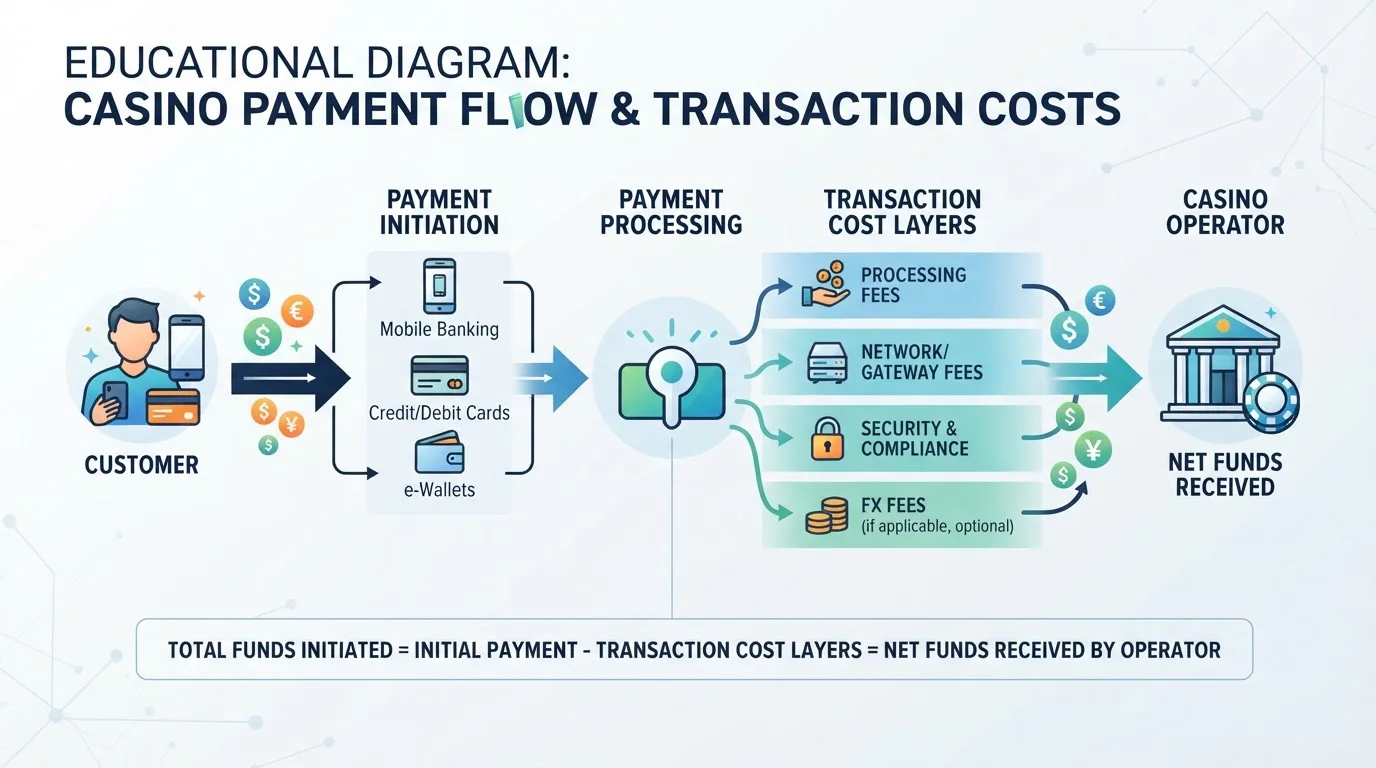
Why the variation? Payment-method economics. Every deposit transaction carries a processing cost: interchange fees (the percentage your card network takes), gateway fees (what the payment processor charges), and compliance overhead (KYC checks, anti-money laundering verification, fraud screening). For a £1 deposit via Visa, the interchange fee alone can consume 40–50% of the transaction value. Add gateway fees and the operator nets pennies—or loses money outright.
Card networks set per-transaction minimums to make the economics viable. That is why £5 is the standard floor for debit card, PayPal, and Apple Pay deposits at major UK operators: it is the point where interchange fees become tolerable as a percentage of transaction value. Operators could technically accept £1 via card, but the unit economics do not work unless they charge deposit fees—and UK players reject deposit fees, so operators set minimums instead.
Pay by Mobile sidesteps this structure. When you deposit via Boku or Fonix, the charge routes through your mobile carrier’s billing system rather than card networks. Your phone bill absorbs the £1 and the casino receives a net payout after the carrier and billing aggregator take their cuts. The economics still squeeze, but the billing providers have built infrastructure specifically for micro-transactions (app purchases, in-game currency), so £1–£10 deposits remain viable. That is the only reason £1 casino deposits still exist in the UK market in 2026: alternative payment infrastructure, not operator generosity.
Why do some casinos have a £10 minimum when others accept £5?
Two reasons. First, welcome-package gating: operators with elaborate deposit-match bonuses or free-spin packages often set the minimum at £10 to ensure the bonus value exceeds processing costs. Sky Vegas and Betfair both offer 50 no-deposit spins plus 200 spins on a £10 deposit—zero wagering. The £10 floor funds the promotion economics.
Second, regulatory overhead. UKGC compliance costs are fixed per account: KYC verification, source-of-funds checks for higher deposits, transaction monitoring, responsible-gambling tool provision. Operators targeting casual players with frequent small deposits face higher per-pound compliance costs than those attracting fewer players with larger bankrolls. Some operators set £10 minimums to tilt the player base toward less compliance-intensive profiles. Not a published policy, but visible in the data: £10-minimum operators tend to have leaner support teams and fewer payment-method options than £5-floor brands.
£1 Minimum Deposit Casinos in the UK
The £1 tier exists, barely. Two operators hold verifiable £1 minimums in 2026—DragonBet and Oreels—and both come with caveats. DragonBet accepts £1 via debit card and Apple Pay, a rarity in the UK market. Oreels requires Pay by Mobile billing through Fonix, with a £10 minimum for the deposit-match bonus. Beyond these two, «£1 deposit casinos» mostly means Pay by Mobile at operators whose standard card minimum sits at £5 or £10.
The practical takeaway: if you want to deposit £1, you are using Pay by Mobile. If you want to use a debit card or PayPal, you are depositing at least £5. The infrastructure does not support card-based £1 deposits at scale anymore.
| Operator | UKGC Licence | Payment Methods (£1) | Transaction Limits | Key Features |
|---|---|---|---|---|
| DragonBet | 64908 | Debit card, Apple Pay | No published caps | Card-based £1 minimum, Welsh independent operator |
| Oreels | 23328 (Betable Ltd) | Pay by Mobile (Fonix) | £30–£40 per transaction, £200–£250 monthly | £10 minimum via Fonix, 100% match to £25 on £20+ deposit |
DragonBet — £1 Deposits via Card and Apple Pay
DragonBet operates under UKGC licence 64908 and holds a remote bookmaker’s licence in Ireland (licence 1022506). It is an independent Welsh operator—no Entain or Flutter ownership—with a focus on sports betting and casino integration. The £1 minimum applies to debit card and Apple Pay deposits, which makes DragonBet one of the few UK operators still accepting card-based £1 transactions in 2026.
Why the £1 floor? DragonBet targets a Welsh customer base accustomed to lower-stake high-street betting shops. The brand carries over that positioning to online: accept small deposits, monetise through volume and cross-sell between sportsbook and casino. The economics work because DragonBet operates leaner infrastructure than major UK brands—customer support is not 24-hour, the game library sits at around 1,000 titles rather than 5,000+, and payment-method options are limited. Fixed costs per account stay low enough that £1 deposits do not sink unit economics.
The casino library includes slots from mainstream providers (Pragmatic Play, NetEnt, Evolution for live tables) plus 20+ sports markets for in-play and pre-match betting. The welcome offer varies by product—sportsbook bonuses run separately from casino promotions—so check the active offer when registering. Withdrawals return to the deposit method (card or Apple Pay) with standard UKGC processing times: 1–3 business days for debit card, faster for e-wallets if you switch payment methods after the first deposit.
DragonBet suits players looking for the absolute lowest card-based entry point in the UK market. If you want to test a site with £1, see how withdrawals work, or play a few spins without committing a tenner, this is where card-based £1 still exists. The trade-off: fewer games, fewer payment methods, and a brand with less high-street recognition than bet365 or William Hill.
Oreels — Pay by Mobile Specialist
Oreels operates under Betable Limited (UKGC licence 23328) and Grace Media Gibraltar Limited (UKGC licence 57869). The site positions itself as a Pay by Mobile specialist: deposits route through Fonix, the phone-bill billing aggregator, with a £10 minimum for Pay by Mobile transactions. Not technically a £1-floor operator, but the Fonix integration makes Oreels a common landing point for players searching «£1 deposit casino» who then discover the actual minimum sits at £10 via mobile billing.
The distinction matters because Oreels is not a Jumpman white-label. It holds an independent Betable licence, which means separate game contracts, separate cashier infrastructure, and a cleaner regulatory record than network skins that share backend compliance systems. As of 2026, Oreels carries no UKGC fines or sanctions—a rare clean slate among operators launched in the past five years.
The game library exceeds 2,000 titles: slots from Pragmatic Play, NetEnt, Big Time Gaming (the «Big Bass» shelf gets prominent billing), plus live tables from Evolution. The welcome package offers a 100% match up to £25 on first deposits of £20 or more. Below £20, you deposit and play without a bonus—no wagering, no restrictions. Withdrawals process quickly once KYC verification completes: within 24 hours for e-wallet, 1–3 business days for debit card. The site explicitly markets «fast payouts,» and testing data from third-party reviewers confirms sub-24-hour processing for verified accounts.
Oreels suits players comfortable with Pay by Mobile billing and willing to deposit £10+ to activate the welcome match. If you want a genuinely low-minimum Pay by Mobile operator (£1–£5), look elsewhere—Oreels gates most promotions at £10 or £20. If you want a stable independent operator with Fonix integration and a clean compliance record, Oreels fits.
How Pay by Mobile Works for £1 Deposits
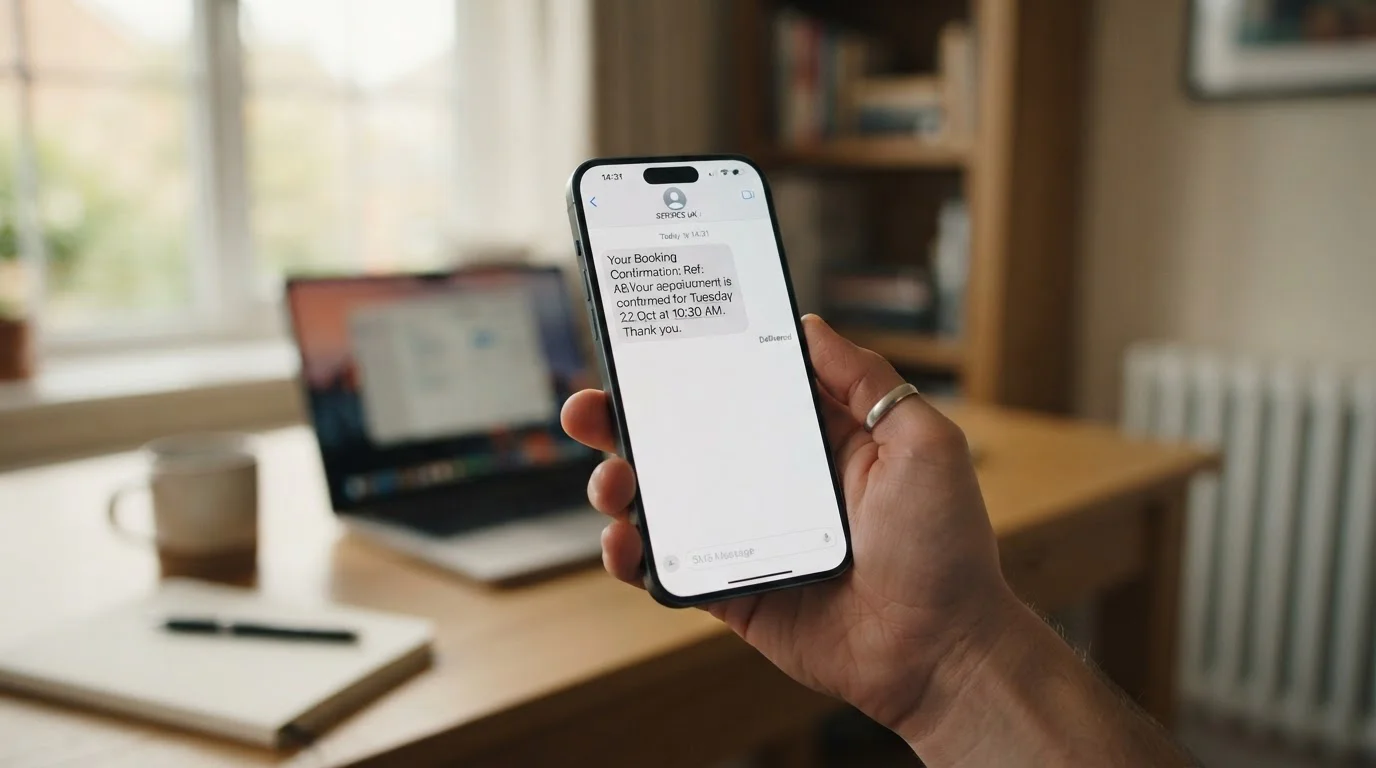
Pay by Mobile deposits route through third-party billing aggregators—Boku, Fonix, Siru Mobile, or PayForIt—that connect your casino account to your mobile carrier’s billing system. The process: select Pay by Mobile at the cashier, enter the deposit amount, confirm your mobile number, receive an SMS with a one-time authorisation code, reply to confirm, and the charge appears on your next phone bill (contract customers) or deducts from your pay-as-you-go credit (prepaid customers).
The transaction limits are built-in responsible-gambling guardrails, not UKGC statutory requirements. Boku and Fonix enforce per-transaction caps of £30–£40 and monthly limits of £200–£250 across all four major UK mobile networks (EE, Vodafone, Three, O2). You cannot bypass these limits by depositing at multiple casinos—the cap applies at the network level, so once you hit £250 across all Pay by Mobile transactions in a calendar month, further deposits are blocked until the next billing cycle.
Withdrawals cannot return to your phone bill. The billing aggregators process deposits only—they have no infrastructure for paying money back to a mobile account. When you withdraw, you provide an alternative method: bank transfer, debit card, or e-wallet. This asymmetry catches new players off guard: deposit £10 via Pay by Mobile, win £50, then discover you need to register a bank account or card to cash out. Factor this into your payment-method choice.
The £1 deposit sweet spot mostly vanished by 2026. Even Pay by Mobile operators now cluster at £5–£10 minimums because billing aggregators charge flat fees per transaction (around £0.30–£0.50) plus a percentage. At £1, the aggregator and carrier take 40–50% of the transaction, leaving the operator with 50–60p net. At £5, the percentage drops to manageable levels (around 15–20%). That is why Oreels sets its Fonix minimum at £10 rather than £1: unit economics on micro-transactions do not support UK compliance costs anymore.
Can I really deposit £1 at a UK casino?
Yes, but only via Pay by Mobile at a shrinking number of operators. DragonBet accepts £1 via debit card and Apple Pay, making it the rare exception. Oreels markets Pay by Mobile but sets the minimum at £10. Most UKGC-licensed operators cluster at £5 (card, PayPal, Apple Pay) or £10 (welcome-package gating). The £1 floor exists in name but disappeared in practice due to payment-processing economics.
Are £1 deposit casinos licensed by the UK Gambling Commission?
The two operators verified to accept £1 deposits in 2026—DragonBet (UKGC licence 64908) and Oreels (UKGC licence 23328)—hold active UK Gambling Commission licences. Any site accepting UK players without a UKGC licence operates illegally under the Gambling Act 2005. If a site advertises «£1 deposit, no licence required,» it is unlicensed and you have no consumer protection, no dispute resolution, and no recourse if withdrawals are withheld.
£5 Minimum Deposit Casinos in the UK
The £5 tier is where major UK brands congregate. bet365, William Hill, Ladbrokes, Paddy Power, Betfred—all five set their minimum at £5 across debit card, PayPal, Apple Pay, and Google Pay. This is not coincidence. £5 is the point where card interchange fees become tolerable as a percentage of transaction value, and where promotional economics (free spins, deposit matches) can cover compliance costs without losing money on every new sign-up.
Operationally, £5-minimum operators tend to offer wider payment-method support, faster withdrawal processing, larger game libraries, and 24-hour customer support compared to £10-floor brands. The £5 threshold filters for mainstream consumer behaviour: players depositing £5–£50 per session rather than testing with £1 or committing £100+. That player profile justifies the infrastructure investment.
The ownership context: five brands, three corporate groups. Ladbrokes and Coral sit under Entain plc. Paddy Power and Betfair sit under Flutter Entertainment (which also owns Sky Vegas). Betfred remains independent. When you «choose between five £5-minimum operators,» you are often choosing between three back-end platforms with different front-end brands. Withdrawal speeds, game libraries, and bonus structures vary by brand, but KYC systems, payment gateways, and regulatory compliance share infrastructure within each corporate group.
| Operator | UKGC Licence | Payment Methods | Withdrawal Speed | Welcome Offer |
|---|---|---|---|---|
| bet365 | Active (Bet365 Group Ltd) | Debit card, PayPal, Apple Pay, Google Pay | 2–6 hours (e-wallet), 1–3 days (card) | 50 spins on registration + 100 spins on £10 deposit |
| William Hill | 039225 (WHG International Ltd) | Debit card, PayPal, Apple Pay, bank transfer | 1–3 days (card), faster (e-wallet) | 200 spins on £10 deposit, 10x wagering |
| Ladbrokes | Active (Entain plc licensee) | Debit card, PayPal, Apple Pay, e-wallets | 1–3 days (card) | Bet £5 get £30 in free bets (6 x £5) |
| Paddy Power | Active (Flutter Entertainment licensee) | Debit card, PayPal, Apple Pay | 1–3 days (card) | Bet £5 get £40 in free bets |
| Betfred | Active (independent) | Debit card, Apple Pay, Open Banking | 1–3 days (card) | Bet £10 get £50 in free bets |
bet365 Casino
bet365 operates as part of the Bet365 Group Ltd, one of the largest online gambling operators globally. The UK casino holds an active UKGC remote casino operating licence with no current sanctions. The brand entered online gambling in 2001 and has held a UKGC licence since the Commission’s inception. Household-name recognition in UK sports betting translates to casino traffic through cross-sell and brand trust.
The £5 minimum applies across all major payment methods: Visa, Mastercard debit, PayPal, Apple Pay, Google Pay. Deposits process instantly. Prepaid cards are accepted but withdrawals must return to a bank account or registered debit card—standard UKGC anti-money laundering procedure. The game library exceeds 2,000 titles: slots from NetEnt, Pragmatic Play, Big Time Gaming, plus live tables from Evolution (blackjack, roulette, baccarat, game shows like Crazy Time and Monopoly Live). Minimum stake per spin varies by title but many slots accept £0.10–£0.20 bets, meaning a £5 deposit stretches across 25–50 spins depending on game choice.
The welcome offer splits into two stages: 50 free spins on registration (no deposit required, must be claimed within 7 days), plus 100 additional free spins when you deposit and spend £10 on eligible games. The free spins carry no wagering requirement under the UKGC’s January 2026 rule capping bonus wagering at 10x—bet365 opted for zero wagering on spins instead. Winnings from free spins credit to your real money balance immediately. The £10 deposit requirement means a £5 deposit gives you game access but not the full welcome package.
bet365 suits players who want a globally recognised brand, instant deposits across multiple payment methods, and a sports-plus-casino ecosystem. Withdrawal speeds lag behind some competitors (2–6 hours for e-wallet, 1–3 days for debit card), but the brand stability and UKGC compliance track record carry weight for risk-averse players. If you value scale and brand recognition over bleeding-edge payout speeds, bet365 delivers.
William Hill
William Hill operates under WHG (International) Limited, UKGC licence 039225, active since 2014. The brand became part of Evoke plc (formerly 888 Holdings) after Evoke acquired William Hill’s non-US assets. William Hill Vegas is the casino-specific brand; William Hill proper encompasses sportsbook, poker, bingo, and virtual sports under one account.
The £5 minimum applies to debit card, PayPal, Apple Pay, Google Pay, and bank transfer. Deposits process instantly except bank transfer (same-day or next-day depending on your bank’s systems). The game library exceeds 5,000 titles supplied by Evolution and Pragmatic Play for live casino, plus slots from mainstream providers (NetEnt, Big Time Gaming, Blueprint). Live casino is the differentiator: blackjack, roulette, baccarat, poker variants, and game shows (Crazy Time, Monopoly Live, Lightning Roulette) all run on Evolution’s platform with professional dealers and HD streams.
The welcome offer requires a £10 deposit: 200 free spins on Big Bass Splash (or another designated slot), with 10x wagering on winnings. The 10x cap is the UKGC maximum as of January 2026—before that date, some operators ran 30x or 40x wagering. William Hill adjusted its offers downward to comply. Spins must be used within 7 days of activation. Below £10, you deposit and play without a bonus.
William Hill suits players prioritising live casino over slots, or those who value a brand with UK high-street heritage (William Hill operated physical betting shops for decades before online expansion). Withdrawal speeds sit in the middle of the pack: 1–3 days for debit card, faster for e-wallets once KYC verification clears. The Evoke ownership brings technical updates (mobile app improvements, payment-gateway upgrades) but the brand identity remains William Hill—sports-first, casino cross-sell.
Ladbrokes
Ladbrokes operates under Entain plc, the UK’s largest gambling operator by revenue. Entain owns Ladbrokes, Coral, Foxy Bingo, Gala, and several other UK brands. Ladbrokes and Coral share back-end infrastructure (KYC systems, payment gateways, game contracts) but maintain separate front-end branding and welcome offers. The UKGC licence is held under Entain’s licensee entity, active since 2019 under the current corporate structure (earlier history under GVC Holdings and prior owners).
The £5 minimum applies to debit card, PayPal, Apple Pay, and e-wallets. Deposits process instantly. The game library mirrors Coral’s: slots, live casino, virtual sports, bingo cross-sell. Ladbrokes differentiates through sports-focused marketing—Premier League sponsorships, racing partnerships—which tilts the player base toward sports bettors who occasionally play casino rather than casino-first customers.
The welcome offer targets sportsbook: deposit £5, place a £5 bet at odds of 1/2 (1.5) or greater, receive £30 in free bets (six £5 tokens, valid for 7 days). No direct casino welcome bonus as of 2026—Entain channels casino promotions through ongoing offers (free-spin Fridays, cashback weekends) rather than first-deposit matches. If you deposit £5 intending to play slots only, you fund your account and play without a bonus. If you bet £5 on sports first, the free-bet tokens work across sportsbook and some casino markets depending on terms.
Ladbrokes suits players who want Entain’s scale (dispute resolution, regulatory compliance, withdrawal reliability) with a sports-first brand identity. Withdrawal speeds align with Coral: 1–3 days for debit card, faster for PayPal or Skrill. KYC verification can be strict—Entain flags high-value withdrawals for source-of-funds checks more aggressively than smaller operators, which delays first cashouts but reduces fraud and regulatory risk.
Paddy Power
Paddy Power operates under Flutter Entertainment plc, which also owns Betfair, Sky Vegas, and PokerStars. The brand cultivates a cheeky, marketing-forward identity—provocative ad campaigns, tongue-in-cheek social media—but the regulatory structure is standard UKGC compliance under Flutter’s licensee entity. Active licence, no current suspensions.
The £5 minimum applies to debit card, PayPal, Apple Pay. Deposits process instantly. The game library sits in the 3,000–4,000 range: slots from NetEnt, Pragmatic Play, and Big Time Gaming, live casino from Evolution, plus bingo and sportsbook integration. Paddy Power differentiates through brand personality rather than game depth—if you want 5,000+ slots, go to William Hill or bet365. If you want a brand that does not take itself too seriously, Paddy Power fits.
The welcome offer mirrors Ladbrokes but pays more: deposit £5, bet £5 at odds of 1/2 or greater, receive £40 in free bets. The offer targets sportsbook, not casino. Casino-only players deposit and play without a first-deposit bonus but can access ongoing promotions (slots tournaments, prize draws). Free-bet terms are standard Flutter: 7-day expiry, single-use tokens, winnings paid as cash not bonus funds.
Paddy Power suits players who value brand personality and are comfortable with Flutter’s ecosystem. Withdrawal speeds align with Sky Vegas and Betfair (Flutter’s other UK brands): 1–3 days for debit card, faster for e-wallet. The brand’s marketing can grate—if you find the «cheeky chappy» tone annoying, you’ll find it everywhere on the site. If you appreciate irreverence over corporate polish, Paddy Power delivers.
Betfred
Betfred is the independent outlier in the £5 tier. Founded by Fred Done, the brand remains privately owned—not part of Entain or Flutter. That independence shows in operational decisions: Betfred maintains UK high-street betting shops, sponsors sports heavily (Betfred Super League, racing partnerships), and structures welcome offers around accumulator bets and enhanced odds rather than generic deposit matches.
The £5 minimum applies to debit card, Apple Pay, and Open Banking. Deposits via Open Banking (direct bank-to-operator transfer) process instantly and avoid card interchange fees, which is why Betfred promotes Open Banking over card deposits. The game library sits around 2,000–3,000 titles: slots, live casino, virtual sports. Betfred differentiates through sportsbook depth—UK horse racing coverage is exhaustive, football markets run deep, and in-play betting infrastructure rivals the major operators.
The welcome offer requires a £10 deposit: deposit and bet £10 on sportsbook at odds of Evens (2.0) or greater, receive £50 in free bets. No casino-specific welcome bonus as of 2026. Free bets arrive as five £10 tokens, valid for 7 days, winnings paid as cash. Below £10, you deposit and play without a bonus.
Betfred suits players prioritising UK racing and football, or those who prefer an independent operator over Entain/Flutter duopolies. Withdrawal speeds match Ladbrokes and Paddy Power: 1–3 days for debit card, faster for e-wallet. The independent ownership means fewer corporate synergies (no shared game contracts with sister brands) but also fewer conflicts of interest (Betfred’s customer data stays with Betfred, not a multi-brand conglomerate).
Which payment method should I use for a £5 deposit?
Debit card (Visa or Mastercard) is the universal option—every £5-minimum operator accepts it, deposits process instantly, and withdrawals return to the same card. PayPal is the fastest for withdrawals (2–6 hours at bet365, similar at other operators) but not all sites accept PayPal deposits. Apple Pay and Google Pay process instantly and work via your phone’s biometric authentication, but withdrawal speeds match debit card (1–3 days). Open Banking (direct bank transfer) avoids card fees and processes same-day, but fewer operators support it and you must authorise each deposit via your banking app.
£10 Minimum Deposit Casinos in the UK
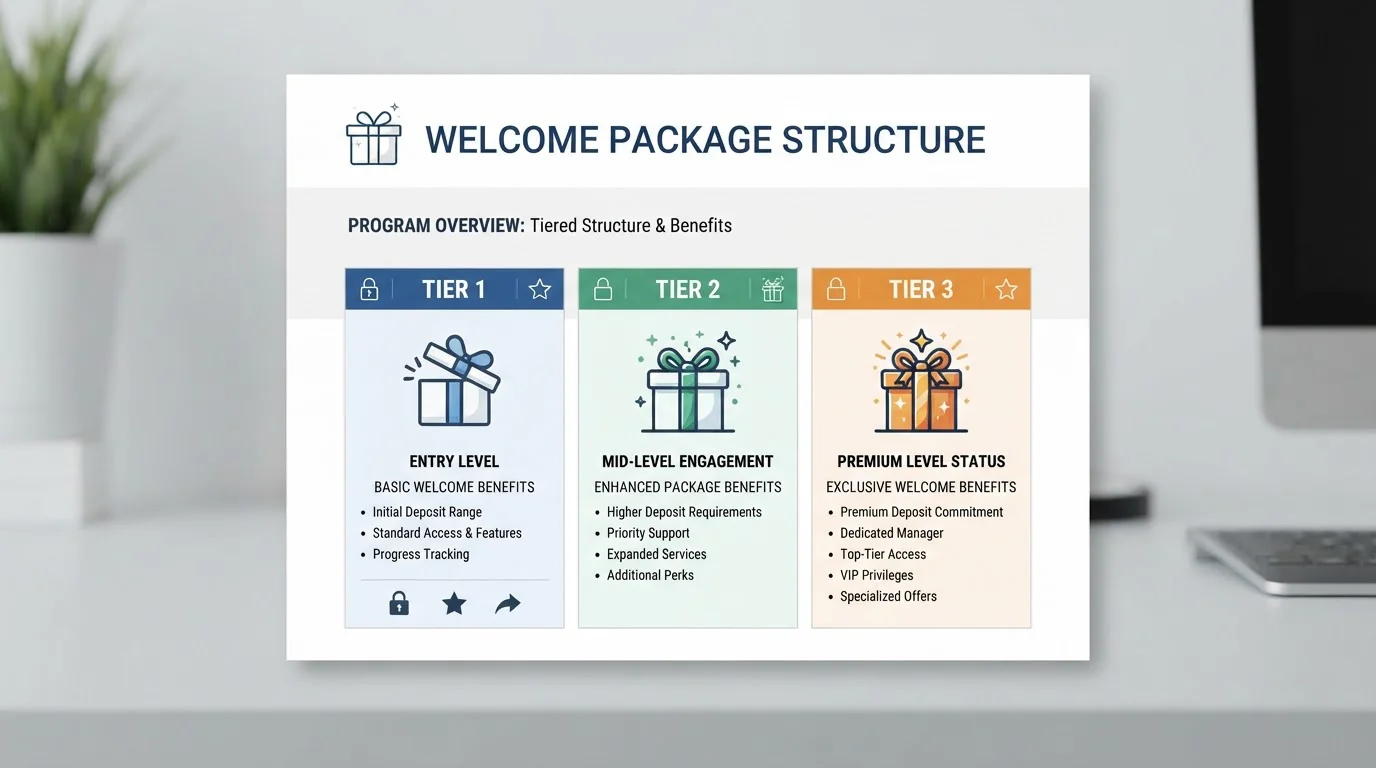
The £10 tier splits into two types: operators whose floor genuinely sits at £10 across all payment methods, and operators whose base minimum is £5 but gate welcome packages at £10 deposits. Sky Vegas, Betfair, MrQ, and CasinoLuck all set their published minimum at £10. bet365 and William Hill technically accept £5 but require £10 to activate free spins.
The £10 threshold often signals welcome-package economics. Operators offering zero-wagering spins or large deposit matches need the £10 floor to ensure promotion value exceeds processing and compliance costs. MrQ and Sky Vegas both offer zero-wagering structures—winnings credit to real money instantly—which requires higher minimum deposits to fund the promotion without losing money on every sign-up.
| Operator | UKGC Licence | Welcome Package | Wagering | Key Features |
|---|---|---|---|---|
| Sky Vegas | Active (Flutter Entertainment) | 50 no-deposit spins + 200 spins on £10 deposit | Zero wagering | Flutter-owned, zero-wagering spins, slots focus |
| Betfair | Active (Flutter Entertainment) | 50 no-deposit spins | Zero wagering | Betting exchange + casino, Flutter-owned |
| MrQ | Active (independent) | 100 spins on Big Bass Splash (£10 deposit) | Zero wagering | Independent operator, slots/bingo focus |
| CasinoLuck | Active | Multiple payment methods at £10 | 10x cap | Multi-method support, £100 max cashout from bonus |
Sky Vegas
Sky Vegas operates under Sky Betting & Gaming, owned by Flutter Entertainment plc. The brand leverages Sky’s UK television and broadband footprint—households familiar with Sky TV recognise the Vegas brand extension. The UKGC licence is held under Flutter’s licensee entity, shared with Paddy Power and Betfair. No current sanctions.
The £10 minimum applies to debit card, bank transfer, and e-wallets. The deposit triggers the second stage of the welcome offer: 50 no-deposit free spins on registration (no payment required, must be claimed within 7 days) plus 200 additional free spins on a £10 deposit. Both sets of spins carry zero wagering—winnings credit to your real money balance immediately, no playthrough requirement. This is the differentiator: most UK operators cap wagering at 10x (the UKGC maximum as of January 2026), but Sky Vegas drops it to zero.
The game library focuses on slots: 2,000+ titles from NetEnt, Pragmatic Play, Big Time Gaming, Blueprint. Live casino is available (Evolution supply) but the brand identity tilts toward slots and game shows (Crazy Time, Monopoly Live). Minimum stakes per spin vary by game but £0.10–£0.20 spins are common, so a £10 deposit funds 50–100 spins depending on game choice.
Sky Vegas suits players who want zero-wagering promotions and recognise the Sky brand from television. Withdrawal speeds align with other Flutter brands: 1–3 days for debit card, faster for e-wallet. The £10 minimum gates the 200-spin package, so depositing £5 (if that were an option) would miss the main promotion. Sky Vegas bakes the £10 floor into its promotional economics deliberately.
Betfair
Betfair operates under Flutter Entertainment plc, sharing corporate infrastructure with Sky Vegas and Paddy Power. The brand differentiates through its betting exchange: peer-to-peer sports betting where you back or lay outcomes against other players rather than the house. The casino operates as a traditional operator (house-edge games, fixed odds), but the exchange model carries brand recognition.
The £10 minimum applies to debit card, bank transfer, e-wallets. The welcome offer mirrors Sky Vegas in structure: 50 no-deposit free spins on registration, no additional spins on deposit. The zero-wagering model applies—spins winnings credit to real money instantly. Below £10, you cannot deposit; £10 is the hard floor.
The game library sits around 1,500–2,000 titles: slots from mainstream providers, live casino from Evolution, plus the betting exchange for sports. Betfair suits players who want exchange betting access and occasionally play casino, or those who value Flutter’s scale without Sky’s television-brand associations. Withdrawal speeds match Sky Vegas: 1–3 days for debit card, faster for PayPal or Skrill.
MrQ
MrQ operates independently—not part of Entain or Flutter. The UKGC licence is active with no current sanctions. The brand positions as a zero-wagering specialist: all promotions credit winnings to real money immediately, no playthrough. This structure requires higher minimum deposits (£10 floor) to make the economics work.
The £10 minimum applies across Visa debit, bank transfer, and other payment methods. The welcome offer: 100 free spins on Big Bass Splash (or another designated slot) on your first £10 deposit, valued at 10p per spin. Winnings credit to real money balance instantly—uncapped, no wagering. Below £10, you cannot deposit.
The game library focuses on slots and bingo: 1,000–2,000 titles, fewer than bet365 or William Hill but curated toward casual players. Customer support is not 24-hour (reviewers note this limitation), and payment-method options are narrower than major operators. The trade-off: zero-wagering structure across all promotions, not just the welcome offer. Ongoing offers (free-spin Fridays, prize draws) also credit winnings as real money.
MrQ suits players who hate wagering requirements and prefer smaller operators over corporate brands. Withdrawal speeds sit at 1–3 days for debit card once KYC clears. The £10 minimum reflects zero-wagering economics: MrQ cannot afford to fund zero-wagering promotions on £5 deposits without losing money on sign-ups.
CasinoLuck
CasinoLuck operates under a UKGC remote casino licence, active with no current sanctions. The brand is smaller than bet365, William Hill, or Flutter’s properties—less marketing spend, less high-street presence—but maintains multi-method payment support and the UKGC’s 10x wagering cap.
The £10 minimum applies across debit card, bank transfer, Trustly, PayPal, Apple Pay, MuchBetter, Skrill, and Paysafecard (deposit only—Paysafecard cannot receive withdrawals under UK anti-money laundering rules). The payment-method breadth is notable for a smaller operator. Deposits process instantly except bank transfer (same-day or next-day).
The welcome offer varies by promotion cycle—check active terms when registering—but the 10x wagering cap is fixed (UKGC maximum as of January 2026). Maximum cashout from bonus funds sits at £100, standard across smaller operators to cap promotion liability. The game library sits around 1,000–1,500 titles: slots from NetEnt, Pragmatic Play, live casino from Evolution.
CasinoLuck suits players who want payment-method flexibility (MuchBetter and Paysafecard support is rare at major operators) and are comfortable with a smaller brand. Withdrawal speeds sit at 1–3 days for debit card, faster for e-wallets. The £10 minimum aligns with most operators in this tier—not a differentiator, just market standard for smaller sites.
Payment Methods for Low-Deposit Casinos
The payment method determines your minimum deposit more than the operator. A casino advertising «£5 minimum» means £5 via debit card, PayPal, or Apple Pay—not £5 via every method. Pay by Mobile routes through different infrastructure, so minimums vary. Prepaid cards (Paysafecard) often carry £10 minimums due to anti-money laundering restrictions on anonymous payment methods.
The practical hierarchy: Pay by Mobile enables the lowest minimums (£1–£10) but cannot receive withdrawals. Debit cards sit at £5–£10 minimums and support both deposits and withdrawals. E-wallets (PayPal, Skrill, MuchBetter) match card minimums but process withdrawals faster (2–6 hours instead of 1–3 days). Apple Pay and Google Pay mirror card minimums and speeds but require biometric authentication, which some players prefer for security.
| Method | Minimum Deposit | Transaction Limits | Withdrawal Support | Speed |
|---|---|---|---|---|
| Pay by Mobile (Boku, Fonix) | £1–£10 | £30–£40 per transaction, £200–£250 monthly | No | Instant deposit |
| Debit Card (Visa, Mastercard) | £5–£10 | Operator-set, typically no hard cap | Yes | Instant deposit, 1–3 days withdrawal |
| PayPal | £5–£10 | No published caps | Yes | Instant deposit, 2–6 hours withdrawal |
| Apple Pay / Google Pay | £5–£10 | Operator-set | Yes (returns to linked card) | Instant deposit, 1–3 days withdrawal |
| Paysafecard | £10+ | £50 per voucher, cannot be combined | No | Instant deposit |
Pay by Mobile (Boku, Fonix) — How It Works and Limits
Pay by Mobile deposits route through billing aggregators—Boku and Fonix are the two dominant providers in the UK market. The process: at the casino cashier, select Pay by Mobile, enter your deposit amount and mobile number, receive an SMS with a one-time code, reply to authorise, and the charge appears on your next phone bill (contract customers) or deducts from your pay-as-you-go credit (prepaid customers). No card number, no bank login, no personal details shared with the casino beyond your mobile number.
The built-in limits serve as responsible-gambling guardrails. Boku and Fonix enforce per-transaction caps of £30–£40 and monthly limits of £200–£250 across EE, Vodafone, Three, and O2 networks. These limits apply at the network level, not per casino. If you deposit £30 at Oreels and £30 at another Pay by Mobile casino in the same day, you hit your £40 daily cap and cannot deposit further until the next day. The monthly £250 cap resets at the start of each billing cycle.
Why these specific limits? Billing providers designed Pay by Mobile for micro-transactions—app purchases, in-game currency, digital content—where £5–£30 is typical. The £30–£40 per-transaction cap reflects consumer protection: if someone racks up unauthorised charges, the cap limits damage before the customer notices. The £200–£250 monthly cap aligns with UK responsible-gambling guidance suggesting casual players should not lose more than 1–2% of gross income on gambling. For a median UK household income around £30,000, 1–2% monthly is £250–£500. The billing providers set their cap at the lower end.
Withdrawals cannot return to your phone bill. Boku and Fonix process payments in one direction only: from your carrier to the merchant. When you win and withdraw, you provide an alternative method—bank transfer, debit card, or e-wallet. This catches new players off guard: deposit £10 via Pay by Mobile, win £50, discover you need a bank account or card on file to cash out. Some operators require you to deposit via the withdrawal method at least once before processing the withdrawal (anti-money laundering rule: verify the account belongs to you). Factor this friction into your payment-method choice.
The per-transaction and monthly caps make Pay by Mobile unsuitable for high rollers or frequent players. If you deposit £50+ per week, you hit the monthly cap mid-month and cannot deposit further via Pay by Mobile. If you want to deposit £100 in one go, Pay by Mobile caps you at £30–£40, so you split across three transactions or switch to card. Pay by Mobile works for casual players depositing £5–£30 once or twice a week. Beyond that, card or e-wallet infrastructure scales better.
Debit Cards — The £5+ Standard
Debit cards (Visa, Mastercard, Maestro, Electron) are the universal payment method at UK casinos. Every UKGC-licensed operator accepts debit card deposits. The £5 minimum is standard across major brands (bet365, William Hill, Ladbrokes, Paddy Power, Betfred) and reflects card interchange economics: below £5, interchange fees consume too much of the transaction value to make deposits profitable for operators.
Deposits process instantly. You enter your card details at the cashier (or save them for future deposits), authorise via your bank’s 3D Secure system (password, biometric, SMS code), and funds appear in your casino balance immediately. Withdrawals return to the same card within 1–3 business days for most operators, faster for some (bet365 cites 2–6 hours for e-wallet but 1–3 days for card). First withdrawals often trigger KYC verification: upload ID, proof of address, sometimes a bank statement showing the card is yours. Subsequent withdrawals process faster once verification completes.
UKGC anti-money laundering rules require operators to return withdrawals to the deposit method first. If you deposit £50 via debit card and win £200, the first £50 of your withdrawal must return to that card. The remaining £150 can go to an alternative method (bank transfer, e-wallet) after you register it and verify ownership. This prevents money laundering via casino accounts: deposit stolen funds via prepaid card, withdraw to a clean account.
Prepaid debit cards (Paysafecard, prepaid Mastercards) complicate this rule. You can deposit via prepaid card, but withdrawals cannot return to a prepaid card because prepaid infrastructure does not support inbound transactions. Operators handle this by requiring you to register a bank account or standard debit card for withdrawals before processing your first cashout. Some operators set higher minimums (£10+) for prepaid card deposits to offset the withdrawal-friction risk (players deposit via prepaid card, then abandon accounts when they discover they cannot withdraw the same way).
PayPal and E-Wallets
PayPal, Skrill, and MuchBetter are the three main e-wallets accepted at UK casinos. PayPal has the widest support—bet365, William Hill, Ladbrokes, Paddy Power, CasinoLuck all accept it—but some operators exclude PayPal from welcome-offer eligibility (terms state «deposits via e-wallet do not qualify for bonus»). Skrill and MuchBetter have narrower operator support but fewer bonus exclusions.
The £5 minimum matches debit card thresholds at most operators. Deposits process instantly: link your e-wallet account to the casino (one-time setup), authorise the deposit via your e-wallet app, funds appear in your casino balance immediately. Withdrawals process faster than debit card: 2–6 hours at bet365, similar at other operators, once KYC verification clears. E-wallet withdrawals bypass bank processing times because the funds move between casino and e-wallet systems directly, not through bank networks.
The speed advantage makes e-wallets popular for frequent players who value fast cashouts. The trade-off: you must fund your e-wallet first (transfer money from your bank account to PayPal, Skrill, or MuchBetter), which adds a step compared to direct card deposits. E-wallet accounts also carry their own KYC requirements—PayPal, Skrill, and MuchBetter all verify identity and bank account ownership before allowing large transactions.
Some operators exclude e-wallet deposits from welcome-offer eligibility to prevent bonus abuse. Players used to deposit via Skrill or Neteller, claim the bonus, play through wagering, withdraw, then reverse the deposit via e-wallet chargeback (claiming fraudulent transaction). Operators lost money on chargebacks, so they excluded e-wallets from bonuses. PayPal is less commonly excluded because PayPal’s chargeback process is stricter, but check welcome-offer terms before depositing via e-wallet.
Apple Pay and Google Pay
Apple Pay and Google Pay function as front-ends for your linked debit card. When you deposit via Apple Pay, the transaction routes through your card network (Visa, Mastercard), but you authorise via biometric (Face ID, Touch ID, fingerprint) rather than typing card details. The £5 minimum matches your card’s minimum, and withdrawal speeds match card (1–3 days) because withdrawals return to the underlying card, not to Apple Pay or Google Pay systems.
The convenience: no typing card numbers, no 3D Secure password (biometric handles authorisation), no saving card details in casino systems (Apple Pay and Google Pay tokenise transactions, so the casino never sees your actual card number). The security benefit: if the casino suffers a data breach, your card number is not compromised because the casino never stored it.
The limitation: withdrawals return to the card linked to Apple Pay or Google Pay, not to the wallet itself, so withdrawal speeds match card (1–3 days). Apple Pay and Google Pay do not support inbound transactions, so operators process withdrawals through standard card networks. If fast cashouts matter, e-wallet (PayPal, Skrill) beats Apple Pay.
Is it safe to use Pay by Mobile for casino deposits?
Pay by Mobile is safe in terms of data security—Boku and Fonix hold UK payment-processing licences, and no card or bank details are shared with the casino. The risk is spending visibility: charges appear on your phone bill or deduct from prepaid credit, not your bank statement, so tracking gambling spend requires checking your phone bill separately. The built-in £30–£40 per-transaction and £200–£250 monthly caps serve as responsible-gambling guardrails, but players accustomed to card spending controls may not notice phone-bill charges until the bill arrives. If you budget strictly, Pay by Mobile adds friction. If you prefer spending caps built into the payment method, Pay by Mobile fits.
Can I withdraw my winnings if I only deposited £1 or £5?
Yes, but UKGC anti-money laundering rules require withdrawals to return to the deposit method first. If you deposited £1 via Pay by Mobile, the first £1 of your withdrawal must return to your phone bill—but Pay by Mobile infrastructure does not support inbound transactions, so operators require you to register a bank account or debit card for withdrawals. Once registered, your full balance can withdraw to the bank account or card. If you deposited £5 via debit card and won £50, the full £50 can withdraw to that card within 1–3 business days (faster for e-wallet).
What About £15 Minimum Deposits?
The £15 threshold does not exist as a distinct market segment in the UK. Operators cluster at £5 (major brands like bet365, William Hill, Ladbrokes, Paddy Power, Betfred) or £10 (welcome-package gating like Sky Vegas, MrQ, CasinoLuck). No major UKGC-licensed operator sets its published minimum at £15 in 2026.
Why the absence? Payment-method economics make £5 the natural floor for card transactions. Promotional economics push £10 minimums for operators offering zero-wagering spins or large deposit matches. £15 sits awkwardly between these two tiers: too high to capture the «lowest possible entry» segment, too low to signal premium positioning. Operators either set minimums at £5 to maximise accessibility or at £10 to fund promotions—£15 offers no strategic benefit.
The term «£15 minimum deposit casino» gets searched because players looking across «£1, £5, £10, £15» variations cast a wide net hoping to find the absolute lowest. The reality: if you are willing to deposit £15, you have access to every £5-minimum and £10-minimum operator in the market. The £15 threshold adds no new operators to your options compared to £10.
If a site advertises a £15 minimum, it is either a smaller operator setting arbitrary thresholds (check UKGC licence status before depositing) or a standard £10-minimum operator where specific payment methods (bank transfer, less common e-wallets) carry higher minimums due to processing costs. Either way, £15 is not a strategic market tier—it is an artefact of payment-method variation or niche operator pricing. Mainstream UKGC brands do not use £15 as a published minimum.
Bonuses and Slots at Low Minimum Deposits
Welcome-offer eligibility often requires deposits above the site’s published minimum. bet365 accepts £5 deposits but gates the 100-spin package at £10. William Hill requires £10 to activate 200 spins. Sky Vegas and MrQ both require £10 for their zero-wagering spin offers. The £5 deposit gets you game access, but the promotional value unlocks at £10.
Why the split? Bonus economics. A 100-spin package at 10p per spin costs the operator £10 in game-round value. If players deposit £5, claim the bonus, play through wagering, and withdraw, the operator loses £5 per sign-up before factoring in winners. Operators set bonus-activation thresholds at the break-even point: £10 deposit covers the promotion cost on average across winners and losers.
Slots at low-deposit casinos mirror the game libraries at higher-minimum sites. bet365, William Hill, and Ladbrokes offer 2,000–5,000 slots regardless of your deposit amount. Minimum stake per spin varies by game, but many titles accept £0.10–£0.20 bets, so a £5 deposit funds 25–50 spins. Higher-volatility slots (Megaways, high-RTP games with bonus-buy features) often have £0.20–£0.50 minimum stakes, which burns through a £5 deposit faster. Low-volatility fruit slots and classic three-reel games may accept £0.05 or £0.01 spins, stretching a £5 deposit across 100–500 spins.
The game selection does not differ by deposit amount—low-deposit players access the same libraries as high rollers. The difference is promotional eligibility: deposit £5 and you play without a bonus. Deposit £10 and you trigger free spins, matches, or cashback depending on the operator’s active offer.
Do low minimum deposit casinos offer the same bonuses as higher-deposit sites?
Not quite. The same operators (bet365, William Hill, Sky Vegas) accept low deposits and offer bonuses, but bonus activation often requires £10+ deposits even at sites with £5 minimums. The bonus *structure* does not differ—£10 at bet365 triggers the same 100-spin offer whether you are a low-deposit player or a high roller. But £5 deposits frequently sit below bonus-activation thresholds, so you play without a welcome offer.

How to Choose the Right Minimum Deposit Level
The right minimum depends on three factors: your testing budget, your preferred payment method, and whether you care about welcome-offer eligibility.
If you want the absolute lowest entry to test a site, £1 via Pay by Mobile is your only option in 2026—and the operator choices shrink to DragonBet (card-based £1) or niche Pay by Mobile operators whose minimums often sit at £10 anyway. If you want mainstream brands (bet365, William Hill, Ladbrokes, Paddy Power, Betfred), £5 via debit card, PayPal, or Apple Pay is the entry point.
If you want to activate welcome offers, £10 is the threshold. bet365, William Hill, Sky Vegas, and MrQ all gate their free-spin packages at £10 deposits. Below that, you play without bonuses. If bonuses do not matter—you are testing withdrawal speeds, evaluating game libraries, or playing for entertainment without chasing promotions—£5 gets you full game access at major operators.
If you plan to deposit frequently (multiple times per week), Pay by Mobile becomes impractical due to monthly caps (£200–£250). Switch to debit card or e-wallet, both of which scale better for regular deposits. If you deposit once or twice a month casually, Pay by Mobile works fine and keeps gambling spend visible on your phone bill rather than buried in bank statements.
Payment-method convenience matters. If you hate typing card numbers, use Apple Pay or Google Pay (biometric authorisation, no card details saved in casino systems). If you want fast withdrawals, use PayPal or Skrill (2–6 hours instead of 1–3 days for card). If you want spending caps built into the payment method, use Pay by Mobile (£30–£40 per transaction, £200–£250 monthly). If you want the widest operator support, use debit card (every UKGC-licensed site accepts it).
Brand trust versus promotional value is the final trade-off. Major brands (bet365, William Hill, Ladbrokes) offer £5 minimums, wide payment-method support, and strong regulatory track records—but their welcome offers often require £10+ deposits and carry moderate wagering (10x cap). Smaller operators like MrQ offer zero-wagering promotions but require £10 minimums and have narrower payment-method support. If brand recognition and withdrawal reliability matter more than bonus value, go with bet365 or William Hill at £5. If zero-wagering promotions matter more than brand name, deposit £10 at MrQ or Sky Vegas.
No single «best» minimum exists—the right threshold depends on whether you prioritise testing cheaply, accessing bonuses, using specific payment methods, or playing at recognisable brands. Match the minimum to your priorities rather than chasing the lowest number.
UKGC Licensing and Deposit Limits
Every operator in this guide holds an active UK Gambling Commission remote casino operating licence. The UKGC regulates all online gambling in Great Britain under the Gambling Act 2005. Operators without a UKGC licence cannot legally accept UK players. If a site advertises «no licence required» or «offshore licence accepted,» it operates illegally in the UK and you have no consumer protection.
UKGC deposit limits changed in 2026. From 30 September 2026 (extended from the original 30 June deadline), all UK operators must offer deposit limits «based solely on the amount a customer pays into their account over a set duration.» This is the gross deposit limit: the total you deposit, not net losses. If you deposit £100, withdraw £50, and deposit another £100, your gross deposit is £200, not £150. Withdrawals do not create additional deposit room within a limit period.
The reform targets a loophole in earlier rules. Some operators offered «net deposit limits» (deposits minus withdrawals), which let players deposit £500, lose £400, withdraw £100, then deposit another £500 within their «limit» because the net sat at £400. The new rule closes this: once you hit your deposit limit, further deposits are blocked until the next limit period (daily, weekly, monthly) regardless of withdrawals.
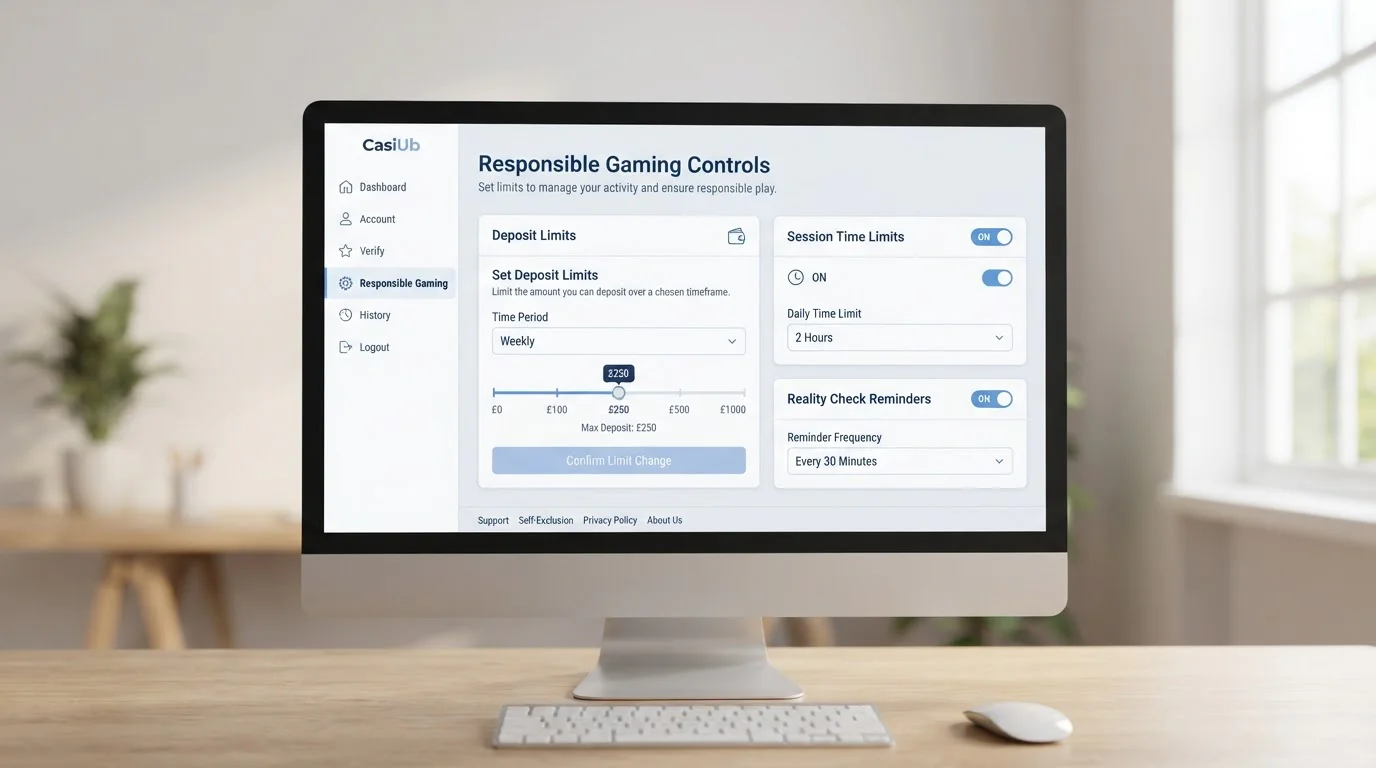
Operators must prompt you to set a deposit limit on registration (from 31 October 2025) and give deposit limits equal prominence to other safer-gambling tools. You can adjust limits upward or downward, but increases take 24 hours to apply (cooling-off period). Decreases apply immediately.
The UKGC does not mandate minimum deposit amounts. Operators set their own minimums based on payment-processing economics and promotional structures. The £1, £5, £10 thresholds you see in this guide are market outcomes, not regulatory requirements. UKGC rules focus on responsible-gambling tools (deposit limits, self-exclusion, time-outs) and maximum wagering on bonuses (10x cap from January 2026), not entry minimums.
How do I set a deposit limit at a UK casino?
Log into your account, navigate to «Responsible Gambling» or «Safer Gambling Tools» (location varies by operator), select «Deposit Limits,» choose daily, weekly, or monthly, enter the amount, confirm. The limit applies to gross deposits (total you deposit, not net losses). If you set a £100 weekly limit, you can deposit up to £100 per week regardless of winnings or withdrawals. Increases take 24 hours to apply; decreases apply immediately. All UKGC-licensed operators must offer this tool—if you cannot find it, contact customer support.
Responsible Gambling at Low-Deposit Casinos
Low minimums do not mean low risk. A £5 deposit can turn into £50 in losses if you chase, reload, and keep playing. The UKGC requires all licensed operators to provide safer-gambling tools: deposit limits (daily, weekly, monthly), loss limits, session time limits, self-exclusion (6 months, 1 year, 5 years), and reality checks (pop-ups reminding you how long you have been playing).
GamStop is the UK’s national self-exclusion scheme. Register at gamstop.co.uk, and all UKGC-licensed operators block your account for the period you choose (6 months, 1 year, 5 years). The exclusion applies across every UKGC-licensed site—you cannot bypass it by signing up at a different casino. Operators check the GamStop register during account registration and block excluded players automatically.
Low-deposit casinos do not inherently carry more or less gambling-harm risk than higher-minimum sites. The risk comes from frequency and loss-chasing behaviour. Depositing £5 twenty times in a week (£100 total) carries the same financial impact as one £100 deposit, but the psychological framing differs: £5 feels manageable, so the frequency escalates unnoticed. Pay by Mobile caps (£30–£40 per transaction, £200–£250 monthly) serve as built-in guardrails, but card deposits have no payment-method caps—only the deposit limits you set within casino accounts.
Set deposit limits before playing. The 24-hour cooling-off period on increases prevents impulse raises during losing streaks. If you find yourself regularly hitting your deposit limit and waiting for it to reset, that is a warning sign. If you think you may have a gambling problem, visit BeGambleAware (begambleaware.org) or GamCare (gamcare.org.uk) for free confidential support, or call the National Gambling Helpline at 0808 8020 133.
Minimum Deposit Casinos UK 2026 — £1, £5 and £10 Options
Content created by the «casinopay» team
