
Casinos That Accept Interac UK 2026: Why It Doesn't Work & What Does
 Available in US
The short answer arrives before you waste time hunting through cashier menus: no UK-licensed casino accepts Interac in 2026, and the offshore sites listing it cannot process your transaction without a Canadian bank account. Zero exceptions.
Interac operates exclusively within Canada’s domestic banking network—250+ financial institutions, all Canadian, none serving UK accounts. The payment rail exists to move CAD between Canadian banks using email or mobile notification. A UK debit card, a UK bank login, or a Revolut account registered in London cannot complete an Interac e-Transfer, regardless of which casino lists it. The technical prerequisite is a current account at a participating Canadian financial institution. No workaround exists.
This creates a strange category of search results: guides to «Interac casinos UK» that either mislead or pivot immediately to alternatives. The query itself reflects a geographical misconception—players see Interac mentioned in casino payment discussions, assume it works like PayPal or Skrill, and search for UK operators. What they find instead is clarification: Interac is Canada’s answer to instant bank transfers, and the UK has its own.
Can I use Interac at UK online casinos in 2026?
No. Interac requires a Canadian bank account at a participating Canadian financial institution. UK residents with UK bank accounts cannot complete Interac transactions, whether at UKGC-licensed casinos or offshore sites.
What Is Interac and Why It Doesn’t Work in the UK
Interac Corp., a Canadian not-for-profit consortium founded in 1984, runs the payment network behind Interac e-Transfer. Think of it as Canada’s domestic equivalent to the UK’s Faster Payments system—except Interac adds a layer of email or SMS notification on top of the bank-to-bank transfer.
The mechanics are straightforward. A sender logs into their Canadian online banking, selects Interac e-Transfer, enters the recipient’s email or mobile number, and confirms the payment. The recipient gets a notification, logs into their own Canadian online banking, and deposits the funds to their account. If Autodeposit is enabled, the money lands automatically within minutes. The entire loop happens inside Canada’s banking infrastructure, using established interbank rails that predate modern fintech by decades.
That closed-loop design is why UK players hit a wall. Interac e-Transfer does not support cross-border transactions. Both sender and recipient must hold accounts at Canadian financial institutions participating in the Interac network. A UK player attempting to fund an Interac transaction from a Barclays or HSBC account would fail at the authentication step—UK online banking credentials cannot initiate an Interac transfer because UK banks are not part of the Interac network.
Offshore casinos licensed in Curaçao, Malta, or Anjouan sometimes list Interac in their cashier as a nod to Canadian players. The payment option appears on the menu, but selecting it as a UK resident produces either an error message or a silent failure when the transaction attempts to authenticate through a non-Canadian bank. The casino’s payment processor expects a Canadian institution code; a UK sort code does not resolve.
What is Interac, and why is it unavailable to UK residents?
Interac is a Canadian-only payment network requiring both parties to hold accounts at participating Canadian banks or credit unions. UK residents cannot use it because UK financial institutions are not part of the Interac network, and the service does not support cross-border transactions.
The confusion stems from Interac’s prominence in Canadian gambling forums and affiliate content. Canadian players treat Interac e-Transfer as the default—fast, widely accepted, tied directly to their bank accounts. UK players reading those discussions assume the method is universal. It is not. Geography dictates payment infrastructure, and Interac belongs exclusively to Canada.
UKGC-Licensed Casinos and Interac: The Reality
The UK Gambling Commission licenses 444 remote casino platforms as of 2026. None accept Interac. Not Bet365, not William Hill, not Sky Vegas, not any of the household names or niche operators holding UKGC remote casino permissions.
| Where you see Interac | Works for UK players? | Why |
|---|---|---|
| UKGC-licensed casinos | No — none of the 444 offer it | No payment rail between UK banks and Interac; UKGC sites use UK-regulated methods |
| Offshore casinos listing Interac | No | Interac needs a Canadian bank account, so UK credentials cannot authenticate |
| Canadian casinos | Yes, but not UK-relevant | Interac is Canada’s national instant-transfer standard |
The reason is structural, not regulatory. The UKGC does not ban Interac—there is no explicit prohibition in the Licence Conditions and Codes of Practice against offering a Canadian payment method. The absence is pragmatic: Interac operates outside the UK payment ecosystem, and UKGC-licensed operators cater to UK players using UK-regulated payment methods. Integrating a service that requires Canadian bank accounts to function serves no UK player base and adds no value to the cashier.
UKGC casinos instead offer payment methods compliant with UK financial regulations and accessible to British account holders: debit cards issued by UK banks under the Visa or Mastercard schemes, e-wallets regulated by the Financial Conduct Authority (PayPal, Skrill, Neteller, MuchBetter), Open Banking payments via PSD2-compliant providers like Trustly, prepaid vouchers, and mobile wallets. The credit card ban effective 14 April 2020 removed one category, but the remaining options cover instant deposits, same-day withdrawals, and every use case a UK player might need.

Why don’t UKGC-licensed casinos accept Interac?
UKGC-licensed casinos do not accept Interac because it operates exclusively within Canada’s banking network. UK players cannot complete Interac transactions, making integration pointless. UK casinos instead offer payment methods accessible to British bank account holders.
Interac’s prominence in Canadian gambling content creates the false impression of universal availability. A Canadian player can walk into any provincially licensed online casino, select Interac e-Transfer, and complete a deposit in minutes. A UK player attempting the same at a UKGC casino finds no such option—not because of regulatory restriction, but because the technical rail does not exist between UK banks and the Interac network.
The payment landscape differs by jurisdiction. Canada built Interac as its national instant-transfer standard starting in the 1980s. The UK developed Faster Payments (launched 2008) and later adopted Open Banking under PSD2 (2018 onwards). Each system serves its domestic market. Neither crosses the Atlantic. UK players expecting Interac to appear in a UKGC cashier are searching for a payment method that exists in a different banking ecosystem entirely.
Offshore Casinos That List Interac: Can You Actually Use It?
Offshore casinos—operators licensed in Curaçao, Malta, Anjouan, Kahnawake, or similar jurisdictions outside the UK—sometimes list Interac e-Transfer as a payment option. The listing appears in the cashier, often alongside other methods like Skrill, Bitcoin, and Visa. The casino’s intention is to serve Canadian players, not UK residents, but the cashier menu does not filter by geography. A UK player sees «Interac» and assumes it works.
It does not. The transaction attempt fails for the same reason it fails everywhere else: Interac requires a Canadian bank account. Selecting Interac at an offshore casino redirects the player to a payment processor that expects Canadian online banking credentials. UK credentials—whether from a high-street bank, a challenger bank, or a fintech app—cannot authenticate. The transaction halts. No deposit lands.
Do any offshore casinos accept Interac for UK players?
No. Offshore casinos licensed outside the UK may list Interac in their cashier, but UK players cannot complete Interac transactions without a Canadian bank account. The payment method is non-functional for British residents regardless of the casino’s licensing jurisdiction.
The offshore landscape merits honest context. Casinos operating under Curaçao, Anjouan, or Kahnawake licences accept UK players because the Gambling Act 2005 regulates operators, not individuals—playing at an offshore site is legal for UK residents. However, these casinos sit outside UKGC oversight. That means no GamStop integration, no IBAS dispute resolution, no requirement for segregated player funds, and no automatic affordability checks. The trade-off is access without UKGC restrictions versus zero consumer protections if something goes wrong.
For a UK player hunting Interac casinos, the offshore angle is doubly irrelevant. First, Interac does not work without Canadian banking. Second, even if it did, the absence of UKGC protections means relying on the offshore licence holder’s goodwill and the jurisdiction’s enforcement (which, for Curaçao sub-licences and Anjouan, is minimal). The smarter move: use a payment method that actually functions for UK accounts at operators whose licensing jurisdiction you trust.
Offshore casinos listing Interac are not lying—they accept Interac from Canadian players. They simply fail to filter the cashier menu by the player’s country, creating the illusion of availability. A Canadian player selects Interac, logs into RBC or TD, and completes the deposit. A UK player selects Interac, hits an authentication error, and wastes five minutes before switching to a working method.
Best Alternatives to Interac for UK Casino Players
The search for Interac casinos reflects an underlying need: instant deposits, fast withdrawals, and bank-level security without handing card details to every operator. The UK payment ecosystem delivers all three through methods designed for British bank accounts. Seven options cover the spectrum from UKGC-licensed casinos to offshore crypto sites, each solving a different use case.
| Payment Method | Deposit Speed | Withdrawal Speed | Fees to Player | UKGC or Offshore | Best For |
|---|---|---|---|---|---|
| Open Banking / Pay by Bank | Instant | Same day (often <1 hour) | None (casino pays) | UKGC | Instant bank transfers without separate accounts |
| PayPal | Instant | Within 24 hours | None at UK casinos | UKGC (selective) | Mainstream trust, privacy from casinos |
| Debit Cards (Visa, Mastercard) | Instant | 1–5 business days | None at most casinos | UKGC & offshore | Universal acceptance, zero setup |
| Skrill | Instant | Within 24 hours (often same-day offshore) | 1.45% currency conversion, £1 instant bank withdrawal | UKGC & offshore | Widest offshore acceptance, fast payouts |
| Neteller | Instant | Within 24 hours (often instant) | 1.50% currency conversion | UKGC & offshore | Fastest e-wallet withdrawals, high limits |
| MuchBetter | Instant | Within 24 hours | None at casinos | UKGC & offshore (growing) | Mobile-first, biometric security, cashback |
| Cryptocurrency (BTC, ETH, USDT) | Instant (10-30 min blockchain confirmation) | Often under 1 hour | Minimal blockchain fees | Offshore only | Anonymity, offshore access, provably fair games |
What are the best alternatives to Interac for UK casino players?
For UKGC casinos: Open Banking (instant deposits, same-day withdrawals, no fees), PayPal (trusted brand, 24-hour withdrawals), or debit cards (universal but slower). For offshore casinos: Skrill or Neteller (fast, widely accepted), MuchBetter (mobile-first), or cryptocurrency (anonymous, no KYC at many sites).
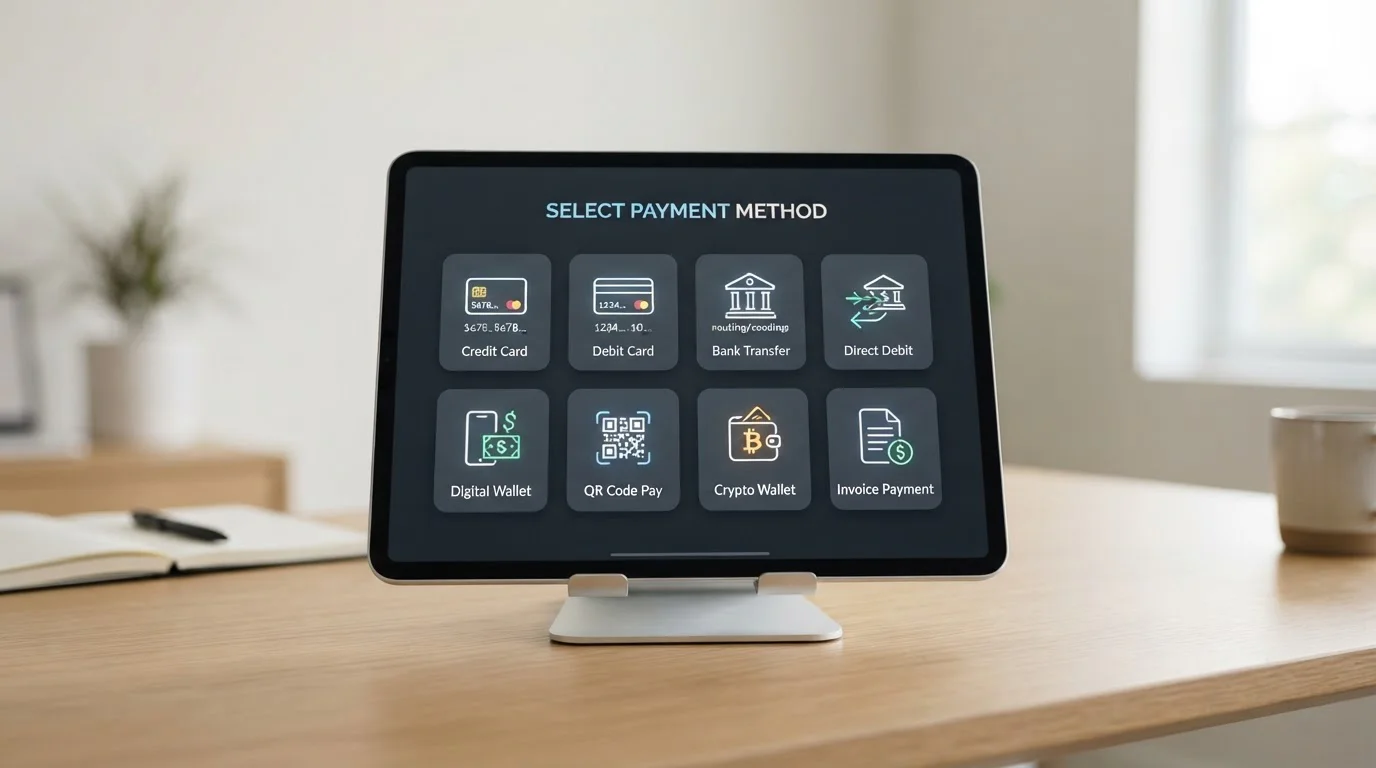
Open Banking / Pay by Bank (Trustly)
Open Banking is the UK’s functional equivalent to Interac e-Transfer. Both are instant bank-to-merchant payments that bypass cards and skip separate wallet accounts. The difference: Open Banking runs on the UK’s PSD2 framework (Payment Services Directive 2, retained post-Brexit) rather than Canada’s Interac network. Trustly, a Swedish fintech founded in 2008 and FCA-regulated in the UK, powers most Open Banking integrations at UK casinos. Other providers (Volt, Token.io, Yapily) exist but Trustly dominates the gambling vertical.
The flow is frictionless. Select Pay by Bank at the casino cashier, pick your UK bank from a list (Barclays, HSBC, Lloyds, NatWest, Monzo, Starling—virtually every UK institution participates), authenticate in your own banking app using the biometrics or passcode you already use, confirm the payment, and the funds land instantly. The casino never sees your bank login, card number, or account details. Withdrawals reverse the process: request a payout, the casino pushes it back to your bank via the same Open Banking rail, and most UKGC operators process it within hours rather than days.
The technical foundation is Strong Customer Authentication (SCA), the PSD2 requirement that every payment above €30 requires two-factor verification. Your bank’s app delivers this through fingerprint, Face ID, or a one-time code sent to your registered device. The authentication happens inside the bank’s own infrastructure, not in a third-party payment gateway. Trustly or another Open Banking provider acts as the initiator—sending the payment instruction to your bank on behalf of the casino—but never touches your credentials or holds your funds. The money moves directly from your current account to the casino’s merchant account through the UK’s Faster Payments system, the same rail that processes standard bank transfers but routed through Open Banking protocols for instant confirmation.
Casinos adopting Open Banking see lower chargebacks compared to card payments because the authentication step is more robust and the transaction is explicitly authorized by the account holder in real time. Players benefit from faster withdrawals because the return path—casino to player bank account—uses the same instant rail and bypasses card network settlement windows. A withdrawal requested at 10am on a Tuesday can land in your account by 2pm the same day if the casino’s internal approval process is swift. Compare that to debit card withdrawals, which enter the card network’s batch processing cycle and typically take three business days minimum.
Fees to the player: none. The casino absorbs the processing cost (roughly 0.8% per transaction, lower than card fees). Minimum deposits match debit card thresholds—typically £10. Trustly’s integration with major UKGC casinos including Casumo, LeoVegas, and others has been live since 2019, and adoption accelerated through 2024–2026 as casinos sought faster payout rails to compete on withdrawal speed.
What is the UK equivalent of Interac e-Transfer?
Open Banking via providers like Trustly. Both are instant bank-to-merchant transfers without cards or separate accounts. Interac serves Canada’s banking network; Open Banking serves the UK’s under PSD2 regulations.
The security model mirrors Interac: Strong Customer Authentication (SCA) via your bank’s own app, no shared credentials, bank-level encryption. The Open Banking payment is a direct debit initiated with your explicit consent, not a standing order or continuous payment authority. Each transaction requires fresh authentication. If a casino lists «Trustly» or «Pay by Bank» in the cashier, this is Open Banking in action.
Open Banking suits players who want Interac’s core benefits—instant deposits, no middleman wallet, money moves directly between bank and casino—without the Canadian banking requirement. The method works at UKGC casinos, integrates with GamStop and affordability checks, and keeps transactions visible on your bank statement under the merchant’s name (usually the casino’s legal entity, not «Trustly»). For UK players specifically, it is the closest functional match to what Interac offers Canadians.
PayPal
PayPal Holdings Inc., the US fintech giant founded in 1998 and FCA-regulated in the UK, remains the e-wallet brand UK consumers trust most. Roughly 40 UKGC-licensed casinos accept PayPal deposits and withdrawals as of 2026, a selective list shaped by PayPal’s own partnership criteria rather than regulatory barriers. The household names—Bet365, Paddy Power, Sky Vegas—feature PayPal in their cashiers. Mid-tier operators (32Red, MrQ, Casumo) vary; some have it, many do not.
The appeal is straightforward: instant deposits, withdrawals back to the same PayPal account within 24 hours at most UKGC sites, and a privacy layer that keeps your bank and card details away from the casino. Link your UK bank account or debit card to PayPal once, fund the PayPal balance or use it as a passthrough, and the casino sees only «PayPal payment» in its logs. Your card PAN never reaches the operator’s database.
The catch: UKGC regulations block PayPal deposits funded by credit cards. PayPal itself allows you to link a credit card to your account, but UK-licensed casinos must refuse deposits if the PayPal transaction traces back to credit. In practice, this means linking a debit card or bank account to your PayPal wallet before depositing at a UKGC casino. The April 2020 credit card ban extends through all payment intermediaries.
Can I use PayPal at all UK casinos?
No. PayPal is accepted at roughly 40 UKGC-licensed casinos, not all 444 platforms. Availability depends on the casino’s partnership agreement with PayPal. If a casino lists PayPal in the cashier, it works; if not, use an alternative.
Minimum deposits at PayPal casinos sit at £5 to £10, matching debit card thresholds. Fees to the player: none for deposits or withdrawals at UK gambling sites. PayPal charges merchants, not consumers, for payment processing. Withdrawals land in your PayPal balance within hours to 24 hours, then transfer to your UK bank account in one further business day if you choose to withdraw from PayPal itself (or leave the balance in PayPal for future use).
The limitation is acceptance. PayPal’s selective approach to gambling partnerships means many UKGC casinos—perfectly legitimate, fully licensed—simply do not offer it. If your chosen operator lacks PayPal, Skrill or Neteller fill the same niche with wider availability. PayPal’s strength is not ubiquity but brand trust: UK players who use PayPal for Amazon, eBay, and everyday shopping extend that trust to casino transactions without hesitation.
Debit Cards (Visa, Mastercard)
Visa Debit and Mastercard Debit, issued by every UK high-street bank and challenger bank, remain the most universal payment method at online casinos. Every UKGC-licensed casino accepts them. Virtually every offshore casino licensed in Curaçao, Malta, or elsewhere accepts them. Zero setup, no separate account, no app download—if you hold a UK bank account, you already have the payment method.
Deposits land instantly. Enter your 16-digit card number, expiry date, CVV, confirm via 3D Secure (the two-factor authentication pop-up from your bank’s app or SMS code), and the funds appear in your casino balance within seconds. Minimum deposits typically start at £10, though some casinos accept £5. Fees: none at most UK casinos. A handful of operators (usually offshore) add a small percentage surcharge on card deposits; UKGC sites generally absorb processing costs.
Withdrawals are slower. Most UKGC casinos process card withdrawals in 1 to 3 business days; some take up to 5. The delay is structural: card networks batch withdrawal transactions overnight, and UK banks add their own processing window. E-wallets and Open Banking bypass this queue, which is why players chasing fast payouts drift toward Skrill, Neteller, or Trustly. Debit cards excel at deposits, lag at withdrawals.
The credit card ban—effective 14 April 2020 under UKGC Licence Condition 5.1—removed Visa Credit and Mastercard Credit from UK-licensed cashiers. Debit cards were untouched. Offshore casinos licensed outside the UK still accept credit cards from UK players, a legal grey area (the Gambling Act 2005 does not prohibit individuals from using credit cards offshore, only UKGC operators from accepting them). However, UK-issued credit cards increasingly block gambling transactions at the card-issuer level (Barclays, Nationwide, and others apply merchant category code restrictions), making the offshore credit-card route unreliable even where technically permitted.
Debit cards suit players who value universal acceptance and zero setup over withdrawal speed. If your priority is getting money into a casino instantly without downloading an e-wallet app or registering for Open Banking, a Visa Debit card delivers. Expect to wait a few days for payouts. That trade-off holds across the industry.
The 3D Secure authentication layer added to card payments under PSD2 (rolled out across UK banks in 2019–2021) improved security but added friction. Every deposit now triggers a pop-up or redirect to your bank’s verification page—SMS code, biometric check, or app approval. The extra step takes seconds but breaks the single-screen deposit flow that cards once offered. E-wallets and Open Banking, by contrast, handle authentication in their own dedicated apps or flows, keeping the casino interface clean. That user-experience shift pushed some players toward e-wallets, though cards remain the default for those who prefer not to manage multiple accounts.
Card deposit limits at UKGC casinos vary by operator but typically cap at £5,000 to £10,000 per transaction, with daily and monthly limits set by your card issuer (not the casino). Most UK banks allow gambling transactions on debit cards without preset caps, though some (Monzo, Starling) let account holders set their own gambling spending limits through the banking app. Those self-imposed limits apply across all gambling merchants, not per-casino, and block card transactions at the point of authorization if the limit is breached. Useful for responsible gambling but occasionally catches players off-guard when a deposit declines mid-session.
Skrill
Skrill Limited, owned by Paysafe Group (which also owns Neteller and Paysafecard), is the FCA-regulated e-wallet founded in 2001 as Moneybookers and rebranded in 2011. Over 40 million accounts globally, wide acceptance at UKGC-licensed casinos, near-universal acceptance at offshore casinos, and a prepaid Mastercard option for ATM withdrawals. Skrill dominates the offshore gambling vertical more than any competitor except perhaps Neteller.
Sign up at skrill.com, verify your identity (KYC check required under FCA e-money regulations), link a UK bank account or debit card to fund the Skrill wallet, and you can deposit at casinos listing Skrill within minutes. Deposits are instant. Withdrawals from the casino back to your Skrill wallet typically land within 24 hours at UKGC casinos, often faster at offshore sites (same-day is common). From Skrill to your UK bank account adds one further step: instant withdrawal for £1.00 fee, or standard bank transfer (free, 1–2 business days).
Fees: 1.45% currency conversion if you hold GBP in your Skrill wallet but the casino operates in EUR or USD. No fee for deposits or withdrawals in matching currencies. The £1.00 instant-bank-withdrawal fee applies only when moving money from Skrill back to your UK bank account instantly; the free standard transfer is slower but costs nothing. Some UKGC casinos exclude Skrill deposits from bonus eligibility (a legacy anti-bonus-abuse measure from the days when players cycled funds through e-wallets to clear wagering artificially). Check the casino’s bonus terms before depositing via Skrill if you plan to claim a welcome offer.
The prepaid Mastercard, available to verified Skrill users, links directly to your Skrill balance and works at ATMs worldwide. Useful if you want cash access to gambling winnings without transferring back to a bank account first. Less relevant for players who keep winnings in their UK bank account.
Skrill’s strength is offshore acceptance. Curaçao casinos, Anjouan casinos, Malta-licensed operators targeting international markets—virtually all accept Skrill. If you play at offshore casinos not on GamStop, Skrill handles deposits and withdrawals with minimal friction. UKGC casinos also support it, though PayPal and Open Banking have eaten some of Skrill’s market share at licensed operators. Offshore, Skrill remains king.
Neteller
Neteller Limited, Paysafe Group’s other flagship e-wallet, predates Skrill by two years (founded 1999) and carries a near-identical feature set. FCA-regulated, instant deposits, fast withdrawals, prepaid Mastercard option, wide acceptance at UKGC and offshore casinos. The practical differences between Skrill and Neteller are marginal: Neteller applies 1.50% currency conversion (versus Skrill’s 1.45%), processes withdrawals slightly faster at some offshore casinos, and allows higher withdrawal limits at top-tier casinos (up to £40,000 per transaction at select operators).
The setup mirrors Skrill: register at neteller.com, verify identity, link a UK bank account or debit card, fund the Neteller wallet, deposit at casinos. Withdrawals from casino to Neteller typically land within 24 hours at UKGC sites, often instantly at offshore sites. From Neteller to your UK bank account: instant withdrawal for a fee, or free standard transfer in 1–2 days. The fee structure and processing times overlap Skrill so closely that choosing between them often comes down to which one a specific casino processes faster (test both if withdrawal speed is critical) or which one you already hold an account with.
Neteller’s edge is withdrawal speed. Anecdotal player reports and payout-speed testing consistently show Neteller withdrawals clearing marginally faster than Skrill at offshore casinos, though the gap narrows at UKGC operators. If your priority is same-day access to winnings and the casino accepts both, Neteller edges ahead. For deposits, the two are functionally identical.
The privacy benefit applies equally to both: casino transactions stay off your bank statement, appearing only as «Neteller» or «Skrill» transfers rather than the casino’s name. Useful for players who share bank accounts or prefer discretion. The e-wallet balance acts as a buffer—fund it once from your bank, make multiple casino deposits from the wallet, withdraw winnings back to the wallet, then transfer to your bank in a lump sum. Your bank statement shows wallet top-ups and withdrawals, not individual casino transactions.
Some UKGC casinos exclude Neteller deposits from bonuses for the same anti-abuse reasons as Skrill. Offshore casinos rarely impose such restrictions. Neteller suits players who split time between UKGC and offshore casinos, value fast payouts, and want transactions kept off bank statements.
MuchBetter
MuchBetter Ltd., a UK-based mobile payment app founded in 2016 and FCA-regulated, brings a different design philosophy to the e-wallet category: mobile-first, biometric authentication, gamification through cashback rewards, and a deliberate focus on gambling transactions. Roughly 40% of UK-facing casinos accept MuchBetter as of 2026, up from 25% in 2023—growing adoption but not yet universal.
Download the MuchBetter app (iOS or Android), create an account, verify your identity (FCA KYC requirement), link a UK debit card or bank account, and fund the MuchBetter wallet. Deposits at casinos are instant via one-tap in the app with Touch ID or Face ID authentication. Withdrawals from casino back to MuchBetter typically land within 24 hours. From MuchBetter to your UK bank account: standard transfer in 1–2 business days, no fee. The app also offers a contactless Mastercard for ATM and retail spending linked to your MuchBetter balance.
No fees for deposits or withdrawals at casinos. MuchBetter charges merchants, not users, for payment processing. The cashback rewards program gives a small percentage back on transactions, a loyalty feature unique among e-wallets serving UK gambling. The mobile-only design (no web interface) suits players who manage everything on a smartphone but frustrates those who prefer desktop casino play and desktop payment management.
Acceptance is growing but patchy. Major UKGC operators like Bet365, William Hill, and Ladbrokes list MuchBetter. Mid-tier and smaller operators vary. Offshore casinos have been slower to integrate MuchBetter compared to Skrill or Neteller, though Curaçao and Anjouan sites increasingly add it. If your chosen casino lists MuchBetter, the experience is smooth. If not, Skrill or Neteller remain the fallback.
MuchBetter suits players who want a mobile-native payment method with biometric security, prefer app-based transaction management, and value cashback rewards. The design feels modern compared to Skrill and Neteller’s utilitarian web portals. For players splitting time across multiple devices or preferring desktop casino sessions, the mobile-only constraint is a drawback.
Is Open Banking safe for online casino deposits?
Yes. Open Banking payments use Strong Customer Authentication (SCA) via your bank’s own app, with no shared login credentials. The casino never sees your bank details. The framework is regulated under PSD2 and FCA oversight, with bank-level encryption throughout.
Cryptocurrency (Bitcoin, Ethereum, USDT)
Cryptocurrency deposits—Bitcoin, Ethereum, Litecoin, Tether (USDT), and other major tokens—operate exclusively at offshore casinos. No UKGC-licensed casino accepts crypto as of 2026. The UK Gambling Commission does not license crypto-native casinos, pushing the entire category offshore to Curaçao, Anjouan, Kahnawake, and Costa Rica licenses. For UK players seeking offshore access outside GamStop with minimal identity verification, crypto is the dominant rail.
Deposits are instant once blockchain confirmation clears: 10–30 minutes for Bitcoin (depending on network congestion and fee paid), under 5 minutes for Ethereum, Litecoin, or USDT on fast chains. Withdrawals often land in under an hour, sometimes within minutes at crypto-native casinos. Fees to the player: blockchain transaction fees only, typically a few pence to a few pounds depending on the network. No casino processing fee at most offshore crypto sites.
The anonymity angle is real. Many offshore crypto casinos require no KYC (Know Your Customer) verification until the first withdrawal, and some skip it entirely for crypto-only deposits and withdrawals under certain thresholds. A UK player can register with an email address, deposit Bitcoin from a non-custodial wallet, play, and withdraw winnings to the same wallet without ever submitting ID, proof of address, or bank statements. That absence of friction is the draw for players who want offshore access without the paperwork UKGC casinos mandate.
The technical process requires a crypto wallet. Self-custodial wallets like Exodus, Electrum (Bitcoin), or MetaMask (Ethereum) give the player full control of private keys and funds. Custodial wallets like Coinbase or Binance hold the keys on the player’s behalf, trading sovereignty for convenience. Either works for casino deposits, but self-custodial wallets offer better privacy—no exchange collecting KYC data tied to your gambling transactions. Buy crypto from a UK exchange (Coinbase, Kraken, Binance), transfer it to your wallet, copy the casino’s deposit address from the cashier, send the crypto from your wallet, and wait for blockchain confirmation. Most casinos credit deposits after 1–3 confirmations (Bitcoin: 10–30 minutes, Ethereum: 2–5 minutes, Litecoin: under 5 minutes).
Volatility is the hidden cost. Bitcoin’s price can swing 5–10% in a day. Deposit £100 worth of Bitcoin on Monday, leave it in your casino balance for a week, and by the time you withdraw it might be worth £95 or £110 in GBP terms depending on market movement. Some casinos offer «stablecoin» options—USDT (Tether) or USDC (USD Coin)—pegged to the US dollar to avoid volatility. A £100 deposit in USDT stays roughly £100 (converted at GBP/USD exchange rate) regardless of crypto market swings. Stablecoins combine crypto’s speed and anonymity with fiat’s price stability, making them the preferred option for players who want to avoid Bitcoin’s rollercoaster.
Provably fair games, a feature unique to crypto casinos, use blockchain-based RNG (random number generation) that players can verify independently. The casino publishes a cryptographic seed before each game round, the player provides their own seed, and the result is hashed publicly on-chain. After the round, the player can check the hash against the published seeds to confirm the outcome was not manipulated. Traditional online slots at UKGC or offshore casinos use RNG certified by testing labs (eCOGRA, iTech Labs), but the algorithm runs server-side and players must trust the audit. Provably fair flips that: the player can verify the fairness themselves. Not every crypto casino offers it, and not every player bothers to check, but the option exists.
Are cryptocurrency casinos legal for UK players?
Yes. The Gambling Act 2005 regulates operators, not individuals. Playing at an offshore crypto casino licensed in Curaçao or elsewhere is legal for UK residents. However, offshore casinos sit outside UKGC oversight—no GamStop, no IBAS dispute resolution, no segregated player funds protection.
The trade-off is stark. Offshore crypto casinos offer anonymity, fast payouts, provably fair games (blockchain-verifiable RNG), and access for GamStop-excluded players. They also offer zero UKGC consumer protections. If a dispute arises—withheld withdrawal, bonus term dispute, account closure—you rely on the casino’s offshore licence holder (often a Curaçao sub-licence with minimal enforcement) and the casino’s own goodwill. No IBAS arbitration, no UK legal recourse beyond civil court (expensive and impractical for gambling disputes), no regulatory body that treats UK consumer complaints as priority.
Cryptocurrency suits players who prioritize offshore access, anonymity, and fast withdrawals over regulatory protection. The method works at casinos like Stake.com, BC.Game, Rollbit, and BitStarz—established offshore brands with Curaçao or other international licenses. It does not work at UKGC casinos, and the regulatory gap means taking on risk that UKGC-licensed play avoids.
How to Choose the Right Payment Method for Your Needs
The decision framework is simpler than the feature matrix suggests. Three variables narrow the field: your casino preference (UKGC or offshore), your withdrawal-speed priority, and your privacy preference.
If you play exclusively at UKGC-licensed casinos and want the fastest payouts: Open Banking via Trustly. Instant deposits, same-day withdrawals (often under an hour), no fees, no separate account. It is the UK’s native instant-transfer rail and the closest functional match to Interac. PayPal works if your chosen casino accepts it, but Trustly is faster and more widely integrated at UKGC operators chasing competitive payout speeds.
If you split time between UKGC and offshore casinos: Skrill or Neteller. Both are FCA-regulated, accepted at virtually all offshore casinos, and supported at most UKGC sites. Neteller edges ahead on withdrawal speed at offshore operators; Skrill is marginally cheaper on currency conversion. The practical difference is minimal—pick whichever you already have an account with, or test both at your chosen casino to see which processes faster.
If you want universal acceptance and zero setup: Visa Debit or Mastercard Debit. Every casino accepts cards. Deposits are instant. Withdrawals are slower (1–5 days) but reliable. No app, no wallet registration, no extra step. If withdrawal speed is not a priority and you value simplicity, debit cards deliver.
If you play offshore and want anonymity: Cryptocurrency. Bitcoin, Ethereum, or USDT at offshore casinos not on GamStop. Fast deposits, fast withdrawals, minimal or zero KYC, provably fair games. The trade-off is zero UKGC protection—offshore licensing only, no dispute arbitration, no segregated funds guarantee. Legal for UK players but carries risk.
If you want mainstream brand trust at UKGC casinos: PayPal. Accepted at ~40 UKGC operators, instant deposits, 24-hour withdrawals, household name. Limited acceptance compared to debit cards or e-wallets, but the trust factor matters if you already use PayPal for other online purchases.
If you prefer mobile-first payments with cashback: MuchBetter. App-only, biometric authentication, instant deposits, growing acceptance at UKGC and offshore casinos. Not as widely integrated as Skrill or Neteller yet, but the mobile-native design and rewards program appeal to smartphone-heavy players.
The method that «replaces Interac» for UK players is Open Banking—same instant bank transfer concept, UK banking network instead of Canadian. Everything else addresses adjacent needs: e-wallet privacy, offshore access, mainstream trust, or universal card acceptance. No UK player needs Interac specifically. The underlying needs Interac solves for Canadians—instant deposits, bank-level security, no middleman—exist in the UK payment stack already. You were searching for the wrong rail.

Bonuses and Payment Methods: What UK Players Should Know
Deposit method affects bonus eligibility at many UKGC-licensed casinos, a legacy anti-abuse measure from the era when players churned funds through e-wallets to clear wagering requirements artificially. The pattern: deposit via Skrill, claim a bonus, play through wagering, withdraw, repeat. Casinos responded by excluding Skrill and Neteller deposits from triggering welcome bonuses and reload offers.
Not all UKGC casinos exclude e-wallets, but enough do that checking the bonus terms before depositing becomes mandatory. The exclusion typically appears in fine print: «deposits via Skrill, Neteller, and Paysafecard do not qualify for this bonus.» PayPal, debit cards, and Open Banking deposits rarely face such restrictions—those methods are harder to cycle for bonus abuse and carry mainstream consumer trust that casinos prefer to reward.
Can I use PayPal at all UK casinos?
No. PayPal is accepted at roughly 40 UKGC-licensed casinos, not all 444 platforms. Availability depends on the casino’s partnership agreement with PayPal.
Offshore casinos apply different logic. Curaçao and Anjouan operators targeting international markets rarely exclude payment methods from bonuses—the competitive pressure offshore pushes bonuses larger and terms looser, and e-wallet exclusions disappeared at most offshore sites years ago. A UK player depositing via Skrill or crypto at an offshore casino can typically claim the welcome bonus without restriction. The catch, as always with offshore: no UKGC protection if the casino disputes your withdrawal or changes terms retroactively.
The practical impact of e-wallet exclusions at UKGC casinos is uneven. Some operators (Casumo, LeoVegas) accept Skrill and Neteller for bonuses without restriction. Others (Bet365, William Hill) exclude them from welcome offers but allow them for reload bonuses. A third group excludes e-wallets entirely from all promotions. The only way to know: read the bonus terms before depositing. The exclusion typically appears under «Payment method restrictions» or in fine print beneath the offer headline. If Skrill or Neteller are listed, your deposit via those methods will not trigger the bonus. The casino still accepts the deposit—it simply lands in your cash balance without the bonus component.
PayPal occupies a middle position. Most UKGC casinos that accept PayPal include it in bonus eligibility, aligning it with debit cards and Open Banking rather than with Skrill and Neteller. The reasoning: PayPal’s mainstream consumer adoption and partnership selectivity (casinos undergo vetting to offer PayPal) position it as lower-risk for bonus abuse compared to gambling-focused e-wallets. Whether this logic holds under scrutiny is debatable—PayPal funds cycle as easily as Skrill funds—but the industry convention treats PayPal as «safer» and excludes it from bonus blacklists less frequently.
The 10x wagering cap introduced at UKGC casinos on 19 January 2026 applies universally across payment methods. A £100 deposit with a 100% match bonus (£100 bonus, £200 total) now caps at 10x bonus wagering (£1,000 turnover required), down from the 35x–50x rollovers common before the cap. Payment method no longer changes the wagering multiple at UKGC sites—only eligibility.
If bonus value drives your casino choice, deposit via debit card or Open Banking at UKGC sites to avoid e-wallet exclusions. If bonus terms are secondary and withdrawal speed is priority, Skrill or Neteller offer faster payouts and accept that some bonuses will be ineligible. Offshore casinos remove the trade-off but add regulatory risk. Choose the layer of protection you can live with.
Payment Safety and Regulation in the UK
The UK payment ecosystem for gambling splits cleanly into FCA-regulated rails and offshore alternatives. Every payment method accepted at UKGC-licensed casinos operates under Financial Conduct Authority oversight: Open Banking providers like Trustly, e-wallets like PayPal, Skrill, Neteller, and MuchBetter, and debit cards issued by UK banks under PSD2 and card-scheme rules. The regulatory stack ensures Strong Customer Authentication (SCA), encrypted transactions, fraud monitoring, and consumer dispute resolution through the Financial Ombudsman Service if a payment goes wrong.
Cryptocurrency sits outside FCA regulation. Bitcoin, Ethereum, and other tokens are decentralized by design, with no issuing authority to regulate. Offshore casinos accepting crypto operate under their own licensing jurisdictions (Curaçao, Anjouan, Kahnawake), and the payment rails run on public blockchains with no intermediary to enforce consumer protection. That gap is intentional—crypto’s appeal is permissionless access and anonymity—but it places risk entirely on the player. A crypto deposit to an offshore casino that shuts down, withholds withdrawals, or disputes your account leaves you with no UK regulatory body to appeal to.
UKGC casinos, by contrast, must segregate player funds in separate accounts, participate in IBAS dispute resolution, integrate with GamStop, and meet affordability-check thresholds. Payment providers serving UKGC casinos inherit those obligations indirectly: Trustly, PayPal, Skrill, and others cannot process payments for unlicensed operators without risking FCA enforcement. The result is a payment ecosystem where every pound deposited at a UKGC casino flows through regulated, audited, and insured rails.
Are cryptocurrency casinos legal for UK players?
Yes. The Gambling Act 2005 regulates operators, not individuals. Playing at offshore crypto casinos is legal for UK residents. However, these casinos operate outside UKGC oversight—no GamStop integration, no IBAS dispute resolution, no segregated player funds, no UK consumer protections.
The security distinction between UKGC and offshore is institutional, not technical. Open Banking via Trustly uses bank-level encryption and SCA authentication whether the casino is UKGC-licensed or offshore. Skrill and Neteller employ the same fraud monitoring for transactions at both. The difference is recourse: a UKGC casino that mishandles your payment faces regulatory action, fines, and potential licence suspension. An offshore casino that mishandles your crypto withdrawal faces pressure only if its licensing jurisdiction cares (many do not) or if public reputation damage threatens revenue (some offshore brands care about this, many do not).
UK players can verify a casino’s UKGC licence status via the Gambling Commission’s public register at gamblingcommission.gov.uk. Every licensed operator displays its licence number in the footer. If the number checks out, the payment methods in that cashier operate under UK regulatory oversight. If the casino operates offshore—Curaçao, Malta MGA (for international markets), Anjouan—payment protection depends on the casino’s own policies and the offshore licence’s enforcement record.
Interac is not a safety question for UK players because Interac is not an option. The payment methods that work in the UK—Open Banking, PayPal, debit cards, e-wallets, and crypto—carry varying levels of regulatory protection. Choose the level of oversight you trust. UKGC casinos deliver maximum protection at the cost of GamStop integration and affordability checks. Offshore casinos deliver access without restrictions at the cost of zero UK regulatory backing. The payment rail determines speed and convenience; the casino’s licensing jurisdiction determines recourse if something breaks.
Casino Deposit Methods UK 2026 — Cards, E-Wallets & Bank
Content created by the «casinopay» team
