
Best No-KYC Crypto Casinos for UK Players: Honest Offshore Guide 2026
 Available in US
Crypto casinos promising «no KYC» flooded the UK market after the 2025 White Paper tightened affordability checks and capped bonuses at 10× wagering. Players tired of uploading bank statements migrated offshore. The pitch is simple: register with an email, deposit Bitcoin, play within minutes, withdraw without a passport scan.
Reality is messier. Most operators claiming «no verification» trigger document requests at withdrawal thresholds — commonly around 2 BTC or €2,000 lifetime total. Others block UK IP addresses outright while affiliate sites keep listing them. Some hold Curacao licenses strengthened by the December 2024 LOK reform; others operate under Anjouan permits with no meaningful oversight.
This guide ranks eight offshore crypto casinos UK players can actually access in 2026, maps what «no KYC» means in practice for each, compares withdrawal speeds with test data (not marketing claims), and explains the regulatory trade-off honestly: faster payouts and bigger bonuses, no UK Gambling Commission protection or complaints process.
What Is a No-KYC Crypto Casino?
A no-KYC crypto casino lets you register, deposit cryptocurrency, and start playing without submitting identity documents upfront. Sign-up requires an email address or a crypto wallet connection. No passport, no driving licence, no utility bill before your first spin.
The promise collapses at withdrawal. Most offshore operators trigger Know Your Customer checks when your lifetime cashout crosses a threshold — typically 2 BTC, €2,000, or $2,000. Below that ceiling you withdraw document-free. Above it, the operator requests ID, proof of address, sometimes a selfie with your passport visible. Calling this «no KYC» is marketing spin. More accurate: threshold-deferred KYC.
True no-verification casinos exist but remain rare. Decentralised platforms built on smart contracts can settle bets and pay out without human review, so no central party ever collects your name. These sites are a niche within a niche — most offshore casinos are custodial (your deposit sits in their wallet) and apply AML policies when withdrawals look large or suspicious.
Crypto-only sites rarely ask for documents below the threshold because blockchain transactions carry a wallet address instead of a name. The operator knows your email and your wallet; they do not know your age, address, or identity unless a withdrawal amount or a risk flag forces them to ask. Hybrid sites accepting crypto plus card payments trigger verification faster — card deposits link to a bank account, so operators apply stricter checks to match AML rules.
What does «no KYC» actually mean — will I never need to verify my identity?
No. Most offshore crypto casinos defer verification, not eliminate it. You can deposit and play document-free, but withdrawals above €2,000 or 2 BTC lifetime typically trigger ID requests. A handful of decentralised casinos verify nothing at any amount, but mainstream offshore operators (BC.Game, CloudBet, TrustDice) all reserve the right to request documents when their risk model flags your account or you cross their internal threshold.
Why UK Players Choose No-KYC Crypto Casinos in 2026
UK Gambling Commission rules tightened sharply after the 2025 White Paper. Licensed operators now run affordability checks before you deposit more than a few hundred pounds in a month, bonus wagering caps sit at 10×, and mandatory deposit limits apply at sign-up. GamStop links every UKGC licensee into one self-exclusion network.
Players who found these measures intrusive migrated to offshore crypto casinos outside UKGC jurisdiction. The draw: no affordability interrogation, bonuses with 30–50× wagering (not 10×), no GamStop lock, and cashouts that clear in minutes instead of three-day pending queues.
The 2025 regulatory squeeze pushed crypto casino traffic from UK IP addresses up measurably. FCA research showed 8% of UK adults owned crypto in 2025 — down from 12% in 2024 but still nearly double the 2021 figure. That crypto-holding demographic overlaps heavily with online gamblers frustrated by UKGC friction.
Offshore platforms marketed aggressively into this gap. Stake.com was one of the most-searched crypto casino names in the UK until the Gambling Commission forced it offline in March 2025. BC.Game, Rollbit, and newer brands like Lizaro filled the vacuum, promoting instant withdrawals and «anonymous» play.
The trade-off is stark. UKGC-licensed casinos hold segregated player funds, connect to an Alternative Dispute Resolution scheme, and face enforcement action if they breach licence conditions. Offshore casinos operate under Curacao, Anjouan, or Costa Rica permits with lighter oversight. Dispute resolution moves slower, recourse is weaker, and if an operator refuses to pay out, you have no UK regulator to escalate to.
Are crypto casinos legal for UK players in 2026?
Technically yes — playing at an offshore casino is not illegal for the individual under UK law. The Gambling Act 2005 targets operators offering remote gambling to UK customers without a UKGC licence, not players using those sites. However, no offshore crypto casino holds UKGC licensing because licence conditions prohibit cryptocurrency as a payment method. You are gambling outside UK consumer protections: no GamStop, no ADR complaints route, no segregated funds requirement. If a dispute turns hostile, your only recourse is the operator’s offshore licence jurisdiction (Curacao, Anjouan), which moves slower and favours operators more than UK processes.

Top No-KYC Crypto Casinos for UK Players (2026)
The table below compares eight offshore crypto casinos UK players can access in 2026. Order reflects topical relevance to the no-KYC query: operators with the lightest verification friction and fastest documented withdrawal speeds rank higher.
| Operator | License | KYC Threshold | Avg Withdrawal Speed | Cryptos Accepted | Distinguishing Feature |
|---|---|---|---|---|---|
| Moonbet | Offshore (jurisdiction not disclosed) | Under $2,000: no documents | ~4 minutes (Nerdbot test) | Bitcoin, Ethereum, USDT, Litecoin | True no-KYC below threshold, ranked #1 for anonymity |
| Duelbits | Curacao | Not publicly stated | 5 min (ETH), 8 min (BTC), 2 min (USDT) | Bitcoin, Ethereum, USDT, Litecoin, altcoins | Fastest documented speeds (213 withdrawals tested Q2 2026) |
| TrustDice | Curacao (Satoshi Gaming Group N.V.) | Triggered at withdrawal | Typically under 1 hour | 10+ cryptos inc. BTC, ETH, USDT, LTC | Largest game library (10,000+), provably fair originals |
| CloudBet | Curacao (Halcyon Super Holdings B.V.) | Triggered at withdrawal | Typically within 24 hours | Bitcoin, Ethereum, Litecoin, altcoins | Oldest operator (since 2013), Bitcoin-first positioning |
| FortuneJack | Curacao (Hollycorn N.V.) | Triggered at withdrawal | Typically under 1 hour | Bitcoin, Ethereum, Litecoin, USDT, altcoins | Highest welcome bonus (6 BTC + 250 FS), active Discord |
| Rollbit | Curacao (Bull Gaming N.V.) offshore | Instant (automated signing) | 2–10 minutes (automated) | Bitcoin, Ethereum, USDT, Litecoin, altcoins | Instant withdrawals, NFT marketplace, 1000× crypto futures |
| Thunderpick | Offshore (not prominently disclosed) | Not publicly stated | Fast (per UK reviews) | Bitcoin, Ethereum, USDT, altcoins | Esports betting specialist, 100% welcome bonus |
| BC.Game | Anjouan (ALSI-152406029-FI2) | Triggered on withdrawal | Variable (manual review queue) | 22+ cryptos inc. BTC, ETH, USDT, SOL, XRP | Largest crypto selection, 9,000+ games, UK restricted per terms |
Important note on accessibility: Stake.com ceased UK operations March 11, 2025 following UKGC enforcement. BC.Game lists the UK as a restricted country in published terms, though access has been reported with VPN use (which violates terms and risks account closure/fund confiscation). Lizaro explicitly restricts UK per own terms and carries a Casino Guru safety index of 2.3/10 («very low»), so it is excluded from this ranking despite appearing in UK-facing marketing.
Moonbet — True No-KYC Under $2,000
Moonbet positions itself as an anonymity-first crypto casino. Nerdbot’s 2026 testing ranked it #1 for no-KYC reliability: no ID checks on withdrawals under $2,000, and payouts settled in approximately four minutes during live tests.
The platform accepts Bitcoin, Ethereum, USDT, and Litecoin. Registration requires an email address only. The operator does not prominently disclose its licensing jurisdiction, which is common among newer offshore brands prioritising speed over transparency. That lack of clarity is the trade-off for lighter verification — you are trusting a platform with minimal public accountability.
Moonbet suits players who value document-free cashouts more than established operational history. The $2,000 threshold is explicitly stated, which is rare — most competitors bury KYC triggers in terms as «when required by our AML policy.» Withdrawal speed in testing (four minutes from request to blockchain confirmation) beats manual-review operators by hours.
The downside: newer entrant, no long track record, licensing opacity. If a dispute escalates, you have no clear regulator to appeal to. For modest stakes and quick in-and-out sessions, the friction is minimal. For high-roller play or large bankrolls, the lack of licensing transparency is a red flag.
Duelbits — Fastest Withdrawal Speeds (5-Minute Average)
Duelbits delivered the fastest documented withdrawal speeds in DeucesСracked’s Q2 2026 testing: 213 real-money withdrawals across three cryptocurrencies averaged 5 minutes for Ethereum, 8 minutes for Bitcoin, and 2 minutes for USDT. That is total time from request submission to blockchain confirmation, not just «operator processing.»
The platform operates under a Curacao licence and uses automated withdrawal signing — no human approval queue for standard amounts. This infrastructure is why speeds stay consistent. Manual-review casinos (where a compliance officer checks every withdrawal) add 1–24 hours depending on staffing and time zone.
Duelbits accepts Bitcoin, Ethereum, USDT, Litecoin, and a range of altcoins. The game library spans slots, live dealer tables, and provably fair originals. KYC threshold is not publicly stated in terms, which is typical for Curacao operators post-LOK reform — the December 2024 regulatory overhaul pushed more licensees toward «trigger when the risk model flags it» rather than fixed ceilings.
Who this suits: players prioritising speed over everything else. If you are cashing out 0.5 ETH and want it in your wallet before you finish your coffee, Duelbits infrastructure delivers. The cost is a KYC policy that could trigger unpredictably — no published threshold means no certainty about when documents will be requested.
TrustDice — 10,000+ Games with Provably Fair Originals
TrustDice operates the largest game library among verified no-KYC operators: over 10,000 titles spanning slots from major studios (Pragmatic Play, Evolution, NetEnt), live dealer tables, and blockchain-based provably fair originals including Crash, Dice, and Plinko. The platform launched in 2018 under Satoshi Gaming Group N.V. and holds a Curacao licence.
Provably fair games publish a server seed hash before you bet and a client seed after, allowing you to verify the RNG outcome was not manipulated post-bet. TrustDice positions this technology as a trust signal — transparency through cryptography rather than regulatory oversight. Standard RNG slots from third-party providers do not offer this verification; the provably fair label applies only to TrustDice’s own in-house games.
The casino accepts Bitcoin, Ethereum, Litecoin, USDT, and a range of altcoins. It also supports fiat payments in some regions, making it a hybrid rather than crypto-only. That hybrid model typically triggers KYC faster than pure-crypto platforms, because card deposits link to bank accounts and carry stronger AML requirements.
Withdrawal speed sits around one hour for routine requests. KYC is triggered at withdrawal but no fixed threshold is published — the operator reserves the right to request documents based on «internal risk assessment,» which in practice means larger amounts or flagged behaviour patterns.
TrustDice suits players who want massive game variety and care about cryptographic fairness proofs. The 10,000+ library is genuine depth, not padded with reskins. The hybrid payment model and unpredictable KYC trigger are the friction points — if you deposit via card even once, expect verification sooner.
CloudBet — Bitcoin-Focused Since 2013
CloudBet is the oldest Bitcoin casino still operating, established in 2013. That 11+ years of continuous operation without major scandals or sudden closures is rare in the offshore space, where operators frequently rebrand or vanish after disputes.
The platform operates under a Curacao licence held by Halcyon Super Holdings B.V. It accepts Bitcoin, Ethereum, Litecoin, and other major cryptocurrencies, but the design and marketing lean Bitcoin-first — this is where early crypto adopters landed before Ethereum casinos proliferated.
Withdrawal processing typically completes within 24 hours for routine requests. That is slower than instant-withdrawal competitors (Duelbits, Rollbit) but faster than UKGC-licensed fiat casinos, where three-day pending queues are standard. CloudBet uses manual review for withdrawals, which explains the delay — a human compliance officer checks each request rather than an automated system signing transactions immediately.
The welcome bonus runs up to $2,500 across deposits. Game library is smaller than TrustDice or BC.Game but covers slots, live dealer tables, and a full sportsbook. KYC is triggered at withdrawal with no published threshold — expect documents to be requested on your first cashout or when you cross an internal ceiling the operator does not disclose.
CloudBet suits players who value operational longevity over bleeding-edge speed. The 11-year track record is a trust signal that newer brands cannot match. The trade-off is slower withdrawals (24 hours vs. minutes) and a manual-review KYC process that feels more intrusive than automated threshold systems.
FortuneJack — 6 BTC Welcome Bonus & Active Community
FortuneJack has operated since 2014 under Hollycorn N.V., a Curacao-licensed entity. The welcome package stretches across four deposits up to 6 BTC plus 250 Free Spins — one of the highest total bonus values among offshore crypto casinos in 2026.
The platform hosts 5,400+ games from established studios, a live dealer section, and provably fair originals. Multi-crypto support includes Bitcoin, Ethereum, Litecoin, USDT, and altcoins. Withdrawal processing typically completes under one hour for routine amounts, sitting between instant-automated operators (Duelbits, Rollbit) and slower manual-review platforms (CloudBet).
FortuneJack runs an active Discord community with regular rewards drops, tournament announcements, and direct developer engagement. That community layer is unusual among crypto casinos — most treat player interaction as transactional. The Discord doubles as informal support and a venue for bonus code distribution; the exclusive code «CRYPTOSLATE» adds 100 no-wager spins on deposits over €20.
KYC triggers at withdrawal with no published threshold. The operator’s terms state documents may be requested «when required by our AML policy,» which in practice means larger withdrawals or flagged activity patterns. First-time cashouts below 1–2 BTC often clear document-free; anything above that risks a verification hold.
FortuneJack suits players who value high bonus totals and community engagement over instant-speed infrastructure. The 6 BTC package is genuine depth across four deposits, not a single front-loaded match. Wagering requirements sit at 40× for the bonus, typical for offshore operators and far above the 10× UKGC cap. The Discord community is a differentiator if you care about that layer; irrelevant if you just want to deposit, play, withdraw.
Rollbit — Instant Withdrawals & NFT Marketplace
Rollbit launched in 2020 and operates two separate entities: Rollbit.com (offshore under Bull Gaming N.V., Curacao licence) and Rollbit UK (UKGC licence 57869). The offshore version is the no-KYC option; the UK-licensed entity requires full upfront verification per UKGC rules.
The offshore platform uses automated withdrawal signing with no manual review queue. Flush.com’s 2026 review rated Rollbit’s instant-withdrawal infrastructure as best-in-class among tested operators. Payouts clear in 2–10 minutes from request to blockchain confirmation across Bitcoin, Ethereum, USDT, Litecoin, and altcoins.
Rollbit integrates a casino (2,000+ games), sportsbook, esports betting, an NFT marketplace, and 1000× leverage crypto futures trading into a single wallet. That multi-product design is unique — most crypto casinos bolt on a sportsbook; Rollbit treats casino, trading, and NFTs as equal pillars.
The NFT marketplace lets you trade Rollbots (the platform’s own NFT collection) and third-party collections. Rollbot holders receive daily rakeback and VIP perks scaled to rarity. The 1000× crypto futures are high-risk leveraged bets on Bitcoin and altcoin price movements, distinct from the casino offering but sharing the same balance.
KYC policy is opaque — no published threshold, automated systems handle routine withdrawals, but the terms reserve the right to request documents «when required.» The instant-signing infrastructure suggests light-touch verification for most users; large cashouts or flagged behaviour likely trigger manual review.
Rollbit suits players who want a multi-product platform and prize speed above all else. The instant withdrawals are the core draw. The NFT and futures integration add complexity — appealing if you trade crypto and want one account for everything, noise if you just want to spin slots and cash out.
Thunderpick — Esports Betting Specialist
Thunderpick operates as a hybrid crypto casino and sportsbook with heavy esports focus. The platform covers CS2, Dota 2, League of Legends, Valorant, and other competitive titles with match betting, outright markets, and live in-play odds.
The casino section includes slots, live dealer tables, and provably fair crash games. Crypto payments span Bitcoin, Ethereum, USDT, and altcoins. The welcome bonus is a 100% deposit match, standard for offshore operators and smaller than FortuneJack’s 6 BTC package but simpler — one deposit, one match, no staged structure.
Licensing jurisdiction is not prominently disclosed on the site, common among newer offshore brands. UK-facing review sites confirm access for UK players, and the platform advertises esports tournaments with 2026 LAN finals in Malta, signalling operational investment beyond pure casino revenue.
Withdrawal speed is described as «fast» in reviews but lacks the test-data specificity of Duelbits or Moonbet. No published KYC threshold appears in terms. Zealy.io’s 2026 audit ranked Thunderpick 5.1/10 for «best for esports and crypto sportsbook,» acknowledging the niche positioning but flagging weaker casino-side depth compared to pure-casino competitors.
Thunderpick suits esports bettors who want crypto speed without opening separate casino and sportsbook accounts. The esports coverage is the differentiation — if you bet on CS2 majors or Dota TI and want instant crypto cashouts, this fills that gap. For pure casino play, the game library and bonus structure lag behind TrustDice, FortuneJack, or BC.Game.
BC.Game — 9,000+ Games & Largest Crypto Selection
BC.Game operates one of the largest crypto casino libraries at 9,000+ games, spanning slots from 70+ studios, live dealer tables, and provably fair originals. The platform accepts 22+ cryptocurrencies including Bitcoin, Ethereum, USDT, Solana, XRP, Dogecoin, Monero, and stablecoins across multiple networks.
The operator holds an Anjouan licence (ALSI-152406029-FI2) issued to BlockDance B.V. Previously BC.Game operated under Curacao licensing; the shift to Anjouan reflects lighter regulatory oversight — Anjouan permits are easier to obtain and carry fewer compliance requirements than post-LOK Curacao licences.
BC.Game runs a native token ecosystem: the BCD token functions as in-platform currency with a yield vault offering staking returns. Players earn BCD through wagering, then stake it for daily percentage yields or spend it on bonuses and locked game access. That tokenomics layer adds complexity most players ignore, but whales and regular users engage with it for rakeback optimisation.
KYC triggers on withdrawal, not upfront. No fixed threshold is published; the operator requests documents «when required by AML policy,» which in practice means larger amounts or risk-flagged behaviour. Withdrawal speeds vary — automated small cashouts clear quickly, but manual review queues can stretch to 24 hours for larger requests or first-time withdrawals.
Critical caveat: UK country restriction. BC.Game’s published terms list the United Kingdom among restricted jurisdictions. WorldPokerDeals documented this in 2026: «US, UK, Germany, Austria, Spain, France, Netherlands» are banned per the operator’s own terms. However, multiple UK-facing review sites tested and confirmed access in 2026, suggesting enforcement is inconsistent or VPN usage is common.
Using a VPN to bypass a terms-of-service restriction is a risk. If BC.Game detects it (via payment method, IP leak, or withdrawal wallet forensics), they can close your account and confiscate funds under the «breach of terms» clause. Some players report smooth VPN access; others report sudden account locks. You are gambling not just on games but on whether the operator enforces its own country ban.
Casino Guru assigned BC.Game a safety index of 2.3/10 («Very low»), advising players to avoid the site. The rating cites adjudicated cases of confiscated winnings and disputed KYC holds. Bitcoin.com’s review is more favourable, noting segregated funds under licence terms and no withdrawal ceiling, but flags that «winning is most likely to become complicated» based on dispute history.
BC.Game suits players who want the largest crypto selection and deepest game library, accept the UK-restriction grey area, and are comfortable with the operator’s disputed trust record. The 22+ cryptos and 9,000+ games are genuine scale. The Anjouan licence, UK terms contradiction, and Casino Guru rating are the red flags. Proceed with eyes open or pick a clearer alternative.
Cryptocurrencies Accepted at No-KYC Casinos
Most offshore crypto casinos accept Bitcoin as the baseline, then layer on Ethereum, Litecoin, USDT, and altcoins depending on their infrastructure. The choice of coin affects withdrawal speed, gas fees, and anonymity — not all cryptocurrencies perform equally in practice.
| Cryptocurrency | Network Confirmation Time | Typical Gas Fees | Accepted By (of 8 reviewed) | Best For |
|---|---|---|---|---|
| Bitcoin (BTC) | 10–60 minutes (1–3 blocks) | $1–$5+ (variable, mempool-dependent) | 8 of 8 (universal) | Large amounts, widest acceptance |
| Ethereum (ETH) | 2–5 minutes (12–15 blocks) | $2–$20+ (variable, network congestion) | 8 of 8 | Smart contract integration, faster than BTC |
| USDT (TRC-20) | 1–3 minutes (Tron network) | <$1 (minimal) | 7 of 8 | Fastest settlement, lowest fees, stablecoin (no volatility) |
| USDT (ERC-20) | 2–5 minutes (Ethereum network) | $2–$20+ (same as ETH) | 7 of 8 | Stablecoin on Ethereum (slower + pricier than TRC-20) |
| Litecoin (LTC) | 2.5 minutes (1 block) | <$0.10 | 7 of 8 | Fast + cheap, but less adoption than BTC/ETH |
| Solana (SOL) | <1 minute | <$0.01 | 2 of 8 (BC.Game, others) | Near-instant, ultra-low fees, limited casino support |
| Monero (XMR) | 2–20 minutes (10 blocks for full confirm) | <$0.05 | 2 of 8 (BC.Game, niche operators) | Privacy coin, not accepted by all (AML concerns) |
| Dogecoin (DOGE) | 1 minute (1 block) | <$0.01 | 3 of 8 | Meme coin, fast + cheap but volatile |
| BNB (Binance Coin) | 3 seconds (Binance Smart Chain) | <$0.10 | 3 of 8 | BSC-native, very fast, limited casino adoption |
| Cardano (ADA) | 5–10 minutes | <$0.20 | 2 of 8 | Slower adoption in gambling |
USDT TRC-20 vs. ERC-20: Tether exists on multiple blockchains. The TRC-20 version (Tron network) settles in 1–3 minutes with fees under $1. The ERC-20 version (Ethereum network) settles in 2–5 minutes with variable gas fees ($2–$20+ during network congestion). For casino withdrawals, TRC-20 is faster and cheaper. Always check which network your casino uses — sending USDT on the wrong chain loses funds permanently.
Stablecoins eliminate volatility risk. Bitcoin and Ethereum prices swing hourly. If you deposit 0.1 BTC when Bitcoin sits at $65,000, then play for two hours while the price drops to $63,000, your balance lost $200 in fiat terms before a single bet. USDT, USDC, and other stablecoins peg to the US dollar, removing that exposure. You deposit $500 USDT, it stays $500 USDT through your session, no price risk.
Privacy coins face restrictions. Monero (XMR) and Zcash (ZEC) offer transaction privacy through cryptographic shielding, hiding sender, receiver, and amount. That makes them appealing for anonymity but problematic for AML compliance. Post-LOK Curacao licensees increasingly drop privacy coin support; Anjouan and unlicensed operators still accept them. BC.Game lists Monero among its 22+ cryptos; most other reviewed operators do not.
Which cryptocurrencies can I use at no-KYC casinos?
Bitcoin and Ethereum are universally accepted across all eight reviewed operators. USDT is accepted by seven of eight, but always verify which network (TRC-20 on Tron is fastest and cheapest; ERC-20 on Ethereum is slower with higher gas fees). Litecoin has broad support (seven of eight). Altcoins like Solana, Dogecoin, BNB, and Cardano have partial adoption (two to three operators each). Privacy coin Monero is accepted by BC.Game and select niche operators but restricted by most due to AML concerns. For the fastest, cheapest withdrawals without price volatility, use USDT TRC-20.
Withdrawal Speed & Limits Without Verification
Crypto casino withdrawal speed splits into two components: network confirmation time (how long the blockchain takes to settle your transaction) and operator processing time (how long the casino holds your request before signing it to the blockchain).
Network confirmation is outside the operator’s control. Bitcoin averages 10–60 minutes for 1–3 block confirmations. Ethereum averages 2–5 minutes for 12–15 blocks. USDT TRC-20 settles in 1–3 minutes on the Tron network. These are protocol-level speeds that no casino can bypass.
Operator processing time is where «instant» vs. «manual review» splits. Automated withdrawal signing (Duelbits, Rollbit, Moonbet) processes requests in under 10 minutes — the system checks your balance, verifies no bonus abuse flags, signs the transaction to the blockchain, done. Manual review casinos (CloudBet, many Curacao operators) queue every withdrawal for a compliance officer to check. That adds 1–24 hours depending on staffing, time zone, and weekend schedules.
Coin-specific timing breakdown from real tests:
- Bitcoin (BTC): Network confirmation 10–60 minutes. Automated operators (Duelbits) averaged 8 minutes total in Q2 2026 testing. Manual-review operators (CloudBet) quote «typically within 24 hours,» which includes their internal queue plus network time.
- Ethereum (ETH): Network confirmation 2–5 minutes. Duelbits averaged 5 minutes total. Manual-review sites add their 1–24-hour queue on top.
- USDT TRC-20: Network confirmation 1–3 minutes. Duelbits averaged 2 minutes total. This is the fastest practical option for document-free cashouts — stablecoin (no volatility), ultra-low fees (<$1), near-instant settlement.
- Litecoin (LTC): Network confirmation ~2.5 minutes (one block). Similar total speed to Ethereum at automated operators.
KYC threshold reality: Most operators state «KYC may be required at withdrawal» in terms without publishing a fixed ceiling. Based on review-site testing and player reports, common trigger points are around 2 BTC in lifetime withdrawals (~$130,000 at $65,000/BTC), €2,000/$2,000 in lifetime withdrawals for operators quoting fiat thresholds, or a first withdrawal over 1 BTC (some operators KYC the first large cashout regardless of lifetime total). Specific risk flags also trigger checks: a wallet address linked to mixers, sudden deposit-and-withdraw patterns, or bonus-abuse detection.
Moonbet explicitly states «no ID checks under $2,000,» which is rare transparency. Most competitors bury this in «internal risk assessment» language. That means you do not know when documents will be requested until the withdrawal holds.
How fast are crypto casino withdrawals without verification?
For automated-signing operators (Duelbits, Rollbit, Moonbet), expect 2–10 minutes total from request to wallet receipt: USDT TRC-20 fastest (~2 min), Ethereum mid-range (~5 min), Bitcoin slower (~8 min). Manual-review operators (CloudBet, FortuneJack) add 1–24 hours to those network times while a compliance officer checks your request. Below KYC thresholds (~2 BTC or €2,000 lifetime), most operators process document-free. Above that ceiling, expect ID requests that delay payouts by 24–72 hours while verification completes.

Bonuses at No-KYC Crypto Casinos
Offshore crypto casinos offer larger bonuses than UKGC-licensed sites because they avoid the UK’s 21% remote gambling duty, face no bonus-wager caps (UKGC capped at 10× post-2025 White Paper), and operate under lighter regulatory overhead. That cost saving flows into aggressive welcome packages and rakeback structures.
FortuneJack’s 6 BTC + 250 Free Spins across four deposits is the highest total value among reviewed operators. That package scales for high rollers: 1.5 BTC on the first deposit, then three more matches totalling 4.5 BTC. Wagering sits at 40×, meaning you must turn over €40 for every €1 of bonus before cashout. That is steep but standard for offshore operators — UKGC’s 10× cap is the outlier, not the norm.
Stake.com (blocked in UK since March 2025) runs no deposit-match bonus. Instead, VIP players earn rakeback: a percentage of every bet returned daily regardless of win/loss. The code «HELLABONUS» unlocks 5% daily rakeback. That model suits volume players more than casual depositors — you need sustained play to accumulate meaningful rakeback, but it never expires and applies to every bet, not just bonus-wagering spins.
BC.Game uses a tiered welcome bonus plus native BCD token rewards. Players earn BCD through wagering, stake it in the yield vault for daily percentage returns, or spend it on locked game access and reload bonuses. That tokenomics layer is more complex than a simple deposit match; whales optimise it for rakeback efficiency, casual players ignore it.
Rollbit integrates NFT ownership into VIP perks: Rollbot holders (the platform’s NFT collection) receive daily rakeback scaled to rarity. That creates a secondary market where NFTs trade based on their rakeback yield, not just collectible value. Irrelevant if you are not into NFTs; a differentiation point if you trade them anyway and want gambling perks layered on.
No-wagering bonuses are rare. Most offshore crypto casinos attach 30–50× wagering requirements. That multiplier applies to bonus amount only, not deposit+bonus — but always read terms. Game contribution varies: slots count 100%, table games often 10–20%, live dealer sometimes excluded. Bonus hunting (opening accounts purely to clear welcome offers then withdraw) is tracked and can trigger account closures.
Cashback and reload bonuses appear as weekly or monthly promotions. Thunderpick offers a 100% welcome match but smaller reload structure. TrustDice runs periodic cashback offers (10–20% on losses over a week). FortuneJack’s Discord drops bonus codes for existing players. These secondary promotions matter more for regular users than one-time depositors.
The «free» in Free Spins carries quotes for a reason: spins are capped at €0.10–€1 per spin, winnings cap at €100–€500, and wagering requirements (30–40×) apply to whatever you win. A «250 Free Spins» package sounds generous until you realise it is 250 × €0.20 spins = €50 nominal value, with 40× wagering on winnings. Still better than UKGC-licensed equivalents (where 10× wagering is max), but not the windfall marketing implies.
Licensing & Safety: What Protection Do You Actually Have?
Offshore crypto casino licensing falls into three tiers: Curacao post-LOK reform (tightest among offshore options), Anjouan and Malta non-UKGC (lighter oversight), and unlicensed or opaque-jurisdiction operators (minimal accountability).
Curacao post-LOK (December 2024 reform): The National Ordinance on Games of Chance (LOK) came into force December 24, 2024, replacing the old master-licence sublicense system with direct licensing through the Curaçao Gaming Authority (CGA). The reform killed the middleman model where private entities issued gambling permits like parking passes. Now CGA issues single-tier licences directly to operators.
Curacao’s July 2026 AML tightening added wallet-screening requirements via Chainalysis or Elliptic-style blockchain analytics. Operators must integrate these checks by mid-2027. That pushes Curacao closer to mainstream AML standards but slower than EU jurisdictions. Disputes still resolve through Curaçao courts, which favour operators more than UK ADR schemes favour players.
Operators reviewed here under Curacao CGA licensing: Duelbits, TrustDice (Satoshi Gaming Group N.V.), CloudBet (Halcyon Super Holdings B.V.), FortuneJack (Hollycorn N.V.), Rollbit offshore (Bull Gaming N.V.). These licences are verifiable through CGA’s public register. The reform strengthened oversight but Curacao remains an offshore jurisdiction — faster than Anjouan, weaker than UKGC.
Anjouan (Comoros Islands): BC.Game holds Anjouan licence ALSI-152406029-FI2. Anjouan permits are easier to obtain and carry fewer compliance requirements than Curacao post-LOK. The Autonomous Island of Anjouan issues gaming licences with minimal capital requirements, lighter AML checks, and slower dispute resolution. That regulatory lightness is why some operators shifted from Curacao to Anjouan after the LOK reform tightened rules.
Anjouan-licensed casinos face less oversight but also offer less recourse if disputes turn hostile. The licensing body rarely intervenes in player complaints. If an operator refuses payout, your options narrow to public pressure (forums, review sites) and hope they care about reputation damage.
Unlicensed / opaque-jurisdiction operators: Moonbet and Thunderpick do not prominently disclose licensing jurisdiction on their sites. That opacity is common among newer offshore brands prioritising speed and anonymity over regulatory transparency. No licence means no formal complaints process — if the operator decides to close your account and keep funds, you have no regulator to escalate to.
What happens if a no-KYC casino refuses to pay out your winnings?
First, exhaust the operator’s internal dispute process. Most casinos have a complaints email or support ticket system. State your case clearly, attach screenshots of your account balance and withdrawal request, reference specific terms if the operator claims breach.
If internal escalation fails, your recourse depends on licensing. With Curaçao CGA operators, you file a complaint through the Curaçao Gaming Control Board’s online portal; response times vary from weeks to months, and the board can compel licence holders to respond, though enforcement is slower than UK processes. Anjouan’s licensing body rarely intervenes, so public pressure through casino review sites (Trustpilot, Casino Guru, AskGamblers) and crypto forums (Bitcointalk, Reddit) is your main lever — operators sensitive to reputation may settle to stop the negative visibility. With unlicensed operators there is no formal recourse at all: public shaming is your only tool, and if the operator ghosts you, the funds are gone.
UKGC-licensed alternatives offer stronger protection but cannot accept cryptocurrency. If you value recourse over speed, that trade-off matters. UKGC operators hold segregated player funds (your deposits sit separate from operational cash), connect to ADR schemes (free dispute resolution if complaints escalate), and face enforcement action (fines, licence suspension) if they breach rules. Offshore casinos operate outside that framework.
Provably fair technology is a trust signal distinct from licensing. Games that publish server seed hashes before bets and client seeds after let you verify RNG outcomes were not manipulated. TrustDice and BC.Game highlight provably fair originals (Crash, Dice, Plinko). This cryptographic proof works independently of who licenses the casino — you can verify fairness yourself without trusting a regulator.
Standard RNG slots from third-party providers (Pragmatic Play, NetEnt, Evolution) do not offer provably fair verification. Those games use certified RNG tested by labs (eCOGRA, iTech Labs), but you cannot verify individual spins yourself. Provably fair applies only to blockchain-based in-house games, not the wider casino library.
Are no-KYC crypto casinos safe, and what risks should I know about?
No-KYC crypto casinos are operationally safe for modest play (deposits under €1,000, withdrawals under the KYC threshold), but you forfeit UK Gambling Commission protections: no segregated funds requirement, no ADR complaints process, no GamStop self-exclusion. If a dispute escalates, recourse depends on offshore licensing — Curacao CGA licences offer formal complaints routes (slower than UK ADR), Anjouan licences offer minimal intervention, unlicensed operators offer none. The main risks are: operator refuses payout above KYC threshold (requesting documents you cannot or will not provide), account closure for VPN use (if you bypassed a country block), and no recourse if the operator ghosts you. For high-stakes play or large bankrolls, these risks outweigh the speed and anonymity benefits.
What is the difference between a Curacao and Anjouan license?
Curacao licences (post-LOK December 2024 reform) are issued directly by the Curaçao Gaming Authority, require tighter AML compliance including wallet-screening (phased in by mid-2027), and offer a formal complaints process through CGA’s online portal (slower than UK ADR but functional). Anjouan licences (Autonomous Island of Anjouan, Comoros) are easier to obtain, carry fewer compliance requirements, lighter AML checks, and minimal dispute-resolution intervention — the licensing body rarely acts on player complaints. Curacao is the stronger offshore option; Anjouan prioritises operator ease over player protection. Neither approaches UKGC-level oversight, but the gap between them is measurable.

UK Legal Status & Regulatory Trade-Offs
Playing at offshore crypto casinos is not illegal for UK individuals under the Gambling Act 2005. The law targets operators offering remote gambling to UK customers without a UKGC licence, not players using those sites. You will not face prosecution for depositing Bitcoin at an offshore casino.
However, no crypto casino holds UKGC licensing because licence conditions prohibit cryptocurrency as a payment method. The Licence Conditions and Codes of Practice require payments to move through traceable methods linked to real-world bank accounts. That excludes Bitcoin, Ethereum, USDT, and all other tokens where the transaction shows a wallet address, not a name.
What you forfeit by playing offshore:
- GamStop exclusion. UKGC-licensed operators connect to the GamStop self-exclusion network. Register once, you are blocked from every licensed site. Offshore casinos sit outside GamStop, so exclusions do not carry over. If you self-excluded from UKGC sites to control problem gambling, offshore casinos remain accessible.
- ADR complaints process. UKGC operators must subscribe to Alternative Dispute Resolution schemes (IBAS, eCOGRA ADR, CEDR). If a dispute escalates and the operator refuses to settle, ADR provides free independent mediation. Offshore casinos have no UK ADR link — your complaint goes to Curacao, Anjouan, or nowhere.
- Segregated funds. UKGC licence conditions require player deposits to sit in segregated accounts separate from operational funds. If the operator goes bankrupt, your balance is protected. Offshore casinos have no such requirement unless their licence jurisdiction mandates it (Curacao post-LOK does; Anjouan does not consistently).
- Responsible gambling tools. UKGC operators provide deposit limits, session timers, self-exclusion, and reality checks. Offshore casinos offer lighter versions or none. If you rely on enforced limits to control play, offshore platforms will not stop you.
Enforcement reality: The UK Gambling Commission has blocked offshore operators through ISP-level restrictions and payment-processor pressure. Stake.com ceased UK operations March 11, 2025 following enforcement action. Other operators (BC.Game, Rollbit offshore, Thunderpick) remain accessible but could face blocks if UKGC escalates enforcement.
UK banks increasingly flag or block transactions to offshore gambling sites. Crypto deposits bypass this because blockchain transfers do not route through UK banks — you send Bitcoin from your wallet to the casino’s wallet, no intermediary to block it. That is why crypto casinos stayed accessible while card-based offshore sites faced payment-processor shutdowns.

Can I use a VPN to access crypto casinos that block the UK?
Technically yes — a VPN masks your IP address, making it appear you are browsing from another country. Practically risky. Most offshore casinos prohibit VPN use in their terms of service. If BC.Game detects you bypassed their UK country restriction via VPN (through IP leak, payment method forensics, or withdrawal wallet analysis), they can close your account and confiscate funds under «breach of terms.» Some players report smooth VPN access for months; others report sudden account locks with balances seized. You are gambling not just on games but on whether the operator enforces its own VPN ban. Safer to use casinos that explicitly accept UK players (Duelbits, TrustDice, CloudBet, FortuneJack, Rollbit, Thunderpick, Moonbet) rather than risk losing funds to a terms violation.
How to Sign Up & Play at a No-KYC Crypto Casino
Registration at a no-KYC crypto casino takes under two minutes. The process strips away the UKGC-licensed friction (no address entry, no date-of-birth verification, no SMS code, no debit card photo upload).
Step 1: Pick an operator from the ranked list above. Navigate to their site directly — do not click through untrusted affiliate links that might redirect to phishing clones.
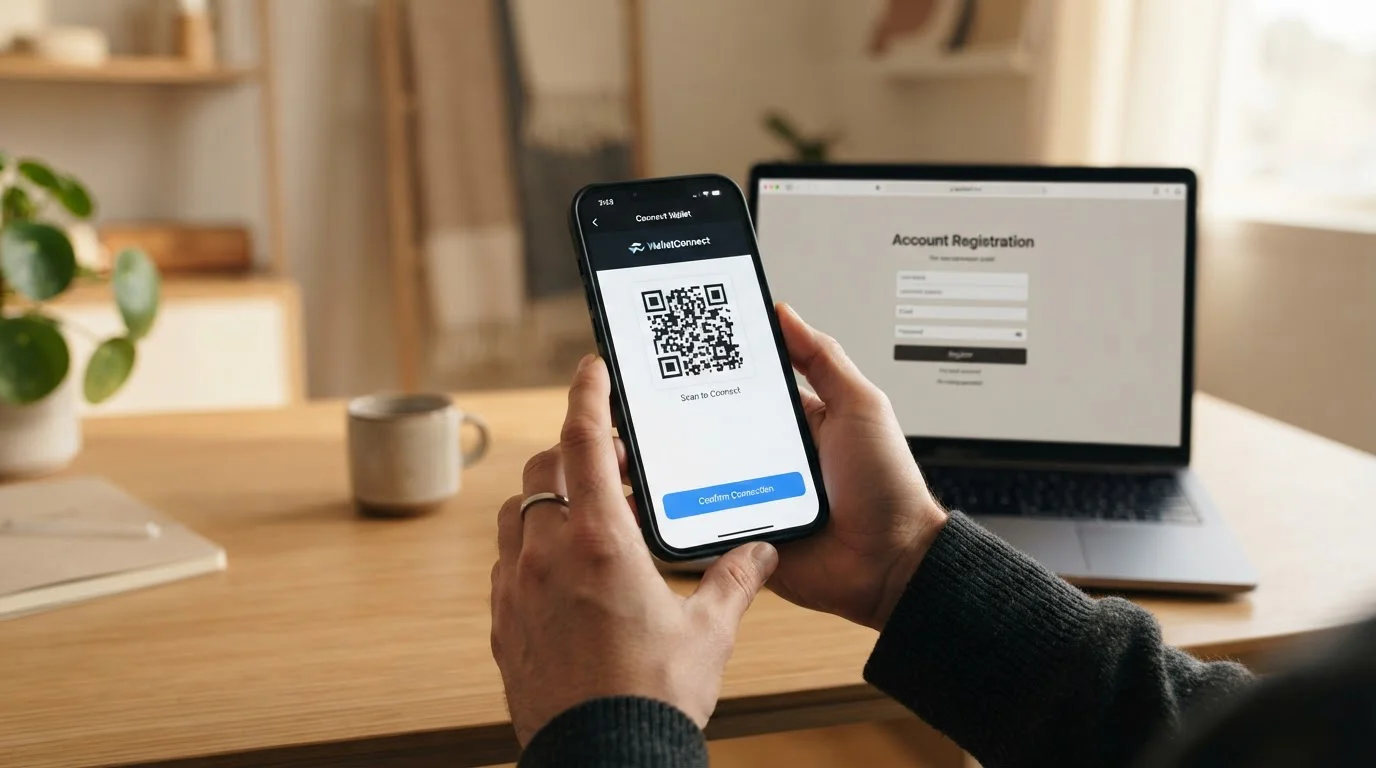
Step 2: Click «Sign Up» or «Register.» You will see a form requesting an email address and password. Some casinos (Moonbet, BC.Game) offer wallet-connection registration: link your MetaMask or Trust Wallet instead of email. That removes email from the data trail entirely.
Step 3: Confirm email (if required). Most operators send a verification link to your inbox. Click it to activate the account. Wallet-connection sign-ups skip this step.
Step 4: Navigate to the cashier or deposit section. The casino displays a list of accepted cryptocurrencies (Bitcoin, Ethereum, USDT, Litecoin, etc.). Select your coin.
Step 5: Copy the deposit address or scan the QR code. The casino generates a unique wallet address for your account. Open your crypto wallet (Coinbase, Binance, Trust Wallet, hardware wallet), paste the address, enter the amount, confirm. Double-check the address and network. Sending to the wrong address or wrong network (e.g., USDT ERC-20 to a TRC-20 address) loses funds permanently with no recovery.
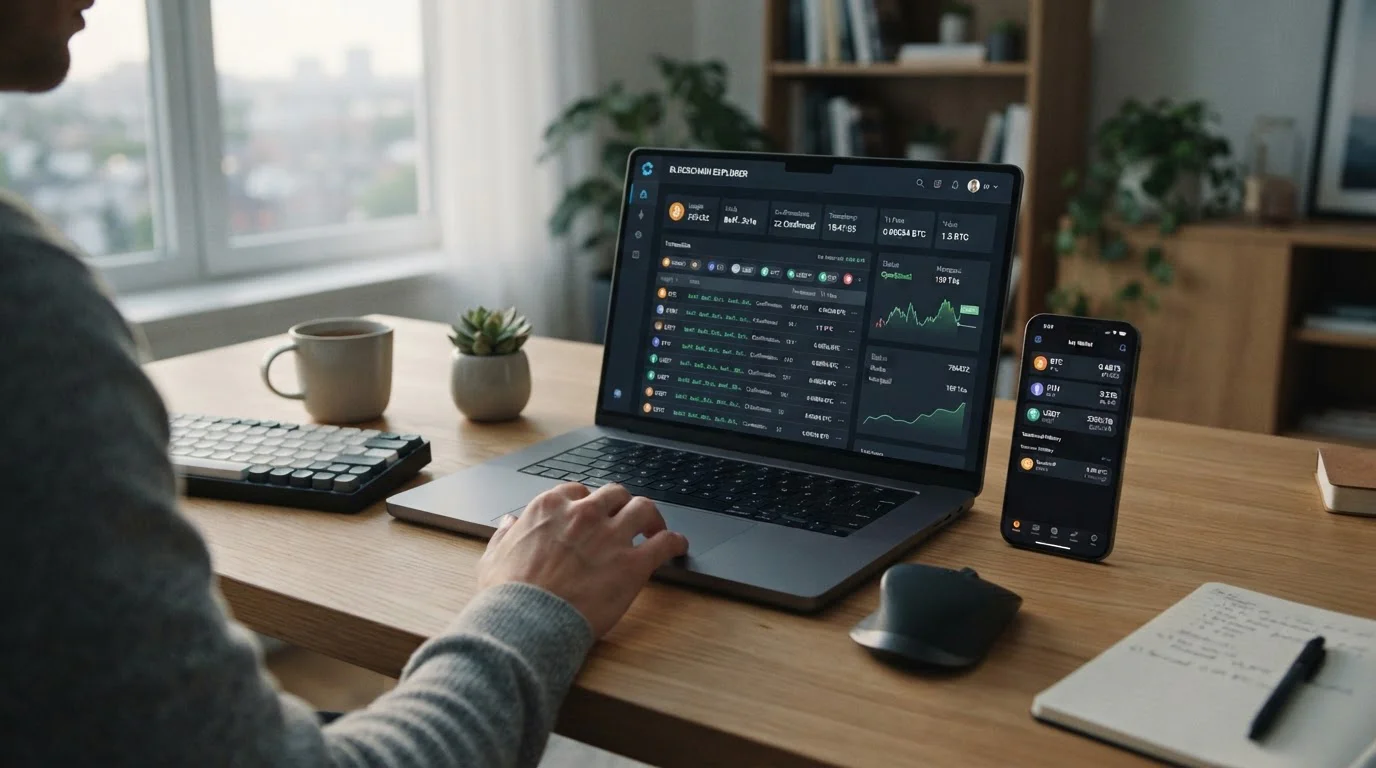
Step 6: Wait for blockchain confirmation. Bitcoin takes 10–60 minutes (1–3 blocks). Ethereum and USDT take 2–5 minutes. The casino credits your balance once the network confirms the transaction. You can track progress through a blockchain explorer (Etherscan for Ethereum, Blockchain.com for Bitcoin).
Step 7: Play. Your balance appears in the casino account, denominated in the crypto you deposited. Slots, live dealer tables, and sportsbook bets deduct directly from that balance. Winnings add to it.
Step 8: Withdraw. Navigate to the cashier, select «Withdraw,» choose your cryptocurrency, enter your external wallet address (where you want funds sent), specify the amount, confirm. Automated-signing casinos (Duelbits, Rollbit, Moonbet) process in minutes. Manual-review casinos (CloudBet, FortuneJack) take hours to a day. If your withdrawal crosses the KYC threshold (~2 BTC or €2,000 lifetime), expect a document request before the casino signs the transaction.
Tip: Test with a small deposit first. Deposit 0.01 BTC or $50 USDT, play a few rounds, withdraw. Confirm the process works smoothly before committing larger amounts. That test run reveals whether the casino processes your withdrawal document-free and how long it actually takes (vs. marketing claims).
Game Selection & Provably Fair Technology
Offshore crypto casinos source games from the same studios as UKGC-licensed sites: Pragmatic Play, NetEnt, Evolution Gaming, Play’n GO, Microgaming. The difference is depth — TrustDice lists 10,000+ titles, BC.Game 9,000+, FortuneJack 5,400+. UKGC sites cap around 2,000–4,000 games because they serve a smaller regulated market.
Slots dominate every library. Titles range from classic 3-reel fruit machines to 6-reel Megaways releases with 100,000+ paylines. Return-to-player (RTP) percentages sit between 94–98% depending on the game. High-RTP slots (97%+) reduce the house edge but typically feature lower volatility (smaller, more frequent wins). Low-RTP, high-volatility slots (94–95%) pay out rarely but bigger when they hit.
Live dealer tables stream from studios in Latvia, Malta, Romania, and Georgia. Evolution Gaming is the market leader; Pragmatic Play Live and Ezugi are common alternatives. Blackjack, roulette, baccarat, and poker variants run 24/7 with human dealers and real-time video. Bet limits range from €0.50 to €10,000+ per hand depending on the table. VIP tables push limits to €50,000+.
Provably fair originals are blockchain-based games where you can verify the RNG outcome was not manipulated. The casino publishes a server seed hash before you bet and reveals the seed after, allowing you to compute the result yourself and confirm it matches. TrustDice, BC.Game, and Rollbit offer provably fair Crash, Dice, Plinko, and Mines.
That cryptographic proof works only for in-house games built by the casino. Standard RNG slots from Pragmatic Play or Evolution’s live dealer tables do not offer provably fair verification — those games use certified RNG tested by third-party labs (eCOGRA, iTech Labs, GLI), but individual spins cannot be verified by players. Provably fair is a niche within the library, not the majority of games.
Game types and availability:
| Game Type | Available At (of 8 reviewed) | Provably Fair Option | Notable Examples |
|---|---|---|---|
| Slots (video, Megaways, classic) | 8 of 8 | No (RNG slots from studios) | Sweet Bonanza, Gates of Olympus, Book of Dead |
| Live dealer (blackjack, roulette, baccarat) | 8 of 8 | No (streamed from studios) | Evolution Lightning Roulette, Pragmatic Sweet Bonanza Candyland |
| Crash games | 7 of 8 | Yes (provably fair versions exist) | TrustDice Crash, BC.Game Crash |
| Plinko | 6 of 8 | Yes (provably fair versions exist) | TrustDice Plinko, Stake Plinko (blocked UK) |
| Dice | 7 of 8 | Yes (provably fair versions exist) | TrustDice Dice, BC.Game Dice |
| Roulette (non-live, RNG) | 8 of 8 | No (standard RNG) | European Roulette, American Roulette |
| Blackjack (non-live, RNG) | 8 of 8 | No (standard RNG) | Classic Blackjack, Multihand Blackjack |
| Sports betting | 6 of 8 | No | Football, tennis, basketball, esports (Thunderpick specialises) |
| Poker (non-live, video poker) | 7 of 8 | No | Jacks or Better, Deuces Wild |
Mobile access: All eight reviewed operators run browser-based sites that adapt to phone and tablet screens. No app downloads required — open the site in Safari, Chrome, or Firefox on your phone, log in, play. Some operators (BC.Game, Rollbit) offer dedicated iOS and Android apps through their own APK downloads (not App Store or Google Play, which ban real-money gambling apps in most regions). Browser-based access is simpler and avoids APK security risks.
Responsible Gambling & Risk Management
Offshore crypto casinos operate outside UKGC responsible gambling frameworks. That removes enforced deposit limits, mandatory session timers, and GamStop self-exclusion. If you rely on external controls to limit play, offshore platforms will not provide them — you are gambling on personal discipline alone.
Most reviewed operators offer voluntary deposit limits and self-exclusion through account settings. These are honour-system tools: you set a €500 daily deposit cap, the casino blocks further deposits that day, but nothing stops you opening a second account at another casino. UKGC sites share GamStop data across all licensees; offshore casinos do not share exclusion lists.
Crypto volatility adds risk beyond the games. If you deposit 0.5 BTC when Bitcoin trades at $65,000 (= $32,500 deposit value), then withdraw 0.6 BTC a week later when Bitcoin sits at $60,000 (= $36,000 withdrawal value), you won 0.1 BTC but your fiat-equivalent «profit» is only $3,500 because the coin itself dropped. Conversely, if Bitcoin rallies to $70,000 during your session, 0.6 BTC becomes $42,000 — a $9,500 gain amplified by price movement, not just gameplay.
Stablecoins (USDT, USDC) eliminate this volatility by pegging to the US dollar. Deposit $500 USDT, it stays $500 USDT regardless of crypto market swings. For players who want crypto speed without price exposure, stablecoins are the controlled option.
Tax implications: UK tax law treats gambling winnings as non-taxable income, but cryptocurrency gains are taxable as capital gains. If you buy Bitcoin at $50,000, deposit it to a casino, win, withdraw at $65,000, HMRC considers that a taxable capital gain event. Withdrawing more BTC than you deposited is a gambling win (non-taxable), but if the BTC itself appreciated in GBP terms while you held it, that appreciation is taxable. Consult a tax advisor if you are moving five-figure sums — the crypto + gambling intersection creates reporting complexity HMRC scrutinises.
Problem gambling resources: If offshore casino play is spiralling into problem gambling, UK resources remain accessible: National Gambling Helpline (0808 8020 133, free, 24/7), GamCare (online chat and phone support), BeGambleAware (educational resources and self-assessment tools). These charities support anyone affected by gambling harm, regardless of where you play.
Self-exclusion from offshore casinos is manual: email each operator’s support team requesting account closure. They will close it, but you can reopen by contacting support again — there is no cooling-off lock like GamStop’s minimum six-month block. For enforceable exclusion, register with GamStop (covers all UKGC sites) and avoid offshore platforms entirely.

Do crypto casinos report winnings to UK tax authorities?
No. Offshore crypto casinos do not report transactions to HMRC. However, UK tax law still applies: gambling winnings are non-taxable, but cryptocurrency capital gains are taxable. If you buy Bitcoin at £40,000, deposit to a casino, win, and withdraw at £50,000 per BTC, the £10,000 appreciation per coin is a taxable capital gain event. HMRC does not receive casino reports but can audit your crypto wallet transactions and exchange records. If you are moving large sums (£10,000+), consult a tax advisor familiar with crypto gains and gambling income — the intersection creates reporting complexity that standard gambling tax guidance does not cover.
Crypto Casinos and UK Players 2026 — Coins, Risks & Licensing
Content created by the «casinopay» team
