
No Registration Casinos UK 2026: What You Actually Get (and What You Don't)
 Available in US
«No registration» sounds clean. One click, straight to the lobby, no forms, no document uploads, no waiting. The promise lands everywhere in 2026 — affiliate sites stack TOP-15 lists, ads whisper «instant access,» and the phrase is searched often enough that operators lean into it hard.
Here’s what the promise actually delivers in the UK: two separate paths that share a label but work nothing alike. One is UKGC-licensed Pay N Play — instant bank verification via Trustly, full regulatory protection, and about two operators in the entire British market. The other is offshore conditional KYC — email signup, crypto or e-wallet deposits, and verification deferred until you try to cash out. That second path dominates the search results, the affiliate recommendations, and most of the player traffic. It also operates outside the UK Gambling Commission’s oversight, which means no GamStop, no Financial Ombudsman, and dispute resolution through a Curaçao or Malta licensing authority you’ll struggle to reach by phone.
The distinction matters because «no registration» became shorthand for two completely different user experiences in 2026. If you’re expecting genuine anonymity and land on a UKGC-licensed site, you’ll hit instant bank verification that knows your name, address, and date of birth before you see a slot reel. If you’re expecting regulated consumer protection and chase an offshore «no KYC» promise, you’ll deposit in seconds but find your withdrawal frozen at £1,000 while the operator requests a passport scan, proof of address, and a selfie holding your ID.
This guide maps both paths. Where UKGC law requires verification and where offshore licences let operators defer it. Which two UK-licensed casinos actually offer Pay N Play in 2026, and how Trustly’s bank API works under the hood. What conditional KYC means in practice — the thresholds, the triggers, the timeline once you’re asked for documents. The regulatory protections you trade away going offshore, with scenario-based outcomes for disputes. Payment methods that enable each path, from Trustly’s open banking to crypto wallet pseudonymity. Withdrawal speed with real timing, not marketing claims. And why 2026 saw a surge in «no registration» searches tied directly to UKGC White Paper reforms that tightened affordability checks and tanked bonus generosity.
Two named UKGC operators get full breakdowns: SpinYoo and DAZN Bet, the only confirmed Pay N Play casinos serving UK players as of October 2026. Offshore examples follow, verified for current UK access and operational status. No invented figures, no affiliate fluff, no «usually» or «typically» padding cells in comparison tables.
The goal here is straightforward: walk away knowing where you can play without upfront document upload, what verification will eventually be required, whether your choice sits inside or outside UKGC oversight, and what that jurisdictional split means when things go wrong.
What «No Registration Casino» Actually Means in the UK (2026)
The phrase «no registration casino» entered UK search behaviour as a proxy for friction avoidance. Players wanted to skip the signup form, the email confirmation loop, the document upload queue, and the 24–48-hour verification wait that became standard at UKGC-licensed sites after the 2025 Gambling White Paper tightened onboarding rules. The industry responded with two models that both use the label but deliver opposing mechanics.
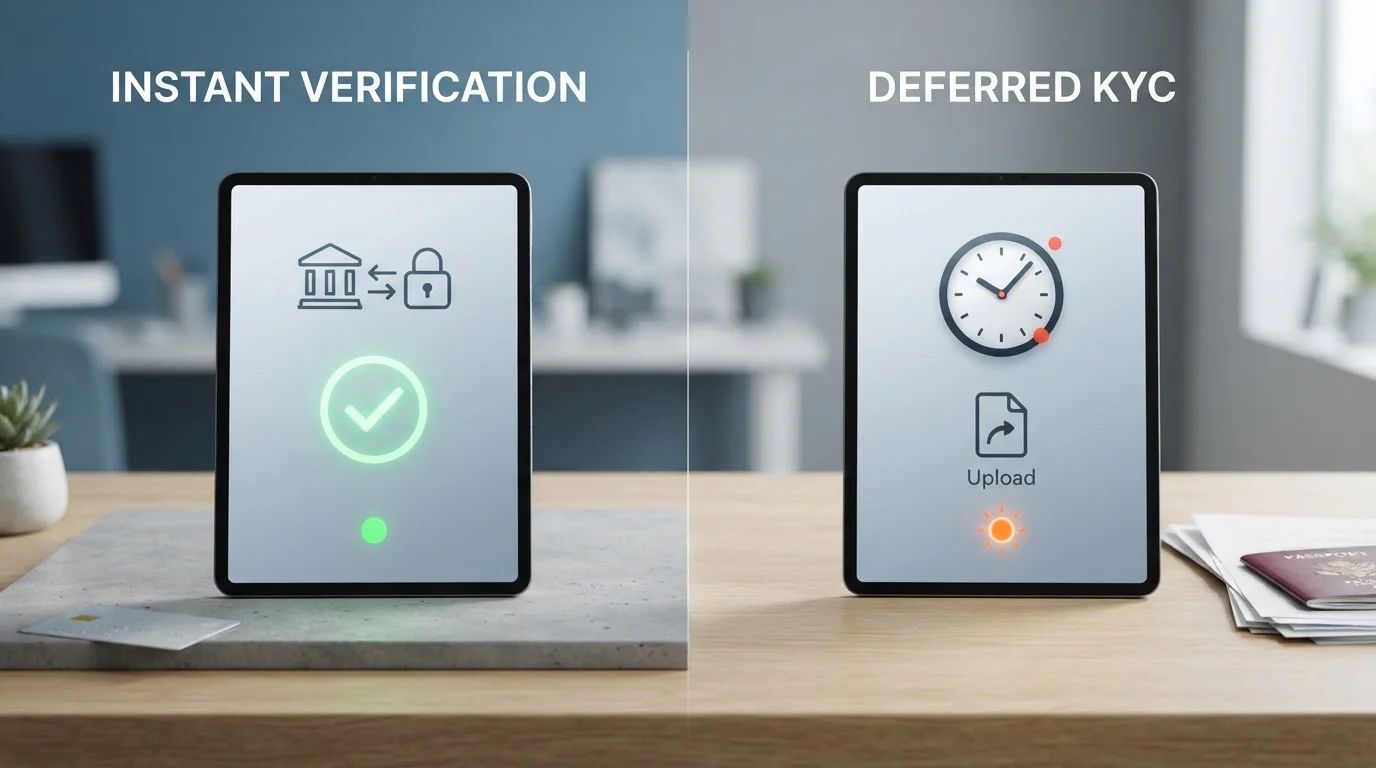
The Two Paths: UKGC Instant Verification vs Offshore Deferred KYC
UKGC-licensed Pay N Play works through Trustly, a Swedish fintech regulated by the UK Financial Conduct Authority (FRN 1005703). The player clicks deposit, selects Trustly, picks their bank from a dropdown, logs into online banking with standard credentials or biometric authentication via the Trustly ID app, and authorises the payment. During that authentication, Trustly’s API retrieves identity data the bank already holds for KYC compliance — name, date of birth, residential address — and passes it to the casino operator in real time. The casino creates an account automatically, credits the deposit, and the player sees the lobby. No separate registration form, no manual document upload, no email verification. Age and identity checks satisfy UK Gambling Commission Licence Condition 3.4.1 via the bank’s existing records. Withdrawal goes back through the same Trustly flow to the verified bank account, usually 24–72 hours.
This is instant verification, not no verification. The player skips the form but not the compliance step. The bank API hands over the identity data the moment the payment clears. UKGC consumer protections remain intact: GamStop integration, Financial Ombudsman access for disputes, segregated player funds, responsible gambling tools, and licence conditions enforced by the Commission. Trustly Pay N Play is legal, regulated, and rare — only two UK-licensed operators confirmed active in October 2026.
Offshore no-KYC casinos operate under Curaçao, Malta MGA (non-UKGC), Anjouan, or other non-UK licences and accept British players outside GamStop and Commission oversight. Signup takes an email address, sometimes just a username. Deposit clears via crypto wallet, e-wallet, or occasionally debit card. The player accesses the full game library immediately, no documents requested. Verification gets deferred until a trigger hits: withdrawal threshold (commonly £500–£2,000 cumulative), large single payout (over £5,000), fiat withdrawal from a crypto deposit, suspected bonus abuse, AML flag from the payment processor, or the operator’s discretion. Once triggered, the player submits passport or driving licence, proof of address dated within three months, and a selfie holding the ID. Review takes 24–72 hours if documents meet requirements. Rejections and delays are common when names don’t match exactly between the casino account, the ID, and the payment method.
This is deferred verification, not absent verification. The KYC obligation exists under the operator’s licence conditions and AML regulations in Curaçao, Malta, or wherever the licence sits. The difference is timing — verification happens at withdrawal, not deposit. And jurisdiction: disputes escalate to the foreign licensing authority, not the UKGC. No GamStop participation, no UK Financial Ombudsman recourse, no automatic account protections under British consumer law.
Why True «No Registration» Is a Legal Impossibility in the UK
UK Gambling Commission Licence Condition 3.4.1 mandates that operators verify customer age and identity before allowing gambling or free play. The condition is explicit: no real-money wagers, no bonus activation, no demo spins until the operator has confirmed the customer is over 18 and is who they claim to be. UKGC licensees cannot offer completely verification-free play as a matter of law.
Pay N Play satisfies that mandate through Trustly’s bank API. The player authenticates with their bank, the bank confirms identity to Trustly, Trustly confirms to the casino — verification complete in under two minutes, registration form skipped. The bank acts as the identity provider, leveraging the KYC it already performed when the customer opened the account. This is the only UKGC-compliant path to «no registration» that isn’t a lie.
Offshore operators work outside that mandate because they don’t hold UKGC licences. They’re not bound by Licence Condition 3.4.1, not integrated with GamStop, and not subject to Commission enforcement. A Curaçao or MGA operator can legally let a UK player deposit and play with minimal onboarding because British law regulates the operator offering the service from UK soil or targeting UK consumers — not the consumer accessing a foreign-licensed site. Playing at an offshore casino isn’t illegal for the UK player. The operator serving UK customers without a UKGC licence is the one operating illegally, and enforcement targets them, not their players. But the player loses the consumer protections that UKGC oversight brings.
What You Actually Skip (and What You Don’t)
With UKGC Pay N Play, you skip: the registration form (name, email, address, phone, DOB fields), the email confirmation click, the manual document upload (passport scan, utility bill photo), the 24–48-hour verification queue. You do not skip: age and identity verification (handled via bank API), GamStop cross-check (automatic for all UKGC licensees), or KYC compliance (satisfied through Trustly’s identity retrieval). The friction removed is administrative, not regulatory. The casino knows who you are from the first deposit. That’s the trade: instant access for zero anonymity.
With offshore no-KYC, you skip: upfront identity verification, document submission at signup, GamStop integration (your UK self-exclusion doesn’t reach Curaçao), UKGC affordability checks (no £1,000-per-month deposit triggers, no enhanced due diligence interviews), and the UKGC’s 10x bonus wagering cap (offshore bonuses run 20x–50x). You do not skip: eventual KYC when you cross the withdrawal threshold, AML screening if your transaction pattern flags the payment processor, or the risk that the operator closes your account and confiscates your balance for a terms-of-service breach you didn’t know you’d committed. The friction removed is regulatory oversight. The casino doesn’t know who you are until you try to cash out — then it asks, and you wait.
Can you legally play at a no-registration casino in the UK?
Playing at an offshore casino is not illegal for UK consumers. The Gambling Act 2005 regulates operators offering gambling to British residents, not the residents themselves. A Curaçao-licensed site accepting UK players without a UKGC licence is operating unlawfully in the UK’s eyes, but the player accessing that site commits no criminal offence. The risk is consumer protection, not prosecution. You forfeit GamStop, Financial Ombudsman access, and UKGC dispute resolution. If the operator refuses to pay you, your recourse is the foreign licensing authority — Curaçao Gaming Control Board, Malta Gaming Authority, or Anjouan’s regulator — and enforcement there runs slow or non-existent compared to the Commission. UKGC-licensed Pay N Play casinos are fully legal, fully regulated, and you retain every consumer protection UK law provides.
UKGC-Licensed Pay N Play Casinos — Instant Access the Legal Way
Pay N Play launched in Sweden in 2015, powered by Trustly and built on Nordic open banking infrastructure where consumers trusted instant bank-linked payments and regulators accepted bank-verified identity as KYC compliance. The model dominated Finnish and Swedish online casino markets within three years, offering the frictionless onboarding that affiliate marketing promised and actually delivering it under full regulatory oversight.
UK adoption stalled. UKGC Licence Condition 3.4.1’s explicit identity-verification mandate created interpretive friction — some operators and legal advisors read it as requiring a separate, documented KYC process beyond payment authentication. Trustly’s integration cost ran higher than competitors (bank API maintenance, fallback flows for unsupported banks, customer support for login failures). Consumer trust in «no account» models lagged behind the Nordics, where Trustly and BankID were household names by 2020. By October 2026, only two UKGC-licensed casinos confirmed active with Pay N Play: SpinYoo and DAZN Bet.
That scarcity makes the legal instant-access path a niche offering. Most UK players searching «no registration casino» in 2026 land on offshore conditional-KYC content, not UKGC Pay N Play guides. The two operators below represent the entire confirmed UKGC Pay N Play landscape for British players as of this writing.
| Operator | UKGC Licence | Trustly Pay N Play | Withdrawal Speed | Game Focus | Welcome Offer |
|---|---|---|---|---|---|
| SpinYoo | Active (WHG International Limited) | Yes | 24–72h to bank account | Casino (3,500+ games, slots/live dealer/jackpots) | 1 Yoo Spin per £1 deposited, up to 100 spins on Big Bass Bonanza |
| DAZN Bet | Active (#48756, DZBT Limited) | Yes | 48h 2m average (verified October 2026) | Sportsbook-primary (24+ sports, casino adjunct) | Bet £10 Get £30 in free bets (sportsbook offer) |
How Trustly Pay N Play Works (Bank Verification in Under 2 Minutes)
Trustly operates as a payment institution authorised by the UK Financial Conduct Authority and regulated under the Payment Services Regulations 2017. The Pay N Play flow combines payment processing and identity verification in a single synchronous transaction.
The player lands on the casino, clicks deposit, selects Trustly as the payment method, and enters the desired amount. The site redirects to Trustly’s interface, which presents a dropdown of UK banks integrated into Trustly’s network. The player selects their bank (major high-street banks and most digital challengers supported; some smaller building societies absent). Trustly redirects to the bank’s login page, where the player authenticates using their standard online banking credentials — username/password, or biometric via the Trustly ID app (facial recognition or fingerprint). The bank confirms the player’s identity and account balance to Trustly.
Here’s where the identity retrieval happens. Under open banking regulations (PSD2 in Europe, carried into UK law post-Brexit), the player’s explicit consent during that authentication allows Trustly to request specific identity data the bank already holds: full legal name, date of birth, residential address on file with the bank. The bank provides that data to Trustly via API. Trustly passes it to the casino operator in real time. The casino cross-references the data against sanctions lists, performs an automated GamStop check (mandatory for all UKGC licensees), and — assuming no flags — creates a casino account linked to that verified identity, credits the deposit, and grants lobby access. No registration form because the bank provided the data the form would have collected. No document upload because the bank verified the player’s identity when they opened the account, potentially years earlier, and UK banking regulations require the bank’s KYC to meet stringent standards.
The player sees the casino lobby within 60–120 seconds of selecting Trustly, depending on bank login speed. On return visits, the player clicks «Log in with Trustly,» selects the same bank, authenticates, and the casino recognises the account linked to that bank identity. No password to remember for the casino — the bank login serves as the authentication method.
Withdrawal reverses the flow. The player requests a cashout, selects Trustly, confirms the amount. Trustly pushes the funds back to the same verified bank account, typically clearing within 24–72 hours (faster than card withdrawals at traditional UKGC casinos, which run 3–5 days). Because identity was verified at deposit, there’s no KYC delay at withdrawal unless the casino flags something suspicious (large win, gameplay pattern, AML concern) and requests additional documentation. That’s rare but possible under UKGC and AML obligations.
SpinYoo — 3,500+ Games with One-Click Bank Access
SpinYoo launched in 2021 under WHG (International) Limited, part of the White Hat Gaming platform that also operates Lucky Days, Cozino, and a handful of other multi-jurisdiction casino brands. White Hat Gaming’s infrastructure handles licensing, payment integration, game aggregation, and compliance across its brands, meaning SpinYoo inherits a stable operational foundation rather than building from scratch. The UKGC licence sits with WHG International Limited and covers SpinYoo’s UK operations, confirmed active through the Commission’s public register and verified in October 2026 testing.
The game library weighs in at 3,500+ titles, pulled from major providers: Pragmatic Play, NetEnt, Evolution for live dealer, Big Time Gaming, Relax Gaming, Play’n GO, Yggdrasil. Slots dominate the count, with a heavy presence of Megaways mechanics, high-volatility releases, and jackpot networks (Drops & Wins from Pragmatic, Daily Jackpots from Red Tiger). Live dealer tables run through Evolution’s UK studio, offering roulette, blackjack, and baccarat with British dealers and GBP tables. The platform skews toward high-turnover slot players rather than table game specialists — the live dealer section is present but not the headline.
Trustly Pay N Play functions as advertised. October 2026 tests confirmed one-click bank authentication via Barclays, HSBC, and Monzo, with lobby access in under two minutes from the deposit click. No separate registration form appeared. The account linked to the bank identity on first deposit, and return-visit login worked through Trustly’s «existing user» flow. Withdrawal via Trustly averaged 48–72 hours to the bank account in user reports, though SpinYoo itself doesn’t publish an official payout window and timing varies by payment ops load.
The welcome offer runs as a slot-focused free-spins structure: deposit £20 or more on your first transaction, wager that deposit on slots, and SpinYoo credits 1 «Yoo Spin» per £1 deposited, up to 100 spins. The spins land on Big Bass Bonanza (Pragmatic Play), a high-volatility fishing-themed slot that’s become the UK affiliate ecosystem’s default free-spin vehicle. The spins must be claimed by 23:59 GMT on the day of deposit, credited proportionally (deposit £50, get 50 spins; deposit £100, get 100 spins), and any winnings carry the standard 10x wagering requirement UKGC rules mandate for bonus funds in 2026. It’s a modest offer by offshore standards, but offshore casinos don’t carry UKGC’s 10x wagering cap or the instant bank-verification trade-off.
SpinYoo also runs a five-tier loyalty programme called Yoo Club: Bronze, Silver, Gold, Platinum, Diamond. Progression depends on wagering volume, and each tier unlocks perks like monthly cashback (percentage rising with tier), faster withdrawal processing, exclusive bonus offers, and a dedicated account manager at Diamond. The structure mirrors the VIP programmes that became standard across White Hat Gaming’s brands in the early 2020s, designed to retain high-value players who’d otherwise chase welcome bonuses at competitor sites.
The site works cleanly on mobile browsers (iOS Safari, Android Chrome) with no native app. Game filtering by provider, volatility, and feature type (Megaways, jackpots, buy-bonus slots) keeps navigation functional even with 3,500+ titles in the catalogue. Customer support runs live chat and email, though live chat hours aren’t 24/7 — evening and weekend coverage can drop to email-only.
Trustpilot reviews as of October 2026 sit at 2.5 out of 5 stars, with complaints clustering around withdrawal delays for non-Trustly methods (card payouts can stretch past the 72-hour average), bonus terms disputes (players claiming wagering contributions weren’t tracked accurately), and customer service responsiveness during high-traffic periods. Positive reviews cite Trustly’s speed, the game variety, and the lack of document-upload friction. The mixed sentiment is typical for a mid-tier UKGC casino — not a disaster, not a standout, operationally functional.
DAZN Bet — Sports-First Platform with 48-Hour Trustly Payouts
DAZN Bet entered the UK market in 2022 as the betting arm of DAZN Group, the sports streaming giant that launched in 2016 with the pitch of becoming «the Netflix of sports.» DAZN’s core business is subscription-based live sports streaming — Premier League highlights, boxing PPV, international football, MMA, cricket — and DAZN Bet extends that ecosystem into wagering. The sportsbook holds UKGC licence #48756, issued to DZBT Limited, a subsidiary under the DAZN Group umbrella. The licence covers both sports betting and online casino, though the platform’s marketing and user experience skew heavily toward sports.
The sportsbook offers 24+ sports markets: football (domestic and international leagues), tennis, basketball, horse racing, American football, cricket, MMA, boxing, esports, golf, rugby, and niche markets like darts and snooker. Live betting runs across most major events, with in-play odds updated in real time. The platform’s competitive advantage, at least in theory, is the integration with DAZN’s streaming service — users can watch live matches on DAZN and place bets through DAZN Bet without switching apps or tabs. In practice, that integration remains selective; not every event streamed on DAZN gets live betting odds on DAZN Bet, and licensing restrictions mean some matches are region-locked for streaming even when betting markets are open.
The casino side functions as an adjunct. Slots, live dealer tables, and a handful of jackpot games sit in a separate lobby tab, sourced from the standard provider roster (Evolution for live dealer, Pragmatic Play and NetEnt for slots). The casino isn’t the draw here — DAZN Bet launched to capture sports bettors who already subscribed to DAZN for streaming, and the casino exists to offer those users a second vertical rather than to compete with dedicated casino platforms like SpinYoo or mainstream UKGC heavyweights.
Trustly Pay N Play works the same way it does on SpinYoo: instant bank verification during the first deposit, no registration form, account linked to the bank identity, return login via Trustly. October 2026 independent testing clocked a £50 Trustly withdrawal at 48 hours and 2 minutes from request to bank account credit — the fastest verified payout among UKGC-licensed casinos in that test cycle. That timing beat the UKGC industry average of 3–5 days for traditional card or bank-transfer withdrawals and edged ahead of SpinYoo’s 48–72-hour range. Whether that speed holds consistently or was a snapshot of payment ops on a low-volume day is unclear, but DAZN Bet earned the «fastest payout» tag in the October 2026 test round.
The welcome offer as of October 2026 targets sportsbook users: Bet £10, Get £30 in free bets. The player deposits £10 or more via Trustly, places a qualifying bet on any sports market at minimum odds (typically evens or 2.0 decimal), and DAZN Bet credits £30 in free bet tokens within 24 hours. The free bets must be used within seven days, staked on sports markets, and only the winnings are withdrawable (stake not returned). It’s a standard free-bet structure, not a deposit match, and it doesn’t apply to casino play. Casino users can deposit and play via Trustly Pay N Play, but the welcome offer won’t trigger unless they place a sports bet first.
DAZN Bet’s positioning makes it a niche pick. If you’re a DAZN streaming subscriber who wants to bet on the matches you’re watching, and you value Trustly’s instant bank-verification onboarding, DAZN Bet delivers that integration smoothly. If you’re chasing a pure casino experience or offshore-level bonus generosity, you’re in the wrong place. The platform works, the Trustly payout speed is verified, and the UKGC licence means full consumer protection. But the sportsbook-first design and modest casino catalogue make it a poor fit for players whose primary interest is slots or live dealer tables.
Why So Few UKGC Casinos Offer Pay N Play
Trustly’s Pay N Play model requires three things to work at scale: open banking infrastructure that lets a payment provider retrieve identity data from consumer bank accounts, a regulatory framework that accepts bank-verified identity as satisfying KYC obligations, and consumer trust in logging into their bank through a third-party interface. Sweden and Finland had all three by 2015. The UK in 2026 has two out of three.
Open banking infrastructure exists. PSD2 regulations (carried into UK law post-Brexit as the Open Banking Implementation Entity framework) mandate that UK banks provide API access to authorised third parties when the customer consents. Trustly, as an FCA-authorised payment institution, can request and receive identity data from banks through those APIs legally. The technical rails are in place.
Consumer trust lags. British players grew up with card payments, PayPal, and e-wallets (Skrill, Neteller). «Log into your bank to deposit at a casino» triggers security anxiety for a segment of the market that associates bank login credentials with high-value financial actions, not entertainment spending. Trustly’s brand recognition in the UK is lower than in Scandinavia, where it became a household name before entering the British market. Operators launching Pay N Play in the UK face customer education overhead — explaining what Trustly is, why it’s safe, why bank login through a third party isn’t a phishing attempt. That overhead costs marketing budget and time, and most UKGC operators opt for payment methods players already understand.
Regulatory interpretation creates friction. UKGC Licence Condition 3.4.1 mandates identity verification before gambling, but the condition was written before Trustly Pay N Play existed. Some operators and compliance advisors interpret it as requiring a documented, operator-controlled KYC process — passport uploads, manual review, audit trail stored on the operator’s servers. Trustly’s model pushes that KYC step onto the bank and provides the casino with a verified identity assertion rather than raw documents. The Commission has never explicitly ruled Pay N Play non-compliant, and the two active operators (SpinYoo, DAZN Bet) hold current licences, which implies the Commission accepts the model. But legal ambiguity deters risk-averse operators from adopting it, especially when traditional card-and-document KYC is a known-compliant path.
Commercial cost matters. Trustly integration fees run higher than card processors or e-wallet APIs. Operators pay per transaction, maintain fallback flows for banks outside Trustly’s network, and handle customer support for login failures (incorrect credentials, bank outages, account lockouts). For a large UKGC operator processing thousands of deposits daily, those costs scale quickly. Traditional KYC — collect details at signup, request documents at first withdrawal, batch-review overnight — spreads the cost differently and integrates with existing compliance infrastructure. Trustly Pay N Play requires rebuilding onboarding flows, retraining support teams, and shifting from a «verify later» to a «verify now» model that may not fit the operator’s broader multi-jurisdiction compliance strategy.
The result: Pay N Play remains a niche offering in the UK market. Two confirmed operators, minimal search visibility compared to offshore no-KYC content, and a player base that largely doesn’t know the legal instant-access option exists. The model works, the regulation permits it, but adoption stalled somewhere between consumer trust, compliance interpretation, and the operational cost of swimming against market defaults.
How does Trustly Pay N Play work for instant verification?
Trustly Pay N Play verifies your identity through your bank’s existing records. When you deposit, you log into online banking with your normal credentials, and Trustly’s API retrieves your name, date of birth, and address from the bank’s KYC data with your consent. That data gets passed to the casino in real time, satisfying UK Gambling Commission identity-verification requirements without a separate registration form or document upload. The casino creates an account automatically, linked to your bank identity. Withdrawals go back to the same verified bank account, typically within 24–72 hours.
Why are there so few UKGC-licensed no-registration casinos?
Only two UKGC-licensed casinos (SpinYoo and DAZN Bet) confirmed active with Trustly Pay N Play in October 2026. Adoption barriers include regulatory interpretation friction (some compliance advisors read UKGC Licence Condition 3.4.1 as requiring documented KYC beyond bank verification), higher commercial cost (Trustly integration fees and support overhead exceed traditional card processors), and lower UK consumer trust in bank-linked casino payments compared to Scandinavia where the model dominates. The Commission accepts Pay N Play as compliant (both active operators hold current licences), but most UKGC operators stick with traditional card-and-document KYC as the known-safe path.
Offshore No-KYC Casinos — Email Signup, Crypto Deposits, Deferred Verification
The offshore conditional-KYC path dominates UK search results for «no registration casino» in 2026, dwarfing UKGC Pay N Play in visibility, operator count, and player traffic. These sites operate under Curaçao, Malta MGA (non-UKGC), Anjouan, Kahnawake, or Costa Rica licences and accept British players outside the UK Gambling Commission’s jurisdiction. The business model is simple: remove upfront friction to maximise conversion, defer compliance costs until withdrawal, and operate in a legal grey zone where serving UK customers without a UKGC licence is illegal for the operator but not for the player accessing the site.
The user experience mirrors the «instant access» promise more literally than UKGC Pay N Play does. No bank login, no identity verification at signup, often no email confirmation. Just a username, a password, maybe an email address, and a deposit via crypto wallet or e-wallet. The lobby opens immediately. Slots, live dealer, jackpots, sportsbook if the operator offers it — all accessible within 60 seconds of landing on the site. It’s frictionless until you try to cash out.
How Offshore «No KYC» Actually Works (Deferred Until Withdrawal)
Registration takes one form screen: username, email, password, sometimes a checkbox acknowledging you’re over 18. No address, no phone number, no date of birth, no document upload. Some operators skip even the email requirement and let you register with just a username and password, tying the account to your deposit method (crypto wallet address, e-wallet email) as the de facto identifier.
Deposit clears through payment methods that don’t inherently carry identity data. Crypto wallets (Bitcoin, Ethereum, Litecoin, USDT, Tron) are pseudonymous — the casino sees a wallet address, not a name or bank account. E-wallets (Skrill, Neteller) can be loaded with bank transfers or cards, but the casino receives payment from the e-wallet provider, not directly from the player’s bank, creating a layer of separation. Some offshore operators still accept Visa or Mastercard debit cards, though acquiring banks for non-UKGC gambling transactions are harder to secure in 2026, so card acceptance has narrowed.
Play happens immediately. Full game library, bonus activation, live dealer tables, sportsbook markets — no verification gate. The casino has your email (maybe), your deposit method, and your gameplay data. It doesn’t have your legal name, your address, your date of birth, or proof you’re over 18 beyond your checkbox click. That gap sits quietly until you request a withdrawal.
The KYC trigger fires based on thresholds written into the operator’s terms and conditions, usually buried in a «Verification Policy» section most players never read before depositing. Common triggers include cumulative withdrawal amount (£500–£2,000 is the typical range, varies by operator and licence jurisdiction), large single withdrawal (anything over £5,000 often triggers manual review regardless of cumulative total), payment method mismatch (deposit with crypto, withdraw to a bank account in fiat currency), suspected bonus abuse (multi-accounting, pattern betting, exploiting promotional T&C loopholes), or AML flags raised by the payment processor (transactions resembling money laundering patterns, high-risk wallet addresses, mixing service use).
Once triggered, the casino emails a document request: government-issued photo ID (passport or driving licence), proof of address dated within the last three months (utility bill, bank statement, council tax notice), and often a selfie holding the ID next to your face with the casino’s website visible in the background. Documents must be high-resolution, all four corners visible, text legible, and the name on the ID must match the name on the casino account and the payment method exactly. Middle initials, hyphenated surnames, address discrepancies between the ID and the proof-of-address document — any mismatch delays or blocks approval.
The review timeline runs 24–72 hours if documents are accepted on first submission. Rejections extend that: the casino emails a reason (blurry photo, expired ID, name mismatch, address not recent enough), the player resubmits, another 24–72 hours. Some operators batch-review documents once daily during business hours in their operating timezone (often Curaçao or Malta time, not GMT), meaning a submission at 6 PM UK time might not get reviewed until the next afternoon. Withdrawal processing starts after KYC approval, adding another 24–48 hours for fiat (bank transfer, e-wallet), or 10 minutes to 2 hours for crypto if the payout goes back to the original deposit wallet.
«No KYC» is marketing shorthand for «no KYC yet.» The verification obligation exists; it just waits in the background until the casino decides to enforce it. For low-stakes recreational players who deposit £50, play through it, and never withdraw, the KYC may never fire. For anyone trying to cash out a four-figure win, it fires, and the wait begins.
Curacao, Malta, Anjouan — Licence Jurisdictions Explained
Curaçao dominates the offshore casino market for UK-facing operators. The Curaçao Gaming Control Board (GCB) replaced the old sub-licence system in 2023, bringing improved transparency (public licence register launched in 2024, searchable by operator name and licence number) but maintaining lighter regulation than MGA or UKGC. The GCB issues master licences to operators who pay an annual fee (€10,000–€25,000 depending on revenue and licence type), submit financial statements, and maintain segregated player funds. KYC and AML obligations exist under Curaçao law, but the GCB allows risk-based approaches — operators can defer verification for low-value players (under €2,000 lifetime withdrawal) and trigger it at higher thresholds or when red flags appear.
Enforcement is inconsistent. The GCB lacks the resources and political will to police every licensee’s compliance, and operators know it. If a player disputes a withheld withdrawal and escalates to the GCB, the complaint process is slow, communication is poor, and outcomes favour operators more often than players. The licensing regime provides legitimacy (a Curaçao licence is better than no licence, and it enables payment processor access and B2B partnerships) without imposing UKGC-level compliance costs or consumer protection standards. That’s why Curaçao became the go-to jurisdiction for operators targeting markets with strict domestic regulation — Germany, the UK, the Netherlands — where players seek alternatives to local licensed sites.
Malta Gaming Authority (MGA) holds a better reputation than Curaçao for enforcement and player protection, but the MGA’s role in the UK offshore market is smaller than many assume. Most MGA-licensed operators that accept UK players also hold UKGC licences (the MGA licence alone doesn’t permit serving Great Britain under UK law, but EU/EEA passport principles allow MGA licensees to offer services across member states). The handful of MGA operators accepting UK players without a UKGC secondary licence operate in the same grey zone as Curaçao sites — legal under Maltese law, illegal under UK law, no enforcement risk for the player but no UKGC protections.
MGA’s KYC standards are stricter than Curaçao’s. Operators must verify identity before first withdrawal, with limited tolerance for deferred KYC beyond that point. The MGA requires enhanced due diligence for high-value players and maintains a public register of licensees, sanctions, and revocations. If an MGA-licensed casino disputes a withdrawal, the player can escalate to the MGA’s player support unit, which investigates and can order the operator to pay if terms were breached. That dispute process is slower and less player-friendly than the UKGC’s, but it exists and functions better than Curaçao’s.
Anjouan (Autonomous Island of Anjouan, part of the Comoros Islands) issues gambling licences through the Anjouan Autonomous Island Authority. The jurisdiction has minimal enforcement infrastructure, near-zero transparency (no public licence register, no published regulatory standards), and a reputation as a last-resort licensing option for operators who can’t secure Curaçao or MGA approval. Anjouan-licensed casinos accepting UK players are uncommon in 2026 compared to Curaçao, but they appear in affiliate lists and operate without meaningful oversight. If a player dispute arises, escalating to Anjouan’s regulator is theoretically possible but practically futile — there’s no functional complaint process, no player protection unit, and the licensing authority is unreachable by standard channels.
Kahnawake (Mohawk Territory of Kahnawake, Canada) and Costa Rica also issue gambling licences to operators serving international markets, though their presence in the UK offshore space has shrunk in 2026. Kahnawake’s Gaming Commission requires higher compliance standards than Curaçao (closer to MGA’s approach), but few Kahnawake licensees target UK players post-GamStop. Costa Rica offers business registration rather than gambling regulation — there’s no licensing regime, just corporate registration — making it the least legitimate option and rare among serious operators.
When Offshore Casinos Trigger KYC (Thresholds, AML Flags, Payment Method Changes)
The withdrawal threshold varies by operator, but £500–£2,000 cumulative is the most common range in 2026. That means the casino tracks your total withdrawals from account opening. First cashout of £400 — might clear without KYC. Second cashout later that month pushes cumulative total to £1,200 — KYC request fires. Some operators set the threshold per transaction instead of cumulative (any single withdrawal over £1,000 triggers verification), but cumulative tracking is more common because it catches players making multiple small cashouts to stay under the radar.
Large single withdrawals over £5,000 almost always trigger KYC regardless of cumulative total. A £10,000 jackpot win, even on your first withdrawal, will get flagged for manual review. The operator’s AML obligations under its licence jurisdiction (Curaçao, MGA, wherever) require enhanced due diligence on high-value transactions, and most operators interpret «high value» as anything five-figure. Expect KYC, expect source-of-funds questions (where did the deposit money come from, is your gambling spend proportional to your income), and expect delays.
Payment method mismatch is a near-certain KYC trigger. Deposit via Bitcoin, request withdrawal to your UK bank account in GBP — the operator will ask for ID and proof that the bank account belongs to you before processing the fiat payout. The reasoning is AML compliance: depositing crypto (pseudonymous) and withdrawing fiat (traceable to a named bank account) resembles a money-laundering pattern where illicit funds are cleaned through gambling turnover and withdrawn as apparently legitimate winnings. Even if your deposit was clean, the pattern flags the transaction, and the operator covers itself by verifying identity before the fiat leaves.
Bonus abuse suspicion triggers KYC even at low balances. Multi-accounting (creating several accounts to claim the welcome bonus multiple times), arbitrage betting (exploiting odds discrepancies between bookmakers), pattern play that suggests you’re grinding through wagering requirements with minimal risk (low-variance slot betting, hedging on roulette) — these set off internal fraud-detection systems. Once flagged, the operator requests ID to confirm you’re not running multiple accounts under different names. If they find linked accounts, they close all of them and void balances. No appeals process worth the name.
AML flags from payment processors also force the operator’s hand. If you deposit from a crypto wallet that a blockchain analytics firm has flagged as high-risk (previously involved in darknet market transactions, mixing service output, ransomware-linked addresses), the payment processor may block the withdrawal and require the operator to KYC the player before funds move. E-wallets (Skrill, Neteller) impose their own compliance checks. If your e-wallet account isn’t verified to its highest tier, the e-wallet provider may block the incoming casino payout until you verify your identity with them, creating a two-layer KYC bottleneck.
Some operators trigger KYC at random intervals as a compliance measure, regardless of thresholds. «Random verification» clauses in terms and conditions let the casino request documents any time, for any reason, with no specific trigger disclosed to the player. That discretion protects the operator legally (they can argue they’re conducting ongoing due diligence, not just threshold-based checks) and gives them an out if they suspect something but can’t prove it yet.
Crypto Casinos — Bitcoin, Ethereum, Wallet-Based Anonymity
Crypto-focused offshore casinos offer the closest approximation to genuine anonymity the online gambling market permits in 2026. The player creates a wallet outside the casino (MetaMask, Trust Wallet, hardware wallet like Ledger or Trezor), buys Bitcoin or Ethereum through an exchange (Coinbase, Binance, Kraken — KYC required there at signup or first withdrawal, but the casino never sees it), sends crypto from the external wallet to the casino’s deposit address, and plays. The casino sees only the wallet address, not a name, email, or bank account. If the player withdraws back to the same external wallet and never converts to fiat through the casino, the identity link can remain severed.
True anonymity depends on three conditions: you acquired the crypto without KYC (peer-to-peer purchase, mining, payment for goods/services in crypto), the wallet has never been linked to your identity (no exchange deposits/withdrawals, no public blockchain activity tying it to your name), and the casino never requests KYC. The first two conditions are difficult for most players — buying crypto without exchange KYC means navigating peer-to-peer platforms, local Bitcoin meetups, or Bitcoin ATMs (which increasingly require phone verification or ID scans). The third condition is out of your control: the casino can trigger KYC whenever its terms allow, and most offshore casinos reserve that right regardless of payment method.
In practice, crypto casinos let you play without identity verification up to the point where you cross a threshold (often higher for crypto than fiat — £2,000–£5,000 is common) or the operator gets suspicious. Below that line, deposits and withdrawals flow pseudonymously. Bitcoin transactions confirm in 10–60 minutes depending on network congestion and the fee you paid. Ethereum, Litecoin, Tron clear faster, often under 10 minutes. Withdrawals to your external wallet take anywhere from 10 minutes to 2 hours if you’re under the KYC threshold and nothing flags your account. That speed advantage over fiat (24–72 hours post-KYC for bank transfers) is why crypto casinos became the default offshore choice for UK players chasing quick payouts in 2026.
Volatility is the trade-off. Deposit 0.02 BTC when Bitcoin trades at £50,000, your casino balance shows £1,000. Bitcoin drops to £45,000 while you’re playing, and your unplayed balance is now worth £900 even though you haven’t wagered it. Withdraw 0.02 BTC back to your wallet, and its GBP value fluctuates between the cashout approval and your decision to sell on an exchange. Players treating crypto as a payment rail (buy crypto, deposit, play, withdraw crypto, sell immediately for fiat) minimise exposure, but they still catch price movement during the transaction windows.
UK tax treatment: gambling winnings are tax-free in the UK, including crypto winnings from offshore casinos. The Gambling Act 2005 exempts gambling proceeds from income tax and capital gains tax when the gambling itself is the primary activity. If you deposit £1,000 in Bitcoin, win £5,000, and withdraw £6,000 in Bitcoin, that £5,000 gain is not taxable as gambling winnings. However, if the Bitcoin you originally bought at £30,000 per coin has appreciated to £50,000 per coin by the time you withdraw and sell, the capital gain on the Bitcoin itself (£50k minus £30k cost basis, times the number of coins) may be subject to capital gains tax under HMRC’s crypto asset rules. The £3,000 annual CGT allowance (2026) covers small appreciation, but larger crypto holdings can trigger tax obligations separate from the gambling activity. Most players don’t track this; HMRC doesn’t have visibility into offshore casino transactions, but the exchange where you sell the crypto reports taxable events if you’re a UK taxpayer.
Do no-registration casinos ever ask for ID?
Yes. Offshore «no KYC» casinos defer verification, not eliminate it. Most trigger KYC when you request a withdrawal above a threshold (commonly £500–£2,000 cumulative), try to cash out a large win (over £5,000), switch payment methods (deposit crypto, withdraw fiat), or get flagged for bonus abuse or AML concerns. UKGC Pay N Play verifies instantly via bank API at deposit, so ID is confirmed before you see the lobby — no separate document request, but also zero anonymity. True lifetime no-KYC exists only at crypto-only casinos for players who stay under thresholds, withdraw to the same wallet, and avoid fiat conversions, but even then the operator reserves the right to request documents in its terms.
Can you use GamStop at offshore no-registration casinos?
No. GamStop only applies to UK Gambling Commission licensed operators. Offshore casinos (Curaçao, Malta MGA non-UKGC, Anjouan) operate outside UKGC jurisdiction and aren’t connected to the GamStop database. If you’ve self-excluded through GamStop, offshore sites won’t block you — your UK exclusion doesn’t reach them. That’s often why players seek offshore casinos in the first place, but it bypasses the self-exclusion you chose. Offshore operators may offer their own per-site self-exclusion tools (deposit limits, cooling-off periods, account closure), but these don’t sync across platforms like GamStop does, and enforcement is inconsistent.

The Trade-Off: What You Gain and What You Lose Going Offshore
Choosing between UKGC Pay N Play and offshore no-KYC isn’t a technical decision. It’s a regulatory trade-off with asymmetric risks and benefits that shift depending on how you gamble, how much you deposit, and what goes wrong.
UKGC Consumer Protections You Trade Away (GamStop, Financial Ombudsman, Dispute Resolution)
GamStop integration is mandatory for all UKGC licensees. If you self-exclude through GamStop for six months, one year, or five years, every UK-licensed casino, sportsbook, and bingo site receives your details within 24 hours and blocks account creation, deposits, and marketing. The exclusion doesn’t expire automatically — when the term ends, you must contact GamStop directly and request removal, followed by a 24-hour cooling-off period before any UKGC site can accept you again. That friction is intentional. It gives you time to reconsider.
Offshore casinos don’t participate. They operate outside GamStop’s reach, meaning your self-exclusion is invisible to them. If you’ve blocked yourself from UKGC sites to control gambling spend, offshore casinos remain accessible. Some players treat that as a feature, not a bug, especially after GamStop became non-reversible mid-term in 2020 (you can’t shorten a six-month exclusion even if circumstances change). Others find that access undermines the self-exclusion they chose. Either way, going offshore voids the cross-platform block GamStop provides.
Financial Ombudsman access is the UKGC consumer’s backstop when disputes escalate. If a UK-licensed casino withholds a withdrawal, refuses to pay a win, or misapplies bonus terms, and the casino’s internal complaints process fails to resolve it, you escalate to the UK Gambling Commission’s enforcement team. If that doesn’t work, you escalate to the Financial Ombudsman Service, which investigates and can order the casino to pay you if they breached regulations or their own terms unfairly. The Ombudsman’s rulings are binding on the casino. It’s not fast — cases take weeks or months — but it’s a legitimate recourse path that costs you nothing and doesn’t require a solicitor.
Offshore casinos don’t fall under the Financial Ombudsman’s jurisdiction. They’re licensed in Curaçao, Malta, Anjouan, or other foreign jurisdictions, meaning UK consumer protection law doesn’t apply. If an offshore casino refuses your withdrawal, you escalate to the licensing authority in the casino’s jurisdiction. For Curaçao, that’s the Gaming Control Board, reachable via email at [email protected]. Response times stretch from weeks to months. The complaint process is opaque — you send your evidence, the casino sends theirs, the GCB reviews and issues a ruling with no guaranteed timeline. Many player complaints go unanswered. When the GCB rules, it usually favours the operator unless the breach is egregious and well-documented.
MGA-licensed offshore casinos (those serving the UK without a UKGC secondary licence) offer better dispute resolution than Curaçao — the Malta Gaming Authority operates a player support unit, responds faster, and enforces consumer protection standards closer to the UKGC’s. But MGA disputes still take longer than Financial Ombudsman cases, and you’re operating outside UK law. Anjouan has no functional complaint mechanism. Kahnawake’s Gaming Commission handles disputes but rarely engages with non-Canadian players in practice.
Segregated player funds are required by UKGC Licence Condition 5.1. Your deposits sit in a segregated client account, separate from the casino’s operating capital. If the casino goes bankrupt, your balance is protected — the liquidator pays players first from the segregated account before creditors touch it. That protection is legally enforceable in UK courts.
Offshore operators may claim they segregate player funds, but enforcement is weaker. If a Curaçao casino folds, your recourse depends on whether the operator actually maintained segregated accounts (auditing is inconsistent) and whether Curaçao’s liquidation framework prioritises player creditors (it often doesn’t). Several high-profile offshore casino collapses in the 2010s left players unpaid because segregated funds were co-mingled with operational accounts or siphoned before insolvency.
Responsible gambling tools are prescribed by UKGC regulations: deposit limits (mandatory offer at signup), loss limits, session time limits, reality checks (pop-ups after X hours of continuous play), self-exclusion (24-hour cooling-off, longer exclusions up to permanent), and access to support resources (BeGambleAware, GamCare). UKGC operators must make these tools prominent and easy to activate. Compliance is audited.
Offshore casinos offer some of these tools — deposit limits, cooling-off periods, account closure — but implementation is inconsistent and enforcement is voluntary. Many offshore sites bury responsible gambling settings in account menus, don’t offer loss limits or reality checks at all, and make self-exclusion a customer-service email request rather than an instant account toggle. If you’re relying on technical barriers to control gambling spend, UKGC sites provide those barriers. Offshore sites don’t.
What Offshore Gives You (Speed, Higher Stakes, Bonus Flexibility, No Affordability Checks)
Speed is offshore’s clearest advantage. Crypto withdrawals from unverified accounts clear in 10 minutes to 2 hours if you’re under the KYC threshold. E-wallet payouts (Skrill, Neteller) often process same-day. Compare that to UKGC casinos, where even Trustly Pay N Play runs 24–72 hours and traditional card/bank withdrawals stretch 3–5 days. If you’re cashing out a £2,000 win and need the funds quickly, offshore crypto is the fastest route.
Higher stake limits matter for high-rollers. UKGC-licensed slots cap at £5 per spin (Licence Condition 5A.3, introduced April 2021, reduced from £100). Offshore slots have no regulatory cap — £10, £50, £100 per spin are common, some operators allow higher. Table games, live dealer, and sportsbook stakes aren’t capped at UKGC sites, but affordability checks kick in at cumulative deposit thresholds (£1,000–£2,000 per month depending on the operator’s risk assessment), triggering identity verification, bank statement requests, and deposit blocks until you prove the spend is affordable relative to your income.
Offshore casinos don’t impose affordability checks. You can deposit £10,000 in a day without proving income or assets. That freedom appeals to high-income players who find UKGC’s enhanced due diligence intrusive, and it appeals to problem gamblers chasing losses without regulatory friction. The absence of affordability checks is not a safety feature.
Bonus generosity runs higher offshore. UKGC’s 10x maximum wagering requirement (introduced 2026, down from unregulated 40x–60x in the 2010s) applies to all UK-licensed bonuses. Offshore bonuses commonly carry 20x–50x wagering on the bonus amount, sometimes on deposit plus bonus. Welcome offers reach 100%–500% deposit matches, occasionally climbing to 1000% on crypto deposits. Free spins packages hit 100–200 spins where UKGC offers cap around 50–100 spins with tighter win limits.
Higher wagering and bigger match percentages don’t mean better value. A 500% match bonus with 40x wagering is harder to clear than a 100% match with 10x wagering unless the game selection and contribution rates favour the player. But offshore bonuses offer volume and variety UKGC operators can’t match under current regulations. If you’re a bonus chaser hunting welcome offers across multiple sites, offshore is where the promotions sit.
Game feature access differs. UKGC banned buy-bonus slots (where you pay to trigger a bonus round immediately instead of landing three scatters organically) and autoplay in October 2021. Offshore casinos offer both. Slot spin speed at UKGC sites is capped at 2.5 seconds minimum per spin. Offshore sites have no cap — turbo spin modes run faster. Those features aren’t universally loved, but players who want them can’t access them at UKGC casinos.
What Happens When Things Go Wrong — Dispute Scenarios
Scenario: disputed withdrawal. You win £5,000 at a UKGC casino, request withdrawal, and the casino delays it for a week, then emails claiming you breached bonus terms (max bet rule during wagering) and voids the balance. You escalate internally, the casino’s complaints team upholds the decision. You escalate to the UKGC, who review the case and determine the max bet rule was unclear in the T&Cs and you weren’t warned during play. The casino is ordered to pay you the £5,000. If they refuse, you escalate to the Financial Ombudsman, who rules in your favour and the casino complies or faces licence suspension. Timeline: 4–8 weeks from first escalation to resolution. Cost: £0.
Same scenario at an offshore casino. You win £5,000, request withdrawal, KYC is triggered. You submit documents, they’re approved, but the casino then claims bonus T&C breach and voids the balance. You escalate internally, the casino upholds the void. You escalate to the Curaçao Gaming Control Board via email. The GCB requests evidence from both sides. You send gameplay logs (if you recorded them), the casino sends its fraud report. The GCB reviews. Four months later, the GCB emails a one-paragraph ruling favouring the casino, stating that the max bet clause was in the terms and your breach was documented. No further recourse. Your £5,000 is gone. Cost: £0 but 16 weeks of uncertainty and no payout.
Scenario: account closure without explanation. A UKGC casino closes your account mid-play, confiscates a £3,000 balance, and emails a vague reference to terms of service breach without specifics. You escalate internally, the casino claims multi-accounting but won’t provide evidence. You escalate to the UKGC, who investigate and find the casino flagged you incorrectly (you shared an IP address with another player at a public WiFi network, which isn’t proof of multi-accounting). The casino is ordered to reinstate your account and pay the £3,000. Timeline: 6–10 weeks. Cost: £0.
Same scenario offshore. Account closed, £3,000 confiscated, vague T&C breach cited. You escalate internally, the casino provides no evidence, just a reference to «irregular play patterns.» You escalate to Curaçao Gaming Control Board. The GCB requests evidence, the casino submits an internal fraud report you never see. The GCB rules in the casino’s favour, stating the operator has discretion to close accounts under its terms. Your £3,000 is gone, no explanation required. No further recourse. Cost: £0 but no recovery.
Scenario: chargeback attempt. You deposit £1,000 at an offshore casino via debit card, play, lose, and later decide the charges were unauthorised (you claim someone else used your card, or you didn’t recognise the merchant name). You initiate a chargeback with your bank. The bank investigates. UKGC casinos usually fight chargebacks and win when the cardholder genuinely authorised the transaction — your bank will side with the merchant if the evidence is clear. Offshore casinos are harder for banks to reach, operate under foreign merchant codes, and sometimes the chargeback succeeds by default because the offshore processor doesn’t respond to the bank’s dispute inquiry. Success rate varies widely. If the chargeback succeeds, the offshore casino will close your account, flag you in industry-wide fraud databases, and you’ll struggle to open accounts at other offshore sites.
Scenario: operator insolvency. A UKGC casino files for bankruptcy while holding your £2,000 balance. Segregated client funds are protected by Licence Condition 5.1. The administrator pays you from the segregated account before operational creditors are paid. You’re likely to recover most or all of your balance within the insolvency process. Timeline: 3–6 months, but recovery is probable.
An offshore casino folds while holding your £2,000 balance. If the operator actually maintained segregated accounts and Curaçao’s liquidation framework prioritises player creditors, you might recover a portion. If the operator co-mingled funds or moved assets before insolvency, you’ll recover nothing. Curaçao doesn’t enforce segregation as strictly as the UKGC, and several offshore casino collapses have left players unpaid. You might file a claim with the liquidator, but cross-border insolvency recovery is complex, slow, and often unsuccessful for small creditors.
| Dimension | UKGC Path | Offshore Path |
|---|---|---|
| Verification timing | Instant (Trustly bank API at deposit) | Deferred (triggered at withdrawal threshold, £500–£2,000) |
| Withdrawal speed | 24–72 hours (Trustly), 3–5 days (card/bank) | 10 min–2 hours (crypto, pre-KYC), 24–72 hours (post-KYC fiat) |
| Consumer protection | Full UK law (segregated funds, UKGC enforcement, Financial Ombudsman) | Foreign jurisdiction (Curaçao/MGA/Anjouan, limited enforcement, no UK Ombudsman) |
| GamStop | Mandatory integration, cross-platform exclusion works | No integration, UK self-exclusions don’t reach offshore sites |
| Dispute resolution | UKGC enforcement + Financial Ombudsman, binding rulings, 4–10 weeks | Licence authority (GCB/MGA), slow response, non-binding or operator-favoured rulings, 12–20 weeks |
| Bonus caps | 10x max wagering (2026 UKGC rule) | 20x–50x common, no regulatory cap |
| Stake limits | £5 max per slot spin, affordability checks at £1,000–£2,000/month deposits | No slot stake cap, no affordability checks |
| Regulatory risk | Zero (legal, licensed, regulated by UKGC) | Legal grey (serving UK without UKGC licence is illegal for operator, not player; no UKGC protections) |
What is the difference between a UKGC-licensed and an offshore no-registration casino?
UKGC Pay N Play verifies your identity instantly via Trustly’s bank API at deposit, so you skip the registration form but not the compliance step. You retain full UK consumer protections: GamStop integration, Financial Ombudsman access for disputes, segregated funds, and UKGC enforcement. Offshore no-KYC casinos defer verification until withdrawal (threshold typically £500–£2,000), operate outside UKGC jurisdiction under Curaçao/Malta/Anjouan licences, and offer no GamStop participation or UK legal recourse. Offshore gives you faster crypto withdrawals, higher stakes, and bigger bonuses at the cost of regulatory protections. UKGC is slower, more restrictive, and legally safer.
What happens if an offshore casino refuses to pay out?
You escalate to the casino’s licensing authority — Curaçao Gaming Control Board ([email protected]), Malta Gaming Authority (if MGA-licensed), or Anjouan (no functional complaints process). Curaçao’s GCB responds slowly (weeks to months), reviews evidence from both sides, and rulings often favour operators unless the breach is clear and documented. No UK Financial Ombudsman recourse, no binding enforcement in UK courts. Chargebacks via your bank are difficult for offshore gambling transactions (banks often refuse gambling disputes, offshore merchant codes complicate tracing). If the casino cites a T&C breach (bonus abuse, multi-accounting, irregular play), the burden of proof is on you to disprove it, and the licensing authority usually accepts the operator’s internal fraud report without independent investigation.

Payment Methods That Enable No-Registration Play
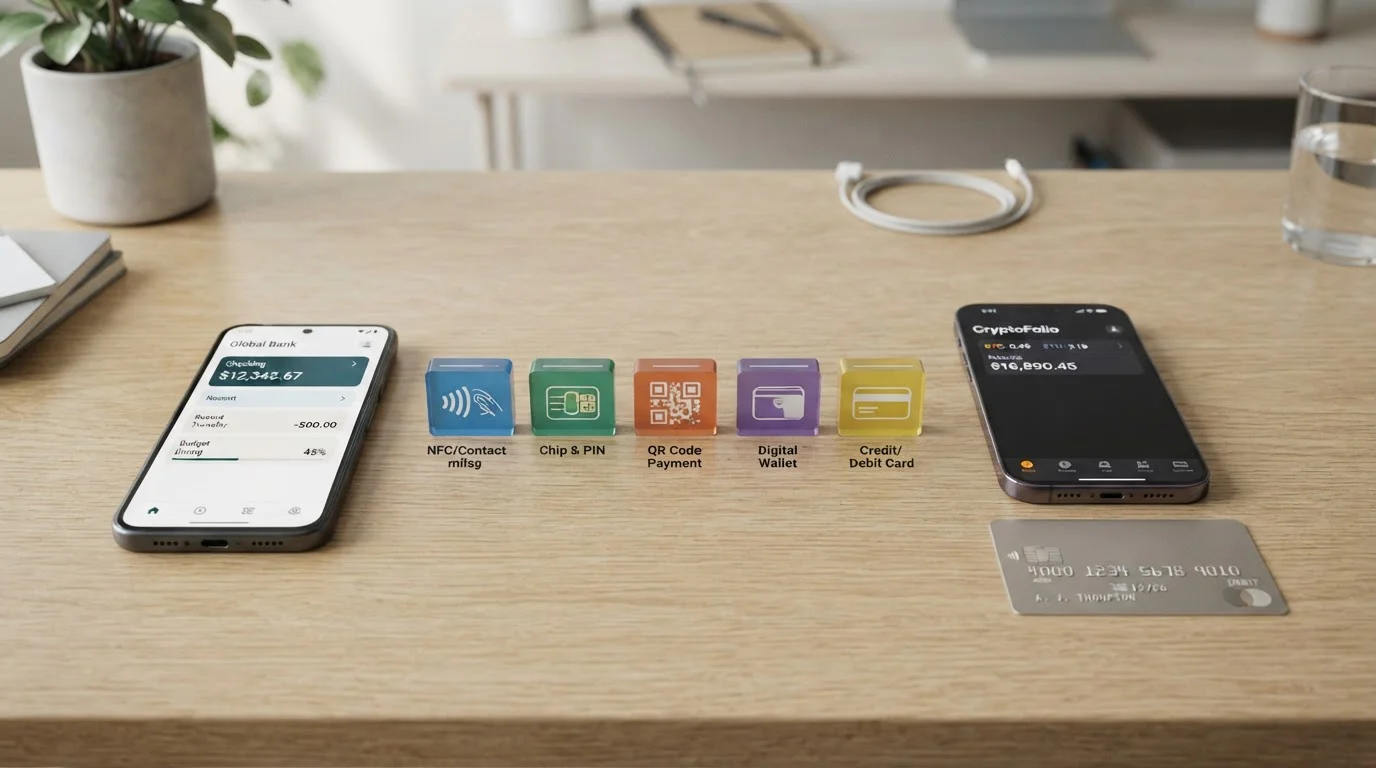
The payment method determines which path you can take. UKGC Pay N Play runs exclusively on Trustly — without it, instant bank verification doesn’t work. Offshore no-KYC leans on crypto for true deferred verification, with e-wallets as a middle ground that sometimes delays KYC and sometimes triggers it immediately. Cards and PayPal don’t enable no-registration play at all, for different reasons on each side of the UKGC/offshore divide.
Trustly — Open Banking API and Instant Bank Verification
Trustly is a Swedish payment institution authorised by the UK Financial Conduct Authority under the Payment Services Regulations 2017 (FRN 1005703). It operates as an open banking provider, meaning it accesses consumer bank accounts via APIs mandated by PSD2 regulations (implemented in the UK pre-Brexit, retained post-Brexit through domestic open banking frameworks). The core function is Pay by Bank — the user authenticates directly with their bank, Trustly routes the payment, and no card or e-wallet intermediary touches the transaction.
For Pay N Play, Trustly’s API retrieves additional data during that authentication: the customer’s verified identity (name, date of birth, residential address) that the bank holds in its own KYC records. Banks are required under UK anti-money laundering law to verify customer identity when opening an account, so the data Trustly retrieves is already KYC-compliant. Trustly passes that data to the casino in real time, the casino cross-references it against sanctions lists and performs a GamStop check, and the account is created automatically if nothing flags. The player never fills out a form because the bank provided the data the form would have collected.
Trustly works with most UK high-street and digital banks: Barclays, HSBC, Lloyds, NatWest, Santander, TSB, Nationwide, Monzo, Starling, Revolut, and others. Some smaller building societies and challenger banks aren’t integrated, meaning Trustly Pay N Play isn’t universally accessible — if your bank isn’t in the dropdown, you can’t use the service. Trustly doesn’t support prepaid cards, credit cards (banned for online gambling in the UK since 2020 anyway), or non-bank payment methods.
Deposit flow: player clicks «Deposit,» selects Trustly, chooses deposit amount, picks their bank from the list, gets redirected to the bank’s login page, authenticates (username/password or biometric via Trustly ID app), authorises the payment. Trustly’s API retrieves identity data with the player’s consent (explicitly stated during authentication), passes it to the casino, casino creates account and credits deposit. Timing: 60–120 seconds from first click to lobby access.
Withdrawal flow: player requests cashout, selects Trustly, confirms amount. Trustly pushes the funds back to the verified bank account (the one used for deposit). No option to withdraw to a different account — the KYC is tied to the deposit bank, and payouts only go there. Timing: 24–72 hours for the funds to reach the bank account, faster than traditional bank transfers (3–5 days) but slower than offshore crypto (10 minutes–2 hours).
Trustly charges transaction fees to the casino, not the player. The casino absorbs the cost (higher than card processing fees, lower than some e-wallet APIs) as the price of offering Pay N Play. Players see no fee deduction on deposits or withdrawals, though the casino may pass the cost through indirectly via tighter game RTPs or reduced bonus generosity — that’s speculative, not documented.
Trustly doesn’t work for offshore casinos. The bank identity retrieval that powers Pay N Play satisfies UKGC Licence Condition 3.4.1, which only applies to UK-licensed operators. Offshore casinos operating outside UKGC jurisdiction have no legal need for that instant verification, and integrating Trustly’s API just to process payments (without the identity component) costs more than cheaper alternatives like crypto or e-wallet processors. A few offshore sites accept Trustly for deposits but don’t use the Pay N Play flow — the player logs into their bank to send the payment, but no identity data passes to the casino, and traditional KYC applies at withdrawal. That’s rare; offshore operators prefer payment methods their target demographic already uses, and UK players seeking offshore casinos are disproportionately crypto or e-wallet users.
Cryptocurrency — Bitcoin, Ethereum, Wallet-Based Identity
Crypto enables offshore no-KYC at the technical level. A blockchain wallet address is pseudonymous — it identifies a string of characters, not a human. The casino receives a deposit from wallet address 1A1zP1eP5QGefi2DMPTfTL5SLmv7DivfNa (Bitcoin’s genesis block address, famously), credits the balance to the casino account linked to that address, and knows nothing about who controls the wallet. No name, no email required for the transaction itself, no bank account link. That pseudonymity is what «no KYC» marketing leverages.
In practice, most players acquire crypto through KYC-gated exchanges. Coinbase, Binance, Kraken, and other major platforms require identity verification at signup or first withdrawal. You upload a passport, take a selfie, connect a bank account, and the exchange links your crypto holdings to your identity in their internal systems and regulatory filings. When you send Bitcoin from Coinbase to a casino, Coinbase knows where it went (blockchain transactions are public), and the casino knows it came from Coinbase (by analysing the input wallet address). The casino doesn’t know your name from the transaction alone, but if it wanted to, it could identify you by requesting KYC, matching your withdrawal destination bank account, and cross-referencing the timeline.
True anonymity requires buying crypto outside the KYC system: peer-to-peer trades on platforms like LocalBitcoins (individual buyers and sellers meet, exchange cash or bank transfers for crypto, no central KYC), Bitcoin ATMs (many now require phone verification or ID scans, but some older machines don’t), mining Bitcoin yourself (computationally expensive and impractical for most), or receiving crypto as payment for goods or services. That crypto goes into a non-custodial wallet (one where you control the private keys, not an exchange) that has never touched a KYC’d exchange. You send from that wallet to the casino, play, withdraw to the same wallet, and the identity link remains severed as long as the casino doesn’t trigger KYC and you never cash out to fiat through a regulated exchange.
Most UK players don’t operate at that anonymity level. They buy crypto on Coinbase, send it to the casino, play, and withdraw back to the same wallet. If they stay under the casino’s KYC threshold (£2,000–£5,000 depending on operator), the casino never asks for ID and the payout clears. That’s deferred KYC, not anonymous KYC. The moment the player crosses the threshold or flags an AML check, documents are requested.
Bitcoin is the most widely accepted crypto at offshore casinos. Transaction confirmation takes 10–60 minutes depending on network congestion and the transaction fee the sender paid (higher fee, faster confirmation). On-chain fees fluctuate with network demand — during low-congestion periods, sending Bitcoin costs under £1; during congestion spikes, fees can hit £10–£20. Casinos typically require 1–3 confirmations before crediting a Bitcoin deposit (10–30 minutes for one confirmation, 30–90 minutes for three).
Ethereum confirms faster (under 5 minutes on average) and most casinos credit it after 12–30 confirmations (again, under 5 minutes total). Gas fees vary — periods of high DeFi or NFT activity on Ethereum drive fees up, sometimes reaching £20–£50 per transaction. During calm periods, fees drop to £1–£5.
Litecoin, Tron, and stablecoins (USDT, USDC) offer faster confirmation and lower fees than Bitcoin or Ethereum. Litecoin confirms in 2.5 minutes, Tron in under a minute. Transaction fees stay under £1 consistently. Stablecoins (USDT and USDC, pegged to the US dollar at 1:1) remove price volatility — you deposit £1,000 in USDT, it’s worth £1,000 when you withdraw, no Bitcoin price swings to account for. USDT and USDC run on multiple blockchains (Ethereum, Tron, Binance Smart Chain), with Tron-based USDT being the cheapest and fastest to transact.
Withdrawal speed for crypto depends on whether you’re under the KYC threshold. Pre-KYC: most offshore casinos process crypto withdrawals within 10 minutes to 2 hours of the request. Post-KYC: if the withdrawal triggered document requests, the payout waits until verification completes (24–72 hours), then the crypto processes in the same 10-minute-to-2-hour window. Blockchain confirmation times add another 5–60 minutes depending on the crypto and fee paid.
Volatility risk is real if you hold Bitcoin or Ethereum during play. Deposit £1,000 in Bitcoin when BTC trades at £50,000, play through half your balance, pause for two days, and BTC drops to £45,000 — your remaining balance is now worth £450 instead of £500 even though you didn’t wager it. Withdraw Bitcoin after a win, and its GBP value keeps fluctuating until you sell it on an exchange. Players who treat crypto as a pure payment rail (buy, deposit, play, withdraw, sell within hours) minimise exposure, but they still catch price movement during deposit/withdrawal windows. Stablecoins (USDT, USDC) eliminate this risk by pegging to fiat.
E-Wallets (Skrill, Neteller) — When They Defer KYC and When They Don’t
E-wallets sit between Trustly and crypto in the no-registration spectrum. Skrill and Neteller are the dominant e-wallets in UK online gambling, both FCA-regulated under the Electronic Money Regulations 2011. Players load e-wallets via bank transfer, debit card, or crypto, then use the e-wallet balance to deposit at casinos without exposing their bank account details directly. The casino receives payment from Skrill or Neteller, not from the player’s bank, creating a layer of separation.
That separation theoretically enables offshore no-KYC deposits — the casino sees the e-wallet transaction but doesn’t automatically receive the player’s identity from Skrill/Neteller. In practice, both e-wallets impose their own KYC requirements that cascade into casino verification.
Skrill operates tiered verification: basic (unverified account, £2,500 annual transaction limit), verified (ID and proof of address uploaded, limits increase), and fully verified (enhanced due diligence for high-volume users). When you deposit at an offshore casino using Skrill, the casino doesn’t immediately receive your identity from Skrill. But if you try to withdraw back to Skrill and your Skrill account isn’t verified, Skrill blocks the incoming payout until you verify your Skrill account by uploading documents to Skrill directly. That triggers a two-layer KYC bottleneck: verify with Skrill (passport, utility bill, review takes 24–48 hours), then the casino’s withdrawal processes. If your Skrill account is already verified, offshore casinos often don’t request additional KYC until you hit their internal threshold (£1,000–£2,000 cumulative withdrawals).
Neteller works similarly: unverified accounts face transaction limits, verified accounts lift those limits. Casinos accepting Neteller may rely on Neteller’s verification status as a proxy for player KYC, deferring their own document requests until withdrawal thresholds are crossed. But Neteller’s compliance requirements tightened in 2026 following FCA scrutiny, and some offshore casinos now request their own KYC even when the player’s Neteller account is verified, treating the e-wallet as insufficient due diligence under their Curaçao or MGA licence obligations.
E-wallets don’t enable instant verification the way Trustly does, and they don’t offer the pseudonymity crypto provides. They defer KYC in some scenarios (small-balance players with verified e-wallet accounts at low-threshold offshore casinos), but increasingly they just add a second KYC layer rather than eliminating the first. Deposit speed is instant, withdrawal speed to the e-wallet is 24–48 hours post-casino approval (faster than bank transfers, slower than crypto), and then moving funds from the e-wallet back to your bank account takes another 1–3 days.
UKGC casinos accept Skrill and Neteller but don’t treat them as no-registration enablers — you still need to complete the casino’s KYC (document upload or Trustly Pay N Play) before accessing the lobby, regardless of whether your e-wallet is verified.
Why Credit Cards and PayPal Don’t Work for Offshore No-KYC
Credit cards have been banned for online gambling in the UK since April 2020 (Gambling Commission ban, citing problem gambling and debt accumulation risks). Debit cards remain legal at UKGC casinos and are widely accepted, but they require the player’s name and billing address to process, meaning no anonymity. Offshore casinos struggle to secure card acquiring banks in 2026 because most issuing banks (Visa, Mastercard) decline gambling transactions to unlicensed operators as high-risk. Some offshore sites still accept cards through niche processors, but the name-on-card links to the transaction, preventing true no-KYC play even if the casino defers document requests.
PayPal doesn’t partner with offshore gambling operators and limits its UK gambling integration to UKGC-licensed casinos. You can’t deposit at a Curaçao casino via PayPal; the transaction will decline. At UKGC casinos, PayPal requires account verification (bank account or card linked, identity confirmed by PayPal) before you can send funds, and the casino receives your verified PayPal identity, meaning no anonymity. PayPal deposits at SpinYoo or DAZN Bet don’t bypass KYC — they just offer a payment method alternative to Trustly, with the same identity verification outcome.
| Payment Method | UKGC Path | Offshore Path | KYC Timing | Speed | Anonymity Level |
|---|---|---|---|---|---|
| Trustly | Yes (Pay N Play) | No (rare, expensive for offshore operators) | Instant (bank API at deposit) | 24–72h withdrawal | Zero (bank knows you) |
| Crypto (Bitcoin, ETH, USDT) | No (not integrated with UKGC Pay N Play) | Yes (primary offshore method) | Deferred (triggered at withdrawal threshold) | 10min–2h pre-KYC crypto withdrawal | High if acquired without KYC, medium otherwise |
| E-wallets (Skrill, Neteller) | Accepted but don’t enable Pay N Play | Yes (secondary offshore method) | Deferred or two-layer (e-wallet verification + casino KYC) | 24–48h to e-wallet, then 1–3 days to bank | Low (e-wallet links to your identity) |
| Debit cards | Accepted at UKGC, standard KYC | Rare offshore (acquiring difficult for non-licensed operators) | Standard (at withdrawal, UKGC/offshore) | 3–5 days | Zero (name on card) |
| PayPal | Accepted at UKGC, standard KYC | Not available offshore | Standard (at withdrawal, UKGC) | 24–48h | Zero (PayPal account verified) |
Bonuses and Free Spins at No-Registration Casinos
Bonus structures diverge sharply between UKGC Pay N Play and offshore no-KYC, driven by the UKGC’s 10x maximum wagering cap introduced in 2026. That cap was part of the Gambling White Paper reforms aimed at reducing bonus-related harm — the logic being that 40x–60x wagering requirements (common in the 2010s) were predatory, often impossible to clear, and encouraged extended play sessions chasing unattainable withdrawal conditions.
UKGC Bonus Rules (10x Wagering Cap, Verification Before Activation)
Every bonus at a UKGC-licensed casino in 2026 carries a maximum 10x wagering requirement on the bonus amount. Deposit £100, claim a 100% match bonus (£100 bonus), and you must wager £1,000 (10x £100 bonus) before bonus winnings become withdrawable. The 10x applies only to the bonus, not the deposit — older structures sometimes required wagering on deposit plus bonus (£100 deposit + £100 bonus = £200 subject to wagering), which would have meant £2,000 at 10x. The current UKGC rule caps it at the bonus portion alone.
That 10x cap applies to all bonus types: welcome offers, reload bonuses, free spins winnings, cashback, and any promotional offer that carries a wagering requirement. Operators can offer lower (5x, 8x, no wagering), but anything above 10x breaches Licence Condition 5A and triggers enforcement action.
Verification before activation is mandatory under Licence Condition 3.4.1. You cannot claim a bonus, play free spins, or activate any promotional offer until the casino has verified your age and identity. At SpinYoo and DAZN Bet (UKGC Pay N Play), that verification happens instantly via Trustly’s bank API at deposit, so bonus activation is immediate. At traditional UKGC casinos without Pay N Play, you deposit, request a bonus, and the casino may allow you to start playing but will lock bonus funds (and any winnings from them) until you upload documents and verification completes. Some UKGC operators front-load verification at signup, requesting ID before you deposit, so bonuses activate on first deposit with no delay.
The rule kills no-deposit bonuses in practical terms. A «no-deposit bonus» — £10 free play credited at signup without requiring a deposit — sounds like instant access, but UKGC casinos can’t activate it until you verify identity. That means uploading a passport and proof of address before you see the £10, which defeats the «no registration» premise. Offshore casinos offer no-deposit bonuses with no upfront verification, but you’ll hit KYC when you try to withdraw winnings from that bonus.
SpinYoo’s welcome offer: 1 Yoo Spin per £1 deposited on first deposit (minimum £20 wagered on slots by 23:59 GMT), up to 100 spins. Spins land on Big Bass Bonanza (Pragmatic Play slot). Spins must be claimed by 23:59 GMT on the deposit day. Winnings from spins carry 10x wagering on the bonus amount (if 50 spins generate £25 in winnings, wager £250 to clear). Credited proportionally: deposit £50, get 50 spins; deposit £100, get 100 spins.
DAZN Bet’s welcome offer: Bet £10 Get £30 in free bets (sportsbook-focused). Deposit £10+, place a qualifying sports bet at minimum odds (evens/2.0), DAZN Bet credits £30 in free bet tokens within 24 hours. Free bets must be used within 7 days on sports markets, stake not returned on wins (only winnings withdrawable). No 10x wagering because free bets are stake-deducted at cashout, not bonus-balance structures. This offer doesn’t apply to casino play — if you deposit via Trustly Pay N Play and only play casino, the free bets don’t trigger.
UKGC bonuses are smaller and less frequent than offshore equivalents. A 100% match up to £100 is typical, occasionally reaching £200–£500 on high-value operator brands. Free spins packages cap around 50–100 spins. Reload bonuses (second deposit, third deposit) exist but are less generous than welcome offers. The trade-off is clearable wagering (10x is achievable for average players on high-RTP slots) and regulatory protection (if the casino voids your bonus winnings unfairly, you have UKGC enforcement and Ombudsman recourse).
Offshore Bonuses (100%-500% Matches, Higher Wagering, Sticky Terms)
Offshore welcome bonuses commonly offer 100%–200% deposit matches, with some operators reaching 300%–500% on first deposits. Crypto deposit bonuses occasionally hit 1000% (deposit 0.01 BTC, get 0.1 BTC bonus). The match percentages look generous until you read the wagering requirements: 30x–50x on the bonus amount is standard, some offers push 60x. Match that against UKGC’s 10x cap and the value proposition inverts — a 100% match with 10x wagering (£100 deposit, £100 bonus, £1,000 wagering) is often easier to clear than a 500% match with 40x wagering (£100 deposit, £500 bonus, £20,000 wagering).
Free spins at offshore casinos run 100–200 spins, sometimes 300 on high-value welcome packages. Winnings from free spins usually carry the same wagering requirement as cash bonuses (30x–50x) and are capped at a maximum withdrawal (£50–£100 common, regardless of how much you win from the spins). That cap means you can turn 200 free spins into £500 in winnings, clear the 40x wagering on that £500 (£20,000 wagered), and still only withdraw £100 because the free spins T&Cs cap winnings at that level.
Max bet rules during wagering are stricter offshore. UKGC caps are less aggressive (£5–£10 per spin during bonus play is common). Offshore T&Cs often cap at £5 or lower, and breaching the max bet — even once, even accidentally on a single spin — voids the entire bonus balance and any winnings from it. Players grinding through 40x wagering on slots often don’t notice the max bet rule until they request withdrawal and the casino voids everything.
Sticky bonuses are common offshore. The bonus amount is deducted at cashout, meaning you never withdraw the bonus itself, only winnings above it. Deposit £100, claim a £100 bonus (200 total balance), wager through the requirements, build your balance to £500, request withdrawal — the casino deducts the £100 bonus, and you receive £400. Non-sticky bonuses (less common offshore, more common at UKGC sites) let you withdraw the bonus amount if you clear wagering, so £500 balance minus zero deduction equals £500 payout. The distinction is buried in T&Cs under «sticky» or «non-withdrawable» bonus terminology.
Game contribution rates vary. Slots usually contribute 100% (every £1 wagered counts as £1 toward the requirement). Table games contribute 10%–20%, meaning blackjack or roulette bets count far less toward clearing the bonus. Live dealer games often contribute 0%–10% or are excluded entirely. Video poker, scratch cards, and jackpot slots may also contribute less than 100%. Players who prefer table games or live dealer find offshore bonuses nearly impossible to clear because the contribution rates funnel them into slots.
No-deposit bonuses (£5–£20 free on signup) are common offshore, credited instantly without document upload. Wagering on no-deposit bonuses runs 40x–60x, max withdrawal caps at £50–£100, and KYC is required before you can cash out. The marketing pitch is «instant play,» but the reality is you play with the no-deposit bonus, clear the wagering (if you can), request withdrawal, hit the KYC wall, submit documents, wait 24–72 hours, and then receive the capped payout if the operator approves. It’s not instant, it’s just deferred.
Slots and Games You Can Play Without Registration
Game libraries at no-registration casinos don’t differ from traditional online casinos in selection or quality — the same providers (Pragmatic Play, NetEnt, Evolution, Play’n GO) supply slots and live dealer tables to UKGC and offshore operators alike. The distinction is access speed, not content.
Instant-Access Slot Libraries (NetEnt, Pragmatic Play, Big Time Gaming)
UKGC Pay N Play sites (SpinYoo, DAZN Bet) offer full slot catalogues immediately after Trustly verification at deposit. SpinYoo’s 3,500+ games pull from major providers: Pragmatic Play’s Drop & Wins daily jackpot network, NetEnt’s branded slots (Guns N’ Roses, Jumanji, Vikings), Big Time Gaming’s Megaways catalogue (Bonanza, Extra Chilli, White Rabbit), Relax Gaming, Play’n GO, Yggdrasil, Red Tiger. High-volatility slots dominate the offering, weighted toward UK player preferences for big-hit potential over steady small wins. Popular UK titles include Book of Dead (Play’n GO), Big Bass Bonanza (Pragmatic Play), Starburst (NetEnt), Gonzo’s Quest (NetEnt), and Reactoonz (Play’n GO).
Offshore casinos offer similar or larger libraries — 2,000–5,000 slots depending on the operator’s aggregator contracts. Provider rosters overlap heavily with UKGC sites (Pragmatic Play, NetEnt, Microgaming, Yggdrasil), though some offshore operators include providers that withdrew from UKGC-regulated markets (Novomatic, Merkur) or smaller studios that only license to Curaçao operators. Exclusive or early-release slots occasionally appear offshore before reaching UKGC casinos due to licensing timelines, but the gap is days or weeks, not months.
Feature access differs. UKGC-licensed slots can’t offer buy-bonus mechanics (paying to trigger free spins instantly) or autoplay (spins running continuously without manual clicks), both banned in October 2021. Offshore slots include both features. Spin speed at UKGC sites is capped at 2.5 seconds minimum per spin; offshore sites allow turbo modes under one second per spin. Those features appeal to a segment of players, but they’re not universal preferences — many players avoid buy-bonus due to cost and find autoplay encourages detached play.
RTP (return to player) percentages are set by the game provider, not the casino, and don’t vary between UKGC and offshore for the same slot title. Book of Dead runs 96.21% RTP whether you play it at SpinYoo or a Curaçao casino. Some slots offer configurable RTP (the provider supplies multiple RTP versions — 96%, 94%, 92% — and the casino picks one), but reputable operators choose the highest RTP to remain competitive. Shady offshore operators might select lower RTP versions, but players can’t verify which RTP version is running without contacting support or checking the game’s paytable info screen.
Live Dealer Tables Without Upfront Registration
Live dealer gaming at no-registration casinos works identically to traditional casinos once you’re in the lobby. Evolution Gaming dominates the live dealer market for both UKGC and offshore operators, providing roulette, blackjack, baccarat, game shows (Crazy Time, Monopoly Live, Deal or No Deal), and poker variants streamed from studios in Malta, Latvia, Romania, and other jurisdictions. Tables are shared across operators — the same Evolution roulette table may serve players from 20 different casinos simultaneously, with the studio feed branded per operator.
UKGC Pay N Play grants instant live dealer access post-Trustly verification. Offshore casinos grant instant access post-deposit with no verification until withdrawal. The gameplay experience is identical: live video stream, real dealers, real-time betting, chat with other players (moderated by the studio, not the casino). Bet limits vary by table — low-stakes tables start at £0.10–£1 per hand, high-roller tables reach £10,000+ per hand. UKGC sites don’t cap live dealer stakes the way they cap slots (£5 per spin), so high-rollers face no regulatory limits on table game betting until affordability checks trigger at cumulative deposit thresholds.
Offshore live dealer access is no faster than UKGC Pay N Play in practice — both paths open the lobby in under two minutes from first click. The difference is what happens at withdrawal: UKGC verifies you upfront via Trustly, offshore defers KYC until you cash out.
Demo Play — Can You Try Games Before Depositing?
Demo mode availability depends on the operator and the game provider’s licensing terms. Most modern slots from major providers (Pragmatic Play, NetEnt, Play’n GO) offer demo versions that players can launch without an account. UKGC-licensed casinos often restrict demo play behind age verification — you can browse slots, but clicking «Play for Fun» triggers an age-check gate (enter your date of birth, or verify via Trustly). Some UKGC operators allow unrestricted demo play for marketing purposes (let players try before they commit), while others lock it behind signup to ensure compliance with Licence Condition 3.4.1’s age-verification mandate.
Offshore casinos more commonly offer unrestricted demo play — click a slot, play with virtual credits, no account or age verification required. This benefits players who want to test gameplay, volatility, and features before depositing. Once you’ve played demo mode and decide to deposit, you switch to real-money mode by creating an account (instant, email/password only) and funding it.
Live dealer tables don’t offer demo mode. The cost of running live studio streams with real dealers, cameras, and chat moderation means providers and casinos can’t offer free play. You must deposit and wager real money to access live dealer games.
Withdrawal Speed — How Fast Can You Actually Cash Out?
«Instant withdrawals» dominate offshore casino marketing in 2026, but the term collapses three separate timelines: operator approval (internal review of the withdrawal request), payment processing (moving funds from the casino’s account to yours), and KYC delays (document review if verification is triggered). Offshore crypto withdrawals are genuinely fast for players under KYC thresholds. UKGC Trustly payouts are faster than traditional card/bank methods but slower than crypto. Both paths slow dramatically once KYC enters the picture.
UKGC Trustly Payouts (24-72 Hours to Bank Account)
SpinYoo and DAZN Bet process Trustly withdrawals within 24–72 hours from request to bank account credit. DAZN Bet clocked 48 hours and 2 minutes in October 2026 independent testing (topendsports.com, £50 test withdrawal), the fastest verified payout among UKGC-licensed casinos in that test cycle. SpinYoo averages 48–72 hours per user reports, though the operator doesn’t publish an official timeline.
That 24–72-hour window includes operator approval (internal fraud checks, gameplay review, balance verification — usually automated, processed within hours) and Trustly’s bank transfer processing (pushing funds from the casino’s account to the player’s verified bank account). Because identity was verified via Trustly’s bank API at deposit, there’s no KYC delay unless the casino flags something suspicious (large win relative to deposits, irregular gameplay pattern, AML concern). Flags are rare for typical players but possible, triggering a manual review that extends the timeline by 24–48 hours or requests additional documentation even though Trustly verified identity initially.
Traditional UKGC casino withdrawals (card, bank transfer) without Pay N Play run 3–5 days on average. Faster operators clear card withdrawals in 2–3 days, slower operators stretch to 5–7 days. Pay N Play’s 24–72-hour window beats that standard, making it the fastest UKGC-compliant withdrawal method available in 2026 outside of e-wallets (which also run 24–48 hours but require you to move funds from the e-wallet to your bank afterward, adding 1–3 days).
Offshore Crypto Withdrawals (10 Minutes to 2 Hours, Unverified)
Offshore casinos processing crypto withdrawals for unverified accounts (players under the KYC threshold, no red flags) clear payouts in 10 minutes to 2 hours from request to blockchain confirmation. That speed assumes the operator’s payment ops team is online and the withdrawal doesn’t hit manual review queues. Some operators automate crypto withdrawals under certain thresholds (e.g., withdrawals under £1,000 process instantly if the account has no flags), while others batch-review all withdrawals once or twice daily, creating delays even for small amounts.
Blockchain confirmation times add 5–60 minutes after the casino releases the payment. Bitcoin takes 10–60 minutes for one confirmation (enough for most players to consider the funds received), Ethereum under 5 minutes, Litecoin 2–3 minutes, Tron under one minute, stablecoins (USDT, USDC) on Tron under one minute. The total timeline from clicking «Withdraw» to seeing funds in your external wallet ranges from 15 minutes (Tron USDT, instant operator approval) to 3 hours (Bitcoin during network congestion, batched operator review).
That speed advantage over UKGC Trustly (10 minutes–2 hours vs 24–72 hours) is the strongest practical benefit offshore casinos offer in 2026. If you need funds quickly and you’re under the KYC threshold, offshore crypto delivers. The moment you cross that threshold or trigger KYC for any other reason, the advantage evaporates.
What Slows Down Your Withdrawal (KYC Triggers, Payment Processor Delays)
KYC triggers are the primary delay at offshore casinos. Cross the cumulative withdrawal threshold (£500–£2,000 depending on operator), request a large single payout (over £5,000), switch payment methods (deposit crypto, withdraw fiat), or get flagged for bonus abuse, and the casino emails a document request. You submit passport/driving licence, proof of address, selfie holding ID. The review timeline is 24–72 hours if documents are accepted on first submission. Rejections extend it: blurry photo, expired ID, name mismatch, address not recent enough, or the casino’s compliance team is backlogged. Resubmit, wait another 24–72 hours. Some operators batch-review documents once daily during business hours in Curaçao or Malta time zones, meaning a submission at 8 PM UK time doesn’t get reviewed until the next afternoon.
Once KYC clears, the withdrawal processes. Crypto payouts still take 10 minutes–2 hours after approval. Fiat payouts (bank transfer, e-wallet) take 24–48 hours after approval. The total timeline from withdrawal request to funds in your account becomes 48–120 hours (2–5 days) once KYC is involved, erasing the speed advantage offshore held for unverified accounts.
Payment processor delays occur when the casino’s payment provider (the third party handling crypto or fiat transactions) encounters issues. Crypto delays happen when the casino’s hot wallet (the wallet holding funds for instant withdrawals) runs low and needs manual refilling from cold storage (the offline wallet holding the bulk of the casino’s crypto reserves). That refill process takes hours or a full day, blocking all crypto withdrawals until the hot wallet is topped up. Players see their withdrawal requests stuck in «Processing» status with no explanation, sometimes for 12–24 hours, until the wallet refill completes.
Fiat delays occur when the casino’s bank account or payment processor faces regulatory scrutiny, account freezes, or operational issues. Offshore operators juggle multiple bank accounts and payment processors because acquiring banks for non-licensed gambling transactions is difficult and accounts get closed frequently. If one processor goes offline, the casino reroutes withdrawals to a backup processor, but that rerouting can delay payouts by days. Players requesting bank transfers may see their withdrawals cancelled and be told to choose a different method (e-wallet, crypto) because the casino’s bank account for that currency or region was suspended.
Weekends and holidays slow manual review queues. Automated systems (gameplay checks, balance verification, low-value crypto withdrawals) run 24/7, but human reviewers (KYC document approval, high-value withdrawal authorisation, fraud investigations) work business hours. A withdrawal requested Friday evening may not get reviewed until Monday morning, adding 2–3 days to the timeline through no fault of the payment method.
Can you withdraw winnings immediately from a no-registration casino?
UKGC Pay N Play withdrawals via Trustly take 24–72 hours to reach your bank account, verified at deposit so no KYC delay unless the casino flags something suspicious. Offshore crypto withdrawals process in 10 minutes to 2 hours if you’re under the KYC threshold (typically £500–£2,000 cumulative withdrawals) and unverified. Once you cross that threshold, offshore casinos trigger document requests, adding 24–72 hours for KYC review before the withdrawal processes. Fiat withdrawals from offshore (bank transfer, e-wallet) always take 24–72 hours post-approval and usually trigger KYC regardless of amount. «Immediate» offshore withdrawals exist only for low-balance crypto cashouts from unverified accounts.

Why 2026 Saw a Surge in «No Registration» Searches
Google Trends data for «no registration casino UK» shows a sustained increase from late 2025 through 2026, correlating with the implementation timeline of the UK Gambling White Paper’s affordability check and bonus wagering reforms. The surge isn’t driven by new technology (Trustly Pay N Play existed since 2015, crypto casinos since 2013) or sudden consumer preference shifts. It’s a direct response to regulatory tightening at UKGC-licensed sites that increased onboarding friction and reduced promotional generosity.
UKGC White Paper Reforms (Affordability Checks, 10x Bonus Cap, Stake Limits)
The 2025 Gambling White Paper introduced affordability checks that triggered at deposit thresholds varying by operator risk assessment, commonly set at £1,000 per month or £2,000 per month depending on the licensee’s compliance approach. When a player crosses that threshold, the UKGC operator requests bank statements, payslips, tax returns, or other income verification to prove the gambling spend is affordable relative to the player’s financial situation. If the player can’t or won’t provide documentation, deposits are blocked until they do.
Enhanced due diligence kicks in at higher thresholds (£5,000–£10,000 cumulative deposits over three months), requiring source-of-funds verification (where did the deposit money come from, is it linked to employment income or savings or inherited wealth) and full financial reviews. High-income players who can easily afford £10,000 monthly gambling spend found the process intrusive and time-consuming. Recreational players who occasionally deposit £1,500 in a month were surprised to hit the affordability check and declined to submit bank statements for privacy reasons.
Offshore casinos don’t impose affordability checks. You can deposit £10,000, £50,000, or more without proving income or assets. That lack of friction drove UKGC players toward offshore alternatives in 2026, particularly high-stakes players and those uncomfortable sharing financial documentation with gambling operators.
The 10x bonus wagering cap, introduced in 2026 alongside affordability checks, cut bonus attractiveness at UKGC sites. Welcome offers shrank from 100% match bonuses with 35x–40x wagering (common in 2023–2024) to 100% match bonuses with 10x wagering. While 10x is more achievable, the perceived «value» fell because players accustomed to larger bonus amounts (even with higher wagering) saw UKGC offers as stingy compared to offshore 200%–500% matches. Offshore marketing exploited that perception, positioning offshore bonuses as «real» offers against UKGC’s «nerfed» promotions.
£5 maximum stake per slot spin (Licence Condition 5A.3, effective April 2021 but enforced more strictly from 2025 onward) limited high-rollers who wanted to bet £10, £20, or £50 per spin. Offshore slots carry no stake cap. Combined with affordability checks at deposit thresholds, high-stakes players faced a double squeeze: capped betting, income verification required to deposit enough to play at even the £5 cap sustainably. Offshore offered uncapped stakes and no affordability interrogation.
Remote Gaming Duty Rise (21% to 40%, Impact on Bonuses and Odds)
UK Remote Gaming Duty increased from 21% to 40% of gross gaming revenue effective 1 April 2026, announced in the Autumn 2025 Budget. The duty is paid by operators on revenue (player losses minus player wins), not by players, but the Office for Budget Responsibility’s impact assessment projected that 60%–80% of the duty rise would pass through to consumers via reduced bonus offers, tightened game RTPs where operators have control (less common, as RTPs are usually set by game providers), and worse sportsbook odds.
UKGC operators responded by cutting bonus frequency, shrinking match percentages, and tightening eligibility criteria. Welcome offers became less generous, reload bonuses less frequent, and VIP cashback programmes less lucrative. The duty rise hit operators already squeezed by affordability check compliance costs (hiring more compliance staff, building financial verification systems, dealing with customer complaints about intrusive documentation requests), creating a compounding cost pressure that further reduced promotional spend.
Offshore operators don’t pay UK Remote Gaming Duty. They operate under Curaçao, Malta, or other jurisdictions with lower tax burdens (Curaçao licence fees are flat annual payments, not revenue-based taxes like UK RGD). That cost advantage lets offshore casinos sustain higher bonus offers without the margin compression UKGC operators face. Players comparing a UKGC 100% match up to £100 with 10x wagering against an offshore 300% match up to £300 with 35x wagering saw the offshore offer as three times larger, even though the 35x wagering makes it harder to clear.
GamStop and the Offshore Migration
GamStop self-exclusions in the UK surpassed 500,000 registrations by mid-2026, driven by awareness campaigns, problem gambling interventions, and the scheme’s mandatory integration into all UKGC-licensed operators since April 2020. The exclusion periods (6 months, 1 year, 5 years, or indefinite) don’t expire automatically — players must contact GamStop to request removal once the term ends, followed by a 24-hour cooling-off period before UKGC sites can accept them again.
Some self-excluded players regretted the decision mid-term (personal circumstances changed, they felt they’d overreacted, or they wanted to gamble recreationally again but couldn’t shorten the exclusion). GamStop’s irrevocability during the term drove a subset of excluded players toward offshore casinos, which don’t integrate with GamStop and remain accessible during UK exclusions. Affiliate sites marketing «casinos not on GamStop» saw traffic spikes in 2026, targeting this demographic explicitly.
The regulatory intent behind GamStop’s irrevocability is harm reduction — preventing impulsive reversal of self-exclusion during moments of weakness. The unintended consequence is that players determined to gamble during exclusion have an unregulated offshore path available, where they lose GamStop’s cross-platform block, UKGC’s responsible gambling tools, and consumer protection enforcement.
How to Choose: Decision Framework for UK Players
Choosing between UKGC Pay N Play and offshore no-KYC depends on what you value and what you’re willing to trade. If regulatory protection, legal recourse, and GamStop integration matter, UKGC is non-negotiable. If speed, higher stakes, and bonus volume matter more than consumer protection, offshore is the path. If you’re on GamStop and determined to play, offshore is the only access point, though it undermines the self-exclusion you chose.
When UKGC Pay N Play Makes Sense (You Want Legal Protection and Don’t Mind Trustly Requirement)
You prioritise legal protection. UKGC licensing means segregated player funds, Financial Ombudsman escalation for disputes, GamStop integration, responsible gambling tools enforced by regulation, and the ability to sue in UK courts if the operator breaches terms egregiously. If an offshore casino refuses to pay you, your recourse is limited to the foreign licensing authority’s opaque complaint process. If a UKGC casino refuses to pay you, you have the Ombudsman, the Commission, and UK courts.
You trust banks more than crypto. Trustly Pay N Play requires a UK bank account with online banking enabled. If you’re uncomfortable managing crypto wallets, understanding blockchain confirmations, or handling price volatility, Trustly is simpler. Deposits and withdrawals tie to your verified bank account, and the casino can’t suddenly request documents because you were verified upfront.
You’re a recreational player depositing under affordability thresholds. If you deposit £200–£500 monthly, you won’t hit UKGC affordability checks (commonly set at £1,000–£2,000/month), and UKGC sites work smoothly. The 10x bonus wagering cap is achievable, the £5 slot stake cap doesn’t constrain you, and Trustly’s 24–72-hour withdrawal window is acceptable for non-urgent cashouts.
You value responsible gambling tools and want GamStop to work. If you’ve self-excluded via GamStop, UKGC sites enforce that exclusion. If you set deposit limits, UKGC operators honour them. If you want reality checks, session time limits, or cooling-off periods, UKGC sites provide those tools prominently. Offshore tools are inconsistent and unenforced.
When Offshore Makes Sense (You’re on GamStop, Want Crypto, or Need Higher Stakes)
You’re excluded via GamStop and determined to play. Offshore casinos don’t integrate with GamStop, meaning UK self-exclusions don’t block you. This is the primary driver for a large segment of offshore traffic in 2026. The access bypasses the self-exclusion you chose, which is either a feature (you regret excluding yourself and want to play again before the term ends) or a vulnerability (you excluded yourself to prevent gambling harm, and offshore access undermines that protection).
You prefer crypto and want fast withdrawals. If you hold Bitcoin, Ethereum, or USDT and want to deposit/withdraw in crypto without converting to fiat through a UK bank, offshore casinos are the only option. UKGC sites don’t integrate crypto with Pay N Play, and traditional UKGC casinos rarely accept crypto at all. Offshore crypto withdrawals clear in 10 minutes–2 hours pre-KYC, beating UKGC Trustly’s 24–72 hours.
You’re a high-stakes player who hits affordability checks. If you deposit £5,000–£10,000 monthly, UKGC affordability checks will trigger, requiring income verification, bank statements, and source-of-funds documentation. High-income players who can afford that spend but don’t want to share financial records with gambling operators move offshore, where no affordability checks exist. You can deposit unlimited amounts without proving income.
You want higher stakes or buy-bonus slots. UKGC’s £5 slot stake cap and buy-bonus ban (plus autoplay ban, spin speed cap) restrict gameplay features some players prefer. Offshore slots allow £10, £50, £100+ per spin, buy-bonus mechanics, autoplay, and turbo spin. If those features are non-negotiable, offshore is where they exist.
You chase welcome bonuses across multiple sites. Offshore welcome offers (200%–500% matches, 100–200 free spins, 30x–50x wagering) are larger than UKGC equivalents (100% matches, 50–100 spins, 10x wagering). If you’re a bonus hunter who opens accounts at multiple casinos to claim promotions, offshore offers more volume. The trade-off is higher wagering requirements that are harder to clear.
Red Flags to Avoid (Unlicensed Sites, Fake Seals, Impossible Promises)
No licence at all. Check the casino footer for a licence seal. Click it to verify it links to the regulator’s public register (Curaçao Gaming Control Board, Malta Gaming Authority, UKGC). If there’s no seal, or the seal is an image that doesn’t link anywhere, or the link goes to a dead page, the casino is unlicensed. Unlicensed casinos have no regulatory oversight, no complaint mechanism, no enforced standards. Deposits may vanish, withdrawals may never process, and you have zero recourse.
Fake licence seals. Some rogue casinos display fake Curaçao or MGA seals that link to fabricated «verification» pages designed to look like official regulator sites. Cross-check the casino’s licence number on the actual regulator’s public register (gcb.cw for Curaçao, mga.org.mt for Malta, gamblingcommission.gov.uk for UKGC). If the number doesn’t appear in the register, the seal is fake.
Impossible promises. «No KYC ever, guaranteed,» «Instant withdrawals with no verification,» «Lifetime anonymous play» — these claims are false. Even offshore casinos reserve the right to KYC in their terms, and most trigger it at withdrawal thresholds or AML flags. If a casino promises you’ll never be asked for ID, read the terms and conditions. The promise won’t survive contact with the T&Cs, which always include a verification clause.
Unreachable support. Before depositing, test customer support. Open live chat or send an email with a simple question (e.g., «What’s your withdrawal processing time?»). If support doesn’t respond within 24 hours, or live chat is perpetually offline, or the email bounces, avoid the casino. Support responsiveness at signup predicts support quality during disputes.
Poor review consensus. Check Trustpilot, AskGamblers, CasinoMeister, or LCB (LatestCasinoBonuses) for player reviews. One or two bad reviews are normal (disgruntled players who lost), but if the casino has dozens of unresolved complaints about withheld withdrawals, voided winnings, or unresponsive support, avoid it. Look for patterns: if many players report KYC requests followed by account closures and confiscated balances, the casino is predatory.
| Player Priority | UKGC Path Fit | Offshore Path Fit | Key Consideration |
|---|---|---|---|
| Legal protection, dispute recourse | Strong (Financial Ombudsman, UKGC enforcement, UK courts) | Weak (foreign licensing authority, slow/unreliable dispute process) | UKGC offers binding consumer protection; offshore offers minimal recourse |
| Fast withdrawals | Moderate (24–72h Trustly) | Strong (10min–2h crypto pre-KYC) | Offshore crypto wins for speed if you’re under KYC threshold |
| High stakes (>£5/spin slots) | Weak (£5 slot cap, affordability checks limit deposits) | Strong (no stake cap, no affordability checks) | Offshore only path for high-roller slot play in UK |
| Large bonuses | Weak (100% match typical, 10x wagering cap) | Strong (200%–500% match common, 30x–50x wagering) | Offshore bonuses bigger but harder to clear; value depends on clearing ability |
| Regulatory compliance and GamStop | Strong (mandatory GamStop integration, responsible gambling tools) | N/A (no GamStop integration, inconsistent tools) | UKGC enforces self-exclusion; offshore bypasses it |
| Crypto preference | N/A (Trustly is fiat/bank-only, crypto not integrated) | Strong (crypto primary deposit/withdrawal method) | Offshore only option for crypto-native players |
| Recreational <£1,000/month | Strong (no affordability friction, clearable bonuses, legal safety) | Moderate (faster speed but unnecessary risk trade-off) | UKGC sufficient; offshore speed advantage marginal for low-stakes play |
| On GamStop, seeking access | N/A (GamStop blocks all UKGC sites) | Default (only access point during exclusion period) | Offshore access undermines your self-exclusion; consider whether that serves your interest |

Responsible Gambling — Self-Exclusion and Safer Play Tools
No-registration casinos operate under the same tension responsible gambling policy faces across the industry: the features that reduce friction for recreational players also reduce barriers for problem gamblers. Instant access means faster deposits, faster play, and faster losses for players who lack impulse control. The regulatory divergence between UKGC and offshore paths creates asymmetric protections.
GamStop — How the UK Self-Exclusion Scheme Works
GamStop is a free national self-exclusion scheme, mandatory for all UKGC-licensed operators since April 2020. Players register at gamstop.co.uk, providing name, address, date of birth, and email. GamStop shares that data with every UK-licensed casino, sportsbook, bingo site, and lottery operator within 24 hours. Each operator blocks the player’s existing accounts, prevents new account creation, and removes the player from marketing lists.
Exclusion periods are 6 months, 1 year, 5 years, or indefinite. Once registered, the exclusion cannot be reversed or shortened until the term expires. When the term ends, GamStop doesn’t automatically lift the block — the player must contact GamStop by phone, verify their identity, and request removal. After removal, there’s a 24-hour cooling-off period before UKGC operators can accept the player again. If the player takes no action after the term expires, the exclusion automatically extends for an additional 7 years.
The scheme is effective within its jurisdiction: once you’re on GamStop, UKGC sites won’t let you deposit, play, or claim bonuses. The limitation is jurisdictional — GamStop has no reach outside UK-licensed operators. Offshore casinos in Curaçao, Malta, Anjouan, or elsewhere don’t integrate with GamStop, can’t access its database, and won’t block you. Your UK self-exclusion is invisible to them.
Why Offshore Casinos Bypass GamStop (And What That Means for Recovery)
Offshore operators have no legal obligation to integrate with GamStop because they don’t hold UKGC licences. GamStop is a UK regulatory scheme, and operators licensed in Curaçao or Malta aren’t bound by UK licensing conditions. From a technical standpoint, offshore sites don’t have access to GamStop’s database even if they wanted to check it — the database is shared only with UKGC licensees.
For players in recovery who self-excluded via GamStop to control problem gambling, offshore access is a bypass that undermines the protective barrier they erected. Affiliates marketing «casinos not on GamStop» explicitly target self-excluded players, framing offshore access as a benefit rather than a harm-reduction failure. Some players use offshore casinos deliberately to circumvent GamStop (they regret the exclusion, their circumstances changed, or they feel the exclusion was an overreaction). Others stumble into offshore sites unknowingly, search «online casino UK,» land on affiliate content promoting offshore brands, and only realise later that they’ve bypassed their self-exclusion.
The recovery risk is that offshore casinos offer weaker responsible gambling tools than UKGC sites. Per-site self-exclusion exists (you can close your offshore account and request exclusion from that operator), but it doesn’t sync across platforms. If you exclude yourself from one Curaçao casino, 50 other Curaçao casinos remain accessible. Deposit limits are optional and poorly enforced. Reality checks and session time limits are rare. If you’re using GamStop because you need external controls to manage gambling behaviour, offshore’s lack of enforceable tools is dangerous.
Deposit Limits, Reality Checks, and Time-Outs Per Operator Type
UKGC operators must offer deposit limits at signup (mandatory prompt during account creation or first deposit under Licence Condition 3.5.3). Players set daily, weekly, or monthly deposit caps, and the system blocks deposits that would exceed the limit. The limit can be lowered instantly and increased after a 24-hour cooling-off period. Loss limits, session time limits, and reality checks (pop-ups reminding the player how long they’ve been playing) are also required and must be easily accessible in account settings.
Self-exclusion at UKGC sites is instant via account settings or customer support. Cooling-off periods (24 hours, 7 days, 30 days) let players temporarily block their account, after which it reopens automatically unless extended. Longer exclusions (6 months, 1 year, 5 years) are permanent until the player contacts support to lift them, with a 24-hour cooling-off period before reopening. All UKGC operators must link to BeGambleAware (begambleaware.org) and GamCare (gamcare.org.uk) prominently, offering pathways to counselling, support groups, and treatment referrals.
Offshore operators offer some of these tools inconsistently. Deposit limits exist at most reputable offshore casinos but aren’t mandatory — you have to navigate account settings, find the responsible gambling section, and activate limits manually. Many offshore sites don’t prompt you to set limits at signup. Once set, limits can usually be removed instantly by contacting support, with no cooling-off period, undermining their protective function.
Reality checks and session time limits are rare offshore. Some Curaçao operators offer them (a pop-up every 60 minutes of play reminding you how long you’ve been gambling), but many don’t. Autoplay (banned at UKGC sites) compounds the issue offshore — players can set slots to spin automatically for hundreds of rounds, detaching from conscious betting decisions, with no built-in brakes.
Self-exclusion offshore is per-operator. You can request account closure and ask the casino to exclude you permanently, but enforcement is voluntary. The casino may honour it, or they may reopen your account if you email support asking to reverse the exclusion. There’s no 24-hour cooling-off period, no GamStop-style cross-platform block, and no external regulator auditing whether the casino enforces exclusions properly. If you exclude yourself from one offshore casino, you can open an account at another offshore casino five minutes later. The lack of centralized exclusion means offshore isn’t a safe environment for players with impulse-control issues.
Support resources at offshore casinos are minimal. Some link to BeGambleAware or GamCare (borrowed legitimacy from UKGC sites, even though they’re not UKGC-licensed), but many don’t. Curaçao’s licensing conditions don’t prescribe responsible gambling standards the way UKGC’s do, so operators implement whatever tools they feel appropriate, often the bare minimum to avoid reputational damage.
If you’re gambling recreationally with full control over your behaviour, offshore’s weaker tools won’t harm you. If you’re in recovery, have a gambling problem history, or rely on external limits to control spending, UKGC’s enforced tools and GamStop integration are structurally safer. Offshore’s appeal (speed, bonuses, higher stakes) comes at the cost of those protections.
Casino Deposit Methods UK 2026 — Cards, E-Wallets & Bank
Content created by the «casinopay» team
