
Credit Card Casinos UK 2026: Where to Deposit with Visa and Mastercard After the Ban
 Available in US
The UK Gambling Commission banned credit cards at every licensed casino on 14 April 2020. That prohibition remains absolute in 2026—no exceptions, no carve-outs, no sunset clause. The regulator cited a clear link between borrowed money and gambling harm, and the data supported the move.
But the ban applies only to operators holding a UKGC license. Offshore casinos licensed under Curaçao, Malta, or other international jurisdictions never agreed to the rule, and they still process Visa and Mastercard deposits from UK players. That split creates a two-tier market: UKGC-licensed sites with robust consumer protections but no credit cards, and offshore operators with credit cards but none of the safeguards UK players take for granted.
This guide maps where UK players can still use credit cards in 2026, what the practical friction points are, and what you trade away when you step outside UKGC jurisdiction. Five offshore operators receive full breakdowns. The regulatory context is explained without spin. The fee structure is laid bare, including the cash-advance classification most UK issuers apply to gambling transactions.
Credit Card Casinos UK 2026: Top Sites That Still Accept Cards
Can you use a credit card at online casinos in the UK?
Yes, but only at offshore casinos licensed outside the UK. The UKGC banned credit card gambling at all UK-licensed operators on 14 April 2020, and that prohibition covers Visa, Mastercard, and American Express. UKGC-licensed sites like Betway, Casumo, or Sky Vegas cannot accept your credit card under any circumstances. Offshore operators licensed under Curaçao, Malta (MGA), or similar jurisdictions operate outside UKGC rules and still process credit card deposits from UK players.
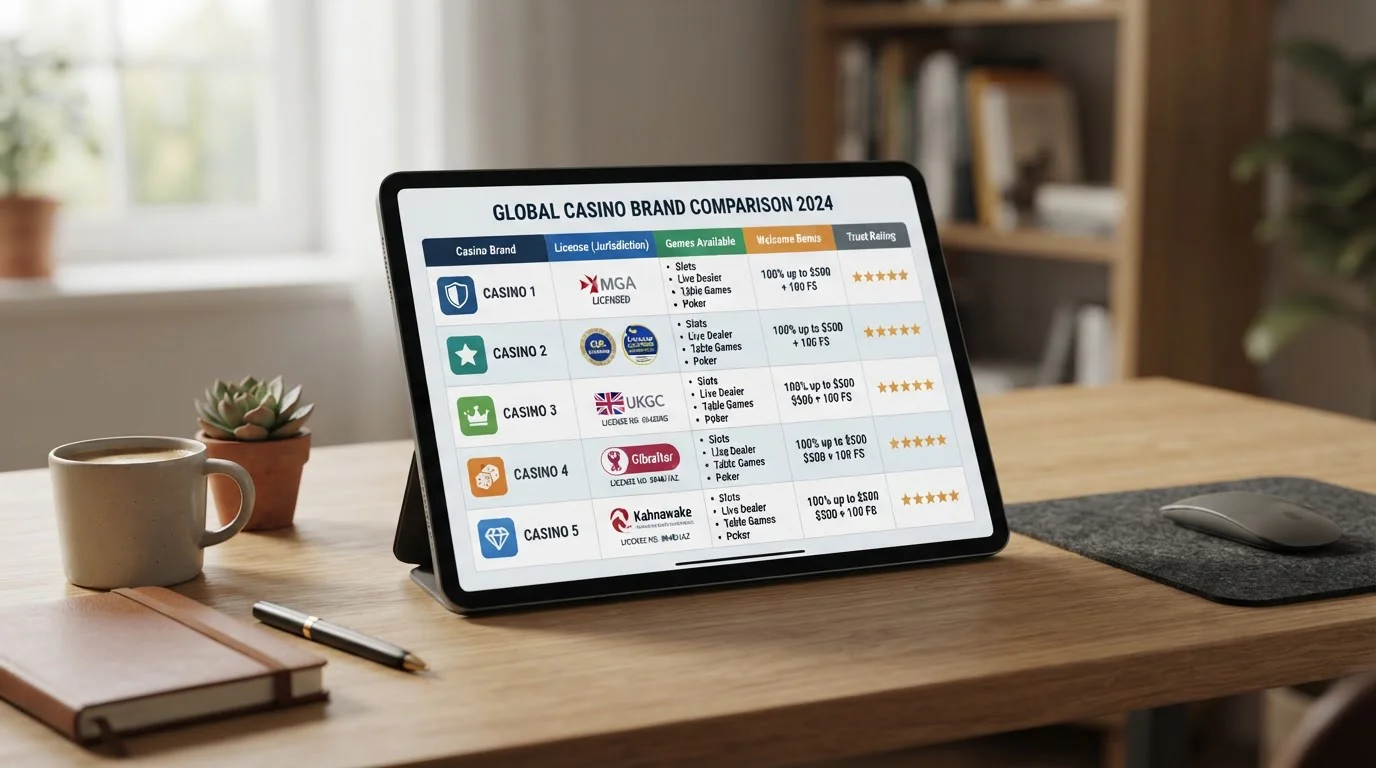
The five offshore operators below accept Visa and Mastercard deposits in 2026. All hold international gambling licenses. None are enrolled in GAMSTOP, and none offer the consumer protections mandated by the UKGC. The comparison table aggregates key parameters; detailed breakdowns follow.
| Operator | License Jurisdiction | Minimum Deposit | Card Types Accepted | Distinguishing Feature |
|---|---|---|---|---|
| Donbet | Curaçao eGaming | £10 | Visa, Mastercard | Multi-product platform (casino + sportsbook), part of Santeda International group |
| MyStake | Curaçao eGaming | £10 | Visa, Mastercard | Crypto + card deposits, same ownership as Donbet |
| Britsino | Curaçao (inferred) | £10 | Visa, Mastercard | UK-targeting branding despite offshore license |
| Snatch Casino | Offshore (Curaçao/MGA) | £10 | Visa, Mastercard | Casino-only focus, no sportsbook |
| iWild | Offshore (Curaçao/MGA) | £10 | Visa, Mastercard | Slots and live dealer specialist |
Donbet
Donbet operates under a Curaçao eGaming sub-license and is part of the Santeda International B.V. group. The site accepts Visa and Mastercard deposits with a £10 minimum. A sportsbook sits alongside the casino offering, and the game library includes slots, live dealer tables, and table games from established providers. The Curaçao license carries minimal regulatory oversight compared to UKGC standards, but it allows Donbet to accept credit cards and operate outside the GAMSTOP self-exclusion scheme.
A May 2026 investigation by the Campaign for Effective Gambling Advertising (CEGA) named Donbet alongside MyStake for alleged links with UK-licensed software suppliers, raising questions about the depth of offshore operators’ integration into the UK market despite lacking UKGC licenses. Donbet remains accessible to UK players as of 2026, processing credit card deposits instantly where the issuer permits the transaction. Withdrawal routes include e-wallets and bank transfer; credit card withdrawals are not advertised as a standard option.
MyStake
MyStake shares ownership with Donbet under the Santeda International B.V. umbrella. The site holds a Curaçao eGaming sub-license and accepts both credit card and cryptocurrency deposits. Visa and Mastercard work where the player’s issuer allows the transaction, with a £10 minimum deposit. The platform combines casino, live dealer, and sportsbook products in a single account, and the game library draws from multiple providers.
The CEGA investigation in May 2026 flagged MyStake for the same alleged supplier links as Donbet. MyStake’s distinguishing feature is its dual payment approach: traditional card deposits for players who prefer them, and crypto for those seeking faster or more private transactions. The Curaçao license offers no UK-equivalent consumer protections, but it permits the site to operate outside UKGC restrictions, including the credit card ban and GAMSTOP enrollment.
Britsino
Britsino targets UK players explicitly, despite holding an offshore license. The «Brit» branding signals the intended market, and the site accepts Visa and Mastercard deposits from UK players in 2026. Public information on the specific licensing jurisdiction is limited, though context suggests Curaçao or Malta. Minimum deposits sit at £10, consistent with other offshore operators.
The UK-facing branding creates an interesting tension: the site positions itself for British players while operating outside British regulatory oversight. That means no GAMSTOP integration, no UKGC dispute resolution, and no mandatory affordability checks—but also no credit card ban. Game selection focuses on casino products, with slots and live dealer tables forming the core offering. Withdrawal methods typically route through e-wallets or bank transfer rather than back to the credit card.
Snatch Casino
Snatch Casino operates on an offshore license, likely Curaçao or Malta based on market positioning. The site accepts Visa and Mastercard deposits with a £10 minimum and focuses exclusively on casino products—no sportsbook, no poker room. Slots dominate the game library, supplemented by live dealer blackjack, roulette, and baccarat tables.
The casino-only focus differentiates Snatch from multi-product platforms like Donbet or MyStake. Players seeking a pure casino experience without the distraction of sports betting may prefer the streamlined offering, though the trade-off is narrower product diversity. The offshore license allows Snatch to accept credit cards from UK players while sitting outside GAMSTOP and UKGC consumer protections. Withdrawals route through e-wallets or bank transfer; card withdrawals are not a standard feature.
iWild
iWild holds an offshore license and accepts Visa and Mastercard deposits from UK players. Minimum deposit is £10. The site specializes in slots and live dealer games, with no sportsbook component. The game library includes titles from established providers, though the exact provider roster varies by licensing agreement.
iWild’s offshore status means credit card deposits remain available in 2026, but UK players lose the UKGC’s consumer protection framework. The site operates outside GAMSTOP, and dispute resolution falls to the offshore licensing authority rather than UK mechanisms. Withdrawal methods include e-wallets and bank transfer. Credit card withdrawals are uncommon in the offshore space, and iWild follows that pattern—payouts route through alternative methods rather than back to the card.
Offshore Licensing Quality: Not All Created Equal
Curaçao eGaming dominates the offshore credit card casino space. The jurisdiction offers low-cost licenses with minimal ongoing oversight, which explains why so many operators choose it. A Curaçao sub-license holder pays a modest annual fee and operates with far fewer compliance obligations than a UKGC or MGA licensee would face.
Malta’s Gaming Authority (MGA) sits a tier higher. MGA licenses cost more, demand stricter operational standards, and provide clearer recourse for player disputes. Few offshore operators accepting credit cards from UK players hold MGA licenses, because MGA-licensed sites increasingly align with UKGC standards to maintain access to the UK market—and that often means dropping credit card acceptance voluntarily.
Lower-tier jurisdictions like Anjouan or Kahnawake appear occasionally. Anjouan licenses carry almost no regulatory substance. Kahnawake offers slightly more structure, but neither approaches the oversight level UK players associate with domestic regulation. The practical implication: if something goes wrong at a Curaçao or Anjouan-licensed site, your recourse is limited to whatever the operator chooses to offer. There is no UK regulator to escalate to, no ombudsman, no statutory compensation scheme.
Why Credit Cards Are Banned at UK-Licensed Casinos
The April 2020 UKGC Ban Explained
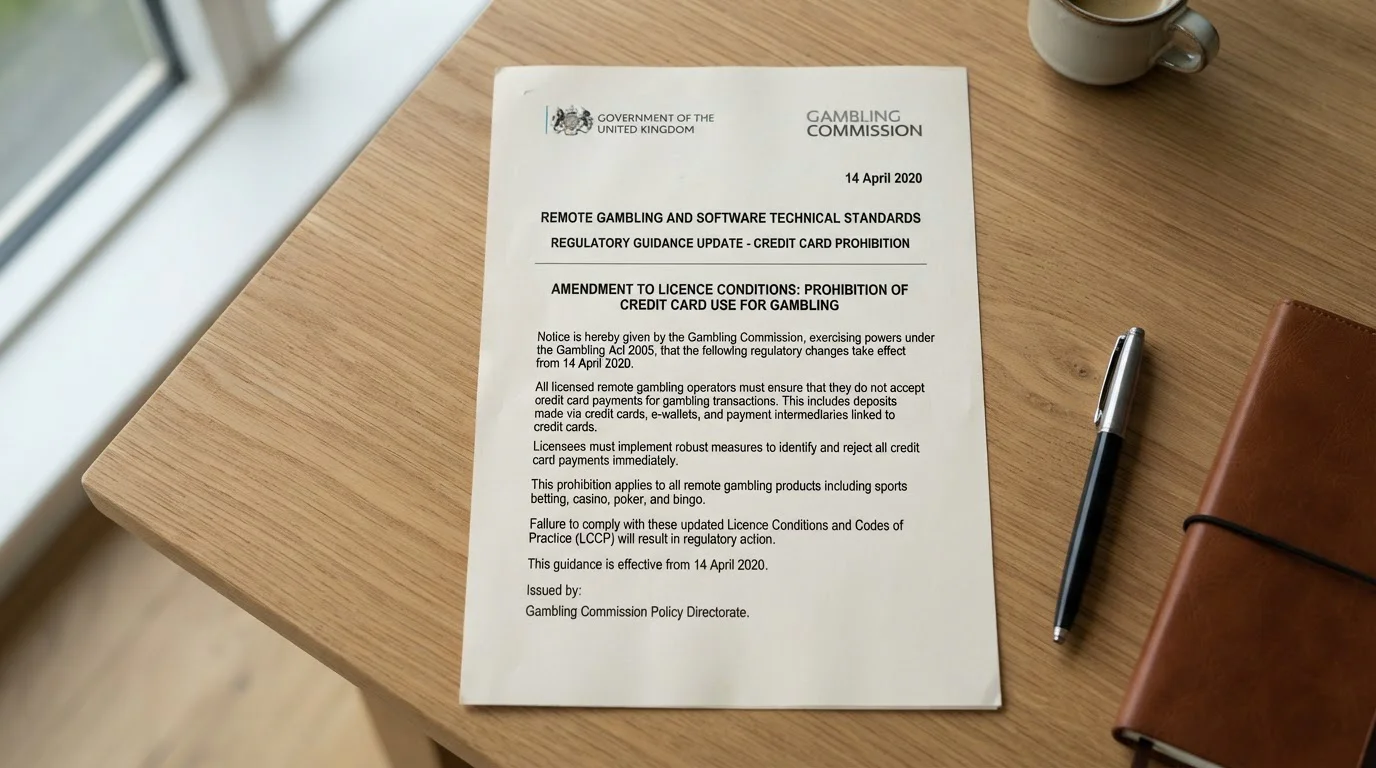
The UK Gambling Commission announced the credit card ban on 14 January 2020 and implemented it three months later on 14 April 2020. The prohibition applies to all operators holding a UK gambling license, covering online casinos, betting sites, bingo, poker, and land-based gambling venues. The ban is absolute: no credit cards, no exceptions, no carve-outs for low-stakes play or specific player segments.
The UKGC’s rationale centered on borrowed money. Credit cards are by definition debt instruments—every deposit is a loan from the issuer to the cardholder. The regulator reviewed data from debt charities, player complaints, and its own participation tracker, and concluded that credit card users were disproportionately likely to experience gambling-related harm compared to debit card users. The consultation process in 2019 surfaced testimony from individuals who had accumulated significant credit card debt through gambling, and the harm was acute enough to justify a blanket prohibition.
What the Ban Covers (Scope and Extent)
The ban reaches further than the card itself. UKGC-licensed operators cannot accept credit card deposits through e-wallets or Money Service Businesses (MSBs) either. The regulator closed that loophole explicitly: if a player loads Skrill or Neteller with a credit card and then deposits from the e-wallet to a UKGC-licensed casino, the transaction violates the ban. MSBs facilitating payments to UK-licensed gambling operators must block credit cards at the funding stage.
The prohibition applies to Visa, Mastercard, and American Express. It covers credit cards issued anywhere in the world, not just UK-issued cards. A German tourist in London cannot use their credit card at a UK-licensed betting shop. A UK player on holiday in Malta cannot use their UK credit card at a UK-licensed operator’s website. The ban is site-side, not player-side: the operator is prohibited from accepting the card, regardless of where the player or the card originates.
Why the Ban Was Introduced
The link between credit and harm was the central finding. Players using credit cards to fund gambling were measurably more likely to chase losses, exceed their budget, and report financial distress than those using debit cards. The regulator concluded that the risk was structural: credit cards allow players to gamble with money they do not have, and the debt accrues interest immediately under most issuers’ cash advance rules.
Critics argued that the ban infantilizes responsible adults and that problem gambling is better addressed through treatment and self-exclusion tools. The UKGC’s counter: the evidence of harm was strong enough to justify restricting the payment method rather than relying solely on player self-control. The regulator also noted that the ban would not eliminate gambling-related debt—players with poor self-control would find other ways to borrow—but it would remove one of the easiest and most dangerous pathways: the instant access to borrowed funds that a credit card provides at a casino cashier.
Why are credit cards banned at UK-licensed casinos?
The UKGC banned credit cards on 14 April 2020 because players using credit cards to gamble were disproportionately likely to experience financial harm. Credit cards are debt instruments, and the regulator concluded that allowing players to gamble with borrowed money created an unacceptable risk of chasing losses, accumulating debt, and financial distress. The ban is absolute and applies to all UKGC-licensed operators, with no exceptions.
Is It Legal to Use Credit Cards at Offshore Casinos?

The Legal Position for UK Players
It is legal for UK players to gamble at offshore casinos and to use credit cards to deposit at those sites. The UKGC credit card ban applies to operators, not players. There is no UK law criminalizing the act of depositing with a credit card at an offshore casino, and there is no penalty for doing so.
The confusion arises because the ban is often described in headlines as «credit cards banned for UK gambling.» That phrasing suggests a player-facing prohibition, but the law targets the supply side: operators licensed by the UKGC cannot accept credit cards. Offshore operators do not hold UKGC licenses and are not bound by UKGC rules. A UK player using an offshore casino is engaging with a business that operates under a different jurisdiction’s laws.
Player vs. Operator Liability
The Gambling Commission’s position is clear: it is illegal for an operator to provide gambling services to UK residents without a UKGC license. That is an offense under the Gambling Act 2005, and it carries penalties including fines and criminal prosecution. But those penalties apply to the operator, not the player. The player using an unlicensed offshore site is not committing a crime.
The practical implication: the UKGC cannot prosecute UK players for gambling at offshore casinos, and it has never attempted to do so. The regulator’s enforcement focus is on unlicensed operators advertising in the UK and on payment processors facilitating transactions to those operators. Players are treated as consumers, not offenders.
That does not mean using offshore casinos is without risk. The risk is financial, not legal: if an offshore operator refuses to pay out your winnings, you have no UK regulatory recourse. The UKGC will not intervene on your behalf, because the operator is outside its jurisdiction. Your complaint goes to the offshore licensing authority, which may or may not respond, and which has no obligation to enforce UK consumer protection standards.
What «Offshore» Means in Practice
«Offshore» in this context means licensed outside the UK. The most common offshore jurisdictions for casinos accepting UK players are Curaçao, Malta, Gibraltar, Kahnawake, and Anjouan. Each jurisdiction sets its own licensing standards, and those standards vary widely in rigor.
Curaçao eGaming is the lowest common denominator. The jurisdiction issues sub-licenses under a master license framework, with minimal ongoing compliance obligations. Operators pay a modest annual fee and face little regulatory scrutiny unless a major issue arises. Player complaints to the Curaçao regulator often go unanswered, and the enforcement mechanism is opaque.
Malta’s MGA operates at a higher standard, with stricter initial licensing requirements and ongoing audits. MGA-licensed operators are subject to game fairness testing, financial audits, and responsible gambling obligations. Player complaints to the MGA receive formal review, and the regulator has revoked licenses for non-compliance. However, MGA-licensed operators increasingly refuse credit card deposits from UK players to align with UKGC standards, so MGA sites are less common in the offshore credit card space.
Gibraltar and Kahnawake sit somewhere between Curaçao and Malta in regulatory substance. Both have established frameworks and a track record of enforcement, but neither matches the UKGC’s consumer protection depth. Anjouan licenses are largely cosmetic—minimal oversight, minimal enforcement, minimal recourse for players.
Is it legal to use a credit card at offshore casinos?
Yes. It is legal for UK players to deposit at offshore casinos with a credit card. The UKGC credit card ban applies to operators holding a UK license, not to players. There is no UK law prohibiting players from using offshore gambling sites, and no penalty for doing so. The risk is financial rather than legal: offshore operators offer no UKGC consumer protections, and disputes are resolved under the offshore licensing jurisdiction’s rules.
How to Deposit with a Credit Card at Offshore Casinos
Step-by-Step Deposit Process
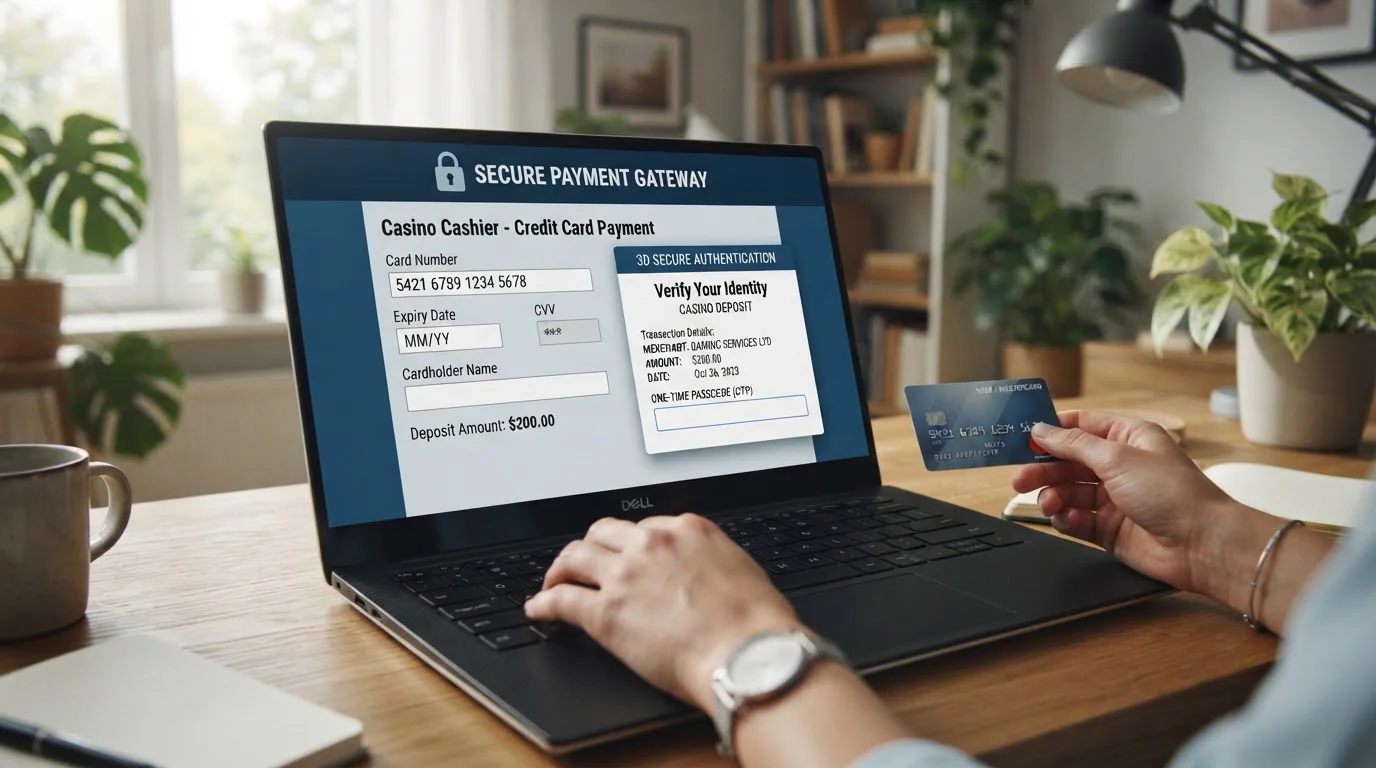
Navigate to the casino’s cashier or deposit page. Select «Credit Card» or «Visa/Mastercard» from the payment method list. Enter your 16-digit card number, expiry date, CVV code (the three-digit security code on the back), and billing address exactly as it appears on your card statement. Confirm the deposit amount—most offshore sites set a £10 minimum.
Click «Deposit» or «Submit.» A 3D Secure authentication popup will appear, prompting you to verify the transaction via your bank’s authentication method. That might be an SMS code sent to your registered mobile number, a push notification to your banking app, or a biometric verification (fingerprint or face scan). Complete the authentication step. If your bank approves the transaction, the funds appear in your casino account instantly.
If the transaction is declined, you see an error message at the payment gateway. The casino will not provide detail on why the decline occurred—that information comes from your card issuer, and most issuers simply return a generic «transaction not permitted» code. Check your banking app or call your issuer to understand whether the decline was due to a spending limit, a fraud alert, or a blanket block on gambling transactions.
3D Secure Authentication
3D Secure (3DS) is the industry-standard authentication protocol for online card payments. Visa calls it «Verified by Visa,» Mastercard calls it «Mastercard SecureCode,» but the underlying mechanism is the same: your bank verifies that you authorized the transaction, reducing fraud risk for all parties.
Most UK card issuers require 3DS authentication for all online gambling transactions, regardless of the amount. You cannot bypass it. If the 3DS popup does not appear, or if it fails to load, the transaction will not complete. Ensure your browser allows popups from the payment gateway, and that your mobile number registered with your bank is current—SMS codes cannot reach a disconnected number.
Some offshore casinos display a «processing» screen between the deposit submission and the 3DS popup. That delay is normal; the payment gateway is negotiating with your issuer’s authentication server. Wait for the popup to appear rather than clicking «back» or refreshing the page, as that can cause the session to time out and the transaction to fail.
Why Deposits Get Declined
UK banks block gambling transactions at high rates, even when those transactions are legal. The UKGC credit card ban applies to operators, not banks, and it does not legally require banks to block offshore gambling deposits. But many UK issuers have implemented voluntary blocks as a risk management measure, citing concerns about fraud, chargebacks, and reputational risk.
HSBC, Barclays, and Nationwide have publicly stated that they block gambling transactions on credit cards, even to offshore sites. Their FAQs explicitly mention gambling restrictions, and cardholders report that deposits to offshore casinos are declined at the issuer level before reaching the merchant. Other high-street banks apply similar policies without advertising them in public-facing documentation.
Challenger banks and specialist credit card issuers are reportedly more permissive, though this is anecdotal rather than documented. Some UK players report successful deposits using cards from smaller issuers or app-based banks, while others experience declines across all their cards. There is no public database of which UK issuers allow offshore gambling deposits, because bank policies change frequently and are not disclosed in detail.
Foreign exchange conversion can also trigger declines. Offshore casinos typically process in EUR, USD, or another non-GBP currency. If your card has a low or zero foreign currency spending limit, the transaction will fail even if gambling itself is not blocked. Check your card’s FX limit in your banking app or by calling your issuer.
Will my bank block credit card deposits to online casinos?
Many UK banks do. HSBC, Barclays, and Nationwide explicitly block gambling transactions on credit cards, even to offshore casinos. Other high-street banks apply similar policies without publicly advertising them. The UKGC credit card ban applies to operators holding UK licenses, not to banks, but many issuers have implemented voluntary blocks as a risk management measure. Challenger banks and smaller issuers are reportedly more permissive, though policies vary and are not disclosed in detail.
Fees, Cash Advances, and Hidden Costs

MCC 7995 and Cash Advance Classification
Merchant Category Code 7995 is the global standard for gambling transactions. When you deposit at an online casino, the payment gateway tags the transaction with MCC 7995. Your card issuer reads that code and applies its internal rules for gambling purchases.
Most UK credit card issuers classify MCC 7995 transactions as cash advances, not standard purchases. That reclassification has three immediate consequences. First, you pay a cash advance fee—typically 3% to 5% of the transaction amount, with a minimum of £3 to £5. A £50 deposit incurs a £1.50 to £2.50 fee before you place a single bet.
Second, there is no grace period. Standard credit card purchases accrue interest only if you carry a balance past your statement due date. Cash advances accrue interest from the moment the transaction posts, with no grace period at all. If your card has a 29.9% APR for cash advances (common for UK credit cards), a £100 deposit begins accruing interest immediately at roughly 8.2 pence per day.
Third, cash advances typically carry a higher APR than standard purchases. Your card might charge 19.9% on purchases but 29.9% on cash advances. That spread compounds the cost of gambling with credit. A £200 deposit held for 30 days as a revolving balance accrues £4.91 in interest at 29.9% APR, on top of the cash advance fee.
Interest from Day One
The grace period is the window between the transaction date and the payment due date during which no interest accrues on new purchases. UK credit cards typically offer a 51- to 56-day grace period if you pay your statement balance in full each month. That grace period does not apply to cash advances.
A £100 deposit at an offshore casino on the 1st of the month begins accruing interest on the 1st. If your card charges 29.9% APR on cash advances, that is a daily rate of 0.082%. The £100 accrues 8.2 pence per day. Over 30 days, that is £2.46 in interest, regardless of whether you pay your statement balance in full. The grace period does not exist for MCC 7995 transactions.
Many UK players do not realize this until they review their credit card statement and see interest charges on a bill they thought they had paid in full. The fine print in your card’s terms and conditions specifies that cash advances accrue interest immediately, but most cardholders do not read those terms until after the first unexpected charge appears.
Foreign Exchange Fees
Offshore casinos process transactions in EUR, USD, or another non-GBP currency. Your UK credit card issuer converts the deposit amount to GBP at the point of sale, applying an exchange rate that includes a margin above the interbank rate. That margin is the FX fee, and it typically ranges from 1.5% to 3.5% depending on your card.
A £100 deposit processed as €115 at an exchange rate of €1.15 per £1 incurs a 2.5% FX fee (a common mid-range figure for UK credit cards). You pay £102.50 for a €115 transaction, and the extra £2.50 is the issuer’s FX markup. That fee is separate from the cash advance fee and the interest charge—it stacks on top of them.
Specialist travel credit cards and some premium cards offer lower or zero FX fees, but those cards are not the majority. Most UK players using offshore casinos are paying the standard FX markup on every deposit and every withdrawal (if the casino processes the withdrawal in a foreign currency).
The FX fee also applies in reverse when you withdraw. If the casino pays you €115 and your bank receives it as a GBP credit, the same FX margin applies. A £100 roundtrip (deposit and withdrawal) incurs the FX fee twice, effectively paying 5% in currency conversion costs on a break-even gambling session.
Do credit card casino deposits count as cash advances?
Yes, in most cases. UK credit card issuers classify gambling transactions (tagged as merchant category code 7995) as cash advances rather than standard purchases. That triggers a cash advance fee (typically 3%–5% of the deposit amount), immediate interest accrual with no grace period, and a higher APR than standard purchases. A £100 deposit can incur a £3–£5 fee plus daily interest charges from the transaction date, even if you pay your statement balance in full.
Withdrawals: Getting Money Back from Your Credit Card Casino
Can You Withdraw to a Credit Card?
Rarely. Credit card withdrawals are uncommon at offshore casinos, even when the site accepted your credit card for the deposit. The reason is partly regulatory—many payment processors classify payouts to credit cards as refunds rather than withdrawals, which creates accounting and anti-money-laundering complications—and partly commercial. Issuing a refund to a credit card reverses the merchant’s fee and creates chargeback risk, so operators prefer to route withdrawals through alternative methods.
Donbet, MyStake, Britsino, Snatch Casino, and iWild all accept Visa and Mastercard deposits, but none advertise credit card withdrawals as a standard payout method. That is consistent with the broader offshore market. A handful of offshore operators do offer card withdrawals under specific conditions—typically requiring that the player deposited from the same card, completed identity verification (KYC), and is withdrawing an amount equal to or less than the total deposited from that card. Even then, the payout is often labeled a «refund» and can take 5 to 10 business days to appear on the card statement.
Alternative Payout Methods
E-wallets dominate the withdrawal space at offshore casinos. Skrill and Neteller are the most common, with processing times of 24 to 48 hours once the casino approves the withdrawal. The casino typically requires that you verify your e-wallet account by linking it to your casino profile and completing a small test deposit before processing the first withdrawal. Once verified, e-wallet payouts are fast and reliable.
Bank transfer is the fallback for players without e-wallets. The casino sends the funds directly to your UK bank account via SEPA or SWIFT transfer. Processing time is 3 to 7 business days, and the casino may charge a withdrawal fee (typically £5 to £15) to cover the bank transfer cost. Your receiving bank may also charge an incoming international payment fee, though many UK current accounts waive that fee for consumer account holders.
Cryptocurrency withdrawals are available at some offshore casinos, particularly those like MyStake that accept crypto deposits. Bitcoin, Ethereum, and Tether are the most common options. Crypto payouts are fast—often under 24 hours—and incur lower fees than bank transfers, but they require the player to hold a crypto wallet and to be comfortable with the volatility and complexity of cryptocurrency.
Withdrawal Timeframes
The advertised withdrawal time is almost never the actual time from request to receipt. Offshore casinos separate the «processing time» (how long the casino takes to approve your withdrawal) from the «payout time» (how long the payment method takes to deliver the funds). A casino claiming «instant withdrawals» typically means the payment method processes instantly once the casino approves—but the casino’s approval itself can take 24 to 72 hours.
E-wallets are the fastest end-to-end option. A withdrawal requested on Monday afternoon, approved by the casino on Tuesday morning, and processed to Skrill on Tuesday evening, appears in your Skrill balance by Wednesday. From there, you can transfer the funds to your UK bank account, which adds another 1 to 3 business days.
Bank transfer withdrawals take longer. The casino’s approval period (24 to 72 hours) is followed by the bank transfer processing time (3 to 7 business days), for a total of 4 to 10 days from request to receipt. International transfers can be delayed by intermediary banks, currency conversion holds, or anti-money-laundering checks, pushing the total time to two weeks in rare cases.
Credit card withdrawals, where offered, sit at the slow end of the spectrum. The casino processes the withdrawal as a refund, which can take 5 to 10 business days to appear on your card statement. Your card issuer may hold the refund for an additional 1 to 3 business days before crediting your account, particularly if the refund amount is large relative to your usual spending.
Can I withdraw to my credit card from an offshore casino?
Rarely. Most offshore casinos do not offer credit card withdrawals, even when they accept credit card deposits. Payment processors classify card payouts as refunds, creating regulatory and accounting complications. The five operators featured in this guide (Donbet, MyStake, Britsino, Snatch Casino, iWild) route withdrawals through e-wallets (Skrill, Neteller) or bank transfer rather than back to the card. E-wallet payouts typically process in 24 to 48 hours; bank transfers take 3 to 7 days.
UKGC vs. Offshore: What You Gain and What You Lose

GAMSTOP and Self-Exclusion
GAMSTOP is the UK’s national self-exclusion scheme, and every operator holding a UKGC license is enrolled. A player who self-excludes through GAMSTOP is blocked from registering or playing at all UKGC-licensed casinos for a minimum of six months, extendable to one year or five years. The scheme is mandatory for UKGC licensees, and operators face fines and license sanctions for accepting play from GAMSTOP-registered users.
Offshore operators are not enrolled in GAMSTOP and cannot access the GAMSTOP register. An offshore casino has no way to check whether a UK player is self-excluded, because GAMSTOP does not share its data with non-UKGC operators. That means a UK player who has self-excluded via GAMSTOP can still register and play at offshore credit card casinos. The offshore site will not block the account, because it has no knowledge of the self-exclusion.
The ethical and practical implications cut both ways. For a player who self-excluded to protect themselves from gambling harm, offshore casinos represent a loophole that undermines their own commitment. GAMSTOP is a voluntary scheme, and using an offshore site while self-excluded does not violate UK law, but it does circumvent the player’s stated intention to stay away from gambling. For a player who self-excluded under pressure (from a partner, a debt advisor, or during a temporary financial crisis) and now regrets that decision, offshore casinos offer a way back in—but without the cooling-off period or the reflection time that GAMSTOP is designed to provide.
Consumer Protections at UKGC Sites
UKGC-licensed operators are subject to a dense web of consumer protection obligations. Deposit limits are mandatory: players can set daily, weekly, or monthly limits, and the operator must enforce them without exception. Reality checks interrupt play at regular intervals to remind players how long they have been gambling and how much they have spent. Loss limits prevent players from losing more than a preset amount over a given period.
Responsible gambling tools are required by license condition. Every UKGC site must offer self-exclusion, time-out periods, and access to support resources like BeGambleAware and GamCare. Operators must train staff to identify problem gambling indicators and to intervene when a player shows signs of harm. Affordability checks are mandatory for players who exceed certain spending thresholds, and operators must source evidence of income before allowing high-stakes play to continue.
Dispute resolution is formalized. If a player and a UKGC-licensed operator cannot resolve a dispute directly, the player can escalate to an Alternative Dispute Resolution (ADR) service approved by the UKGC, or ultimately to the Independent Betting Adjudication Service (IBAS). The operator is bound by the ADR’s decision, and the UKGC can impose penalties if the operator fails to comply.
None of those protections exist at offshore casinos. Deposit limits and reality checks are optional features, not mandatory. Self-exclusion is at the operator’s discretion, and many offshore sites offer no self-exclusion mechanism at all. Affordability checks are nonexistent—an offshore casino will accept deposits from any player, regardless of the amounts or the player’s financial circumstances. Dispute resolution depends on the offshore licensing authority’s willingness to intervene, and many offshore regulators ignore player complaints entirely.
What Offshore Licensing Means for Players
An offshore license is a commercial permission slip, not a consumer protection guarantee. Curaçao eGaming, the most common offshore jurisdiction for credit card casinos, requires operators to demonstrate financial solvency and to maintain game fairness via RNG certification. But ongoing compliance monitoring is minimal, and enforcement is reactive rather than proactive. If an offshore operator goes rogue—refusing withdrawals, rigging games, ignoring complaints—the Curaçao regulator may eventually revoke the license, but the player’s funds are likely lost by that point.
Malta’s MGA operates at a higher standard, but MGA-licensed operators accepting credit cards from UK players are rare. Most MGA sites align voluntarily with UKGC standards to maintain access to the UK market, which means dropping credit card acceptance. The MGA sites that do accept credit cards are typically those targeting non-UK markets, and UK players are a secondary audience.
The practical upshot: offshore casinos offer credit cards and freedom from GAMSTOP, but at the cost of consumer protections, regulatory oversight, and recourse. If your priority is using a credit card, offshore is the only option. If your priority is safeguarding your funds and your wellbeing, UKGC-licensed sites are the safer bet—but you must use a debit card, an e-wallet, or another non-credit payment method.
What’s the difference between UKGC-licensed and offshore casinos?
UKGC-licensed casinos are subject to strict consumer protections (mandatory deposit limits, reality checks, self-exclusion via GAMSTOP, affordability checks, and formal dispute resolution). They cannot accept credit cards due to the April 2020 ban. Offshore casinos licensed under Curaçao, Malta, or similar jurisdictions operate outside UKGC rules, allowing credit card deposits and no GAMSTOP enrollment. Offshore sites offer no UKGC consumer protections, minimal regulatory oversight, and limited recourse if disputes arise.
| Feature | UKGC-Licensed Casinos | Offshore Casinos |
|---|---|---|
| Credit card deposits | Banned (since 14 April 2020) | Accepted (Visa, Mastercard) |
| GAMSTOP enrollment | Mandatory | Not enrolled |
| Consumer protections | Mandatory deposit limits, reality checks, loss limits, affordability checks | Optional or absent |
| Dispute resolution | Formal ADR process via UKGC-approved services | Offshore licensing authority (often unresponsive) |
| Regulatory oversight | UK Gambling Commission (strict, proactive enforcement) | Curaçao, Malta, or other offshore jurisdictions (variable, often minimal) |
| Legal status in UK | Fully legal and regulated | Legal for players to use; operators not regulated by UKGC |
Slots and Games at Credit Card Casinos
Offshore casinos accepting credit cards offer the same game libraries UK players see at UKGC-licensed sites, with one caveat: some providers restrict their top titles from offshore markets. Pragmatic Play, NetEnt, and Play’n GO are widely available at Curaçao-licensed casinos, and slots like Book of Dead, Sweet Bonanza, and Starburst appear across most offshore operators.
Live dealer games from Evolution Gaming are common, though not universal. Evolution titles like Lightning Roulette, Crazy Time, and live blackjack variants appear at offshore sites targeting the UK market, including Donbet and MyStake. Table game selection mirrors UKGC sites: European roulette, American roulette, blackjack, baccarat, and poker variants. RTP percentages are typically identical to the UKGC versions, because the games are supplied by the same third-party providers using the same certified RNG builds.
The main difference is branding. Some providers create «offshore builds» of their games with slightly different names or visual themes to distinguish them from the versions sold into regulated markets. A slot called «Golden Treasure» at a UKGC site might be «Treasure Quest» at an offshore site, with identical gameplay and RTP but different artwork to comply with the provider’s licensing agreements.
Alternatives to Credit Cards at UK Casinos
Debit Cards at UKGC Sites
Debit cards remain the most popular payment method at UKGC-licensed casinos. Visa Debit and Mastercard Debit are universally accepted, and deposits are instant. Unlike credit cards, debit cards draw from your current account rather than a line of credit, so the UKGC ban does not apply. Debit card deposits are classified as standard purchases, not cash advances, so there is no cash advance fee and no immediate interest charge.
The trade-off is control. A debit card deposit removes funds from your bank account immediately, which can lead to overdraft fees if you miscalculate your available balance. Credit cards offer a buffer—you can deposit now and pay later—but that buffer is also the reason the UKGC banned them.
E-Wallets (Skrill, Neteller, PayPal)
E-wallets are the second most common payment method at UKGC-licensed casinos. Skrill and Neteller are widely accepted, and deposits are instant. You load the e-wallet from your UK bank account or debit card, then transfer funds from the e-wallet to the casino. Withdrawals reverse the process: the casino pays to your e-wallet, and you transfer from the e-wallet back to your bank account.
PayPal is less common at UK casinos, because PayPal’s merchant fees are higher than Skrill or Neteller. A handful of UKGC-licensed operators accept PayPal, but most do not. The advantage of e-wallets is separation: your bank statement shows a transfer to Skrill, not a deposit to a casino, which some players prefer for privacy.
Pay by Mobile
Pay by mobile methods like PayOp and Zimpler allow players to deposit via their mobile phone number. The charge appears on your mobile phone bill or is debited from your mobile account balance. Deposits are instant, and there is no need to enter card details. The downside is low limits—pay by mobile methods typically cap deposits at £30 to £50 per transaction.
Cryptocurrencies
Cryptocurrency deposits are rare at UKGC-licensed casinos but common at offshore operators. Bitcoin, Ethereum, and Tether are the most widely accepted cryptos. Deposits are fast, fees are low, and some players value the pseudonymity that crypto offers. The trade-off is complexity: you need a crypto wallet, you must buy crypto from an exchange, and you bear the risk of price volatility between deposit and withdrawal.
Are credit card casinos safe to use?
Credit card casinos licensed offshore carry financial risk. Offshore operators sit outside UKGC jurisdiction, so UK consumer protections do not apply. If an offshore casino refuses to pay your winnings or disappears, your recourse is limited to the offshore licensing authority, which may not respond. The five operators featured here (Donbet, MyStake, Britsino, Snatch Casino, iWild) hold Curaçao licenses and have operational track records as of 2026, but offshore licensing offers minimal regulatory oversight. UKGC-licensed casinos are safer but cannot accept credit cards.
Casino Deposit Methods UK 2026 — Cards, E-Wallets & Bank
Content created by the «casinopay» team
