
Casinos That Accept Wirecard UK: The Real Story Behind the 2020 Collapse
 Available in US
No UK-facing casino accepts Wirecard deposits in 2026. The reason is blunt: Wirecard AG no longer exists as a payment processor. The Munich-based fintech collapsed in June 2020 following a €1.9 billion accounting fraud, filed for insolvency, and was dismantled by November that year. Zero operators process Wirecard transactions today because the company itself is defunct.
If you arrived here expecting a list of Wirecard casinos, that list died with the company. What follows instead is the factual account of what happened, when the payment rails disappeared, and which methods UK players use now that Wirecard is gone. No eulogies, no evasions—just the mechanics of a spectacular corporate implosion and the alternatives that filled the gap.
Is Wirecard Still Available at UK Casinos in 2026?
No. Wirecard AG ceased operations in November 2020 after insolvency proceedings stripped and sold its assets. The payment processor that once handled transactions for roughly 250,000 merchants—casinos, adult-content sites, and other high-risk verticals—no longer processes a single pound, euro, or dollar anywhere in the world.
The UK entity, Wirecard UK & Ireland Limited, is dissolved. The German parent sold its main business unit to Santander Group for €100 million; those assets were rebranded and no longer carry the Wirecard name. Former CEO Markus Braun and other executives face ongoing criminal trials in Munich as of 2026, but the operational infrastructure that moved money between player bank accounts and casino cashiers vanished in 2020.
Is Wirecard still available at UK online casinos in 2026?
No. Wirecard has been unavailable at every online casino—UKGC-licensed, offshore, crypto, fiat, high-roller, penny-slots—since late 2020. The payment method does not exist. Casinos that historically listed «Wirecard» in their cashiers removed it by Q4 2020 once insolvency administrators halted transaction processing.
What Happened to Wirecard?

Wirecard AG was founded in 1999 as a payment processor serving online merchants, particularly those in high-risk categories that traditional banks often rejected: gambling sites, adult content, forex brokers. By mid-2018, the company had reached a market capitalisation of €24 billion and secured a spot on Germany’s prestigious DAX index, the FTSE equivalent for Frankfurt-listed blue chips.
The company processed card payments, routed e-wallet transactions, and issued co-branded prepaid Mastercards. One of its products, Wirecard Instant Banking, offered account-to-account transfers before the 2018 rollout of Open Banking regulation in the UK. For casino operators, Wirecard was particularly attractive because it specialised in merchant categories—gambling, forex, adult—that PayPal and mainstream processors historically avoided or charged premium rates to serve.
Cracks appeared in June 2020. Auditor EY refused to sign off on Wirecard’s 2019 accounts after discovering that €1.9 billion in cash reported on the balance sheet could not be located. The missing funds were supposedly held in trustee accounts in the Philippines; those accounts either never existed or held a fraction of the claimed amount. On 18 June 2020, CEO Markus Braun resigned. A week later, on 25 June, Wirecard filed for insolvency owing €3.5 billion to creditors—€1.75 billion to 15 banks and €500 million in bond debt.
Subsequent investigations revealed that the fraud had been running for years. Wirecard had inflated revenues and fabricated entire merchant relationships to present a picture of explosive growth that attracted investors and loans. The company’s market value evaporated within days, wiping out more than €20 billion in shareholder equity. Markus Braun was arrested; former COO Jan Marsalek fled and remains at large as of 2026.
By November 2020, insolvency administrators sold Wirecard’s core payment-processing assets to Santander Group for €100 million—a fraction of the company’s peak valuation. North American and UK units were sold separately at undisclosed prices. The Wirecard brand was retired. No acquiring bank, no gateway, no card network processes «Wirecard» transactions in 2026 because the legal entity behind that brand is insolvent and dissolved.
What happened to Wirecard and why did it shut down?
Wirecard shut down because it was a fraud. The June 2020 revelation that €1.9 billion in reported cash did not exist triggered insolvency proceedings. The company collapsed under €3.5 billion in debt it could not repay, and auditors, regulators, and prosecutors uncovered years of falsified accounts. Insolvency administrators dismantled the business and sold its operational assets to Santander and other buyers. The Wirecard payment network ceased processing transactions by late 2020, stranding merchants—casinos included—who had relied on it.
Alternative Payment Methods for UK Casino Players in 2026
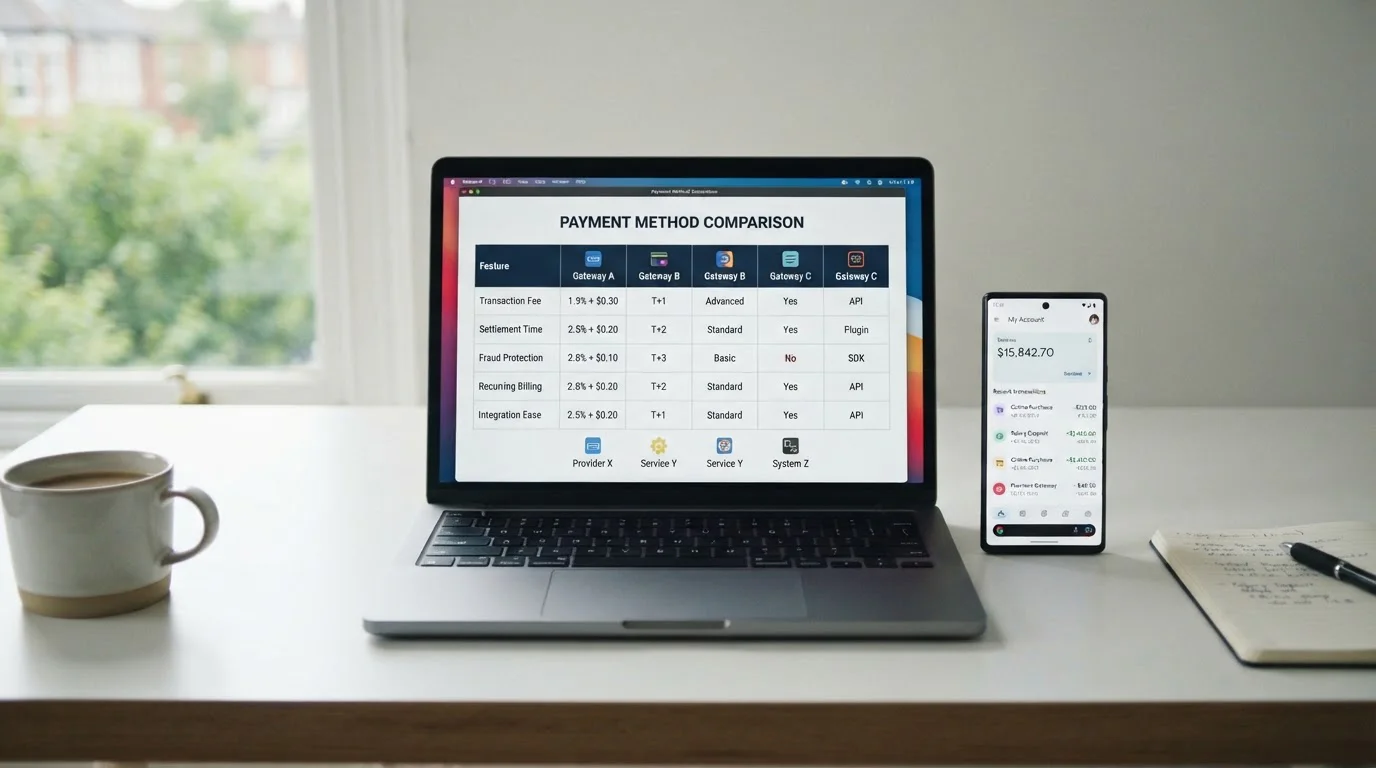
Wirecard’s disappearance left a gap that five method categories filled almost immediately: debit cards, e-wallets, instant bank transfers via Open Banking, traditional bank transfers, and mobile payment solutions. The table below compares deposit speed, withdrawal time, minimum threshold, and the distinguishing feature of each.
| Method | Deposit Speed | Withdrawal Speed | Min Deposit | Key Feature |
|---|---|---|---|---|
| Debit cards (Visa, Mastercard) | Instant | 1–3 business days | £5–£10 | Universal acceptance; 94% of UKGC casinos |
| PayPal | Instant | 12–24 hours | £5–£10 | Mainstream e-wallet; selective casino integration (~40 UKGC operators) |
| Skrill | Instant | 2–4 hours | £5–£10 | Gambling-specialist e-wallet; 71% UKGC acceptance; fastest withdrawals |
| Neteller | Instant | 2–4 hours | £5–£10 | Paysafe-owned sister to Skrill; near-identical offering |
| Open Banking | Instant | Under 15 minutes | £10–£20 | Direct bank-to-casino via Faster Payments; no intermediary account |
| Traditional bank transfer | Same-day to 3–5 days | 1–3 business days | £10–£50 | Universal fallback; best for large transactions (£10k+) |
Debit cards dominate by breadth—virtually every UKGC-licensed casino accepts Visa and Mastercard. E-wallets lead on withdrawal speed; Skrill and Neteller process payouts in 2–4 hours compared to 12–24 hours for PayPal and 1–3 days for cards. Open Banking offers the fastest end-to-end cycle—sub-15-minute withdrawals at operators with streamlined KYC—but acceptance is narrower than cards or established e-wallets. Traditional bank transfers remain the universal backstop, particularly for high-value deposits above £10,000 where AML traceability matters.
Which payment method should I use instead of Wirecard at UK casinos?
Debit cards if you want universal acceptance and simplicity; Skrill or Neteller if withdrawal speed is your priority; PayPal if you prefer mainstream brand trust over gambling-specialist features; Open Banking if you want sub-15-minute payouts and no intermediary wallet. Traditional bank transfers work best for deposits above £10,000 or when other methods hit transaction limits.
Debit Cards — The Universal Wirecard Replacement

Visa Debit and Debit Mastercard are the payment rails that replaced Wirecard most directly for the majority of UK casino players. As of 2026, 94% of UKGC-licensed operators accept Visa Debit and 88% accept Mastercard Debit. The method is simple: player enters 16-digit card number, expiry date, and three-digit CVV; the transaction routes through the Visa or Mastercard network to the issuing bank for authorisation; deposit clears in seconds.
UK banks and building societies issue these cards as standard with current accounts. Barclays, HSBC, Lloyds Banking Group, NatWest, Santander UK, and Nationwide all provide Visa or Mastercard debit cards that work at UKGC casinos. Challenger banks—Monzo, Revolut, Starling—historically faced selective blocking by some operators (casinos flagged prepaid-style cards as higher fraud risk), but that practice ceased by 2025. A Revolut or Monzo debit card now clears at most UKGC casinos without issue.
How Debit Card Deposits Work at UK Casinos
Player types card number, expiry, and CVV into the casino cashier. The casino sends the transaction through its acquiring bank to the card network—Visa or Mastercard—which forwards it to the player’s issuing bank for authorisation. Under Payment Services Directive 2 (PSD2), implemented in the UK in 2021, all online gambling transactions require Strong Customer Authentication (SCA). In practice, this means 3D Secure 2.0: the player receives a push notification on their banking app, confirms via fingerprint or face scan, and the deposit is approved. The process takes 10–30 seconds.
Minimum deposits range from £5 to £10 at most UKGC operators. There is no casino-side transaction fee; the player pays nothing beyond the deposit amount itself. Foreign-exchange fees may apply if the casino operates in a non-GBP currency—typical FX spread is 2–3%—but UKGC casinos predominantly bank in sterling, so most UK players encounter zero fees.
Withdrawal Times and Limits
Debit card withdrawals take 1–3 business days to land back in the player’s bank account. The casino processes the withdrawal as a refund to the original card transaction, which routes back through the card network. Anti-money-laundering rules cap the withdrawal amount at the total deposited via that card; any excess winnings must be paid via bank transfer or e-wallet. This is a regulatory constraint, not a casino policy: the card networks enforce it to prevent cards being used as cash-out vehicles for third-party funds.
If a player deposited £200 via Visa Debit and won £1,500, the casino can refund £200 to the card and must pay the remaining £1,300 via bank transfer or e-wallet. The £200 card refund appears as a credit on the player’s bank statement within 1–3 business days; the £1,300 excess typically moves via Faster Payments and lands the same day or next business day.
Which UK Banks Issue Casino-Friendly Debit Cards
All major UK current-account providers issue casino-compatible debit cards. Barclays, HSBC, Lloyds, NatWest, Santander UK, Nationwide, TSB, and Co-operative Bank all provide Visa or Mastercard debit cards that clear at UKGC casinos. Challenger banks—Monzo, Revolut, Starling, N26 UK—also issue cards that work at the majority of operators, though a handful of smaller casinos still flag these as «prepaid» and block them. That blocking is increasingly rare; by 2026, most UKGC operators accept challenger-bank debit cards without issue.
Maestro, Mastercard’s older debit brand, was phased out in the UK in July 2023. Players holding legacy Maestro cards received replacement Debit Mastercard cards from their banks. No UKGC casino accepts new Maestro deposits as of 2026; the network is discontinued.
Credit cards have been banned for UK gambling since 14 April 2020 under UKGC Licence Conditions and Codes of Practice (LCCP 5.1.7). The ban applies only to credit; debit cards are unaffected and remain the most widely accepted deposit method at UK-facing casinos.
E-Wallets: PayPal, Skrill, and Neteller

E-wallets function as intermediary accounts between the player’s bank and the casino. The player funds the wallet via bank transfer or debit card, then transfers money from the wallet to the casino. The casino sees only the wallet transaction, not the player’s bank details—a privacy layer that appeals to users who prefer not to share card numbers with every operator.
Three e-wallets dominate UK casino cashiers: PayPal, Skrill, and Neteller. PayPal is the mainstream option with broad consumer recognition; Skrill and Neteller are gambling-specialist wallets owned by Paysafe Group, the same parent company behind Paysafecard. Skrill and Neteller historically processed high-risk merchant transactions—gambling, forex, adult content—and occupy the competitive space Wirecard once filled.
PayPal
PayPal Holdings Inc. operates PayPal as a global e-wallet with over 400 million active accounts. The UK entity, PayPal (Europe) S.à r.l. et Cie, S.C.A., holds FCA authorisation as an e-money institution. Around 40 UKGC-licensed casinos accept PayPal as of 2026—a selective integration compared to Skrill and Neteller, which appear at roughly 71% of UKGC operators.
PayPal deposits are instant. Minimum thresholds sit at £5–£10. Withdrawals process in 12–24 hours, faster than debit cards but slower than Skrill or Neteller. No transaction fees apply for GBP-to-GBP transfers; foreign-exchange fees kick in if the casino operates in another currency.
The method’s distinguishing feature is mainstream trust. PayPal enjoys higher brand recognition among casual casino players than gambling-specialist wallets. The downside is narrower casino acceptance—PayPal is selective about which gambling operators it integrates with, and not all UKGC licensees make the cut. Skrill and Neteller, by contrast, integrate with nearly three-quarters of the market.
PayPal restricts credit-card funding for UK gambling transactions. A UK player can link a credit card to their PayPal account for general purchases, but when that account attempts to deposit at a UKGC casino, PayPal blocks the transaction if the funding source is credit. This restriction aligns with the April 2020 UKGC credit-card ban; PayPal enforces it at the wallet level. Debit cards and bank accounts fund UK gambling deposits without issue.
Some UKGC casinos exclude PayPal deposits from welcome-bonus eligibility. The exclusion is anti-bonus-abuse policy: e-wallets historically facilitated multi-accounting and rapid deposit-withdraw cycles. Not every operator applies this exclusion, but it appears often enough that players should check bonus terms before depositing via PayPal.
Skrill
Skrill Limited, trading as Skrill, is owned by Paysafe Group and holds FCA authorisation as an e-money institution. The wallet was founded in 2001 as Moneybookers, rebranded to Skrill in 2011, and acquired by Paysafe (then Optimal Payments) in 2015. As of 2026, Skrill is accepted at 71% of UKGC-licensed casinos—the highest penetration of any e-wallet.
Skrill deposits are instant. Minimum thresholds range from £5 to £10. Withdrawals process in 2–4 hours, the fastest among major payment methods at UK casinos. The wallet charges a 1.45% currency-conversion fee for non-EUR transactions; GBP-to-GBP moves within the UK typically incur no fee at the casino end, though Skrill charges £1 for instant withdrawals from the Skrill account to a UK bank account (standard 2–5 day bank withdrawals are free).
Skrill is purpose-built for gambling payments. Paysafe Group, which also owns Neteller and Paysafecard, acquired parts of Wirecard’s North American payment-processing business after the 2020 collapse but did not resurrect the Wirecard brand. Skrill effectively inherited Wirecard’s high-risk merchant processing niche: operators that need a payment partner willing to serve gambling, forex, and adult verticals integrate with Skrill or Neteller rather than mainstream providers.
The wallet’s distinguishing feature is speed. A 2–4 hour withdrawal cycle beats PayPal (12–24 hours), debit cards (1–3 days), and traditional bank transfers (1–3 days). Only Open Banking delivers faster payouts, and Open Banking acceptance remains narrower than Skrill’s 71% UKGC penetration.
Like PayPal, Skrill deposits are sometimes excluded from casino welcome bonuses. The exclusion is operator-dependent; roughly half of UKGC casinos that accept Skrill also exclude it from first-deposit bonus eligibility. The restriction exists to prevent bonus abuse—players who fund via e-wallet, claim a bonus, and withdraw immediately before meeting wagering requirements. Check bonus terms before depositing if welcome-offer eligibility matters.
Neteller
Neteller, operated by Paysafe Payments UK Limited, is Skrill’s sister brand under Paysafe Group ownership. Founded in 1999, Neteller predates Skrill by two years and was acquired by Paysafe (then Optimal Payments) in 2004. The two wallets run on the same infrastructure, appear at the same casinos in roughly 71% of cases, and offer near-identical features.
Neteller deposits are instant. Minimum thresholds match Skrill at £5–£10. Withdrawals process in 2–4 hours. Currency-conversion fees sit at 1.50%, slightly higher than Skrill’s 1.45%. Withdrawal fees from Neteller to UK bank accounts vary by transfer method; instant payouts typically incur a fee, while standard 2–5 day transfers are free.
The wallet’s distinguishing feature is legacy. Neteller has been processing gambling payments since 1999—longer than Skrill, longer than PayPal’s entry into UK gambling, and longer than Wirecard’s expansion into casino processing. That longevity translates to trust among veteran players who remember Neteller as the default e-wallet before Skrill’s rebranding push in 2011.
Maximum withdrawal limits at top UK casinos reach £40,000 per Neteller transaction, higher than many operators’ card or bank-transfer caps. High-rollers favour Neteller and Skrill over debit cards for that reason: a £40,000 payout clears in one Neteller withdrawal, whereas the same sum might require multiple card refunds capped at deposit amounts plus a bank transfer for excess winnings.
Neteller offers a VIP programme that rewards high-volume users with cashback and reduced fees. Players who move significant sums—tens of thousands per month—receive invitations to Neteller VIP tiers with perks including lower currency-conversion spreads and fee rebates. Skrill has a similar loyalty structure, but Neteller’s VIP programme is marginally more established.
Like Skrill and PayPal, Neteller deposits are sometimes excluded from casino welcome bonuses. Roughly half of UKGC operators that accept Neteller also block Neteller-funded deposits from first-deposit bonus eligibility. The exclusion is anti-bonus-abuse policy; check terms before depositing.
What is the difference between Skrill and Neteller?
Skrill and Neteller are sister brands owned by Paysafe Group, running on the same infrastructure and accepted at roughly the same 71% of UKGC casinos. Skrill charges 1.45% for currency conversion; Neteller charges 1.50%. Neteller was founded in 1999, predates Skrill, and has a marginally more established VIP rewards programme. Functionally, they are interchangeable for most UK players—pick whichever you already have an account with, or whichever your preferred casino accepts.
Which payment method has the fastest withdrawal times at UK casinos?
Skrill and Neteller process withdrawals in 2–4 hours, the fastest among major methods. Open Banking via Faster Payments can deliver sub-15-minute payouts at leading casinos, but acceptance is narrower. PayPal takes 12–24 hours; debit cards take 1–3 business days; traditional bank transfers take 1–3 days.
Instant Bank Transfers and Open Banking
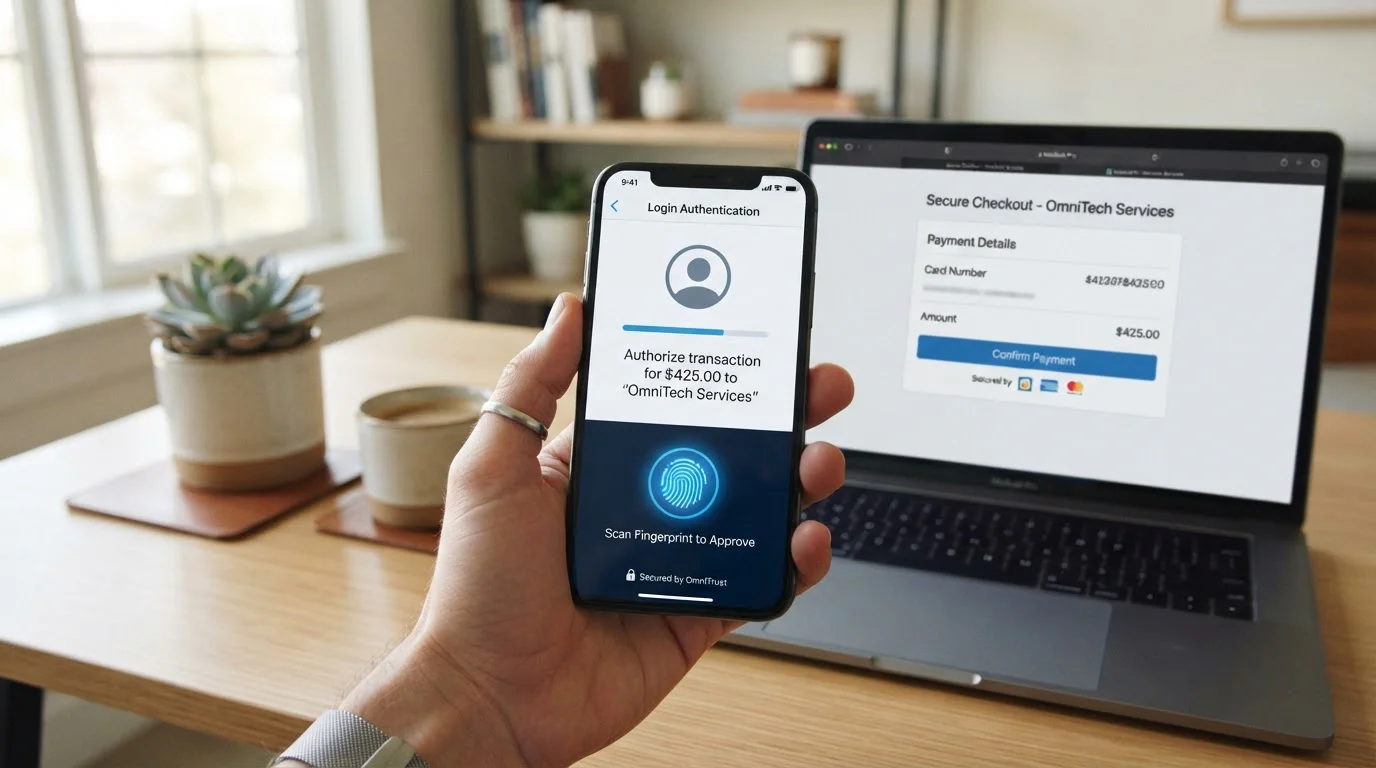
Bank transfers come in two flavours: instant transfers via Open Banking, and traditional transfers initiated from the player’s online banking portal. Open Banking is the faster, more automated option; traditional bank transfer is the universal fallback that every casino accepts but few players use for deposits anymore.
Open Banking (Instant Transfers)
Open Banking is a UK regulatory framework implemented in January 2018 under the Payment Services Directive 2 (PSD2). It mandates that UK banks provide Application Programming Interfaces (APIs) allowing third-party Payment Initiation Service Providers (PISPs) to initiate payments directly from a customer’s bank account with the customer’s consent. In practice, this means a player can authorise a casino deposit by logging into their banking app, approving the payment, and watching funds move from bank account to casino account in seconds—no card number, no wallet middleman, no manual entry of sort codes and account numbers.
Casinos integrate Open Banking via aggregators—licensed PISPs like Trustly Group AB (Sweden), TrueLayer (UK), Yapily (UK), and Token.io (UK). Trustly is the most common Open Banking brand in UK casino cashiers, often labelled «Instant Bank Transfer» or «Pay by Bank.» The player clicks the payment option, selects their bank from a list (Barclays, HSBC, Lloyds, NatWest, Santander, Monzo, Revolut, Starling, and others), authenticates via their banking app, and authorises a single payment. The funds move via the Faster Payments Service—the UK domestic instant-payment rail operated by Pay.UK—and land in the casino’s account within seconds.
Deposits are instant. Minimum thresholds sit at £10–£20, slightly higher than card or e-wallet minimums. Withdrawals settle in under 15 minutes at leading UKGC casinos with streamlined KYC processes. The Faster Payments Service has a two-hour regulatory settlement window, but 95% of Faster Payments clear in seconds; casinos push Open Banking withdrawals through the same rail once identity verification is complete.
Open Banking charges no player-facing fees. The casino absorbs the merchant cost, which averages 0.8% per transaction—cheaper than card-network interchange fees (1.5–2%) and comparable to e-wallet merchant costs. No currency-conversion fees apply for GBP-to-GBP transactions.
The method’s distinguishing feature is speed combined with zero intermediary accounts. A player deposits and withdraws directly from their bank account without funding a wallet or storing card details on a casino server. The UKGC encourages Open Banking adoption for real-time affordability checks: because the payment flow connects directly to the player’s bank account, the casino can (with consent) pull transaction history and assess financial risk in seconds rather than the 48-hour window legacy affordability checks required.
Open Banking replaced Wirecard’s legacy «Instant Banking» product, a proprietary account-to-account transfer solution Wirecard offered before PSD2 mandated open APIs. Wirecard’s Instant Banking was closed infrastructure; Open Banking is regulated, standardised, and operated by FCA-authorised PISPs using bank-provided APIs. The technical architecture is fundamentally different, though the user experience—instant bank-to-casino transfer—is similar.
Acceptance is narrower than debit cards or e-wallets. Not every UKGC casino integrates Open Banking, though adoption has accelerated since 2024. By 2026, Open Banking is described as «the default way a large chunk of UK players move money» into casino accounts, but exact penetration figures are not published. Anecdotally, most mid-to-large UKGC operators offer it; smaller or newer licensees may not.
Traditional Bank Transfers
Traditional bank transfers are manual payments initiated by the player via their online banking portal. The player logs into their bank, selects «pay someone new,» enters the casino’s sort code, account number, and a unique reference code (provided by the casino), and submits the payment. The transfer routes via the Faster Payments Service (UK domestic) or SWIFT (international) depending on where the casino’s bank account is domiciled.
Faster Payments, the UK domestic instant-payment rail, technically settles within two hours but usually clears in seconds. The delay at casino end is not the payment rail—it is manual processing. The casino’s finance team receives incoming Faster Payments, matches the reference code to a player account, and credits the deposit. That matching can take hours or until the next business day depending on the casino’s staffing.
Traditional bank transfer deposits are not instant for the player, even though the underlying payment rail (Faster Payments) is. Expect same-day to next-business-day crediting. Minimum deposits range from £10 to £50, higher than cards or e-wallets because manual processing makes small-value transfers uneconomical for operators.
Withdrawals via Faster Payments take 1–3 business days. The casino initiates a push payment from its bank account to the player’s; the payment itself clears in seconds, but the casino’s withdrawal-processing workflow (KYC verification, finance-team approval) adds 1–3 days.
CHAPS (Clearing House Automated Payment System) is the UK same-day high-value transfer service, used for sums above £10,000 where Faster Payments transaction limits apply. CHAPS costs £25–£35 per transfer, charged by the sending bank. Casinos rarely use CHAPS for deposits; it appears on large withdrawals above £50,000 where Faster Payments caps are hit.
SWIFT (Society for Worldwide Interbank Financial Telecommunication) is the international wire-transfer messaging network. If the casino’s bank account is offshore—common for MGA-licensed or Curaçao-licensed operators—a UK player’s bank transfer routes via SWIFT and takes 3–5 business days. The player’s bank typically charges £10–£25 for outbound SWIFT transfers. Most UKGC-licensed casinos bank in the UK, so SWIFT is rare for deposits at UKGC operators.
Traditional bank transfers are the universal fallback payment method. Every casino accepts them, even if the cashier menu hides the option behind «other methods.» They suit high-value deposits above £10,000 where card transaction limits (typically £5,000–£10,000 per card per day) become restrictive, and where AML traceability matters more than speed.
The method’s downside is friction. The player must manually type sort code, account number, and reference into their banking portal. A typo in the reference delays crediting; the casino’s finance team must manually match the orphaned payment. E-wallets, cards, and Open Banking automate this; traditional bank transfer is manual. Most UK players under age 40 have never initiated a manual bank transfer for a casino deposit; they use cards, e-wallets, or Open Banking instead.
What is Open Banking and how does it work for casino deposits?
Open Banking is a UK regulatory framework (live since 2018) that lets licensed third parties initiate payments directly from your bank account with your consent. At a casino, you click «Pay by Bank» or «Instant Bank Transfer,» select your bank, authenticate via your banking app, and approve the payment. The funds move from your account to the casino’s account via Faster Payments (the UK instant-payment rail) in seconds. No card details, no wallet middleman. Withdrawals work the same way in reverse: the casino pushes money to your account, and it lands in under 15 minutes at fast operators.
How long do e-wallet withdrawals take compared to debit cards?
Skrill and Neteller process withdrawals in 2–4 hours. PayPal takes 12–24 hours. Debit cards take 1–3 business days. E-wallets are faster because the payout goes to your wallet account first (2–24 hours depending on wallet), then you withdraw from wallet to bank at your convenience. Debit card payouts are processed as refunds through the card network, which adds 1–3 days of settlement time.
UKGC-Licensed vs Offshore Casinos: Payment Method Differences

The UK Gambling Commission (UKGC) regulates all remote gambling operators serving customers in Great Britain. Operators licensed by the UKGC must comply with Licence Conditions and Codes of Practice (LCCP), a rulebook covering everything from game fairness to advertising standards to payment-method restrictions. Offshore casinos—those licensed by the Malta Gaming Authority (MGA), Government of Curaçao, Gibraltar Gambling Commission, or other non-UK regulators—sit outside UKGC jurisdiction and are not bound by LCCP rules.
The key payment-method difference: credit cards. UKGC-licensed casinos cannot accept credit card deposits. LCCP 5.1.7, effective 14 April 2020, prohibits credit card gambling at all UKGC operators. The ban was introduced to reduce gambling-related financial harm; the UKGC cited evidence linking borrowed money (credit) to problem gambling and debt spirals.
Offshore casinos are not subject to the UKGC credit card ban and still accept Visa Credit and Mastercard Credit deposits from UK players. It is legal for a UK resident to use an offshore casino and deposit via credit card; the illegality—operating without a UKGC licence to serve GB customers—falls on the operator, not the player. UK law does not criminalise players for using offshore sites, though those sites lack UKGC consumer protections, dispute-resolution mechanisms, and GAMSTOP self-exclusion integration.
Debit cards, e-wallets, bank transfers, and mobile payment methods work at both UKGC and offshore casinos. The credit card ban is the sole regulatory distinction in payment methods between the two licensing categories.
| Factor | UKGC-licensed casinos | Offshore casinos |
|---|---|---|
| Credit cards | Banned (LCCP 5.1.7, April 2020); PayPal blocks credit-funding too | Still accepted (Visa/Mastercard Credit) |
| Debit cards, e-wallets, bank transfers, mobile | Accepted | Accepted |
| Age/ID verification before first deposit | Required | Not guaranteed |
| GAMSTOP self-exclusion | Mandatory | Not integrated |
| Consumer protection and dispute resolution | Yes, under LCCP | None |
What UKGC Licensing Means for Payment Methods
UKGC-licensed casinos accept debit cards (Visa, Mastercard), e-wallets (PayPal, Skrill, Neteller, Trustly, MuchBetter, ecoPayz), bank transfers (Open Banking, Faster Payments, SWIFT), prepaid cards (Paysafecard), and mobile payments (Apple Pay, Google Pay, pay-by-phone via Boku). Credit cards are banned. The ban applies to Visa Credit, Mastercard Credit, and American Express—all credit products.
PayPal enforces the credit card ban at the wallet level. A UK player can link a credit card to PayPal for general purchases, but when PayPal detects a transaction routing to a UKGC-licensed casino, it blocks credit-funded payments. Only debit cards and bank accounts fund UK gambling deposits via PayPal.
UKGC-licensed operators must verify player age and identity before accepting the first deposit. Verification typically requires a government-issued photo ID (passport, driving licence) and proof of address (utility bill, bank statement). Operators must also enrol in GAMSTOP, the UK national self-exclusion scheme. A player who self-excludes via GAMSTOP is blocked from all UKGC-licensed casinos for the chosen period (six months, one year, or five years).
As of September 2026, 139 businesses hold active UKGC remote casino operating licences, collectively operating 1,065 active domains and 361 white-label domains. All must comply with LCCP payment rules, GAMSTOP integration, and age-verification requirements.
Offshore Casinos and Credit Card Availability
Offshore casinos—those licensed by MGA, Curaçao, Gibraltar, Kahnawake, or other non-UK regulators—are not bound by UKGC rules and accept credit cards from UK players. Visa Credit and Mastercard Credit deposits work at MGA-licensed and Curaçao-licensed operators serving UK customers, though some UK banks voluntarily block card transactions to known offshore gambling sites.
Barclays, Lloyds Banking Group, and NatWest Group introduced voluntary gambling blocks between 2023 and 2025, allowing customers to opt into restrictions that prevent their cards being used at any gambling site—UKGC or offshore. The blocks are opt-in, not default; a player must activate the restriction in their online banking settings. When active, the block stops both credit and debit card transactions to gambling merchants.
Offshore operators are not enrolled in GAMSTOP. A UK player who self-excludes via GAMSTOP remains able to deposit at offshore casinos because those operators sit outside the UKGC’s enforcement reach. This is the primary reason some players specifically seek offshore casinos: they are self-excluded from UKGC sites via GAMSTOP and want to continue playing.
It is legal for a UK resident to use an offshore casino. The Gambling Act 2005, as amended by the Gambling (Licensing and Advertising) Act 2014, made it illegal for operators to serve UK customers without a UKGC licence, but the law does not criminalise players. Enforcement targets operators, not consumers. A UK player using an offshore casino is not breaking the law; the operator serving them without a UKGC licence is.
Offshore casinos lack UKGC consumer protections. UKGC-licensed operators must segregate player funds in separate accounts (protecting deposits if the operator goes bust), submit to dispute resolution via IBAS (Independent Betting Adjudication Service), cap bonus wagering at 10× (LCCP amendment effective January 2026), and comply with advertising and affordability-check rules. Offshore operators are not required to do any of this. Some implement equivalent protections voluntarily; many do not. Player recourse is limited if an offshore operator refuses a withdrawal or closes an account.
GAMSTOP and Non-GAMSTOP Sites
GAMSTOP is the UK’s national online self-exclusion scheme, launched in 2018 and mandatory for all UKGC-licensed operators. A player who registers with GAMSTOP is blocked from creating accounts or depositing at every UKGC casino, sportsbook, bingo site, and poker room for the chosen exclusion period: six months, one year, or five years. The scheme is free, covers all UKGC licensees, and survives operator ownership changes (if Casino A sells to Casino B, the GAMSTOP block transfers).
Non-GAMSTOP casinos are offshore operators—Curaçao-licensed, MGA-licensed, or licensed by other non-UK regulators—that are not enrolled in the GAMSTOP scheme because they do not hold UKGC licences. A UK player self-excluded via GAMSTOP can still deposit at non-GAMSTOP casinos because those sites are not connected to the GAMSTOP database.
Non-GAMSTOP sites are often conflated with «casinos that accept credit cards,» but the two are separate issues. Non-GAMSTOP operators accept credit cards because they sit outside UKGC jurisdiction, where the April 2020 credit card ban does not apply. But the primary draw of non-GAMSTOP casinos is GAMSTOP bypass, not credit card availability—most non-GAMSTOP operators also accept debit cards, e-wallets, and crypto, the same methods UKGC casinos offer.
The UK government proposed payment-blocking measures in its 2024 White Paper on gambling reform, including mandatory financial-institution blocks on transactions to unlicensed operators. The proposals were under consultation as of 2026 and not yet law. If implemented, UK banks and payment processors would be required to block card and bank-transfer payments to offshore casinos, similar to measures already in force in Sweden and Germany. Until then, UK players can transact with offshore operators, though at their own risk given the lack of UKGC consumer protections.
Can I still use a credit card at UK online casinos?
No, not at UKGC-licensed casinos. Credit cards have been banned for UK gambling since 14 April 2020 under LCCP 5.1.7. Offshore casinos (Curaçao, MGA-licensed) that serve UK players still accept credit cards because they sit outside UKGC jurisdiction. It is legal for UK players to use offshore casinos, but those sites lack UKGC consumer protections, dispute resolution, and GAMSTOP integration.
Are offshore casinos legal for UK players?
Yes. Using an offshore casino is legal for UK residents. The Gambling Act makes it illegal for operators to serve UK customers without a UKGC licence, but the law does not criminalise players. Enforcement targets operators, not consumers. Offshore casinos lack UKGC consumer protections—segregated player funds, IBAS dispute resolution, capped bonus wagering, affordability checks—so player recourse is limited if disputes arise.
Which UK Casinos Accept Wirecard Alternatives?
No casino accepts Wirecard in 2026, but roughly 139 UKGC-licensed operators accept the five major replacement methods: debit cards (94% penetration for Visa, 88% for Mastercard), Skrill and Neteller (71% each), PayPal (~40 operators), and Open Banking (growing adoption, exact penetration unpublished). Every UKGC operator accepts traditional bank transfers as a fallback.
Operator-level payment breadth varies. Some UKGC casinos integrate all five major methods—debit cards, PayPal, Skrill, Neteller, Open Banking—while others offer only debit cards and one or two e-wallets. For a player migrating from Wirecard who wants maximum deposit flexibility, operator selection depends on which combination of methods matters most.
High payment breadth correlates with operator size and technical infrastructure. Large multi-brand groups (Entain, Flutter Entertainment, Kindred Group, 888 Holdings, Rank Group) typically integrate more payment methods than single-site operators. Newer UKGC licensees often launch with debit cards and one e-wallet (usually Skrill or Neteller), adding PayPal and Open Banking as transaction volume justifies the integration cost.
The practical upshot: a UK player in 2026 has more payment-method choice than at any point in Wirecard’s operational history. Wirecard was one processor among many; its collapse did not strand players because debit cards, e-wallets, and bank transfers already served the same function. Skrill and Neteller, both Paysafe-owned and both specialising in high-risk merchant processing, absorbed the gambling-payment niche Wirecard once occupied. Paysafe Group acquired parts of Wirecard’s North American business post-insolvency but retired the Wirecard brand; those processing capabilities now run under Paysafe infrastructure.
One technical quirk worth flagging: some UKGC casinos exclude e-wallet deposits from welcome-bonus eligibility. The exclusion typically applies to Skrill, Neteller, and occasionally PayPal. The restriction is anti-bonus-abuse policy—e-wallets historically facilitated multi-accounting (one player, multiple casino accounts funded from one wallet) and rapid deposit-withdraw cycles that game bonus terms. Not every operator applies the exclusion, and it never affects deposits after the first; it only gates first-deposit welcome bonuses. If bonus eligibility matters, check the operator’s terms before depositing via e-wallet. Debit cards and bank transfers are almost never excluded from bonus offers.
Why do some casinos exclude e-wallet deposits from bonuses?
Casinos exclude e-wallet deposits from welcome bonuses to prevent bonus abuse. E-wallets facilitate multi-accounting—one player opening multiple casino accounts and funding them all from one Skrill or Neteller wallet—and rapid deposit-withdraw cycles that exploit bonus terms. The exclusion typically applies to first-deposit bonuses only and covers Skrill, Neteller, and sometimes PayPal. Debit cards and bank transfers are rarely excluded. The restriction is operator policy, not regulatory requirement.
How to Choose the Right Payment Method for You

Pick debit cards if universal casino acceptance matters more than withdrawal speed. Cards work at 94% of UKGC operators (Visa) and 88% (Mastercard), more than any other method. The downside is 1–3 business days for withdrawals and the anti-money-laundering cap: withdrawals to card are limited to the total deposited, with excess winnings paid via bank transfer.
Pick Skrill or Neteller if withdrawal speed is the priority. Both process payouts in 2–4 hours, faster than PayPal (12–24 hours), debit cards (1–3 days), or traditional bank transfers (1–3 days). The wallets charge 1.45% (Skrill) or 1.50% (Neteller) for currency conversion on non-GBP transactions, and Skrill charges £1 for instant withdrawals from wallet to UK bank account. Both are accepted at 71% of UKGC casinos, narrower than debit cards but broader than PayPal.
Pick PayPal if mainstream brand trust outweighs gambling-specialist features. PayPal is recognised by casual players who have never heard of Skrill or Neteller, and the wallet integrates with UK banking infrastructure most people already use for online shopping. The downside is selective casino integration—only ~40 UKGC operators accept PayPal compared to 71% for Skrill/Neteller—and slower withdrawals (12–24 hours vs 2–4 hours for Skrill/Neteller).
Pick Open Banking if sub-15-minute withdrawals and zero intermediary accounts appeal more than universal acceptance. Open Banking delivers the fastest end-to-end cycle of any UK casino payment method, and no wallet or card details are stored on casino servers. The downside is narrower casino acceptance than cards or e-wallets, and slightly higher minimum deposits (£10–£20 vs £5–£10 for cards/e-wallets).
Pick traditional bank transfer for deposits above £10,000 or when other methods hit transaction limits. Bank transfers have no daily caps (beyond those imposed by your bank), making them the go-to for high-value deposits. The downside is manual entry of sort codes and account numbers, plus same-day to next-business-day crediting rather than instant. Most UK players under 40 never use traditional bank transfers for casino deposits; they are a legacy method kept for high-rollers and players who exhaust card daily limits.
Currency matters if you play at non-GBP casinos. Debit cards incur 2–3% FX spread from your bank. Skrill charges 1.45%; Neteller charges 1.50%. PayPal’s FX spread sits at 3–4%, higher than cards or specialist e-wallets. If you regularly play at EUR or USD casinos, Skrill or Neteller beat PayPal and debit cards on conversion costs. If you stick to GBP casinos, FX fees are irrelevant.
Bonus eligibility matters for first-deposit offers. Some UKGC casinos exclude Skrill, Neteller, and occasionally PayPal from welcome-bonus eligibility. Debit cards and bank transfers are almost never excluded. If claiming a first-deposit bonus is the goal, check terms before funding; depositing via an excluded method forfeits bonus eligibility permanently for that offer.
Transaction limits vary by method and operator. Debit cards typically cap deposits at £5,000–£10,000 per card per day (bank-imposed limit, not casino limit). E-wallets have higher per-transaction ceilings; Skrill and Neteller handle up to £40,000 per withdrawal at some UKGC operators. Open Banking and traditional bank transfers have no method-level caps, though individual casinos may impose their own maximums.
No single method is optimal for every player. Debit cards suit players who value simplicity and universal acceptance. Skrill and Neteller suit players who prioritise withdrawal speed. PayPal suits casual players who prefer mainstream brands. Open Banking suits tech-forward players who want the fastest payouts and no stored credentials. Traditional bank transfers suit high-rollers moving sums above £10,000. Pick the method whose strengths align with your deposit patterns, withdrawal priorities, and operator preferences.
The Wirecard Legacy: What the Collapse Teaches UK Casino Players
Wirecard’s collapse is a case study in concentrated risk. Players who used Wirecard exclusively as their casino deposit method faced zero disruption when the company vanished, because every UKGC casino also accepted debit cards, and most accepted e-wallets. Wirecard was never the sole payment option; it was one rail among many. The operators that felt Wirecard’s disappearance most acutely were those heavily reliant on Wirecard’s acquiring-bank services—casinos that routed the majority of their card and e-wallet transactions through Wirecard’s gateway infrastructure. Those operators scrambled to onboard replacement processors (Paysafe, Worldpay, Adyen) in Q3 2020 to avoid payment downtime.
The lesson: payment-method diversity protects against single-point-of-failure risk. A player who funds their casino account via one method only—one card, one e-wallet, one bank account—faces downtime if that method becomes unavailable. Card issuers block gambling transactions. E-wallets suspend accounts for KYC reviews. Bank transfers fail if the reference code is mistyped. A player with access to multiple methods—a debit card, a Skrill account, Open Banking capability—can route around failures without interruption.
Wirecard collapsed in June 2020. By November 2020, the brand was gone and its processing capacity absorbed by competitors. The speed of that transition—five months from insolvency to complete dismantlement—illustrates how fungible payment processors are in the online gambling ecosystem. Wirecard processed transactions for ~250,000 merchants at its peak; every one of those merchants found a replacement processor within six months. The infrastructure is commoditised. No single payment processor is irreplaceable.
The second lesson: payment processors are not banks. Wirecard AG held an acquiring-bank licence in Germany, but it was not a deposit-taking retail bank subject to the same capital-adequacy and reserve requirements as high-street banks. Acquiring banks process merchant transactions; they do not hold customer deposits in the way Barclays or HSBC do. When Wirecard collapsed, player funds held in casino accounts were unaffected (those funds sat in the casino’s bank account, not Wirecard’s), but merchants using Wirecard’s gateway services faced temporary payment disruption until they switched processors. The distinction matters: e-wallets (Skrill, Neteller, PayPal) hold customer balances and are regulated as e-money institutions under FCA rules, with safeguarding requirements that protect balances if the e-wallet provider fails. Payment processors like Wirecard move money but do not hold it; they are plumbing, not vaults.
The third lesson: fraud at scale is invisible until it is not. Wirecard’s accounting fraud ran for years. Auditors signed off on annual reports containing fictitious revenues. Investors poured billions into the company based on falsified growth figures. The fraud only surfaced when investigative journalists at the Financial Times and Handelsblatt pressed questions Wirecard could not answer. The €1.9 billion cash discrepancy—funds supposedly held in trustee accounts in the Philippines—was not a sudden event; it was the culmination of systematic deception spanning multiple fiscal years. No player using Wirecard for casino deposits in 2018 or 2019 had any reason to suspect the payment processor was insolvent or fraudulent. The collapse was spectacular, but the warning signs were opaque to everyone except forensic accountants and short-sellers.
UK players in 2026 have no reason to fear a Wirecard-style event disrupting their casino access. The payment landscape is more diverse now than in 2020. Debit cards, e-wallets, Open Banking, and bank transfers all route through different infrastructure providers, different acquiring banks, different regulatory frameworks. Visa and Mastercard are card networks, not single-point processors; if one acquiring bank fails, transactions route through another. Paysafe Group (Skrill, Neteller) is publicly traded and FCA-regulated, with transparent financials and no €1.9 billion cash discrepancies. Open Banking is architected as a multi-provider ecosystem—Trustly, TrueLayer, Yapily, Token.io—so no single PISP failure breaks the system. The regulatory environment post-2020 is more stringent: auditors face greater scrutiny, and the Wirecard scandal prompted reforms in Germany’s financial oversight (BaFin, the German regulator, was heavily criticised for ignoring fraud warnings).
The risk to UK casino players is not another Wirecard-scale collapse disrupting payment rails. The risk is individual account issues: a card issuer blocking a gambling transaction, an e-wallet suspending an account for KYC review, a casino refusing a withdrawal over disputed bonus terms. Those risks are mitigated by payment-method diversity, not by obsessing over the solvency of Visa or Paysafe. Keep two deposit methods available—a debit card and an e-wallet, or an e-wallet and Open Banking—and single-method downtime becomes an inconvenience, not a barrier.
Wirecard is gone. The casino ecosystem moved on in months, not years. The payment methods that replaced Wirecard—debit cards, Skrill, Neteller, PayPal, Open Banking—are faster, cheaper, and more transparent than Wirecard ever was. The only players who miss Wirecard are those nostalgic for a brand name, and nostalgia is no basis for payment-method selection. Use what works. Ignore what collapsed. The rails are fine.
Casino Deposit Methods UK 2026 — Cards, E-Wallets & Bank
Content created by the «casinopay» team
